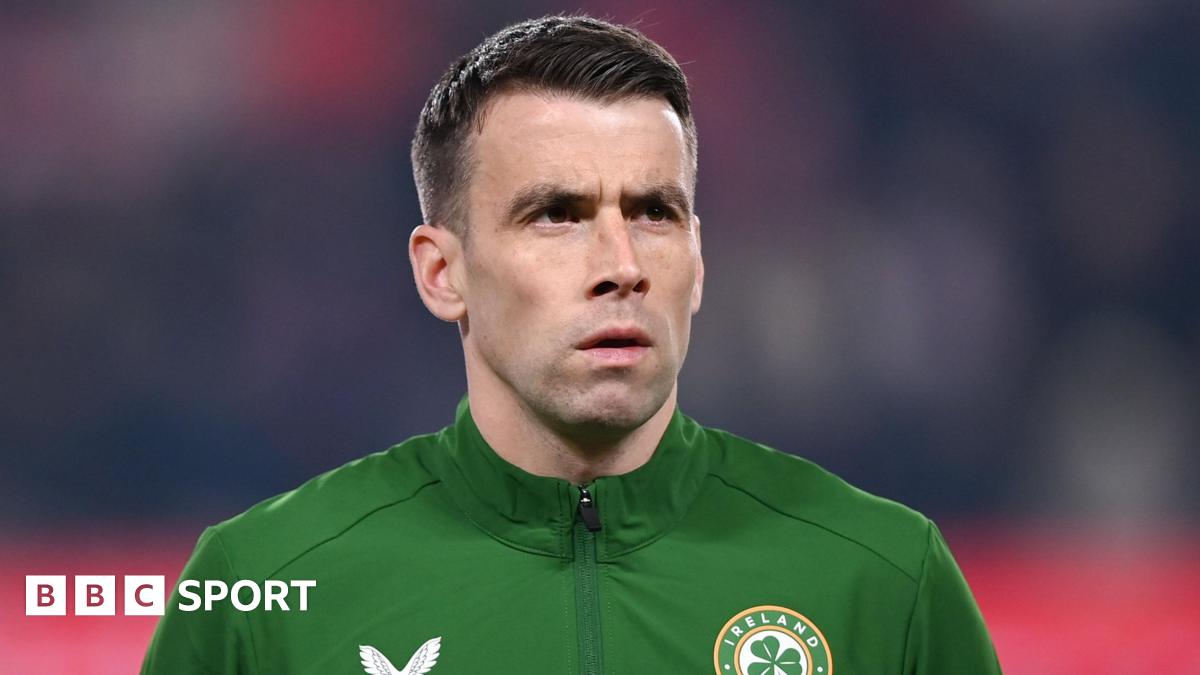
The Tier 1 Reality Check
The source is Tier 1. The BBC confirmed it this morning. Republic of Ireland manager Heimir Hallgrimsson delivered the post-mortem on a failed World Cup qualifying campaign.
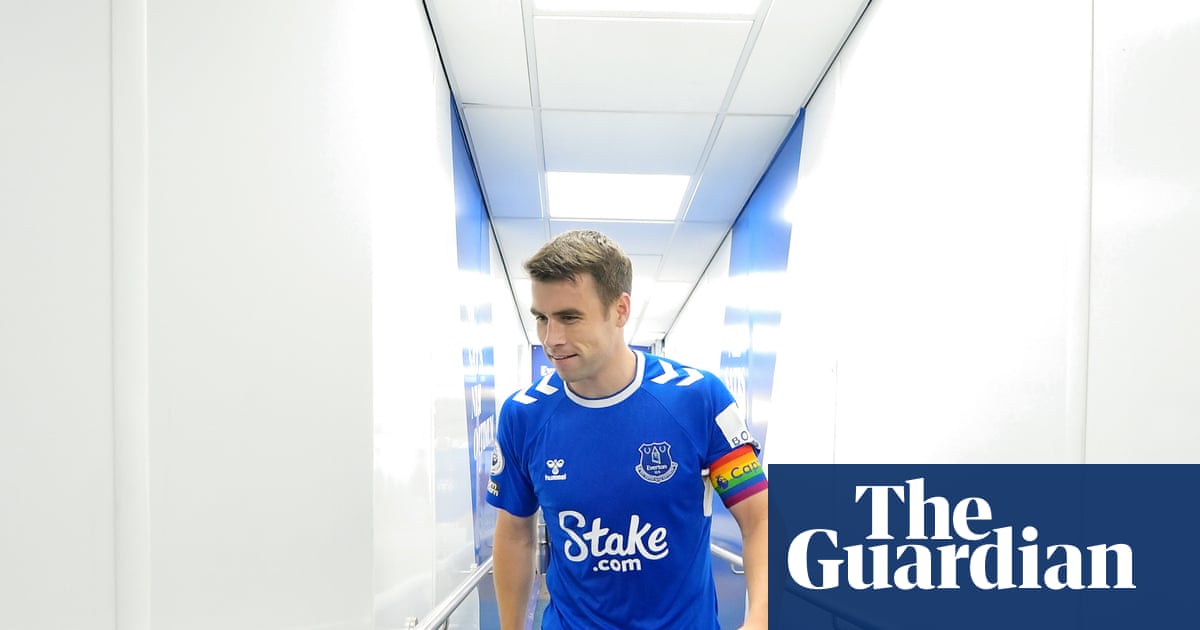
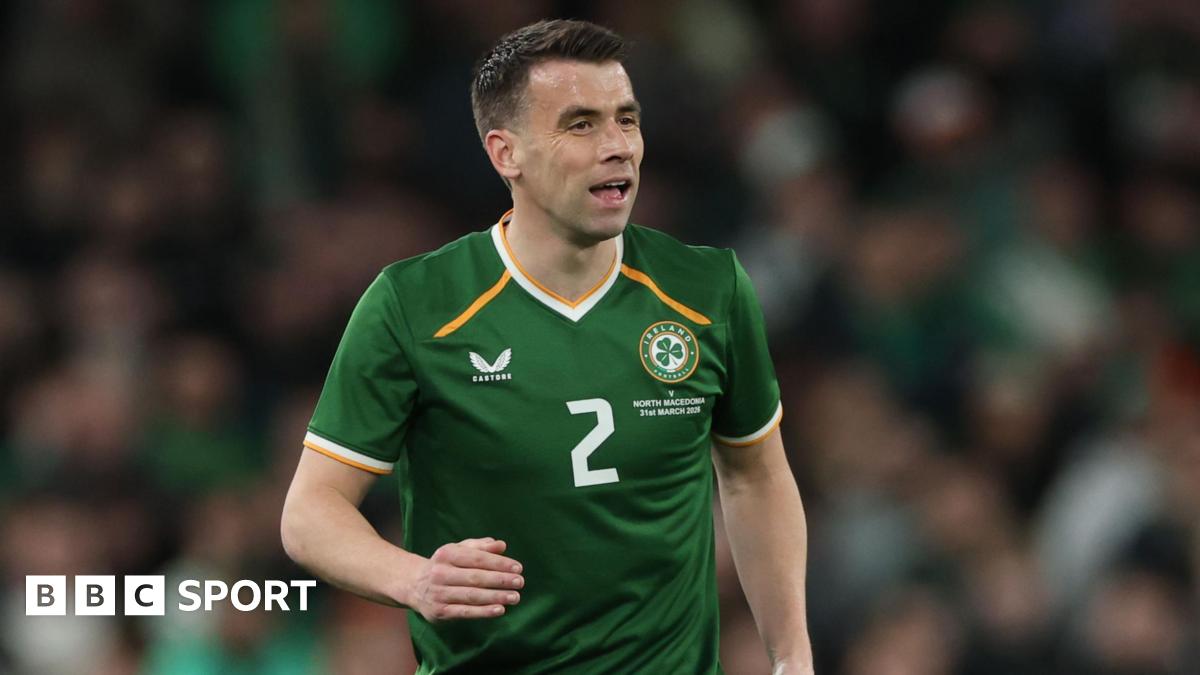
His focus shifted immediately to Seamus Coleman. Hallgrimsson stated he has "big respect" for the veteran defender who has "given everything" to the national team.
That is the polite, respectful way of saying the era is over. The 2026 World Cup in the USA, Canada, and Mexico will happen without Ireland. It will also almost certainly mark the quiet end of Coleman's international career.
The Contract Extension Market
This is not a traditional transfer rumor. There is no Saudi Arabian club waiting with a massive contract. There is no bidding war between Chelsea and Arsenal.
The decision facing Seamus Coleman is far more existential. He is out of contract at Everton this summer. The market for a 37-year-old right-back with a history of catastrophic leg injuries is essentially zero.
The only deal on the table is an internal one. Everton must decide if they are extending his contract for another year, or if this is the final curtain.
The Player Profile in 2026
Let us look at the player profile. At his peak, Coleman was the best attacking full-back in the Premier League. That was a long time ago. Today, he is a survivor.
He relies entirely on positioning, reading the game, and sheer willpower. The recovery pace is gone. Opposing wingers know they can knock the ball past him and win the footrace.
But they also know he will leave a stud in their ankle if they try it too often. He is a defensive pragmatist operating on borrowed time.
The Physical Toll
Consider the sheer physical trauma his body has endured. The horrific double leg break against Wales in 2017 should have ended his career. Most players never recover their elite mobility after a tibia and fibula fracture.
Coleman fought back, but the subsequent years have been a patchwork of muscular injuries, knee tweaks, and chronic fatigue. Modern Premier League football is unforgiving.
Wingers like Jeremy Doku or Gabriel Martinelli are athletic freaks who change direction at terrifying speeds. Defending against them requires fast-twitch muscle fibers that naturally degrade after age 30.
For Coleman, every match is a masterclass in survival mechanics. He uses his body shape to force wingers outside. He buys cheap fouls to break the rhythm of the game. It is brilliant to watch, but it is deeply unsustainable over a 38-game season.
Tactical Breakdowns and Failures
Tactically, extending Coleman makes very little sense on the pitch. Everton manager Sean Dyche demands high-intensity running from his wide players. Coleman simply cannot provide 90 minutes of pressing anymore.
When he plays, the entire defensive line has to drop five yards deeper to protect him. This invites pressure. It suffocates Everton's ability to counter-attack efficiently.
The harsh reality is that fielding Coleman in a high-stakes Premier League match in 2026 is a massive tactical liability. And yet, Everton will probably offer him the deal. Why? Because the club's succession planning has been an absolute disaster.
Everton's Recruitment Disaster
This brings us to the glaring failure of the Everton hierarchy. They bought Coleman for £60,000 from Sligo Rovers in 2009. It remains one of the greatest bargains in football history.
But the board has spent the last decade using that bargain as an excuse to ignore the right-back position. They drafted in Nathan Patterson. He has struggled with injuries and tactical discipline.
They tried Ashley Young, which was merely replacing one aging player with an older one. The inability to scout, buy, and develop a modern right-back is a damning indictment of Everton's recruitment strategy.
Everton have played a dangerous game of chance with his fitness. When you map out the squad depth chart, the drop-off behind Coleman is terrifying. Dyche is forced to shuffle center-backs out wide when the captain inevitably breaks down.
Ben Godfrey has been deployed there in the past, looking entirely lost whenever he crosses the halfway line. This makeshift approach is not sustainable for a club harboring ambitions beyond mere survival. They are held hostage by Coleman's loyalty because they have no other viable options.
Ireland's Structural Collapse
Let us examine the tactical rigidity that led to this exact moment. Ireland’s World Cup qualifying campaign was a disaster of their own making. Hallgrimsson inherited a broken system, but he did little to fix it.
Against mid-tier European opposition, Ireland consistently surrendered possession, hoping to strike on set-pieces. When you play a low block, your full-backs need explosive pace to launch the counter.
Asking Coleman to sprint 70 yards up the touchline after defending his penalty area for ten straight minutes is absurd. Opposing managers targeted his flank mercilessly. They overloaded the left wing, forcing Coleman into exhausting two-on-one situations.
The lack of midfield cover from the Irish engine room left him dangerously exposed. The player is aging out of the game, and the tactical setup is accelerating his demise. The FAI has spent years ignoring the warning signs.
The youth development pipeline is broken. They have not produced a top-tier defensive prospect in a decade. This failure forced them to run a legendary player into the ground out of sheer desperation.
Financial Realities and Wages
Everton’s financial reality heavily dictates this contract saga. The club has been dancing on the edge of Profitability and Sustainability Rules breaches for three years. Every contract renewal is heavily scrutinized by auditors.
Handing a new deal to a player nearing 40 is a luxury a healthy club can afford. Everton is not a healthy club. They are operating in a state of perpetual crisis.
If they allocate even a fraction of their wage bill to Coleman, it means less money for a starting striker or a dynamic central midfielder. The recruitment team is reportedly split on the decision.
The analytics department looks at Coleman’s sprint speeds, dual success rates, and injury history, and screams for him to be released. The coaching staff looks at the dressing room dynamics and begs for him to stay.
Without him, Everton lacks a natural leader. James Tarkowski and Jordan Pickford are vocal, but Coleman holds a distinct, unchallengeable authority. When training standards drop, he is the one who stops the session. You cannot purchase that level of cultural enforcement in the summer window.
Wage Implications
Let us look at the wage implications. If Everton offer a new one-year extension, it will not be on terms reflecting a first-team starter.
Any new deal would likely see a massive wage reduction. The club will demand a heavily incentivized contract based entirely on match appearances. They cannot afford to guarantee massive basic wages to a player who cannot guarantee availability.
But the money is secondary. Everton are paying for a dressing room enforcer. They are paying for a man who understands the club's standards and will scream at underperforming players in the tunnel. Is that worth the squad registration slot? In a financially constrained environment, maybe not.
Probability Assessment and Expected Timeline
The international context matters here. Hallgrimsson’s quotes feel final. The World Cup dream is dead. Without the motivation of a major international tournament on the horizon, the physical toll of another Premier League pre-season might finally be too much.
Pushing your body through the pain barrier makes sense when there is a World Cup at the end of the tunnel. When that tunnel is empty, the ice baths and the rehab sessions lose their appeal.
Let us break down the competing factors. It is a straight shootout between a one-year Everton extension and immediate retirement. There are no competing clubs.
A move to the Championship makes zero sense for a player of his standing. A return to the League of Ireland with Sligo Rovers is a romantic idea, but financially and physically impractical.
"He has given everything to his country's cause." - Heimir Hallgrimsson
Here is the probability assessment for his future.
- Extension (60%): Sean Dyche values grit above almost all other traits. The board knows replacing him costs money they do not want to spend. A cheap one-year deal kicks the can down the road.
- Retirement (40%): The international exit will hit hard. If his body breaks down again before May, he might simply walk away from the sport.
The expected timeline is clear. No announcement will be made until Everton's Premier League safety is mathematically guaranteed. Once the season ends in late May, expect a quiet statement.
If he signs, the impact is minimal on the pitch, but massive behind the scenes. He will spend next season mentoring his eventual replacement, assuming Everton finally sign one. If he retires, an era ends abruptly.
Everton will be forced into the transfer market. They will have to spend money they do not have on a player who will never match Coleman's legacy. The BBC report is just the first domino.
Hallgrimsson’s respect is genuine, but it changes nothing. The legs are heavy. The World Cup dream is gone. The end is right here, staring everyone in the face. It is just a matter of who blinks first.
Read Next
- Why Liverpool want to sign two wingers to replace Mohamed Salah
- Man United's summer overhaul is already turning into a complete circus
- Liverpool are chasing Olise ghosts while Tonali plots his Newcastle escape
- Everton are flying, but a new David Moyes contract is a massive trap
- 🏆 World Cup 2026 — Full Coverage Hub