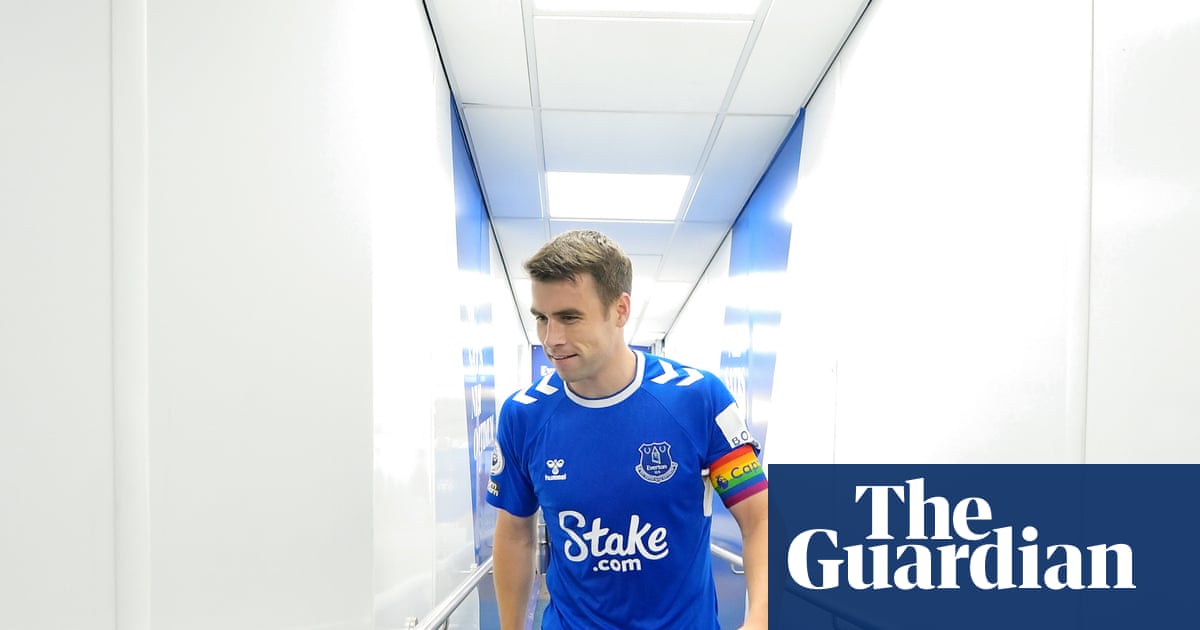
The end of an era at Goodison Park
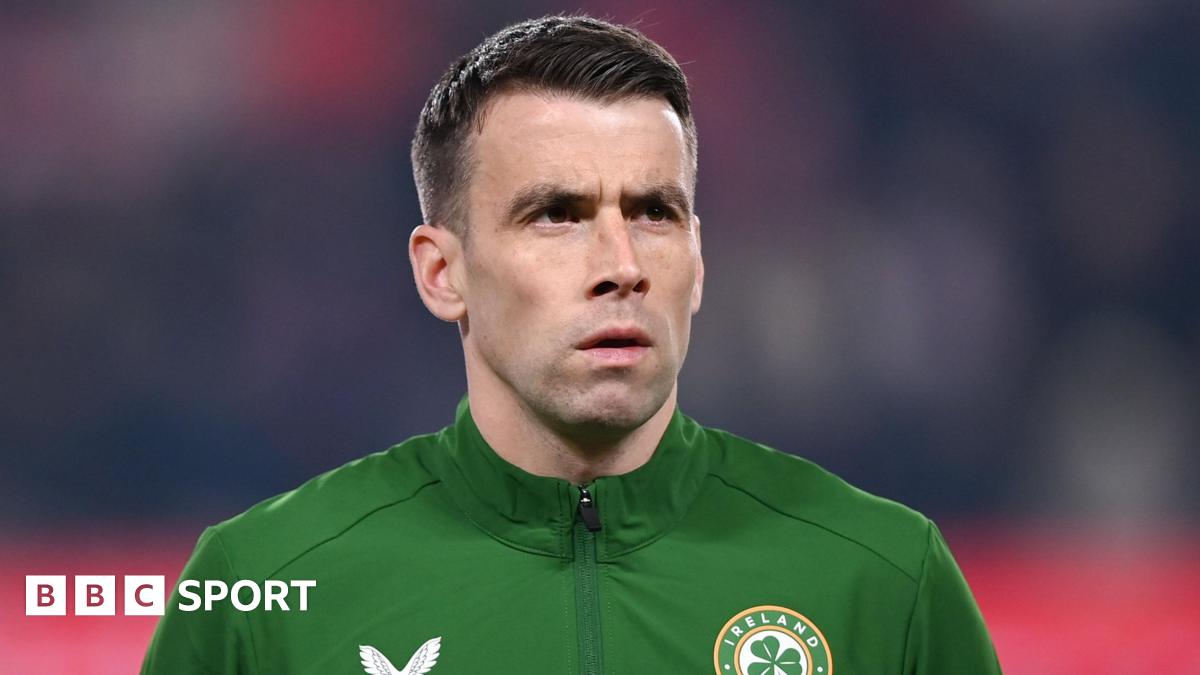
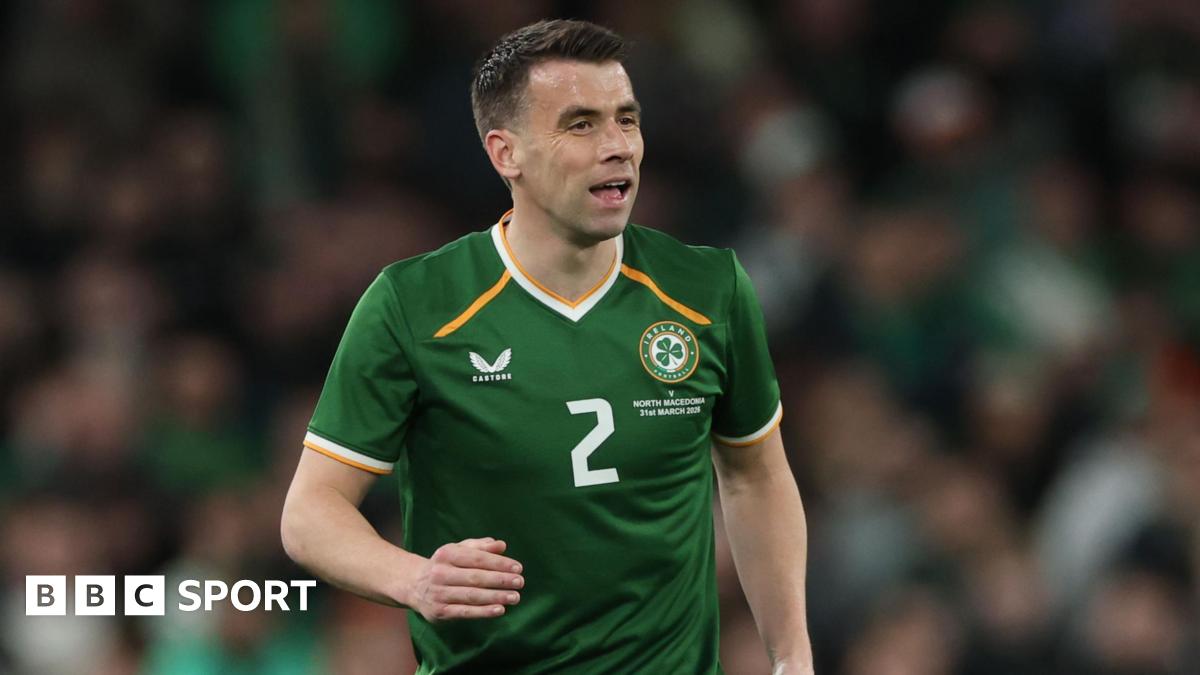
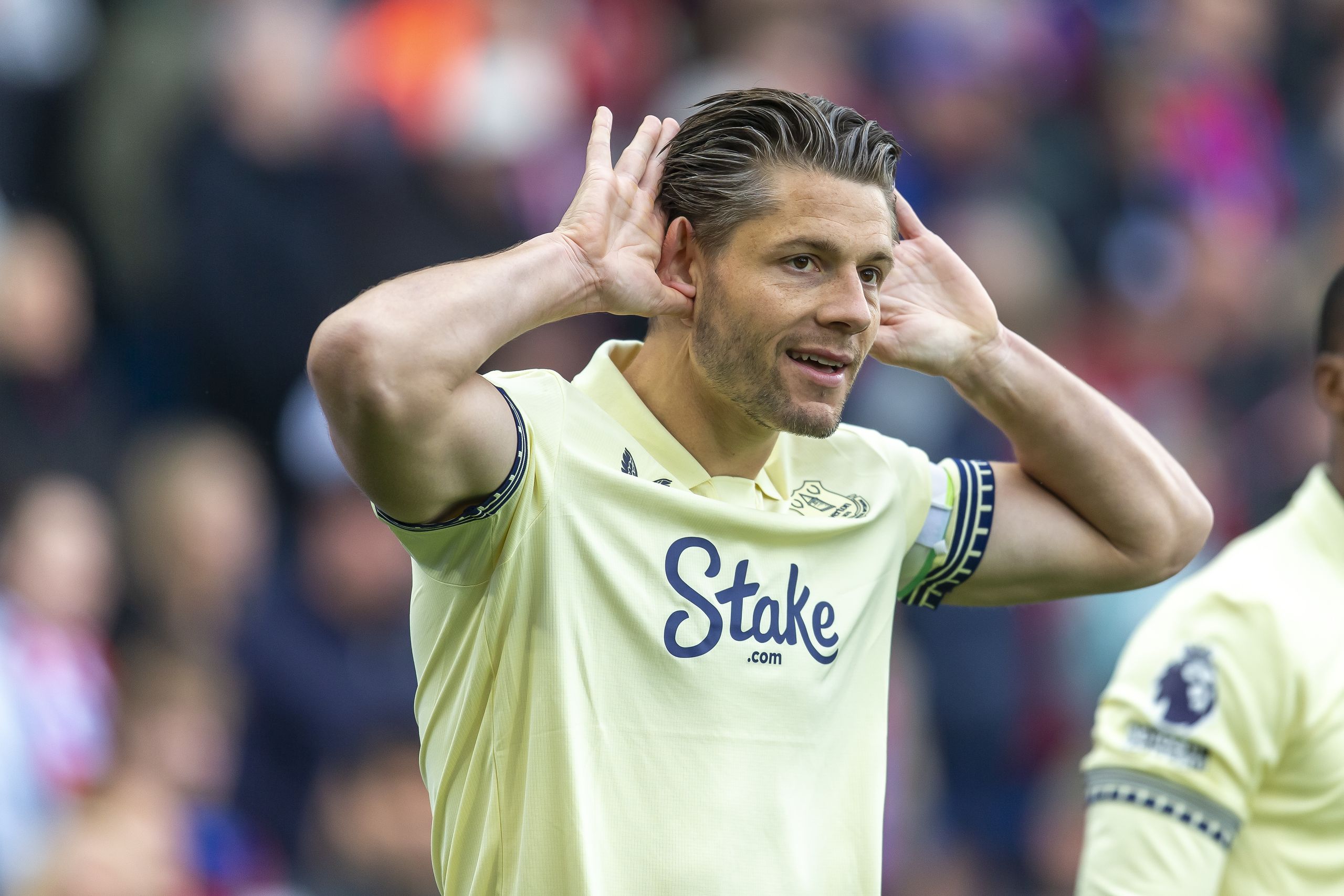
Everton without Séamus Coleman just feels fundamentally wrong. The club confirmed this morning that their captain will end his 17-year stay when his contract expires next month. The Guardian broke the news that the club has offered him a coaching role. But Coleman himself hasn't decided if he is ready to hang up his boots.
He arrived for £60,000. That number gets repeated so often it has lost all meaning. Let’s contextualize it. In the modern market, you cannot buy a decent kit man for that price. Everton essentially paid the equivalent of a mid-range family sedan for a player who would go on to define their right flank for nearly two decades.
He was the ultimate bargain. But he was also a tactical pioneer for a distinct era of Premier League football.
The Baines-Coleman dynamic
Think back to the early 2010s. The Premier League was just waking up to the idea that fullbacks could be your primary attacking weapons. Leighton Baines was doing it on the left with cultured delivery. Coleman was doing it on the right with sheer, unadulterated force.
He wasn't an inverted fullback. He didn't drop into midfield to form a box of four. He just ran. Relentlessly.
His overlapping runs were the trigger for Everton's entire attacking shape under David Moyes and later Roberto Martínez. When the winger tucked in, Coleman went on the outside. It was simple, but stopping it was a nightmare. He dragged opposing left-backs deep into their own penalty areas.
You can track the evolution of the Premier League just by watching how teams tried to defend him. Initially, they ignored him. Then, they started dropping their left-wingers to track him. Eventually, he forced a tactical shift in how teams built their defensive blocks.
The harsh reality of the final years
We have to be objective, though. The last three years have been difficult to watch. Football is a cruel sport, and the Premier League is its most unforgiving theater.
Coleman lost a yard of pace after that horrific leg break against Wales in 2017. He adapted his game, relying more on positioning and timing. But by the 2024 and 2025 seasons, the decline was glaring. He was frequently caught too high up the pitch. Fast, direct wingers isolated him in 1v1 situations, and he just didn't have the recovery speed anymore.
Sean Dyche tried to protect him by dropping the defensive line deeper. But you can't hide a fullback who can't win foot races. There were moments this season where his inclusion felt more like a sentimental gesture than a tactical necessity. Everton leaked goals down his side, and the fanbase, while deeply respectful, knew it was time.
It is the hardest thing in sports: knowing when to walk away.
The anatomy of the bargain
To truly grasp the absurdity of that transfer fee, you have to look at the market in 2009. Real Madrid broke the world record that summer, paying £80,000,000 for Cristiano Ronaldo. Everton bought Coleman for less than a thousandth of that price. He cost roughly half of what a mid-table Premier League team spends on travel logistics for a single away game in Europe.
It wasn't just cheap; it was a rounding error. It was the product of a scouting system relying on personal relationships rather than global databases. Mick McDermott recommended him. David Moyes trusted the recommendation. It is an analogue transfer in an increasingly digital sport.
We will never see it again. Clubs track under-15s with GPS vests and drone footage now. Sligo Rovers couldn't hide a talent like Coleman for an afternoon in 2026, let alone for months.
The coaching offer and the Sligo connection
So, what happens next? Everton have formally offered him a role on the coaching staff. It makes perfect sense. He holds the dressing room together. When things go wrong, he is the one facing the cameras. He is the standard-bearer.
But the reports suggest he wants to keep playing. And knowing Coleman's relentless drive, I believe him.
He isn't going to drop down to the Championship for a relegation scrap. He doesn't need the money. He doesn't need to prove he can handle the physical toll of a 46-game season in England's second tier. And a move to MLS or Saudi Arabia completely contradicts everything we know about his character.
There is only one move that makes logical and emotional sense.
The prediction: One final lap in Ireland
Séamus Coleman will reject the immediate coaching offer from Everton. He will sign a one-year deal with Sligo Rovers in the League of Ireland.
This is where it all started. Sligo is the club that sold him to Everton for that famous £60,000 fee back in 2009. He has maintained close ties with the club ever since. Returning there offers a poetic symmetry that is rare in modern football.
Here is how it plays out. He goes to Sligo for the remainder of their 2026 season. He plays in front of crowds that will treat him like royalty. He helps them push for a European spot. He gets to dictate games at a pace that suits a 37-year-old body. He gets to play purely for the love of the game, free from the crushing pressure of Premier League survival.
The inevitable return to Goodison
But the Sligo chapter will be brief. My prediction is a hard commitment to a timeline: he plays out the calendar year in Ireland, formally announces his retirement from playing in January 2027, and immediately returns to Everton.
The coaching role isn't going anywhere. Everton need his institutional memory. As they transition into their new stadium at Bramley-Moore Dock, they desperately need a tether to their history. Coleman is that tether.
He will start with the Under-21s. It is the classic pathway. Learn the trade away from the first-team spotlight. Develop the next generation of academy graduates. Teach them what it actually means to pull on that blue shirt.
A legacy secured
We spend so much time obsessing over expected goals and pressing intensity that we sometimes forget the human element of team building. Coleman isn't just a former player; he is a cultural touchstone for a club that has desperately lacked stability.
Let's look at the numbers. He sits comfortably in the top tier of Everton's all-time appearance makers in the Premier League era. He survived seven permanent managers. He survived multiple relegation battles. He survived ownership changes and financial crises.
- Over 400 total appearances for the club.
- Captain through the most turbulent period in modern Everton history.
- Consistently high defensive duel win rates during his prime years.
Those aren't just stats. That is a career built on sheer bloody-mindedness.
The tactical void left behind
His departure forces Everton to finally solve a problem they have been ignoring for half a decade: how to actually replace him. Nathan Patterson was supposed to be the heir apparent. That hasn't worked out.
Everton now have to go into the summer market looking for a starting right-back. They need someone who can replicate what Coleman did at his peak: defend the back post aggressively and provide width in possession. It will cost them significantly more than £60,000.
They are losing a player, but they are also losing a safety blanket. For 17 years, whenever a new signing failed or a tactical plan imploded, they could just put Coleman back in the team. He was the ultimate failsafe.
That failsafe is gone now.
Final thoughts on a unique career
He arrived as an unknown quantity from the League of Ireland. He leaves as one of the best pound-for-pound signings in Premier League history. There will never be another transfer quite like it. The scouting networks are too vast now. The data analysis is too deep. A player of his raw potential simply does not slip through the cracks for pocket change anymore.
Séamus Coleman beat the system. He maximized every ounce of his talent. Now, he gets to write his own ending. It will start with a farewell tour in Ireland, and it will end back where he belongs, holding a clipboard on the touchline at Everton.
You can book that timeline. The Premier League will be slightly less interesting without him flying down the right flank, socks rolled down, yelling at a referee.