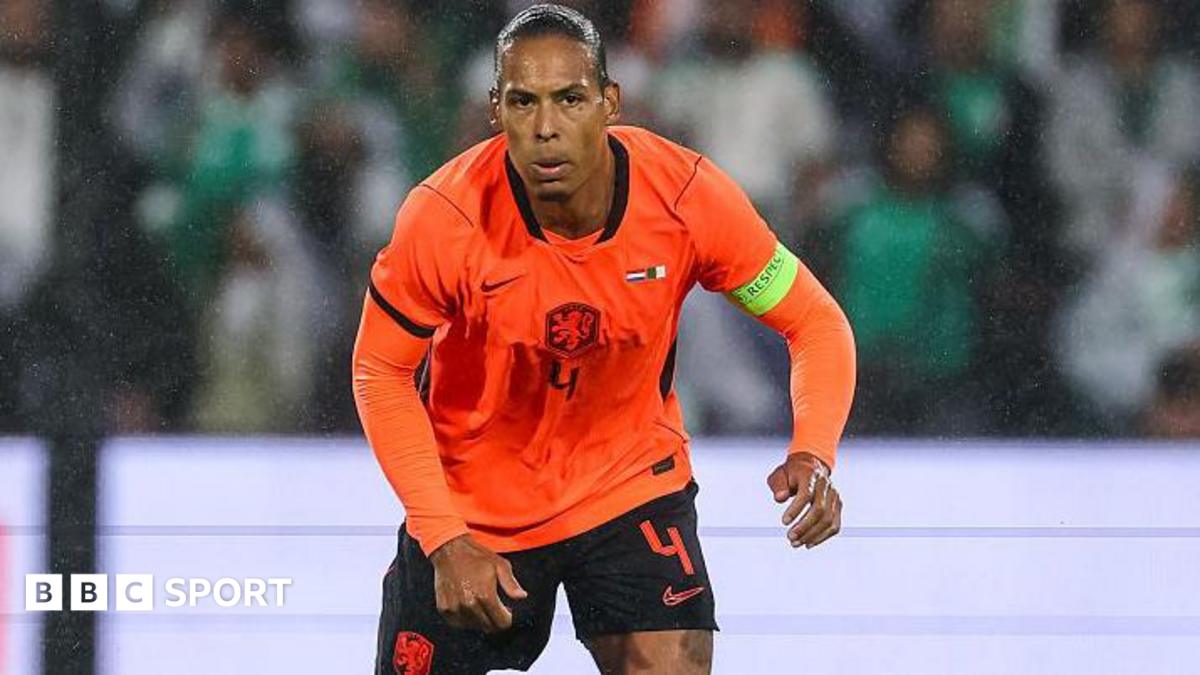
The 2026 World Cup fitness crisis
Tournament kickoff has arrived, but the physical reality of the 2026 World Cup is far from ideal. With domestic league seasons having bled into late May, the turnaround for international squads has pushed human biology to its absolute limit. Staff across the 48 participating nations report a staggering number of soft-tissue complications.
High-intensity recovery blocks were sacrificed for travel logistics and commercial obligations. Training ground feedback suggests that fatigue-related muscle strains are up 18% compared to the 2022 winter tournament in Qatar. The condensed calendar provides no grace period for players arriving from Champions League or Europa League finals.
The hidden cost of the expanded format
Managers are juggling depleted rotations before a single ball has been kicked in the group stages. The influx of 16 additional teams has forced sports science departments to adopt a more conservative approach to injury prevention. We are seeing a shift away from high-press tactical setups in favor of low-block preservation strategies to save legs for the knockout rounds.
History provides a grim outlook. During the 2002 World Cup, similar physical exhaustion plagued several major nations, resulting in a flurry of mid-tournament withdrawals for star players. The 2026 cycle repeats this pressure, but with greater volume and longer travel distances.
Strategic implications for the opening weekend
Tactical flexibility is secondary to medical clearance status as teams prepare for their first games. Medical leads from top-seed nations have communicated a preference for squad rotation during the opening two group matches. This strategy effectively punishes depth-poor squads that cannot absorb a key starter’s absence.
The risk to professional careers is significant, as club medical records show a correlation between mid-year tournament fatigue and subsequent long-term injury streaks in domestic play. Scouts and clubs are watching the medical room as closely as the pitch in Los Angeles, Atlanta, and Mexico City. The financial stakes of a tournament-ending injury often prevent players from disclosing lingering tightness until a scan confirms a tear.
The logistical nightmare
Travel fatigue is the silent killer for fitness levels this summer. Teams crisscrossing time zones face disrupted sleep patterns, which directly impacts protein synthesis and muscle repair rates. Physiotherapists have warned that the current schedule violates established sports science guidelines regarding recovery windows after high-load exercise.
Critics point to the decision to expand the tournament as the root cause of this physical volatility. As The Guardian reported, the environment surrounding this tournament is already tense, leaving very little room for error regarding squad management. If a standout player goes down in the group phase, the pressure on international team doctors to circumvent recovery protocols will be immense.
A flawed model of competition
The reliance on player participation as the primary engine for revenue creates a conflict of interest in medical diagnostics. Tournament organizers have incentivized maximum minutes played, often at the expense of individual health. This creates a scenario where the quality of the tournament degrades as teams lose their best assets to preventable injuries.
We are potentially looking at a diluted final bracket if the current trend of muscular injuries continues. Coaches are no longer debating formation; they are debating how many minutes they can squeeze out of a player before a ligament snaps. It is a cynical way to produce a major sporting spectacle, turning the world's biggest stage into a lottery of who stays healthy longest.