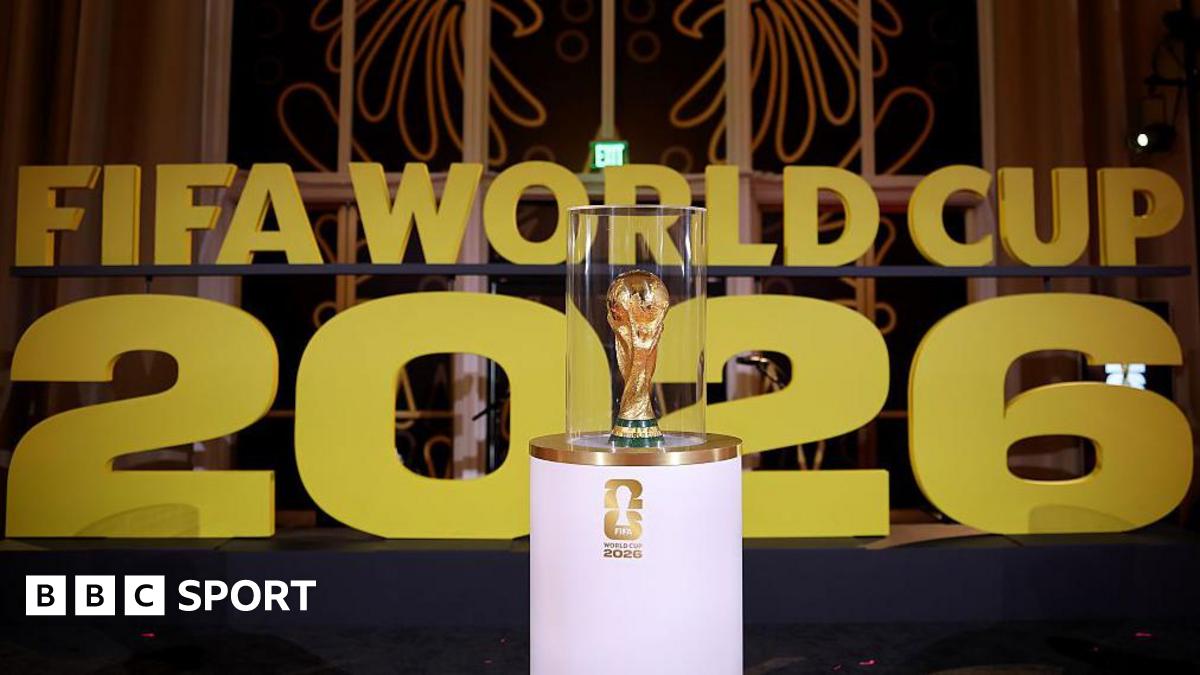
Tournament kickoff brings new oversight
The 2026 FIFA World Cup is officially underway. As the first whistle sounds in North America, medical staffs are under heavy scrutiny following a recent shift in FIFA health protocols. The focus is no longer just on trauma management but on the transparency of injury reporting. FIFA has mandated stricter diagnostic submission timelines for team doctors ahead of kickoff.
This tightening of compliance comes during a year where international squads are operating under increased fatigue. With the expansion to 48 teams, the physical toll on players has reached its highest concentration in modern professional history. Managing load between domestic club campaigns and national team duty remains the defining challenge for medical directors.
The patch system and physical strain
Tournament organizers have introduced a specific data-tracking initiative alongside the controversial 'debut' patches seen on kits. According to recent reports from The Mirror, these indicators categorize player experience levels. While fans track the narratives behind these patches, medical departments are using similar classification systems to screen high-risk squads.
Veteran teams are tracking higher 'wear-and-tear' metrics than previous tournament cycles. The data shows that players carrying minor muscle fatigue from qualifying rounds are at higher risk for secondary soft-tissue injuries. It is a cynical reality that FIFA's desire for an expanded tournament is putting depth charts to the ultimate test.
Historical context of tournament fatigue
We are looking at an increased injury risk compared to the 2022 dataset. In Qatar, the mid-season timing acted as an equalizer. Here, the end-of-season exhaustion after grueling domestic European leagues creates a distinct vulnerability. Historically, nations that struggled with rotation in the opening 72 hours of the tournament typically saw a spike in hamstring and adductor complications by the second round of group matches.
Coaches are now balancing an urgent need for results against the necessity of 360-degree injury prevention. Any manager rushing a key starter back before the 14-day threshold for low-grade strains faces a high probability of total failure. Those who fail to rotate during this opening week are effectively inviting attrition into their camps.
Strategic implications and industry shifts
The industry is watching the data pipelines closely. If the injury rate during the group stage exceeds the 6% benchmark observed in 2022, club executives will likely lobby for harder blocks on international call-ups in future years. The tension between FIFA’s commercial expansion and the physical integrity of the players is reaching a boiling point.
Competitors like the individual domestic leagues are monitoring this carefully. If a star player suffers a long-term setback during this World Cup, the compensation disputes with FIFA will be immediate. We are seeing a shift where medical disclosures are treated with the secrecy of tactical team sheets. Public health becomes secondary to the competitive advantage of hiding a lingering ankle sprain or a recurring calf strain.
It is a mistake to ignore the lack of standardized recovery time across the different participating regions. The players coming from high-altitude venues face different recuperation hurdles than those from sea-level environments. The medical staffs that successfully bridge this gap will have a material tactical advantage over their opponents. The others will be forced to rely on reserve squads far sooner than they anticipated.
The pressure on teams to perform while hiding injury status is effectively creating a dangerous environment. Some federation medical officers are reporting that pressure from coaching staff to clear players has reached an all-time high. This pursuit of results over caution often leads to chronic injury patterns that bleed back into club performances in the autumn.
This tournament is a petri dish for endurance. If the current schedule holds, we will see if the sport can handle this volume or if the product itself begins to degrade as top-tier talent sits in physiotherapy rooms instead of reaching the pitch. The early signs are not promising for those hoping for a clean slate across the board.
FIFA's insistence on 48 teams brings more inventory, but at the cost of potential quality dilution. Medical teams are effectively treating their players as depreciating assets in a high-stakes environment. Success in this tournament will be defined not just by the tactical acumen of managers, but by the efficiency of their trainers. We will have a clear idea of which squads have maintained health by the end of the second rotation of group games.
The outlook for the tournament flow
The medical reality of the 2026 tournament remains clear: those who manage the recovery window will dominate. The teams that treat this like a sprint will be in the casualty ward by the quarter-finals. Coaches must prioritize fitness over legacy names if they want any chance to survive the knockout stages. The next few weeks will prove whether or not the squad depth mandated by FIFA is enough to mask the physical cost of modern football.
Read Next
- FIFA's 2026 rulebook is a chaotic mess for the opening kickoff
- Elliot Anderson faces race against time as England's World Cup opener looms
- World Cup injury report: Why player availability is already a mess
- Infantino is losing his grip on the 2026 World Cup before kickoff
- 🏆 World Cup 2026 — Full Coverage Hub