The tightest margin in Championship history
The Championship final day is always a mess of permutations, but this year has delivered something entirely absurd. Wrexham and Hull City are sitting on identical points totals heading into the weekend. They are fighting over a single prize, the sixth and final playoff spot.
If results mirror each other, we are looking at the narrowest of tiebreakers to decide who extends their season. We already know what is at stake financially. The Premier League television money is the ultimate prize, transforming the trajectory of any club that grasps it.
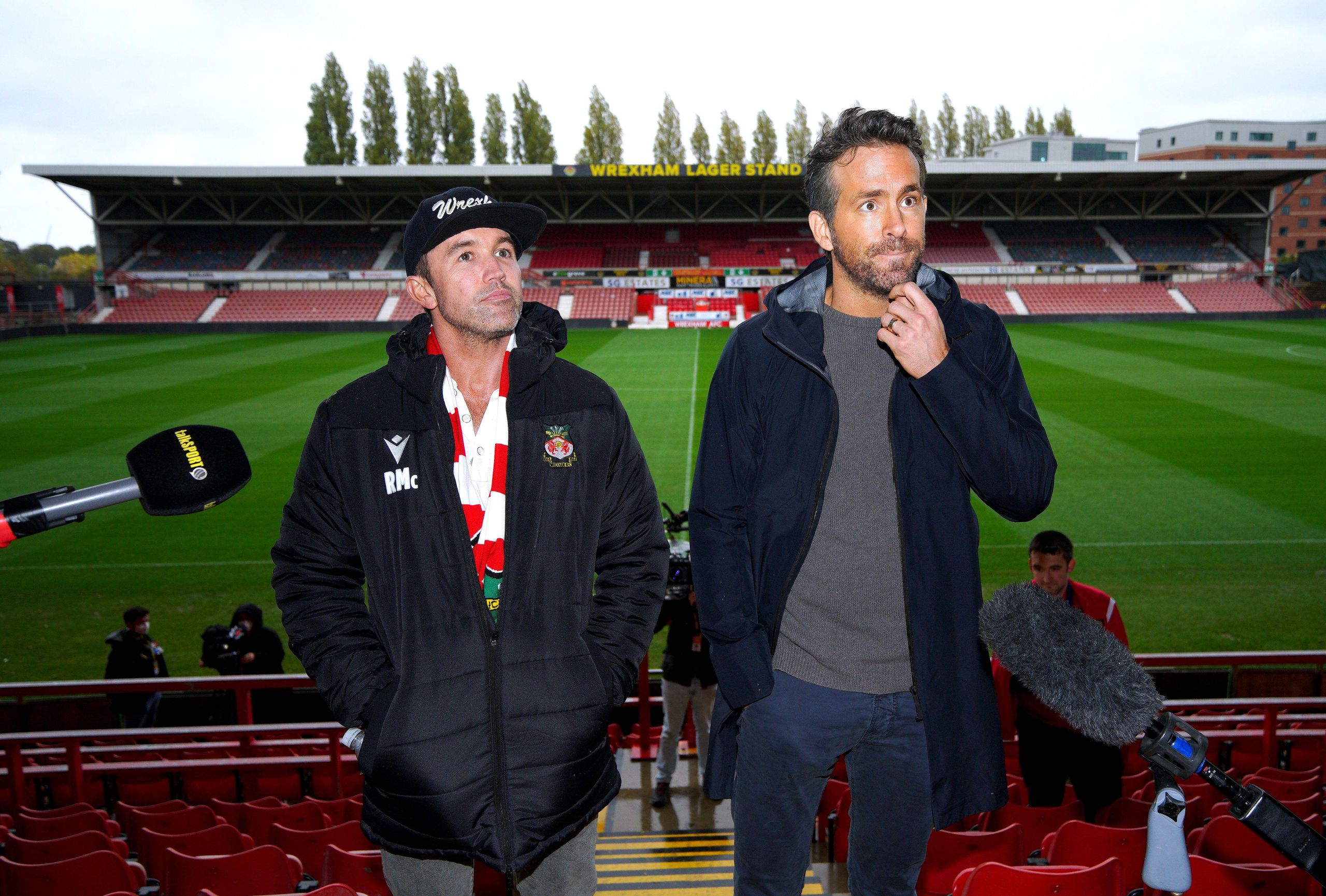
Wrexham's ownership is staring down a potential £100m promotion prize that would validate their aggressive spending. But before anyone books a trip to Wembley, the mathematics of the final day need to be resolved.
As FourFourTwo noted, finishing with the same points and goal difference forces the league to look at goals scored, and then head-to-head records. You cannot script a more stressful scenario for a fanbase. Wrexham have built their entire brand on late drama, but this situation is uniquely terrifying.
Wrexham's tactical ceiling is showing cracks
For all the romanticism surrounding Wrexham's climb up the English football pyramid, their tactical approach has looked stale over the last month. Their reliance on early crosses from the wing-backs is highly predictable. When opposing managers deploy a low block and crowd the penalty area, Wrexham's midfield completely runs out of ideas.
They cycle the ball endlessly in a U-shape around the final third without penetrating the box. This is where my main criticism of their season lies. The recruitment strategy focused heavily on brute force and character, leaving them desperately short of technical quality in central areas.
When the game becomes transitional, their midfield is alarmingly easy to bypass. The gaps between their holding midfielders and the defensive line often exceed twenty yards. Smart teams have consistently exploited that exact pocket of space.
They have conceded entirely too many goals from cut-backs. The defensive structure collapses as soon as the opposing wingers isolate Wrexham's outside center-backs. If they somehow scrape into the playoffs, that defensive fragility will be ruthlessly exposed over two legs.
Hull City's possession problem
Hull City offer a massive contrast in style. They want the ball, they want to dictate the tempo, and they want to pass you to death. The problem is that their possession is frequently sterile.
They can string together thirty passes in the middle of the pitch without ever threatening the opposition goalkeeper. Their attacking patterns are entirely dependent on their wide forwards cutting inside to shoot. When you double-team those wide areas, Hull's central striker becomes completely isolated.
They simply do not make enough runs in behind the defensive line to stretch the play. It allows the opposition to squeeze the pitch and compress the space, suffocating Hull's creative players. Yet, they have somehow dragged themselves to the brink of the playoffs.
Their defensive record is significantly better than Wrexham's. Hull survive by controlling the tempo and taking the sting out of matches. They bore you into submission, wait for a mistake, and then punish you in transition.
The tiebreaker mechanics
If Wrexham and Hull City draw their respective matches, the goal difference remains static. If they both win by the same margin, the goal difference also remains static. This is where the EFL rulebook comes into play.
Fans will be refreshing league tables every thirty seconds, desperate to see who has the edge in goals scored. Here is how the tiebreakers break down if points and goal difference are identical:
- Total goals scored across the entire season.
- Head-to-head points obtained in matches between the two clubs.
- Head-to-head goal difference.
- Head-to-head away goals scored.
These fine margins mean a meaningless consolation goal conceded in September could quite literally cost a team promotion in May. Managers will have to make in-game decisions based on rumors from the stands. The dramatic final day will be defined by scorelines swinging wildly across different stadiums.
Wrexham's reliance on second balls
Looking closely at Wrexham's attacking output, a massive percentage of their xG comes from second balls and set-pieces. They are exceptional at winning the initial header from a long punt forward, and even better at anticipating the knockdown. It is not pretty, but it is undeniably effective when executed with aggression.
Their center-forwards do an incredible amount of unheralded work off the ball. They pin the opposition center-backs, creating space for the central midfielders to crash the box. This late midfield run has been a staple of their offense.
But Championship defenders are smarter, faster, and more physical than what Wrexham faced in League One. The step up in class has been obvious all season. Wrexham's forwards are winning fewer aerial duels, meaning those second balls are falling to the opposition.
When that happens, Wrexham are instantly caught out of shape. Their midfield is committed forward, leaving a massive void for the counter-attack. It is a high-risk, high-reward strategy that has yielded diminishing returns in the final weeks of the season.
Hull's pressing triggers
Hull City's defensive solidity is built on a very specific pressing structure. They do not press high from goal kicks. Instead, they drop into a mid-block and wait for the opposition to play the ball out to the full-backs.
The moment the full-back receives the ball, that is the trigger. Hull's wingers instantly jump, angling their runs to cut off the pass back to the center-back. It forces the opposition to either play a risky pass into a congested midfield or launch a long ball down the line.
Hull's center-backs are dominant in the air, easily cleaning up those forced long balls. It is a brilliantly executed defensive trap. They essentially dictate where the opposition is allowed to play.
This organized pressing trap is exactly why Hull rarely concede in transition. They are always structured, always disciplined. It is the polar opposite of Wrexham's chaotic, emotional approach to defending.
Midfield battlegrounds
When analyzing how this final day will play out, you have to look at the center of the park. Wrexham's midfield trio usually operates with a dedicated destroyer and two aggressive box-to-box runners. The issue is spacing.
Those two runners frequently push too high, trying to overload the opposition penalty area. It leaves their defensive midfielder completely isolated, covering the entire width of the pitch. Opposing teams have figured this out.
They drop a striker deep to create a numerical advantage in that exact space. The single pivot is forced to make a decision. Step up to challenge the dropping striker, or hold his position and allow the player to turn.
Either way, Wrexham's defensive shape is compromised. If they step up, a massive hole opens up in front of the center-backs. Hull City's midfield dynamic is entirely different.
They play with a double pivot that rarely ventures beyond the halfway line during sustained possession. These two midfielders act as an anchor, recycling the ball and providing a defensive shield. It limits their numbers in attack, but it guarantees defensive stability.
The set-piece equalizer
When open play breaks down, set-pieces become the ultimate equalizer. Wrexham have historically dominated in this area. Their corner routines are complex, often involving three players screening the goalkeeper.
They crowd the six-yard box and rely on outswinging deliveries to hit the penalty spot. It is a routine that requires pinpoint accuracy, but when it connects, it is devastating. Their center-backs are incredibly aggressive when attacking the ball.
However, Hull City are exceptionally well-drilled at defending dead-ball situations. Hull employ a mixed marking system. They keep four players in a strict zonal line across the six-yard box, while deploying three man-markers to track the opposition's biggest aerial threats.
This hybrid approach neutralizes the screens that Wrexham rely on. If Wrexham cannot find joy from corners, their attacking output drops significantly. They do not win enough free-kicks on the edge of the box to rely on direct shots.
Hull's discipline in avoiding cheap fouls around their own penalty area will be a massive factor. They simply do not give the opposition free opportunities to load the box.
Managing the clock
Game management will dictate who survives this weekend. This is where experience matters. Knowing when to draw a foul, when to slow down a throw-in, and when to kick the ball into the stands.
Wrexham play with a frenetic energy that rarely slows down. It is entertaining to watch, but it is a terrible way to close out a tight match. There is a distinct lack of pragmatism in Wrexham's game model.
If they go a goal up, they continue to pour men forward looking for a second. That naive aggression has cost them points. You cannot play basketball-style transitions for ninety minutes in the Championship.
Eventually, your legs give out, and the opposition finds space on the counter. Hull are masters of killing the game. Once they take a lead, the match turns into a grueling exercise in frustration for the opposition.
They will hold the ball in the corners, win cheap free-kicks, and break the rhythm of the game. It is cynical, but it is precisely what you need to survive in this league. They understand that style points do not count in the standings.
The psychological weight of the final day
Tactics only take you so far when the pressure reaches this level. The final day of the Championship is a psychological meat grinder. Players are exhausted, carrying knocks from a relentless schedule.
The mental fatigue leads to split-second hesitations, misjudged passes, and catastrophic defensive errors. Wrexham have the momentum of a runaway train, fueled by media attention and a rabid fanbase. But that attention brings an immense burden.
Every mistake is magnified. Hull City, on the other hand, have flown slightly under the radar. They have quietly grinded out results without the Hollywood spotlight. Sometimes, flying under the radar is a massive advantage when the pressure peaks.
We are going to see exactly what these squads are made of. You can analyze xG and passing networks all day long, but this weekend comes down to nerve. Who will execute their game plan when their legs feel heavy and the crowd is screaming?
The Verdict
I have looked at the remaining fixtures, the underlying metrics, and the tactical setups. Wrexham's defensive vulnerabilities in transition are simply too glaring to ignore. They have been papering over the cracks with late goals and sheer willpower, but that luck is running dry.
Hull City's structured approach is boring, but it is built for this exact type of pressure. Hull will manage their game perfectly, securing a narrow, ugly 1-0 victory. Wrexham will throw everyone forward chasing a goal, get caught on the counter, and drop points.
The Hollywood story hits a brick wall. Hull City will claim the sixth spot, and Wrexham will be left to reflect on a season where their tactical limitations finally caught up with them.
Read Next
- Scott McTominay in Naples is the most chaotic football story of the year
- Spurs and Villa circle AC Milan's Youssouf Fofana in €25m summer deal
- Why Hibs fans are praying they get battered by Celtic this weekend
- Chris Wood is back and Forest fans have officially lost the plot
- 🏟 EFL Championship 2025-26 — Promotion Race & Play-Off Final Hub