The anatomy of a final day collapse
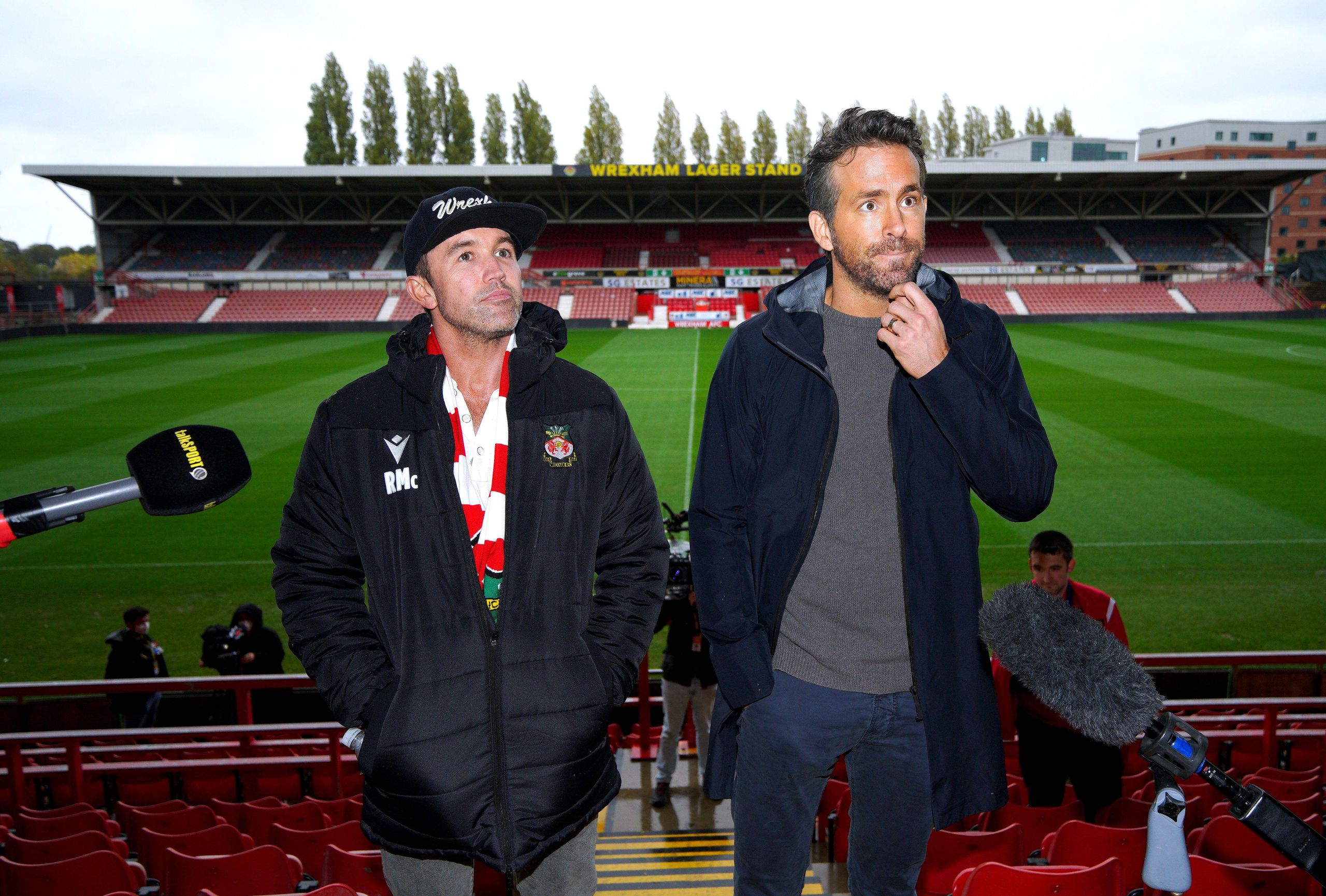
The final day of the EFL season is rarely about football. It is about risk management. Managers who spend 45 games demanding high-intensity pressing suddenly drop their defensive blocks ten yards deeper. Wrexham's agonizing 2-2 draw against Middlesbrough is the perfect exhibit of this tactical paralysis.
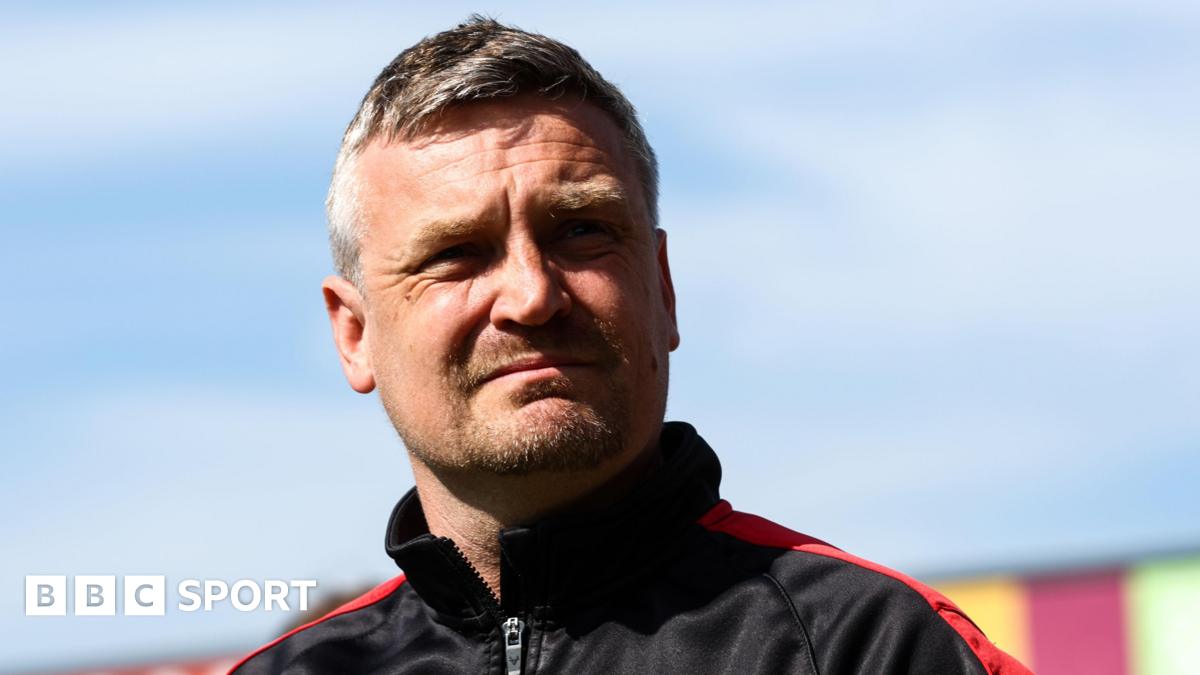
Wrexham needed a win to secure their playoff spot. Instead, they walked into a structural trap set by Michael Carrick. A draw at the Racecourse Ground means their heavily publicized momentum hits a brick wall. The issue was entirely structural.
Phil Parkinson's side opted for a low-risk, direct approach in the opening 20 minutes. They bypassed their own midfield entirely. This is the classic final-day disease. Fear dictates the passing angles, and the ball is launched rather than progressed.
When a center-back is terrified of losing possession in the defensive third, they stop looking for the pivot. They hit the channels. Middlesbrough anticipated this perfectly. They stationed their full-backs extremely high, effectively cutting off the wide outlets before the ball even arrived.
Every time Wrexham cleared the ball, it came straight back. You cannot survive 90 minutes of sustained pressure without a mechanism to retain possession. The Wrexham midfield was completely empty, leaving their defenders exposed to relentless waves of attack.
Carrick's structural trap
Let's examine how Middlesbrough dismantled Wrexham's shape. Carrick deployed a fluid 4-2-3-1 that morphed into a 3-2-5 in possession. The right-back tucked inside to form a back three during the build-up phase.
This subtle shift allowed the left-back to bomb forward and pin Wrexham's right wing-back deep into his own penalty area. By creating a back three, Middlesbrough always maintained a numerical advantage against Wrexham's front two. They circulated the ball effortlessly.
The Wrexham strikers chased shadows for the entire first half. When they finally tried to adjust by pushing a midfielder higher to press the third center-back, they left a massive hole in the center of the pitch. Middlesbrough's attacking midfielder simply dropped into that exact pocket.
It was a tactical clinic. Carrick understood that Wrexham's desperation would eventually force them to break their defensive shape. He simply set the trap and waited for them to jump. Desperation is the enemy of defensive structure.
The paralysis of permutations
This paralysis is not just a Wrexham problem. It infects the entire football pyramid when the pressure peaks. As Sky Sports outlined in their permutations guide, the sheer volume of mathematical possibilities destroys decision-making on the touchline.
Managers receive live updates from the bench. The message filters down to the pitch: a draw is suddenly enough. That single phrase shatters tactical cohesion. Players stop making overlapping runs. The entire attacking structure becomes rigid and fearful.
The spacing completely changes. Wingers stop attacking the byline. They start turning back and playing safe, negative passes to the full-backs. The pitch shrinks visually and practically. Teams retreat into their own penalty areas hoping the clock runs out.
League Two's brutal reality
In League Two, we saw the ultimate consequences of this defensive retreat. Harrogate and Barrow are dropping into non-league football. Their survival bids collapsed under the weight of terrible transition defending and negative setups.
Barrow's demise is particularly frustrating to watch. They spent the last month playing a deep 5-4-1 block, hoping to grind out goalless draws. It worked until the margin for error vanished. When you invite that much pressure, a single deflection ruins an entire season's work.
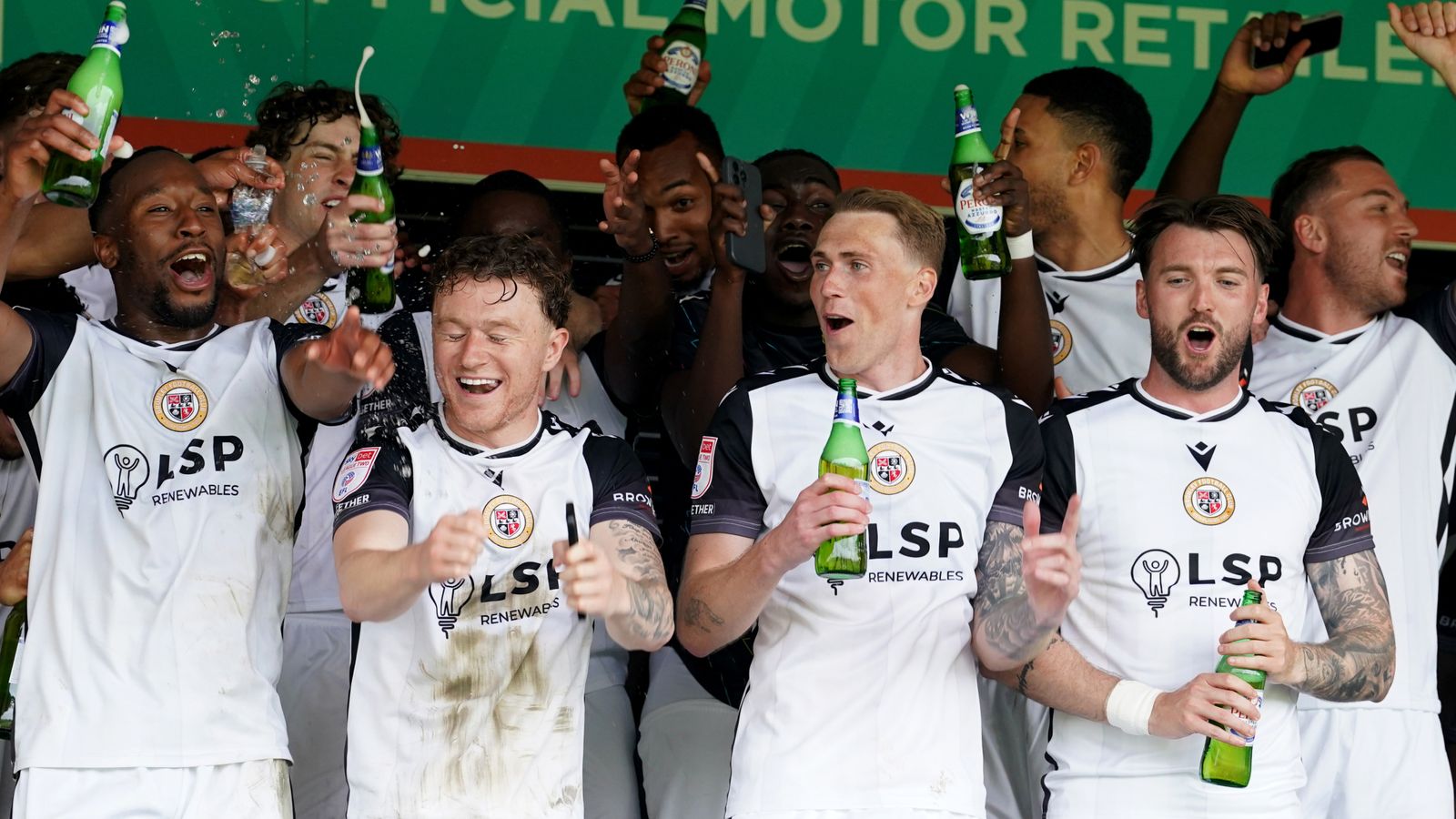
Bromley sealed the League Two title by doing the exact opposite. They maintained their aggressive counter-pressing system regardless of the occasion or the opposition. They refused to drop deep.
They pushed their defensive line to the halfway line and squeezed the space. When you compress the pitch like that, you force the opponent to make split-second decisions. Most League Two midfields simply cannot handle that level of forced intensity.
Bromley ignored the context of the match and focused entirely on the execution of their tactical principles. They won the title because they refused to let fear dictate their formation.
Surviving the final hours
Now, all eyes turn to the remaining Championship fixtures. There is still a promotion spot and a playoff place up for grabs. Every game is live, as the EFL broadcasts everything simultaneously to maximize the tension.
The teams chasing that final playoff spot will face a brutal psychological test. Do you commit men forward and risk being countered, or do you sit deep and pray the teams above you drop points elsewhere?
The defining phase of these matches will be the period between the 60th and 75th minute. This is when the initial adrenaline fades. Legs get heavy. The grim reality of the live league table sets in.
We will see massive spaces open up between the midfield and the defensive lines. Teams chasing a goal will inevitably throw on an extra striker, sacrificing their midfield control. This is almost always a terrible strategy.
Removing a central midfielder to add a forward doesn't create more scoring chances. It isolates the forwards even more. You lose the ability to build through the thirds, forcing the team into predictable, easily defended long balls.
Possession as self-defense
Consider the mechanics of a late pressing trap when a team desperately needs a goal. The instinctive reaction is to push every single player forward into the opposition half. You see center-backs standing on the center circle, waving their arms, demanding the ball be launched.
This completely ruins the pressing structure. Effective high pressing requires vertical compactness. If you push your forwards up to the edge of the penalty box but your center-backs stay on the halfway line, you have created a 40-yard void in the middle of the pitch.
Any clearance from the defending team will land perfectly in that massive pocket of space. The attacking team loses the second ball entirely. The opponent counters easily. We saw this exact scenario play out with Harrogate in their desperate final moments. They committed bodies without maintaining distance control.
The correct tactical adjustment is counter-intuitive. You maintain your standard block, but you increase the aggression of your wide pressing triggers. You force the opponent to play the ball to the touchline, and only then do you collapse your trap.
By forcing the ball wide rather than just launching bodies forward, you use the touchline as an extra defender. This is the difference between an emotional press and an organized one. Middlesbrough executed this flawlessly when Wrexham tried to chase the game late on.
The final verdict
The contrast between Wrexham's failure and Bromley's success is the defining tactical lesson of this weekend. One team abandoned its midfield principles out of fear of losing. The other team reinforced its pressing structures with absolute conviction.
Football is fundamentally a game of space and time. The final day warps both of those elements. Time feels much shorter. The space feels suffocatingly tight. Only the most disciplined, structurally sound teams survive the distortion.
Look for the substitutions this afternoon. Managers who panic will make triple changes at the hour mark. They will completely disrupt their own defensive spacing in a desperate search for momentum.
A forced substitution often leads to a communication breakdown in the defensive chain. A winger tracks the wrong run. A full-back steps up half a second too late. That fractional delay is all it takes to concede a goal and ruin a season.
We saw this happen repeatedly across the League One playoff race this afternoon. Teams threw away leads because they lost their defensive shape in transition. The overwhelming desire to protect a lead actually creates the tactical environment to lose it.
My prediction for the remaining Championship fixtures is straightforward. The teams relying on low blocks and deep defending will fail. The pressure from the stands and the opposition is too sustained. A catastrophic defensive error is statistically inevitable over 90 minutes.
The final playoff spot will go to the team that treats this afternoon like a meaningless pre-season friendly. Cold, detached, and entirely focused on executing their passing patterns. Emotional football is losing football. Let the fans feel the drama. The players must remain entirely numb to it.
Read Next
- Wrexham's Hollywood script just hit a rewrite after that playoff disaster
- Tactical paralysis will define the EFL final day
- Wrexham will break Bolton's hearts on a chaotic EFL final day
- Sheffield Wednesday finally escapes the Chansiri era as Wrexham regroup
- 🏟 EFL Championship 2025-26 — Promotion Race & Play-Off Final Hub
- ⚽ EFL League Two 2025-26 — Promotion Race & Play-Off Final Hub