
American legislative realities are silencing the World Cup atmosphere
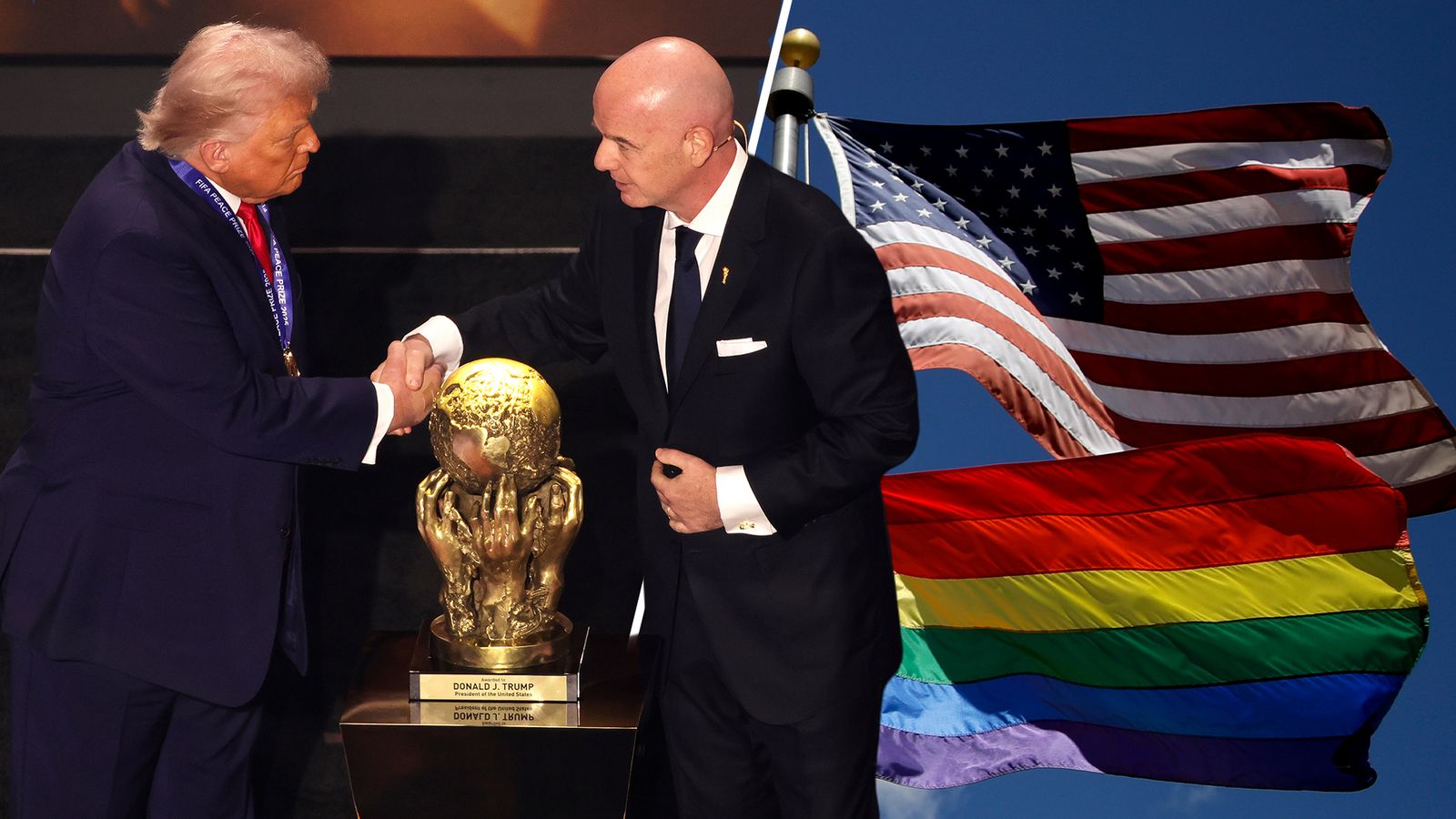
The quiet stands of 2026
With seven days remaining until the tournament kickoff, the discourse surrounding the 2026 World Cup has stalled. While broadcasters focus on the projected economic impact, a glaring void remains in the stands. The decision by prominent LGBTQ fan groups to boycott matches in the United States highlights a fundamental disconnect between FIFA's global stage and the domestic legal climate.
As reported by Sky Sports, this is not a random protest. It is a direct response to state-level legislation that has fundamentally altered the travel conditions for marginalized supporters. When the world descends upon North America on June 11, the atmosphere in host cities will inevitably feel manufactured, missing the diversity that usually defines the biennial carnival of football.
The commercial drift versus the human toll
The timing of this boycott coincides with a broader commercialization of the international game. Sponsors are rushing to flood the market, and as Mirror Football noted, even the retail cycle of England’s kit has become a point of contention rather than a celebration of the sport. We are looking at a tournament where jerseys shift in price faster than tactics evolve on the pitch.
Calvin Miller recently made his own transition to Hearts, a move that requires a massive leap in technical proficiency to survive in a league with tight margins. Similar to Miller’s need to adapt to the Premiership, FIFA needed to demonstrate an internal capacity for change to ensure a safe environment for all match-going fans. Instead, the governance appears frozen, prioritizing geographical expansion over the protection of its primary asset: the community.
Tactical silence in the host cities
Looking at the match schedule, the geography of the tournament creates a paradox. High-profile fixtures are anchored in regions where local laws are increasingly hostile to the very groups advocating for safety. If an organization like FIFA claims to represent the universal language of the sport, failing to secure guarantees of safe passage for specific demographics is a tactical error of the highest order.
Host committees and governing bodies have often leaned on the promise of on-field excellence as a distraction from off-field failures. Yet, the quality of play cannot compensate for the absence of sections of the global fanbase. When the whistle blows in the opening match on June 11, the game will be judged by its outcome, but the tournament’s legacy will be defined by who was kept away from the gates.
The bottom line on the 2026 optics
The financial projections for this tournament are staggering, but the social cost is proving equally significant. We are seeing a 3-year contract for someone like Miller move the needle for Hearts, while national bodies face a stalemate regarding human rights and accessibility. Accountability remains absent.
Whether FIFA can reconcile its commercial ambitions with the reality of international travel for minority groups remains unaddressed by the current leadership. Without that reconciliation, the 2026 World Cup risks becoming a tournament of empty rhetoric and sterilized zones. The beautiful game struggles when it is cordoned off from the reality of the people expected to fill the seats.
Read Next
Adidas Unisex-Adult Tiro 23 League Training Jersey
Look sharp, stay cool, and own the pitch just like your favorite Premier League
Frequently Asked Questions
Why are LGBTQ fan groups boycotting the 2026 World Cup?
When does the 2026 World Cup begin?
How do local laws affect the atmosphere of the 2026 World Cup?
What is the primary criticism of FIFA regarding the 2026 tournament?
What is the anticipated legacy of the 2026 World Cup?
More Coverage
FIFA is gambling with a half-empty 2026 World Cup
56 minutes ago
World Cup 2026 prep is already a chaotic disaster for fans
an hour ago
Argentina's 10,500-mile odyssey is the ultimate qualification test
2 hours ago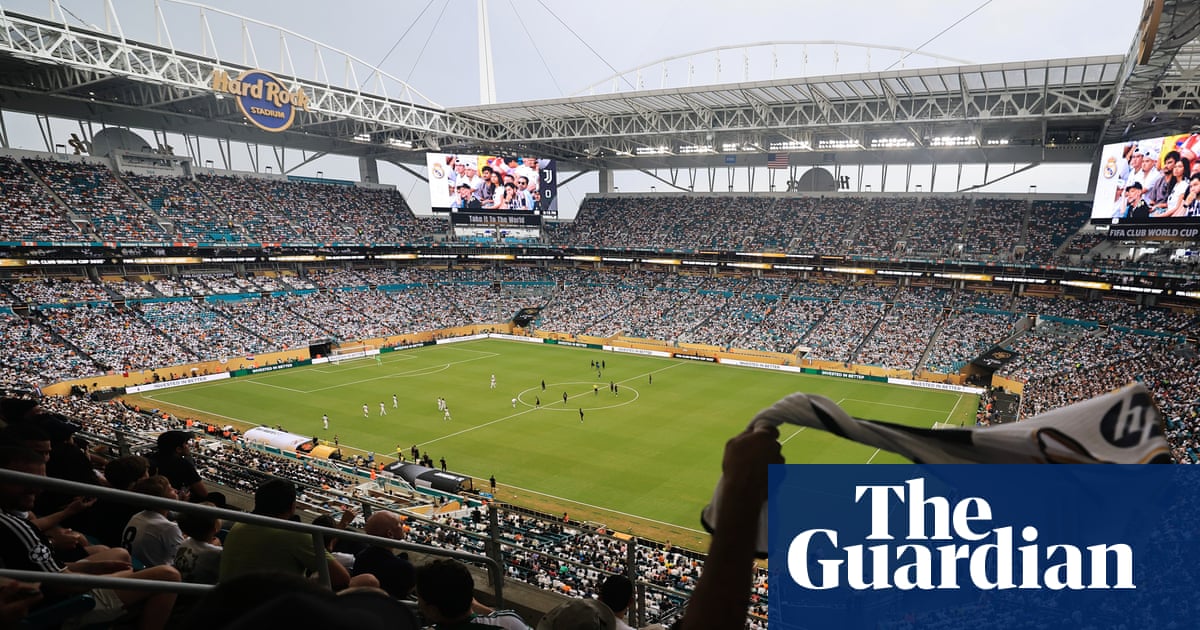
FIFA’s reusable bottle ban is a disaster for World Cup fans
3 hours ago
FIFA's hydration hypocrisy is a tactical blunder for the 2026 World Cup
5 hours ago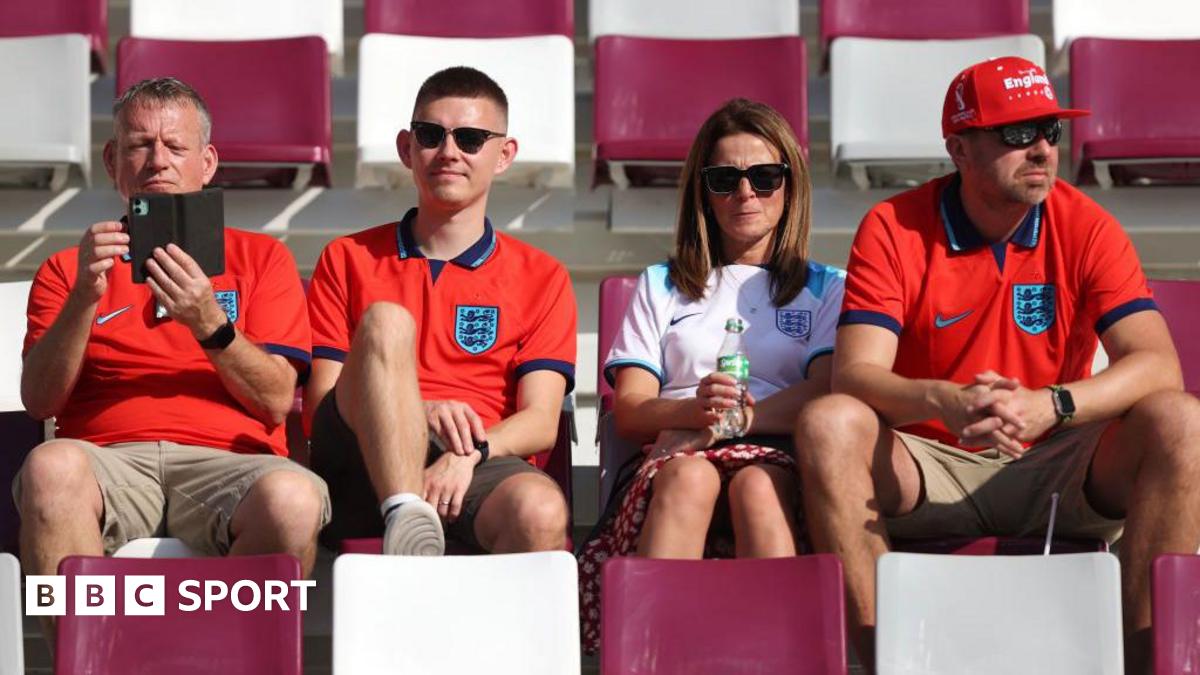
FIFA is jeopardizing fan safety for a logistical headache
6 hours agoMore Analysis
FIFA's hydration hypocrisy is a tactical blunder for the 2026 World Cup
5 hours ago
World Cup 2026 prep is already a chaotic disaster for fans
an hour ago
The 2026 World Cup 'unity' pitch is falling apart weeks before kickoff
1 month, 1 week ago
World Cup 2026 is shaping up to be a logistical nightmare for fans
1 month, 3 weeks ago
Amnesty’s warning casts a dark shadow over the 2026 World Cup
2 months ago