The demand question looming over Mexico, Canada, and the US
We are exactly seven days away from matchday one. History dictates that the World Cup should be an impenetrable sell-out, a global frenzy where tickets are harder to find than a tactical clean sheet. Instead, we are staring at a jagged secondary market and a bizarre lack of public clarity.
As the BBC recently highlighted, the pricing strategy has been erratic. Fans are seeing prices dip as the kickoff date looms, suggesting that the initial tiering failed to account for local disposable income or the sheer logistical nightmare of traveling across a continent for quarter-finals.
The danger of inflated expectations
FIFA operates on the assumption that this tournament is an infinite resource. By expanding to 48 teams, they have diluted the quality of the group stages in favor of revenue volume. When you add high-priced tickets to lower-tier matchups, the math stops working for the average supporter.
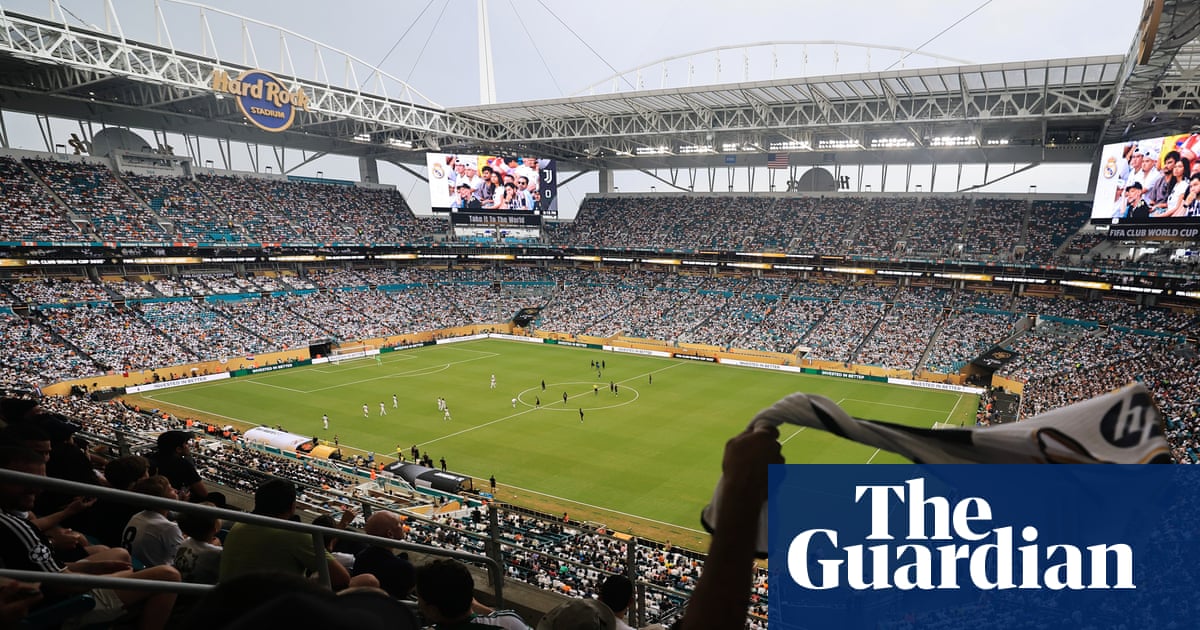
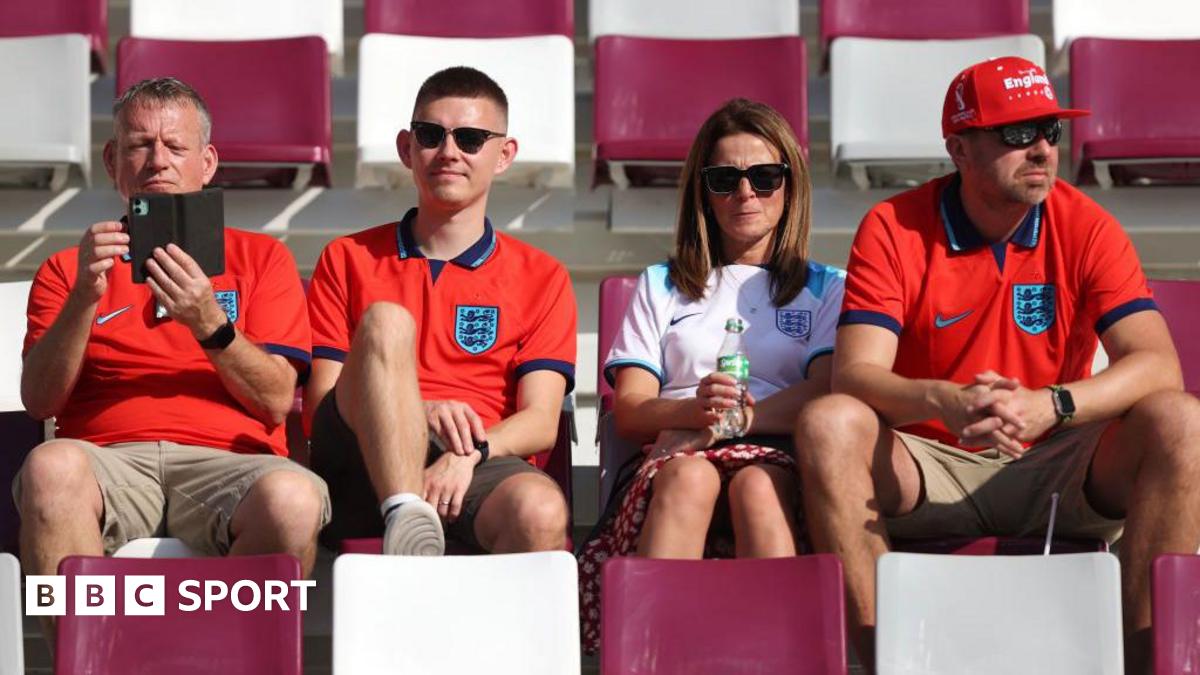
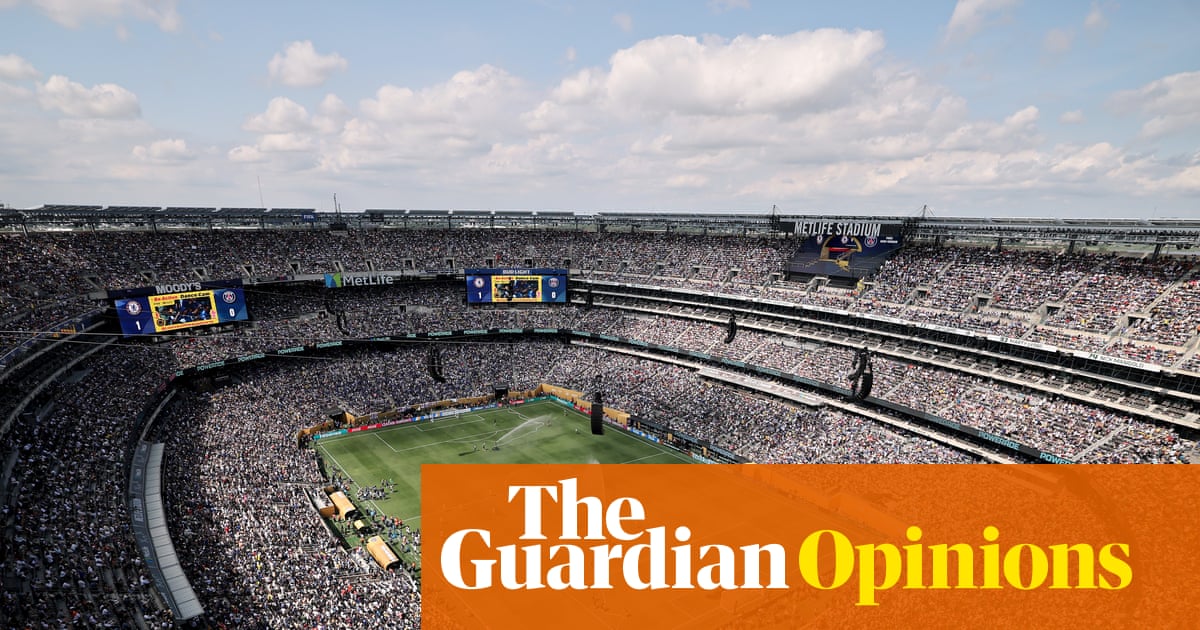
Empty seats at a venue like Levi's Stadium or MetLife aren't just a PR headache—they are a failure of accessibility. If the die-hards are priced out, you end up with corporate blocks and neutral spectators who create the atmosphere of a preseason exhibition. That is the antithesis of what this tournament claims to be.
Tactical stagnation in the front office
The organizing body has been notoriously tight-lipped about the actual percentage of tickets held by hospitality partners versus the general allocation. This lack of transparency feeds the secondary market volatility mentioned by observers. Arbitrage traders are currently holding inventory that legitimate fans simply cannot justify.
The risk is not that the stadiums fail to open, but that they fail to vibrate. A stadium filled with 70,000 people who are checking their phones instead of watching the pitch is a disaster for the televised product. The visual of a quiet corner in a massive American bowl will be unforgiving.
The outlook for next week
Expect a scramble for late-stage inventory as FIFA inevitably releases blocks of tickets meant for partners who didn't take them up. This will cause a localized market crash and drive prices down even further for those willing to wait until 48 hours before kickoff.
My prediction: We will see significant empty pockets during the mid-tier group stage matches involving non-marquee nations. FIFA will try to mask this with aggressive camera angles. The real tournament won't truly feel alive until the round of 16, when the desperation of knockout football forces the fans to show up regardless of the price point. 12% is my estimate for the total unsold or ghost-attended ticket inventory across all group stage fixtures.
Read Next