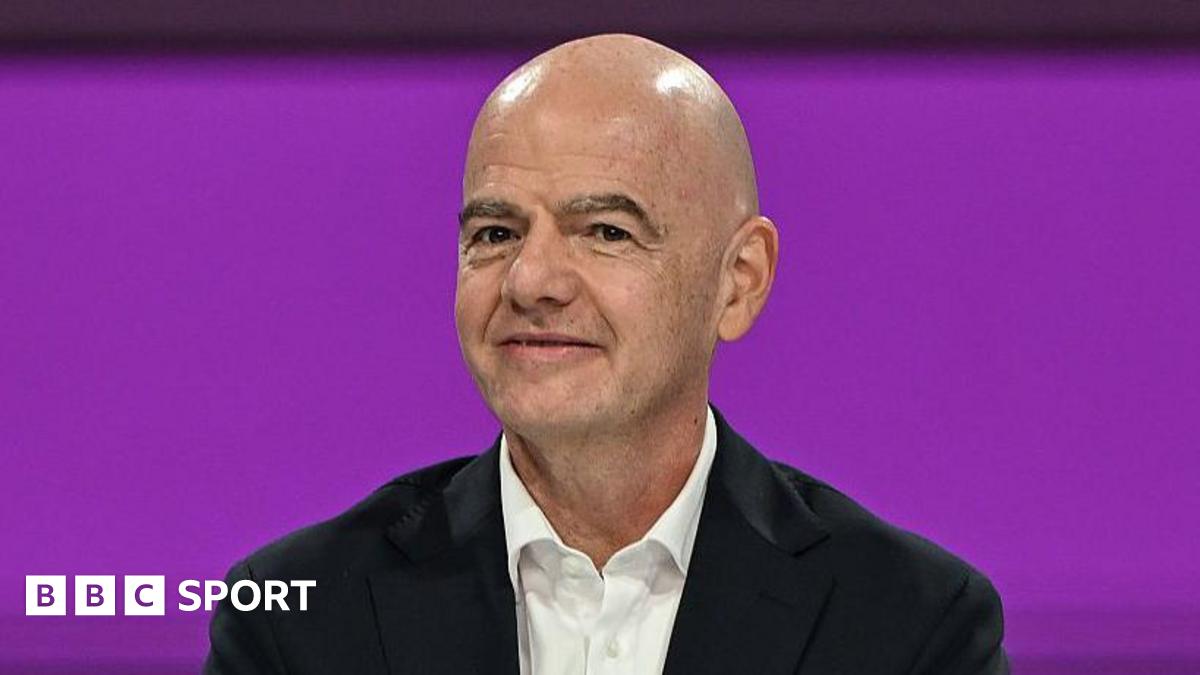
Amnesty’s warning casts a dark shadow over the 2026 World Cup
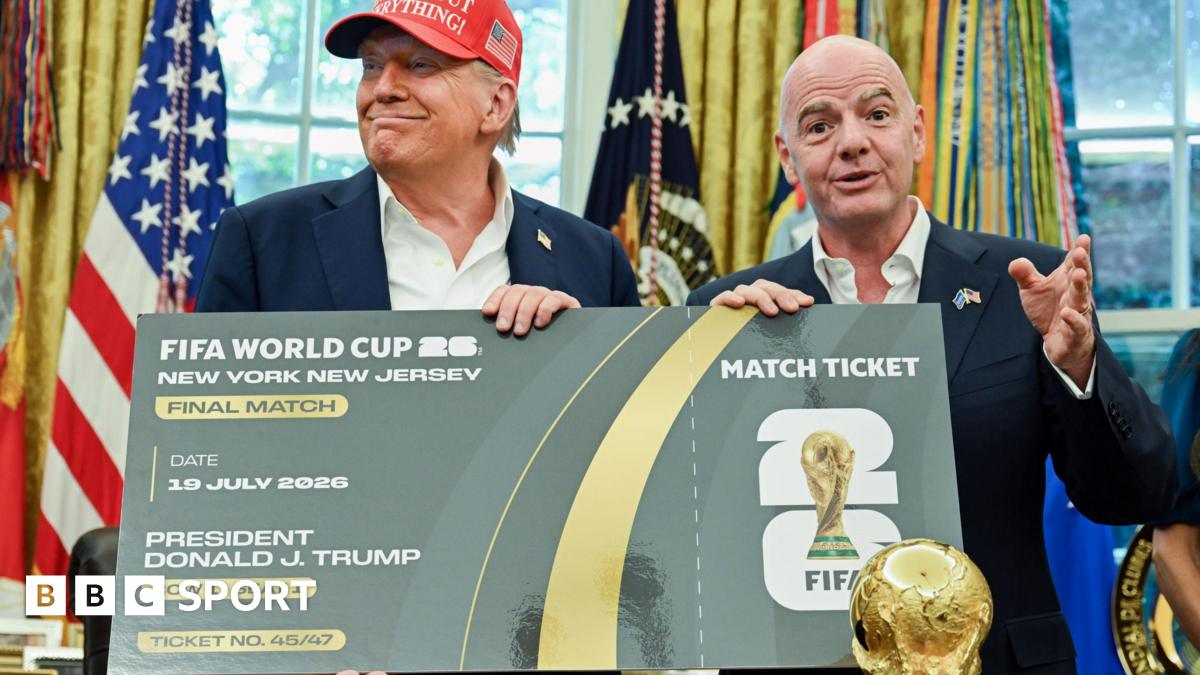
The human cost behind the spectacle
FIFA has a long history of choosing venues that invite scrutiny, but the 2026 World Cup feels different. With the tournament kickoff set for June 11, 2026, the focus is shifting away from typical pre-tournament excitement toward the ethics of the host nations. A recent report from Amnesty International claims the event risks becoming a stage for authoritarian practices rather than a celebration of sport.
This is not merely a critique of logistics or stadium infrastructure. The report highlights deep-seated anxieties regarding how the host nations might suppress dissent or utilize the global spotlight to sanitize their images. As reported by the BBC, these concerns suggest that the football itself risks being subservient to geopolitical agendas. Fans expecting 90 minutes of theater are instead confronted with a grim reality.
Football cannot exist in a vacuum
For players and analysts tracking the march toward the opening whistle on June 11, the tension is palpable. The administrative failures of past tournaments are well-documented, but the scale of the 2026 competition introduces exponential risk. If human rights groups identify a clear trajectory toward repression, the footballing community can no longer hide behind the guise of neutrality.
We approach the final stages of the domestic season with the Champions League quarter-finals looming on April 07, 2026, yet the conversation about the summer remains incomplete. When the ball rolls in June, the gaze of the world will be on North America. If the tournament fails to uphold the values it claims to promote, the damage to FIFA’s reputation will be irreversible.
The skepticism directed at this tournament is well-earned. When organizations like Amnesty identify specific patterns of authoritarian behavior, they are not talking about tactical failures or poor refereeing. They are flagging a fundamental moral breakdown that precedes the first kick-off. Ignoring these warnings in favor of ticket sales and broadcast revenue is a short-sighted strategy that undermines the sport's integrity.
The contrast between the beauty of the game and the nature of its hosts is growing sharper every day. Whether we look at the tactical shifts in the Premier League or the broader political implications of hosting, the sport is being tested. Expecting fans to ignore the context is a losing battle for the governing bodies. By May 28, 2026, when the Champions League final concludes and the focus shifts entirely to the World Cup, the discourse will likely be far more toxic than FIFA’s marketing department ever intended.
Read Next
Frequently Asked Questions
When does the 2026 World Cup tournament begin?
What are Amnesty International's main concerns regarding the 2026 World Cup?
Why does Amnesty International believe this tournament is different from previous events?
How might geopolitical agendas affect the 2026 World Cup?
When will the focus shift completely from club football to the World Cup?
More Coverage

Ella Toone is the most realistic window into the modern footballer's life
3 hours ago
Top 10: Defining Moments Shaping the 2026 Season
18 hours agoThe World Cup knockout stage isn't for the faint of heart
1 day, 6 hours agoThe World Cup knockout stage is already a logistical nightmare
1 day, 6 hours agoThe World Cup knockout stage is a tactical disaster waiting to happen
1 day, 6 hours agoThe USMNT isn't ready for the absolute circus of the 2026 World Cup
1 day, 6 hours agoMore Analysis
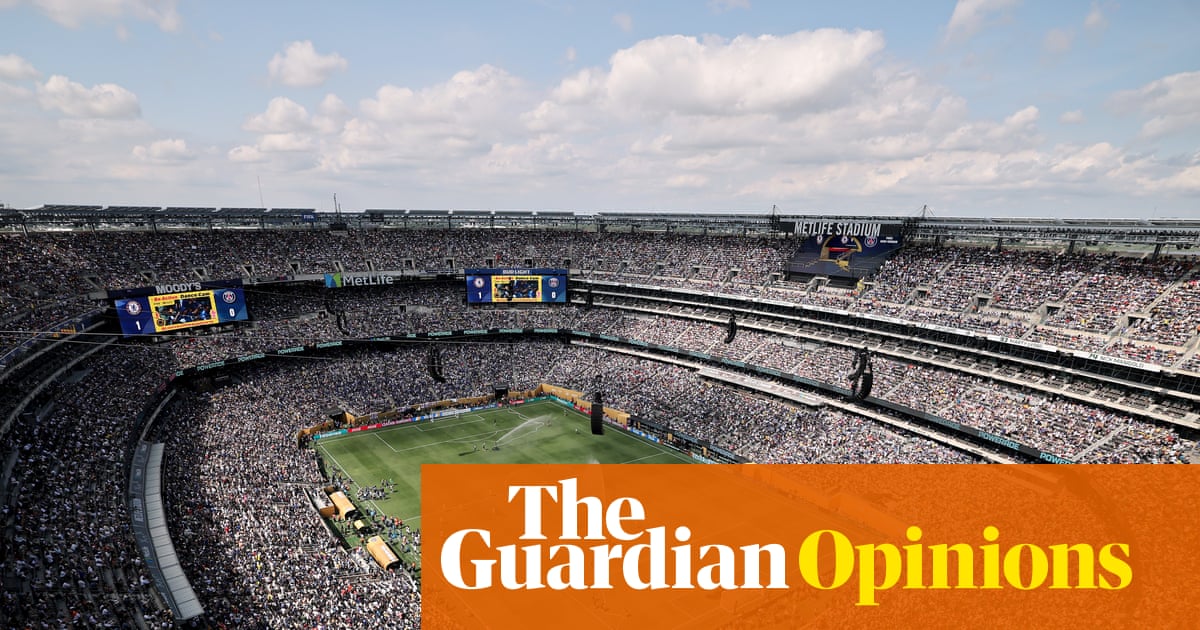
The 2026 World Cup 'unity' pitch is falling apart weeks before kickoff
1 month ago
Infantino is missing the point on World Cup prices
3 weeks, 1 day ago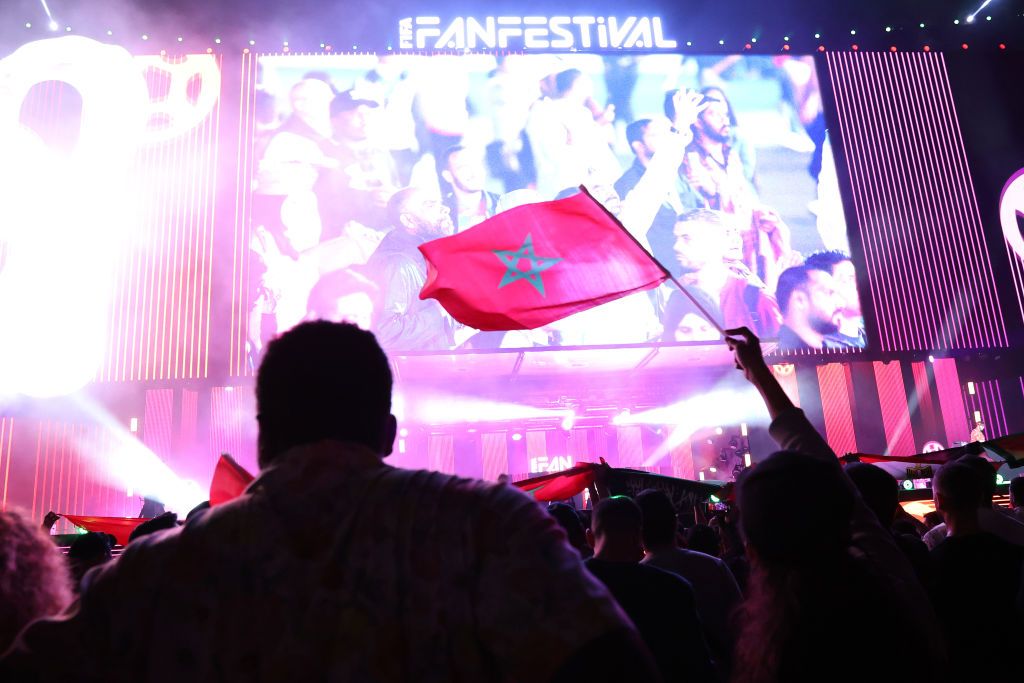
FIFA is already sleepwalking into a World Cup disaster
1 month, 1 week agoStade Azteca or bust: Why the 2026 World Cup opener is already a mess
1 day, 6 hours ago