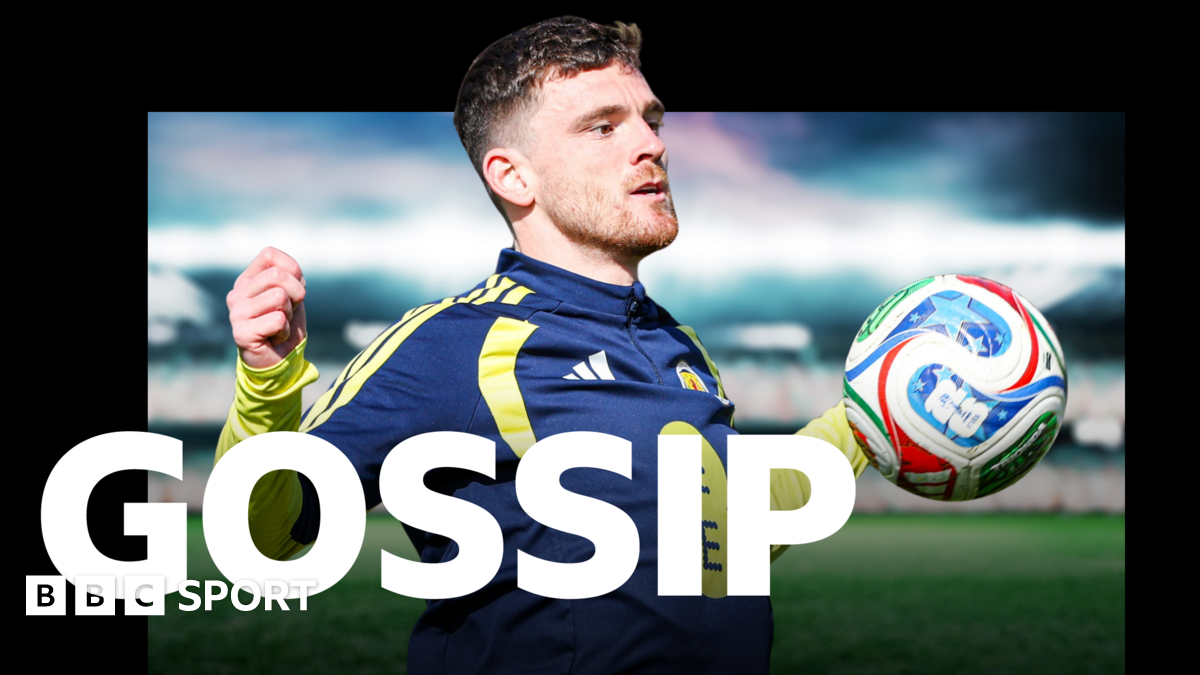
The Countdown Begins
The clock is ticking for Andy Robertson. With the 2026 FIFA World Cup now just 75 days away, the Scotland captain is staring down a massive career crossroads. He wants clarity, and he wants it soon.
The BBC reported today that Robertson plans to resolve his club future before the tournament kicks off in North America. The timeline makes perfect sense. Nobody wants to carry the mental baggage of an unresolved contract negotiation into the biggest sporting event on the planet.
For Robertson, a player who relies entirely on unburdened, high-intensity output, clarity is a baseline requirement. Uncertainty creates hesitation. Hesitation on a football pitch is fatal.
The Salah Factor
The Scottish international is actively weighing his next steps while simultaneously acknowledging the massive elephant in the room. Mohamed Salah.
Robertson openly discussed his teammate's uncertain future, highlighting the deeply interconnected nature of the Liverpool dressing room. Salah and Robertson are the last remaining foundational pillars of the Jurgen Klopp era. They arrived at Anfield within months of each other and won everything together.
If Salah departs, the leadership vacuum at the club becomes a gaping hole. Virgil van Dijk cannot shoulder the entire cultural burden alone. Robertson’s exit would strip the locker room of its vocal heartbeat right in the middle of Arne Slot's difficult transition period.
But we need to be ruthlessly honest about Robertson's current trajectory. The 32-year-old is simply no longer the tireless machine he was five years ago.
Physical Decline and Tactical Shifts
The explosive recovery pace that defined his defensive game has visibly waned over the last eighteen months. He gets caught high up the pitch far more frequently. The recovery sprints look incredibly heavy. The modern Premier League is an unforgiving environment, and elite wingers isolate him with alarming success.
When facing explosive wide players like Bukayo Saka or Jeremy Doku, the physical mismatch is glaring. Robertson used to dominate those one-on-one battles purely through sheer tenacity and foot speed. Now, he frequently requires double-teams from his left-sided center-back or holding midfielder. That structural shift compromises Liverpool's defensive solidity across the entire backline.
Arne Slot's system demands a different type of tactical discipline. While Klopp used Robertson as a relentless auxiliary winger, Slot prefers a more controlled, inverted buildup. Robertson has adapted his game, but it often looks like a forced marriage rather than a natural tactical fit.
His crossing remains elite. His delivery from the left channel is still a premier weapon. But the defensive transition is where the cracks are showing. When the ball turns over, Liverpool's left flank looks incredibly vulnerable.
Look at Kostas Tsimikas. For years, the Greek international has been the designated understudy. But whenever he is handed the keys for an extended run, the defensive results are wildly inconsistent.
Tsimikas can deliver a spectacular corner, but his defensive positioning often leaves the center-backs completely exposed. Liverpool's ongoing hesitation to fully hand the reins to Tsimikas speaks volumes. If they trusted him as the undisputed starter, Robertson's future would have been quietly wrapped up months ago.
The Burden of the Captaincy
This brings us back to the strict pre-World Cup deadline. Resolving this before June is a vital protective measure for Steve Clarke and the Scottish national team. If Scotland is going to survive the group stages of this expanded 48-team format, they need their captain completely dialed in.
The USA-Canada-Mexico tournament will be physically grueling. The travel schedule across three massive countries will test the absolute limits of every squad. Robertson knows he cannot afford to be fielding calls from agents in a hotel room between matches in Houston and Seattle.
Scotland's tactical setup under Clarke is practically built around Robertson's engine. They utilize a rugged back three, granting Robertson the absolute freedom to bomb down the left flank as a true wing-back. If his club situation remains in limbo, the mental taxation will undoubtedly bleed into his physical output on the pitch. You cannot play with absolute freedom when your professional future is a massive question mark.
The national team relies on him for far more than width. He sets the entire emotional tone. When Robertson flies into a tackle in the opening five minutes, the rest of the team follows. That manufactured aggression is Scotland's great equalizer against technically superior opposition.
A Shifting Hierarchy
The BBC report also touches on a broader power shift in British football, noting a former Rangers manager weighing in on a contentious sporting director decision. While the details of that specific boardroom drama remain murky, it highlights a definitive trend affecting players like Robertson.
The Rangers situation serves as a perfect parallel. It showcases the friction that occurs when traditional football men clash with modern data-driven directors. We are seeing a complete overhaul of how British clubs operate. The men in suits making the final call on Robertson will look at his birth certificate and sprint data long before they look at his Champions League medal.
The power dynamic has entirely shifted away from traditional managers. Sporting directors now hold the keys to the kingdom. They dictate the recruitment philosophy, the strict wage structures, and ultimately, the lifespan of aging veterans at top clubs.
Liverpool's new sporting hierarchy has a cold, calculated decision to make. Do they reward the legacy, or do they look strictly at the data? The underlying metrics likely show a sharp decline in high-intensity sprints. The eye test absolutely confirms it.
Fans will inevitably let emotion drive their opinion on the matter. They remember the famous pressing sequences against Manchester City. They remember the pinpoint crosses to Roberto Firmino. They want the fairytale ending.
But elite football does not care about what a player did in 2019. It only cares about what they can physically produce next Saturday. Robertson understands this brutal reality better than anyone. It is exactly why he is forcing the issue right now.
The Final Verdict
Taking control of the narrative is a classic veteran move. By setting a hard deadline, he puts the pressure directly back on the decision-makers. It is a direct challenge to the front office. Commit to me, or let me move on my own terms.
This summer is going to be an absolute bloodbath in the transfer market. The expanded Club World Cup and the international fixtures mean players have almost zero offseason. Squad depth is going to be tested like never before in the history of the sport.
If Liverpool lets Robertson walk, they immediately have to enter an inflated market for a starting left-back. Finding a player with his specific blend of elite delivery and massive big-game experience is nearly impossible. They would likely have to overpay significantly.
Selling clubs would know Liverpool is desperate. That is the exact advantage Robertson holds in these negotiations, even with his declining physical attributes.
The Mo Salah situation only amplifies this advantage. If Liverpool is already losing elite attacking production from the right side, they cannot afford to simultaneously destabilize the left side of the defense. It is a precarious balancing act for a club trying to find a new identity.
The Tartan Army will be watching the situation closely. They expect their captain to lead them into a historic tournament with a clear mind and zero club distractions.
Every single Premier League match between now and the end of May is an audition. He is not just playing for a new contract. He is playing to dictate his own ending. We will know the answer soon enough. The deadline is set, and the countdown is officially on.
Read Next
- Andy Robertson's World Cup deadline puts Liverpool in a corner
- Gary Neville just dismantled the biggest conspiracy theory about Mo Salah
- Andy Robertson's looming exit casts a shadow over Liverpool's run-in
- Andy Robertson is leaning on Scotland to fuel his Liverpool run-in
- 🏆 World Cup 2026 — Full Coverage Hub
- 🇪🇬 Egypt World Cup 2026 — Salah's Last Dance
- 🏴 Scotland World Cup 2026 — Tartan Army Hub