Another Old Firm Review: A Band-Aid on a Structural Wound?
The Endless Cycle of Old Firm 'Disorder'
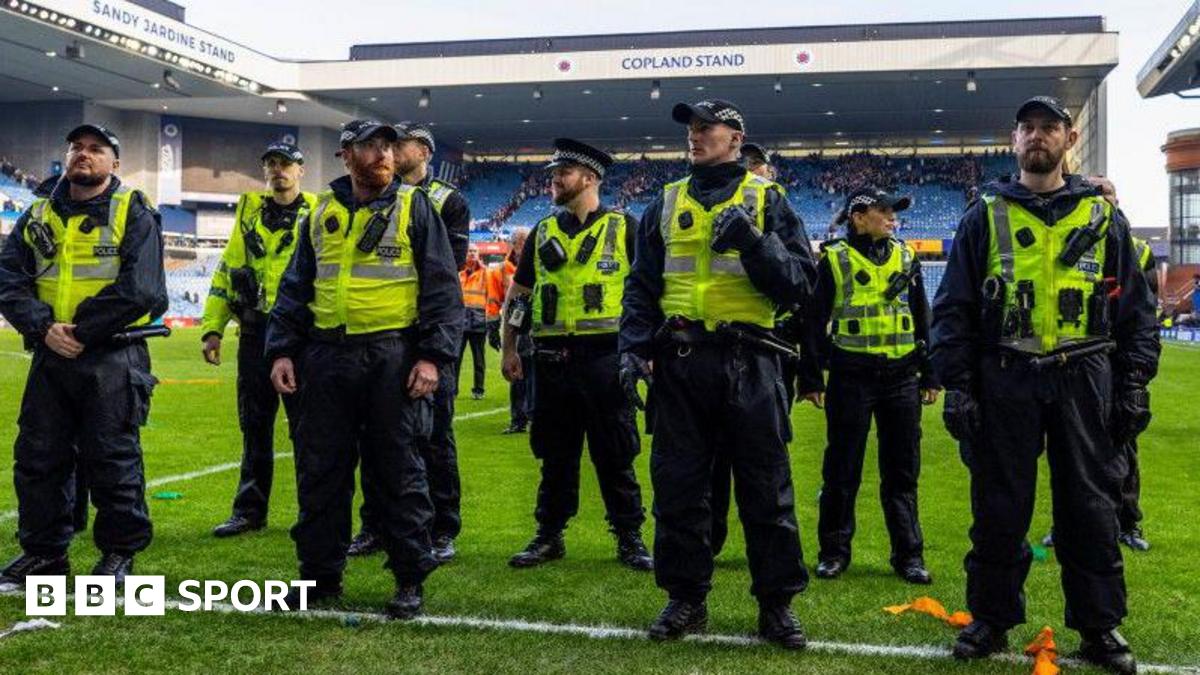
The headline itself has become a grim, predictable annual fixture in Scottish football: a consultant leading a review into Old Firm cup disorder. This week, as Sky Sports reported, another expert has been parachuted in, tasked with dissecting the latest iteration of unrest surrounding one of Europe's most incendiary fixtures. The Old Firm derby between Celtic and Rangers is not merely a football match; it is a cultural flashpoint, a rivalry steeped in centuries of history, identity, and tribalism. To frame its recurring issues simply as 'disorder' and delegate their analysis to a consultant risks fundamentally misunderstanding the deep-seated pathologies at play.
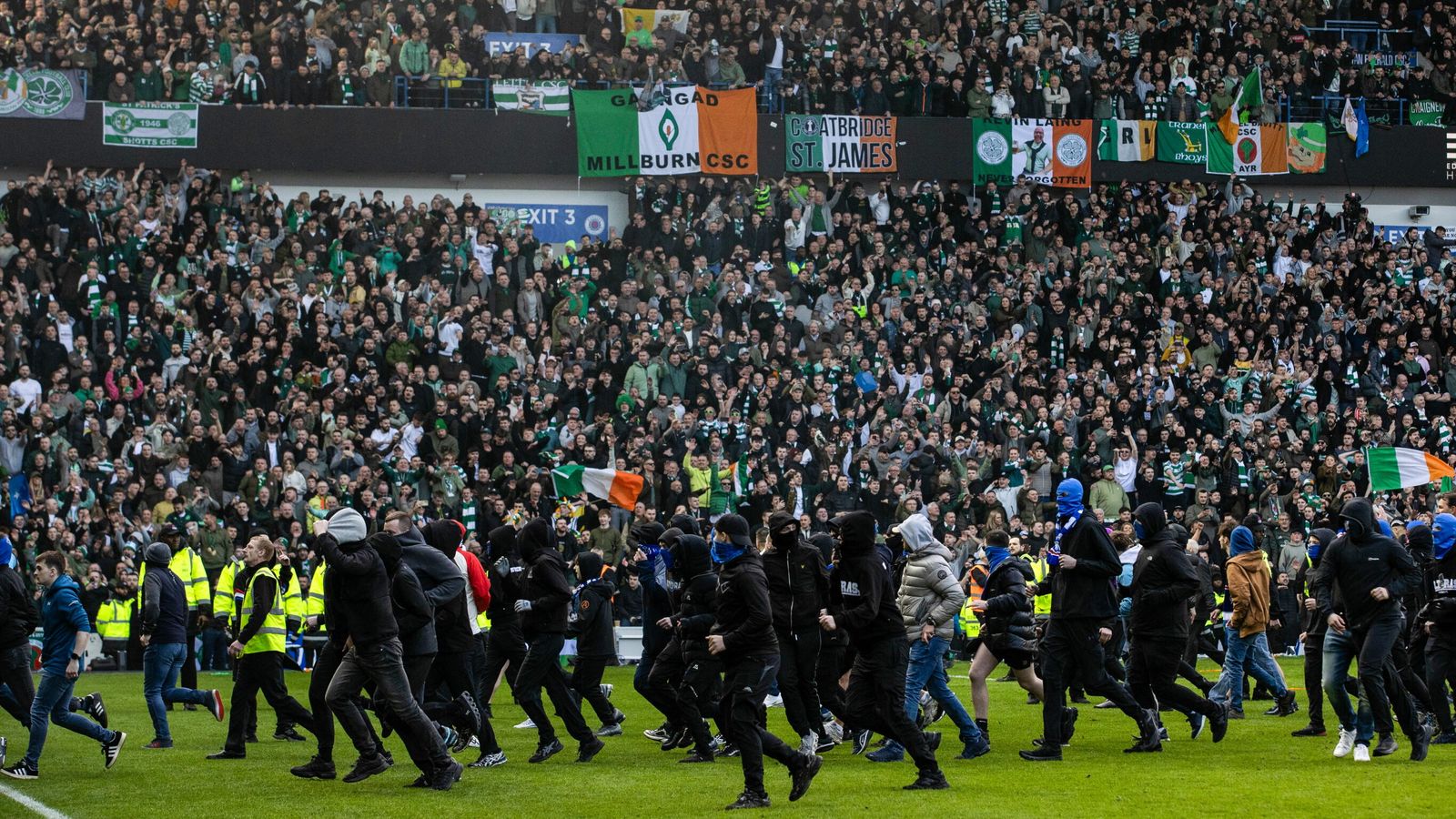
Such reviews often feel like a performative act, a concession to public outcry rather than a genuine commitment to systemic change. How many times must the same ground be covered, the same recommendations tabled, before the authorities admit that the problem extends far beyond the perimeter of the pitch or the capacity of a single stadium’s security contingent? The issues manifesting in cup ties – whether it's crowd segregation failures, pyrotechnic use, pitch invasions, or sectarian chanting – are symptoms of a larger, persistent malaise that no single external report, however meticulously crafted, can cure in isolation. Each incident contributes to the enduring narrative of a fixture teetering on the edge, perpetually threatening to spill over.
The Limits of Consultancy in Deep-Seated Rivalries
An external consultant brings a fresh perspective, certainly. They offer an objective eye, unburdened by the immediate emotional and political pressures that envelop Glasgow football. They can audit existing security protocols, analyze crowd flow, assess policing strategies, and suggest improvements based on international best practices. This is valuable, foundational work. However, the 'disorder' associated with the Old Firm is not a purely logistical puzzle. It is interwoven with community tensions, historical grievances, and a fan culture that, at its most extreme, actively resists externally imposed order.
The root causes of this recurrent volatility are deeply sociological. Decades of entrenched animosity, exacerbated by social media and a media ecosystem that often thrives on the drama, create a pressure cooker environment. A consultant’s remit typically involves operational efficiency and risk mitigation. It rarely extends to deconstructing generations of cultural inheritance or mediating sectarian divisions that predate organised football itself. This isn’t to say their input is without merit, but it places an unrealistic burden on their findings to provide a definitive solution to problems that defy simple technical fixes. Without addressing the cultural undercurrents, any operational improvements are merely superficial dressings over festering wounds.
Consider the logistics of managing tens of thousands of highly impassioned supporters, each convinced of their team's moral and historical superiority, and often carrying socio-political banners beyond the sporting contest. Security plans are meticulous, police presence is substantial, and bans are routinely issued. Yet, the incidents persist. This suggests that the solution is not simply a matter of tweaking stewarding numbers or refining entry points. It points to a need for a more radical re-evaluation of how this fixture is approached, perhaps even a fundamental shift in fan engagement and education strategies that transcend the 90 minutes of football.
Beyond the Pitch: A Call for Cultural Intervention
The language surrounding these events – 'disorder,' 'incidents,' 'trouble' – often frames them as isolated occurrences, anomalies in an otherwise orderly sporting landscape. This framing allows for the 'consultant review' cycle to perpetuate itself. Each review delivers its findings, a few minor adjustments are made, and the problem is pushed to the next cup tie, the next flashpoint. The truly critical observation here is the collective failure to move beyond this reactive posture. Where is the proactive, long-term strategy that acknowledges the unique, deeply ingrained nature of this rivalry?
Perhaps the focus needs to shift from punitive measures and post-incident analysis to preventative cultural interventions. This means sustained engagement with fan groups, educational programmes within communities, and a concerted effort by both clubs to actively de-escalate the sectarian and aggressive elements of the rivalry. It demands a level of civic leadership and collaboration between clubs, police, and local authorities that often appears elusive when the immediate aftermath of 'disorder' takes precedence. The current approach feels like consistently treating the symptoms of a chronic illness with painkillers, rather than confronting the underlying disease.
The impact extends beyond the immediate safety concerns. The image of Scottish football, particularly its flagship derby, is consistently tarnished. Potential sponsors, international broadcast partners, and even casual fans are put off by the recurring headlines of unrest. It detracts from the genuine sporting spectacle, overshadowing moments of brilliant play or tactical intrigue with discussions of crowd behaviour. This commercial and reputational damage alone should compel a more profound response than the commissioning of yet another report.
The Path Forward: More Than a Report
So, what should this consultant’s report truly aim for, beyond the standard operational recommendations? It should serve as a catalyst for a broader, multi-stakeholder discussion. It should force the clubs, the Scottish FA, the SPFL, and law enforcement agencies to confront the limitations of their current strategies and explore genuinely transformative approaches. This might involve:
- **Deepened Fan Dialogue:** Establishing formal, ongoing channels for communication with diverse fan groups, including those often considered 'hardcore,' to understand grievances and foster a sense of shared responsibility.
- **Educational Programmes:** Working with schools and youth organisations in Glasgow and beyond to challenge sectarianism and promote positive fan identities from a young age.
- **Joint Club Initiatives:** Collaborative campaigns between Celtic and Rangers, perhaps unprecedented in their directness, to address toxic elements of the rivalry.
- **Rethinking Matchday Experience:** Exploring innovative ways to manage matchdays that both ensure safety and respect the passion of the supporters, without inadvertently escalating tensions. This could involve different forms of fan zones or travel arrangements.
Without this wider contextual understanding and a commitment to address the social fabric within which the Old Firm operates, any consultant’s findings will, regrettably, remain confined to a shelf, awaiting the next inevitable headline about 'disorder.' The review must not be the end of the process, but the uncomfortable beginning of a far more challenging and necessary conversation.
The onus is on the stakeholders to treat this consultant’s report not as a final verdict, but as an urgent call to action. To implement changes that genuinely shift the culture, rather than simply patch over the latest rupture. The history of the Old Firm demands no less; its future depends entirely upon it. Only then can the focus return wholeheartedly to the football, rather than the perennial inquest into what went wrong off the pitch.
Read Next
- The SFA is outsourcing its backbone because it can't handle the Old Firm
- Celtic, Rangers, and Hearts face the ultimate April tactical test
- Someone is dropping points in this weekend's Premiership gauntlet
- Top 10: Defining Moments That Shaped the 2026 Football Season
- ⚽ Scottish Premiership 2025-26 — Celtic vs Rangers Hub
More Coverage

VAR consistency concerns mount as Scottish Premiership season hits final stretch
3 hours ago
Scottish football is a powder keg and the authorities are finally waking up
1 day, 5 hours ago
Curtis faces contract limbo amid Rangers injury recovery
1 day, 14 hours ago
Kasper Schmeichel calls time on career after failing to overcome shoulder injury
2 days, 7 hours ago
Lawrence Shankland's move to Rangers is the ultimate vanity project
2 days, 10 hours ago
Celtic’s transfer strategy is showing signs of panic
2 days, 14 hours agoMore Analysis
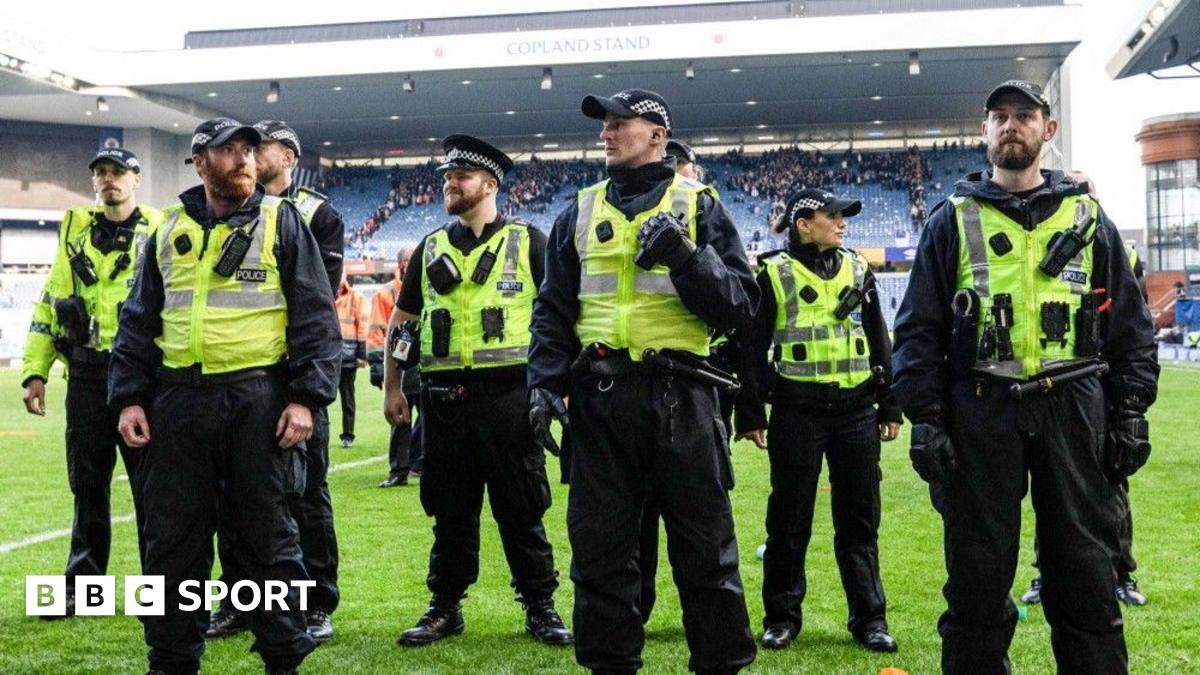
The SFA is outsourcing its backbone because it can't handle the Old Firm
1 month, 2 weeks agoOld Firm posturing is just empty grandstanding at this point
1 month ago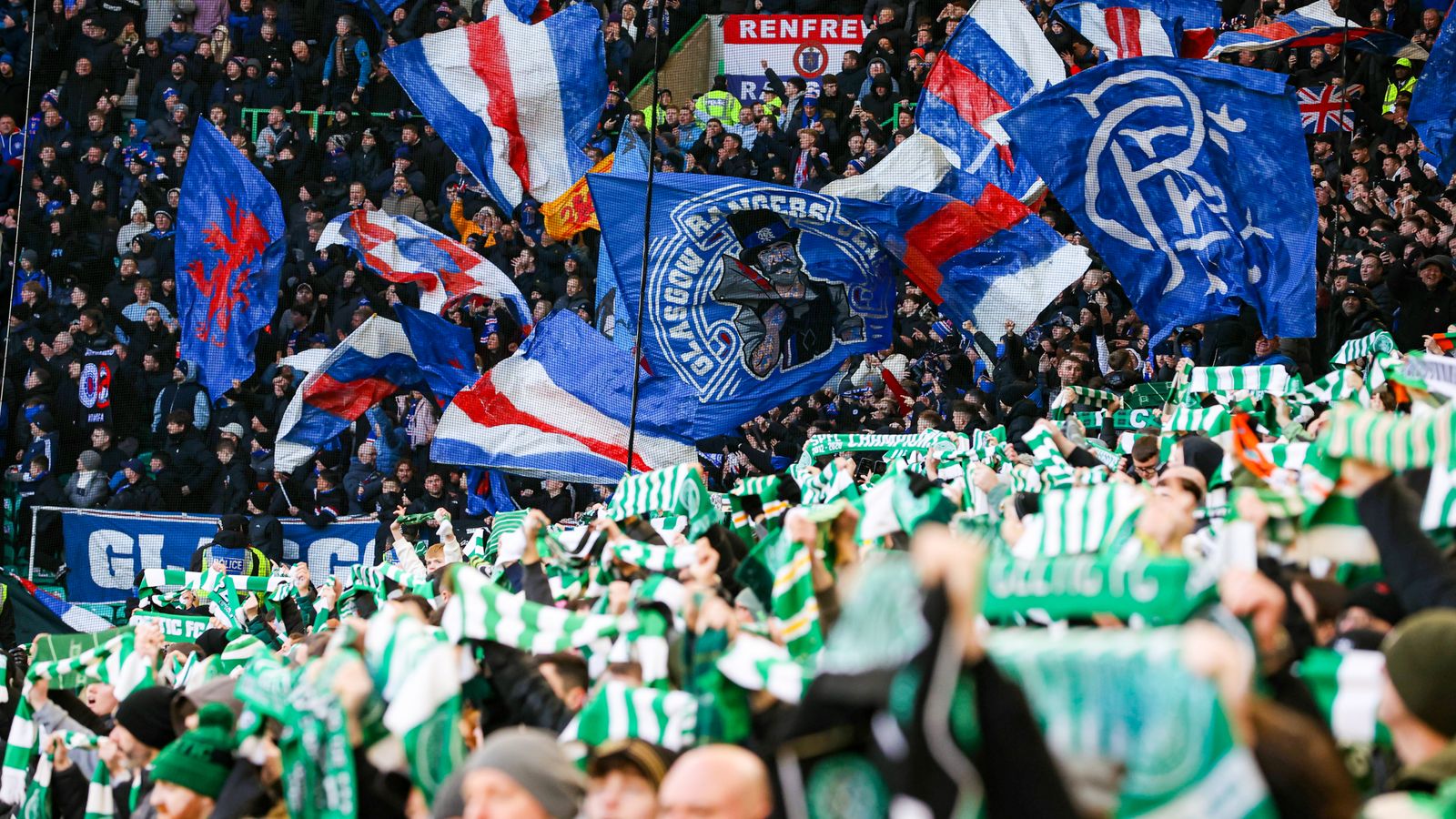
SPFL's Old Firm ruling is a hollow victory for Scottish football
3 weeks, 5 days ago
Celtic vs Rangers 2026 is the most toxic Old Firm in a decade
2 months, 1 week ago
The SFA's cowardice is destroying the Scottish Premiership
1 week, 5 days ago