The SFA is outsourcing its backbone because it can't handle the Old Firm
The outside man and the inside failure
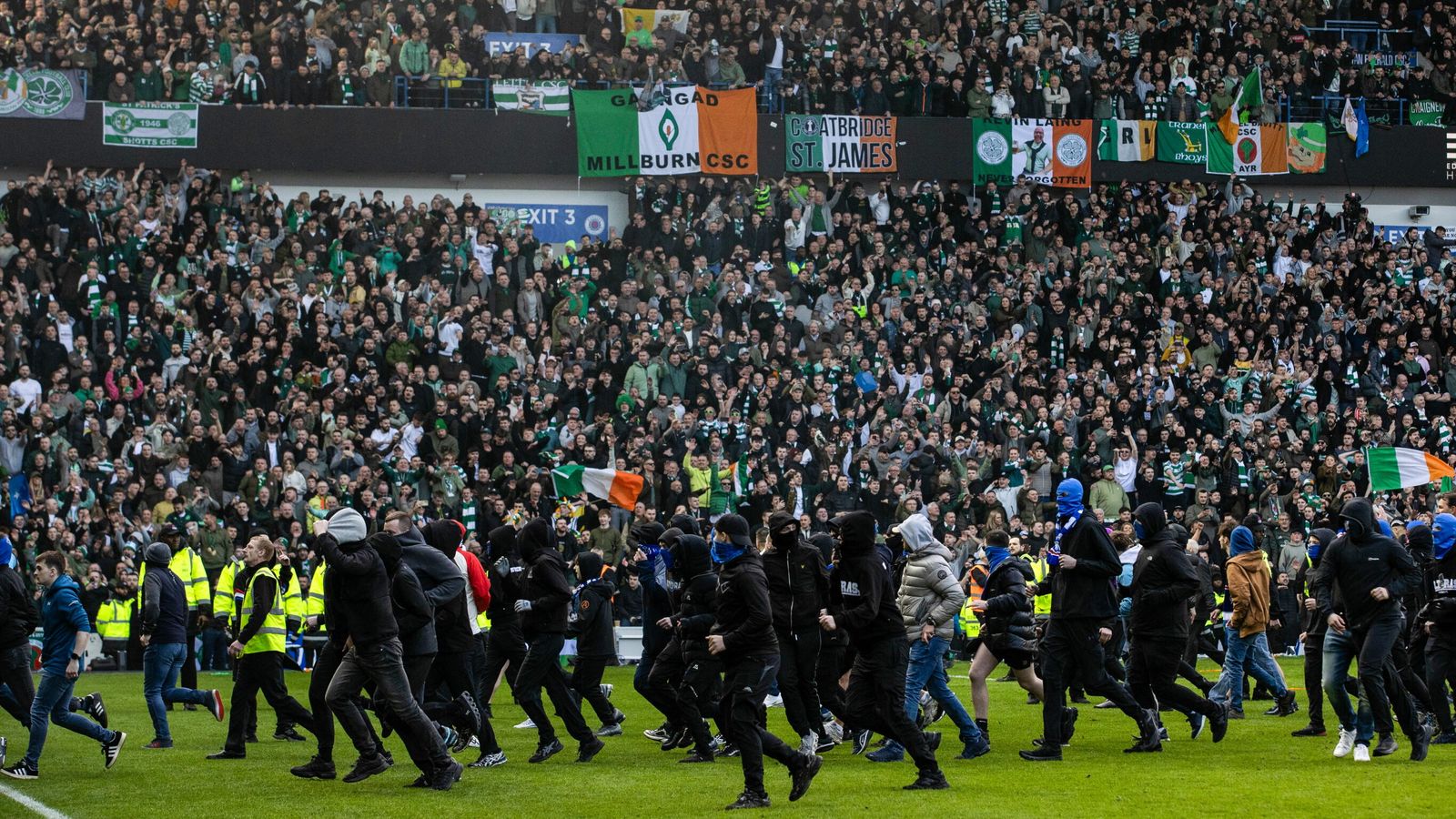
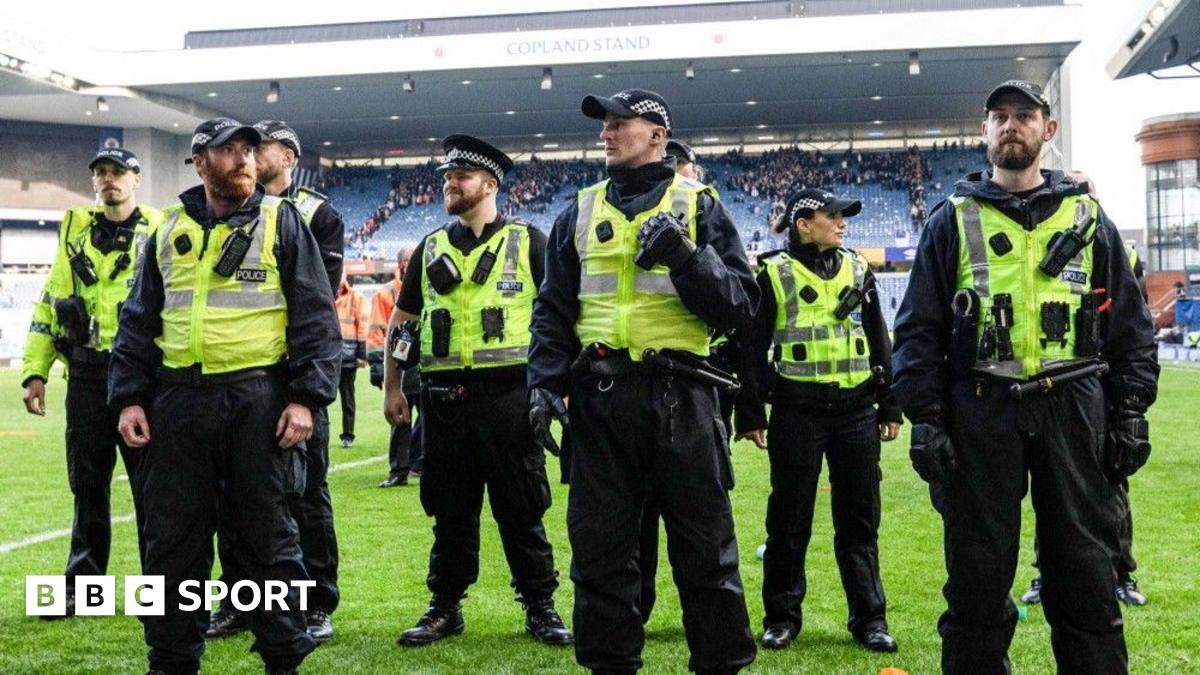
The appointment of Mark Blackbourne to lead the Scottish FA’s investigation into the March cup disorder is a move of calculated desperation. By bringing in a sports event consultant to dissect the chaos following the Scottish Cup quarter-final between Rangers and Celtic, the governing body at Hampden has effectively admitted it lacks the internal authority to police its own product. Blackbourne is a specialist in logistics and crowd flow, but he is being asked to fix a cultural rot that has been festering since the away fan allocations first started shrinking in 2018.
Hampden Park’s corridors are currently filled with a specific type of administrative silence. It has been nearly a month since the scenes that marred the quarter-final, yet the official response has been a predictable retreat into committees and consultancy. The SFA knows that any direct sanction against either half of the Glasgow binary risks a commercial backlash they cannot afford. So, they hire a consultant. It is the classic corporate maneuver: if the findings are too harsh, they can blame the outsider; if they are too soft, they can claim they followed expert advice.
Blackbourne’s brief is technical, but the problem is political. During that March fixture, the security breakdown wasn't a result of poor signage or inadequate turnstiles. It was a failure of the ‘gentleman’s agreement’ that used to govern these fixtures. When the away allocation was slashed to a token few hundred, the geometry of the rivalry changed. The buffers were gone, and the tribalism became concentrated in ways the current policing models simply aren't designed to contain.
The mechanics of a breakdown
Tactically, the disorder in March followed a familiar, depressing pattern. The first flashpoint occurred in the 23rd minute when a coordinated pyrotechnic display from the North Stand delayed play for nearly six minutes. This wasn't a spontaneous outburst of joy. It was a logistical operation involving dozens of individuals and a sophisticated smuggling effort that bypassed every checkpoint the SFA had touted as 'world-class' in the pre-match briefings.
We saw a similar failure in the technical area. The projectiles thrown during the second half weren't just the work of isolated 'idiots,' as the post-match statements usually claim. They were the result of a stadium layout that has failed to adapt to the increasing proximity of rival factions. When the SFA CEO Ian Maxwell talks about 'investigating the facts,' he ignores the fact that the architecture of the grounds and the distribution of tickets are the primary drivers of the friction.
Look at the numbers from the day. Police Scotland reported over 40 arrests inside the stadium, but the real failure happened in the 72 hours leading up to kick-off. Intelligence suggested that fan groups were planning a confrontation at the traditional meeting points, yet the deployment of officers remained static and reactive. It is the tactical equivalent of playing a high line against a pacy front three without a sweeper-keeper. You are inviting the disaster you claim to be preventing.
The myth of strict liability
Blackbourne will likely recommend a move toward strict liability, a concept the SFA has flirted with for a decade but never dared to implement. In the current system, clubs are only punished if it can be proven they didn't take 'all reasonable steps' to prevent disorder. This is a loophole large enough to drive a team bus through. As long as a club can show they hired enough stewards—even if those stewards are untrained and overwhelmed—they remain legally and financially immune.
The contrast with the European model is stark. Under UEFA’s Article 16, the home club is responsible for order and security both inside and around the stadium. If a bottle is thrown, the club is fined. If a pitch invasion occurs, stands are closed. The SFA’s refusal to adopt this isn't about legal complexity; it's about the £10 million in sponsorship and broadcast revenue that relies on the Old Firm being present, loud, and unhindered. They want the atmosphere of a derby without the consequences of its volatility.
This review is being conducted against a ticking clock. We are only days away from the UCL Quarter-Finals, and the eyes of the football world are shifting toward high-stakes knockout football. While the rest of Europe prepares for elite tactical battles on the pitch, Scotland is once again mired in a post-mortem about why grown men can't sit in a stadium without throwing chairs. It is an embarrassing distraction that Blackbourne’s report, no matter how detailed, is unlikely to solve.
The away fan vacuum
The most damning evidence Blackbourne will find is the correlation between the reduction in away fans and the increase in internal disorder. For decades, the 7,500 away fans at Ibrox and Celtic Park acted as a pressurized valve. They were a concentrated target for the home support’s energy. By removing that valve, the SFA and the clubs have allowed that energy to bleed into the edges of the technical areas and the hospitality sections.
During the March quarter-final, the lack of a significant away presence created a vacuum. The home support, deprived of their traditional foils, turned their attention toward the officials and the opposition bench with a venom that felt different from previous years. It was a claustrophobic environment. When the final whistle blew, the pitch invasion wasn't a celebration; it was a release of that pent-up tension that had nowhere else to go. The security cordons collapsed in under thirty seconds.
The SFA’s tactical error was allowing the clubs to dictate the terms of engagement. By letting Rangers and Celtic squeeze each other’s allocations, they effectively surrendered control of the match-day environment. Blackbourne might be a logistics expert, but he can't force two entities that fundamentally dislike each other to cooperate for the good of the game. That is supposed to be the SFA’s job. Their failure to intervene before the March match is the reason Blackbourne has a job today.
The technology trap
We will almost certainly see a call for increased surveillance. facial recognition and upgraded CCTV are the consultant’s favorite toys. They provide the illusion of control while doing nothing to address the root causes. In the March match, the cameras caught plenty of footage, but they didn't stop the flares from being ignited. They didn't stop the coins from being thrown. Technology is a reactive tool in a situation that requires proactive governance.
The SFA has already spent hundreds of thousands on 'enhanced security measures' over the last three seasons. Each time, the fan groups find a way around them. It is an arms race where the authorities are constantly three steps behind. The real solution isn't better cameras; it's a more courageous executive. If the SFA were serious about disorder, they would have issued a zero-tolerance policy on pyrotechnics three years ago, backed by immediate points deductions. Instead, they issued a press release and hired a consultant.
There is a recurring theme of cowardice here. Every time a major incident occurs—be it the 2016 Scottish Cup final or this latest March quarter-final—the SFA follows the same script. They express 'disappointment,' they 'consult with stakeholders,' and they wait for the news cycle to move on. Blackbourne is just the latest character in this long-running play. He is a shield for the board, a way to defer action until the next season is already underway and the urgency has faded.
A pattern of paralysis
Scottish football governance is currently in a state of terminal paralysis. The board is caught between a government that demands action and a member-club structure that blocks it. Mark Blackbourne is being dropped into the middle of this stalemate. He will likely find that the security protocols on paper were perfectly adequate, but the implementation on the day was sabotaged by a lack of will from the people at the top.
Consider the timing of the next few months. We have WrestleMania 41 in Las Vegas drawing massive global attention to choreographed conflict. In Scotland, we have the real thing, but it’s unscripted, dangerous, and poorly managed. The contrast is humiliating. While other sports and leagues are finding ways to enhance the fan experience, the SFA is trying to figure out how to stop fans from assaulting each other in the 1-0 win or loss. It is a baseline of failure that we have simply come to accept.
The most critical observation is this: the SFA doesn't actually want to fix the Old Firm. They want to manage it. They need the noise, the intensity, and the 'edge' to sell the league to broadcasters. They just don't want the paperwork that comes when that edge gets too sharp. Blackbourne's review will provide a list of recommendations that will be debated, diluted, and eventually filed away in a cabinet at Hampden, right next to the previous five reviews into fan behavior.
Real change would require the SFA to act as a regulator rather than a facilitator. It would mean telling the two biggest clubs in the country that their behavior is damaging the brand and that there will be consequences that hurt them on the league table. But the SFA is not a regulator. It is a trade body that is terrified of its most powerful members. Until that dynamic changes, the venue for the next 'investigation' is already being prepared. It will likely be after the next cup meeting in 2027.
Blackbourne will submit his report, and we will be told it is a 'landmark moment' for the game. We will be told that 'lessons have been learned' and that 'new protocols' are in place. But unless those protocols include the words 'points deduction' and 'stadium closure,' they aren't worth the paper they are printed on. The March disorder wasn't a freak occurrence; it was the logical conclusion of a decade of administrative retreat. Mark Blackbourne is just the man hired to write the obituary of the SFA's authority.
Read Next
- Celtic, Rangers, and Hearts face the ultimate April tactical test
- Someone is dropping points in this weekend's Premiership gauntlet
- Aberdeen are sleepwalking into a relegation disaster
- Ross County's Last Stand: Can Kettlewell's Men Escape the Drop Again?
- ⚽ Scottish Premiership 2025-26 — Celtic vs Rangers Hub
Nike Charge Soccer Shin Guards
Protect your shins without breaking the bank. Simple, effective, classic.
More Coverage

Top 10: Definitive Penalty Moments in Modern Football
an hour ago
VAR consistency concerns mount as Scottish Premiership season hits final stretch
6 hours ago
Scottish football is a powder keg and the authorities are finally waking up
1 day, 7 hours ago
Curtis faces contract limbo amid Rangers injury recovery
1 day, 16 hours ago
Kasper Schmeichel calls time on career after failing to overcome shoulder injury
2 days, 9 hours ago
Lawrence Shankland's move to Rangers is the ultimate vanity project
2 days, 12 hours agoMore Analysis

The SFA's cowardice is destroying the Scottish Premiership
1 week, 5 days ago
SPFL's Old Firm ruling is a hollow victory for Scottish football
3 weeks, 5 days ago
Scottish football is a powder keg and the authorities are finally waking up
1 day, 7 hours ago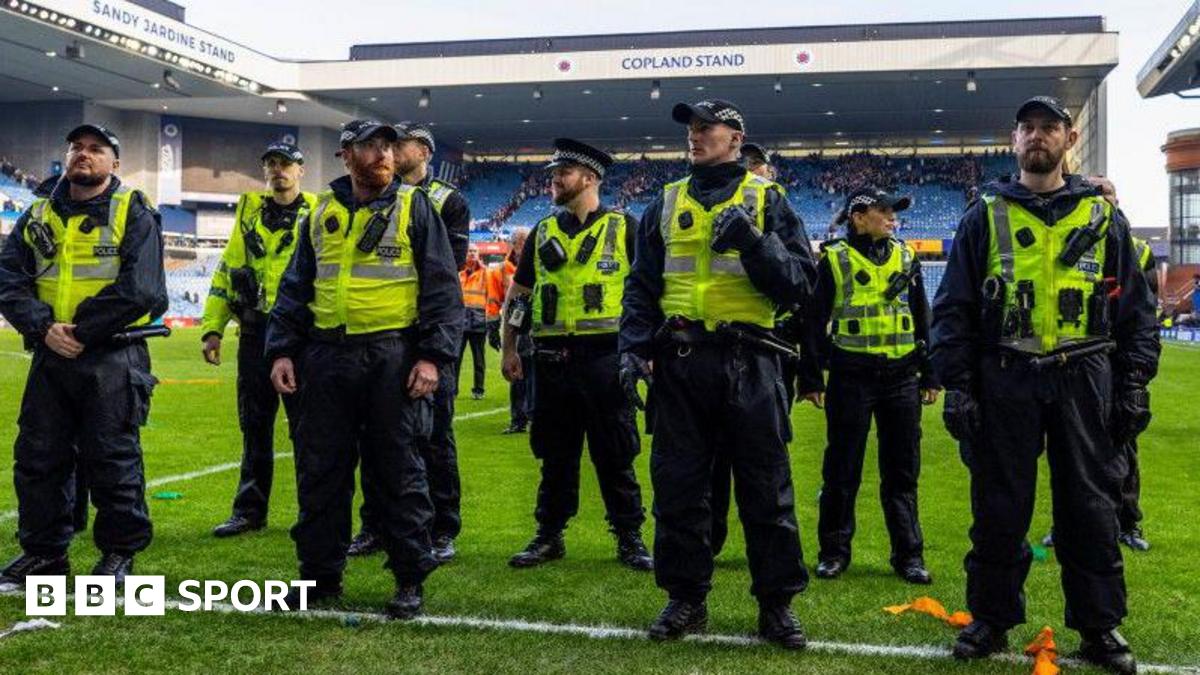
The Old Firm ticket standoff is destroying the Scottish Premiership finish
1 month ago