The Anfield selection dilemma
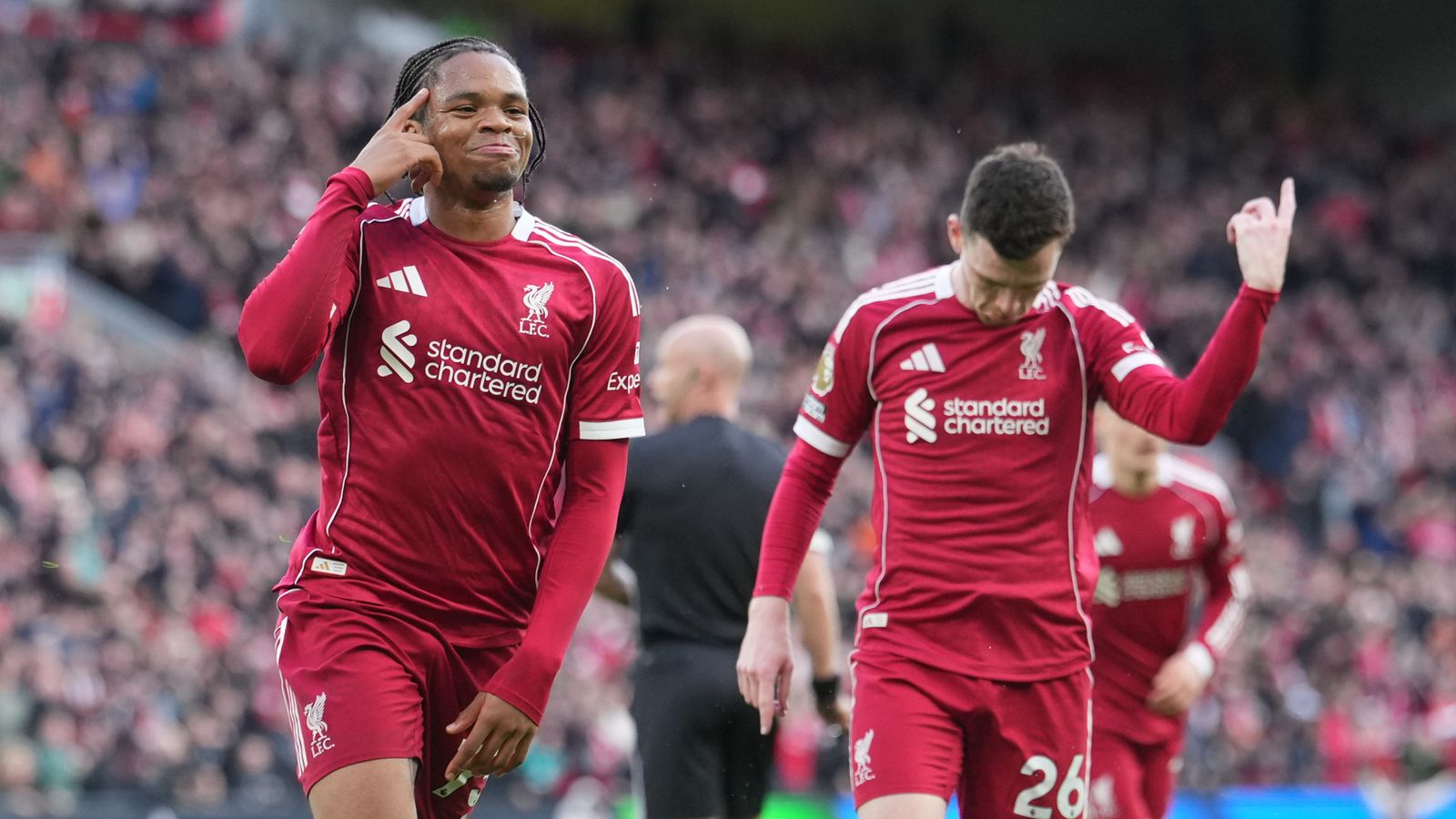
Liverpool manager Arne Slot faces a tactical headache three days before the Champions League quarter-final second leg. Rio Ngumoha, fresh off a standout performance against Fulham, has forced his way into the conversation. He found the net and dictated the final third tempo in that 2-0 victory, providing the kind of direct verticality that has been missing during recent league struggles.
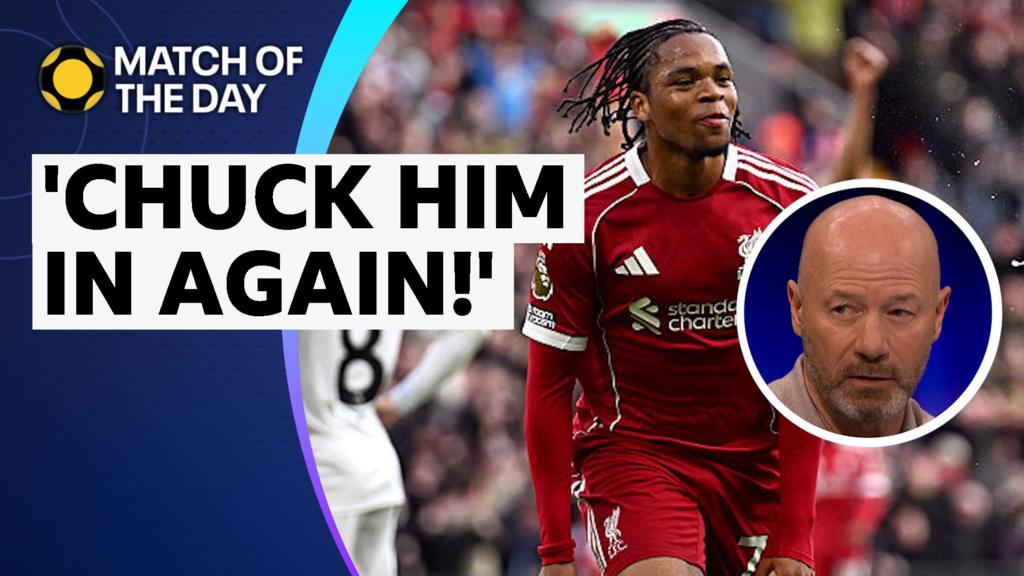
The debate among pundits has been fierce. Alan Shearer and Danny Murphy have publicly questioned whether a 17-year-old can withstand the physical intensity of a knockout tie against a PSG side hungry for transition opportunities. However, the data supports the gamble. Ngumoha maintains a 88% pass completion rate in high-pressure zones, a metric that sits well above the squad average for wide forwards this season.
Tactical implications of the teenager's rise
PSG represents a different beast compared to the defensive lines of mid-table Premier League clubs. Luis Enrique’s side thrives on exploiting space behind high defensive blocks. If Ngumoha starts, his defensive tracking becomes the defining variable. Can he press effectively enough to prevent Hakimi from overlapping without abandoning his attacking positioning?
We saw this issue manifest in the first leg. Liverpool conceded 1.8 xG because the width was left unprotected during defensive transitions. Bringing in Ngumoha offers an offensive outlet to keep Hakimi pinned back, but it risks leaving the fullback exposed. It is a classic high-stakes coaching conundrum for Slot.
Managing the midfield pivot
The success of this gamble depends heavily on the support structure. If Ngumoha occupies the flank, the central midfielders must adjust their coverage lanes. Expect the pivot to sit deeper than the usual 4-2-3-1 alignment seen under Slot. This is not about sentimentality for a youth product; it is about finding a tactical disruptor who creates uncertainty in the Parisian backline.
Critics will point to his lack of experience in continental competition. Yet, as recent analysis suggests, the spark he provided in the Fulham match could outweigh the risk of defensive lapses. When the alternative is a static, predictable attack, gambling on a player with rhythm is the objectively correct maneuver.
The verdict at Anfield
The math is simple: Liverpool needs goals to overturn the deficit. Sticking to the established rotation hasn't worked effectively in the opening 150 minutes of this aggregate tie. Ngumoha offers unpredictable movement patterns that might unsettle Marquinhos and his fellow defenders early on.
My prediction for Tuesday? Ngumoha starts, draws a crucial yellow card before the 30th minute, and Liverpool edges a frantic affair. They will win the leg 2-1, though the away goal deficit will ultimately force them into a desperate, high-risk end-game. It will not be enough to advance, but it will be the defining night of Ngumoha's breakout season.
Read Next
- Rio Ngumoha needs to start for Liverpool against PSG
- Why Rio Ngumoha must start in the Champions League
- Is Rio Ngumoha hitting the ceiling or just getting started?
- Liverpool must survive a defining three-day stretch to stay relevant
- ⚽ Ligue 1 2025-26 — PSG, Monaco & the Title Race Hub
- ⭐ UCL 2026 — Champions League Quarter-Finals Hub