The Diagnosis: Liverpool's Depth Hits a Breaking Point
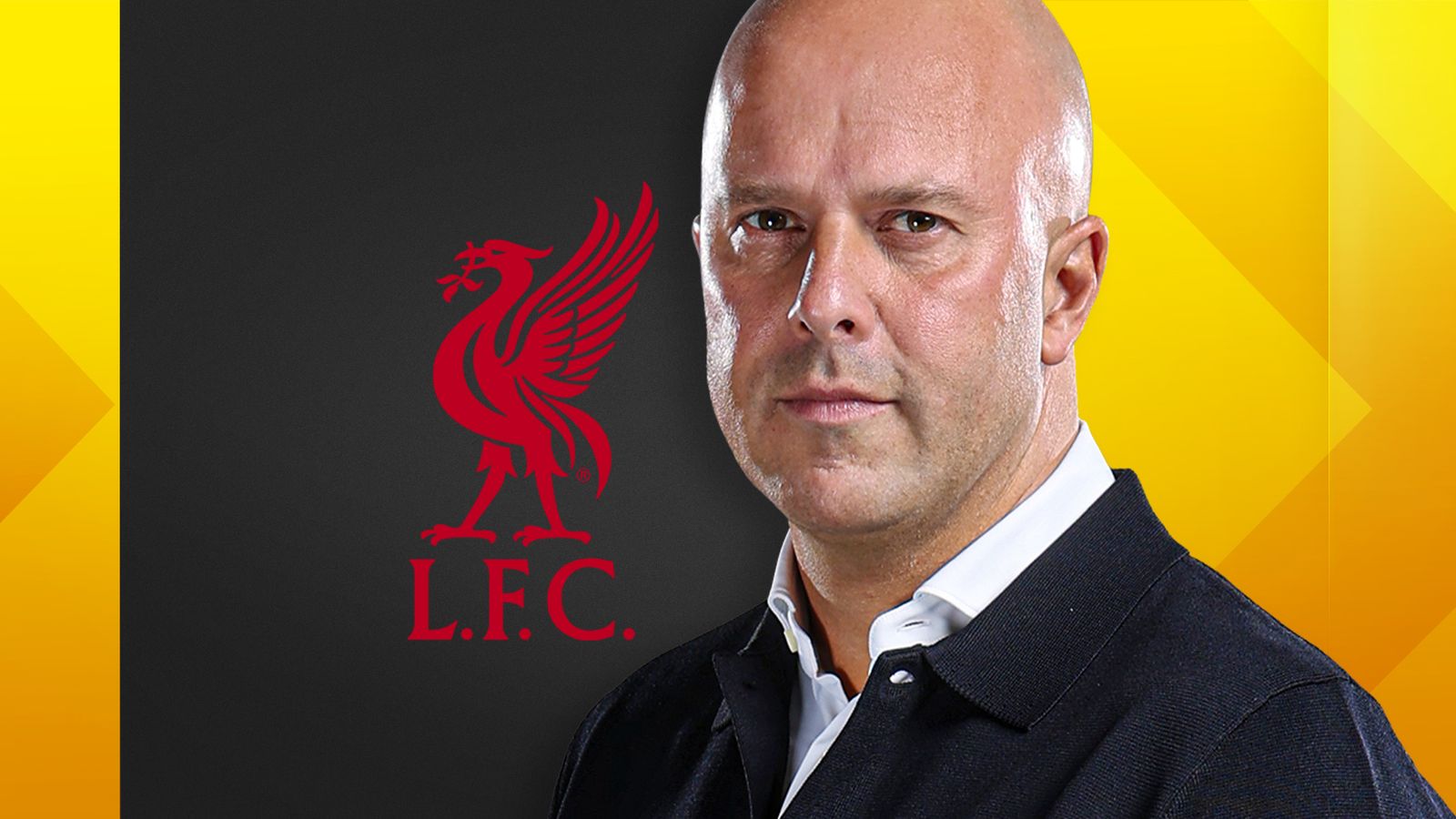
Anfield is famous for nights where logic takes a backseat to noise, but Arne Slot is currently staring at a team sheet that requires more than just atmosphere. Heading into Tuesday's Champions League quarter-final second leg against Paris Saint-Germain, Liverpool aren't just trailing 2-0 on aggregate. They are effectively operating with a skeleton crew in the areas where games are won and lost.
The medical report ahead of this clash reads like a casualty list from a long campaign rather than a tactical briefing. The most jarring absence remains Alisson Becker, whose hamstring issue has persisted long enough to make Giorgi Mamardashvili the de facto face of Liverpool’s European survival. While the Georgian has been serviceable, he lacks the distributive precision that defines Slot’s buildup play. Against a PSG press that looks to suffocate the backline, this downgrade is a structural vulnerability that Luis Enrique is almost certain to exploit.
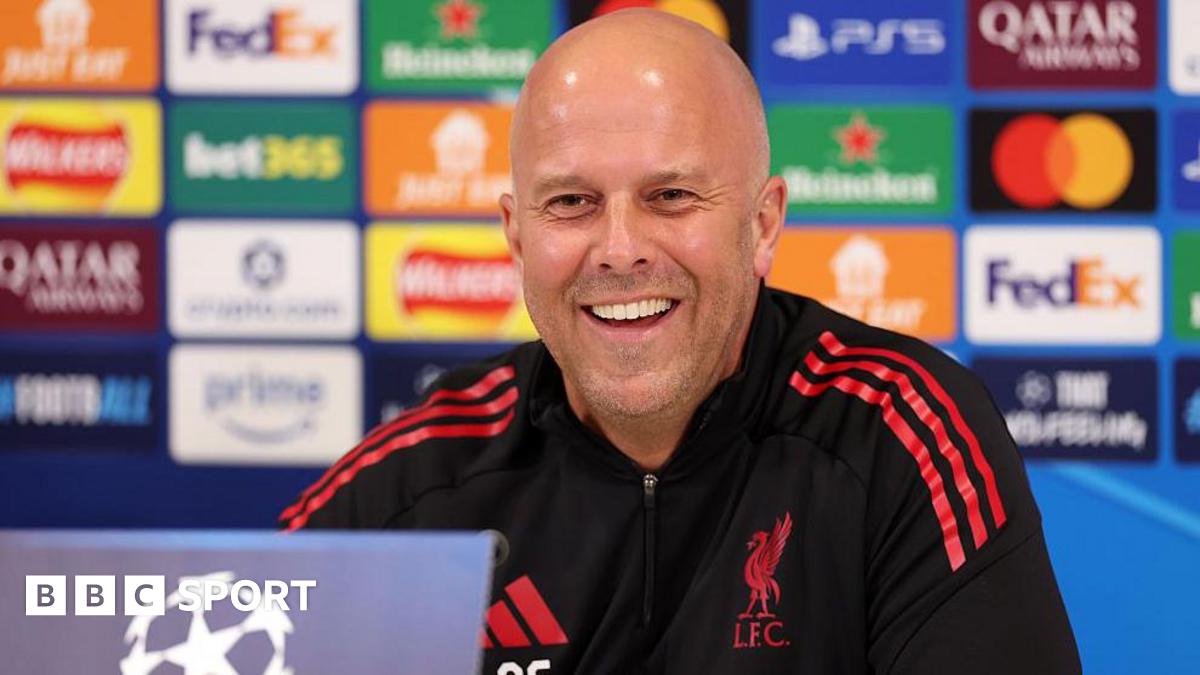
Slot’s hope of a special comeback, as he mentioned to reporters on Monday, feels like a calculated piece of psychological warfare aimed at his own dressing room. The reality is that his options are shrinking by the hour. The groin injury sustained by Curtis Jones during the 2-0 victory over Fulham on Saturday has left the midfield in a state of flux. Jones was seen in light training on Monday morning, but the medical staff is reportedly hesitant to greenlight a start. Rushing him back for a ninety-minute high-intensity sprint against Vitinha and Warren Zaïre-Emery is a recipe for a long-term layoff.
The Slot Gamble: Youth vs. Experience
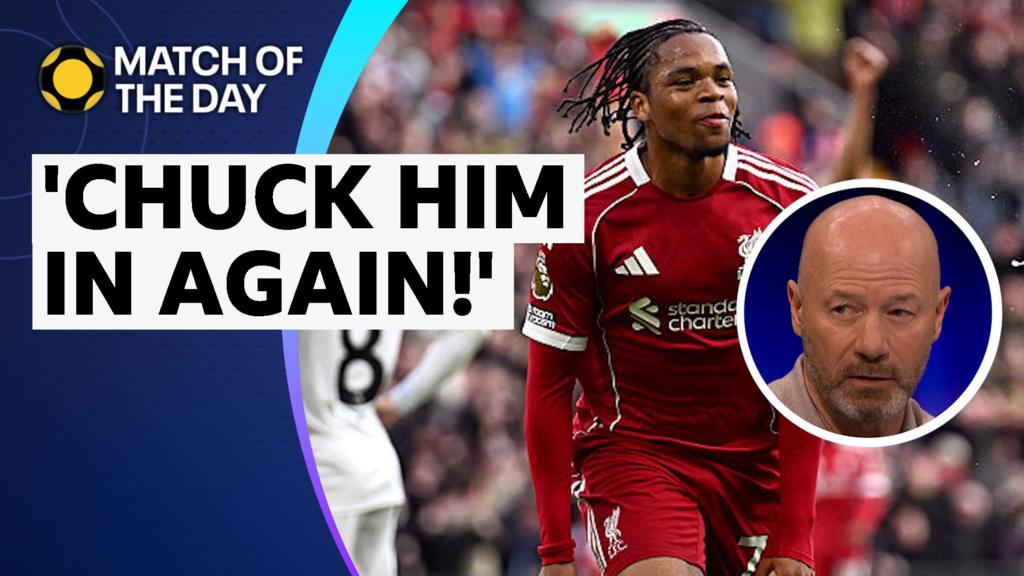
With Wataru Endo out for the season with a foot injury and Giovanni Leoni recovering from an ACL tear, the midfield anchor role is a gaping hole. Slot has been forced to look toward the academy, which brings us to the most intriguing storyline of the week: Rio Ngumoha. At 17, Ngumoha became the club's youngest-ever Premier League scorer over the weekend, but starting him in a continental knockout game is a different beast entirely.
It is a damning indictment of Liverpool's recent recruitment or perhaps just a run of horrific luck that a teenager with three senior appearances is being discussed as a potential game-changer. Ngumoha has pace and fearlessness, but PSG’s defensive structure under Enrique is designed to bait young players into over-committing. If Ngumoha starts, he will be marked by Nuno Mendes, a defender who has spent the last three years neutralizing some of the best wingers in the world.
On the other side of the ball, the return of Alexander Isak to the matchday squad provides a glimmer of hope, albeit a faint one. Isak has missed 15 weeks with a broken leg. His brief cameo against Fulham showed flashes of his movement, but he looked off the pace and lacked the explosive first step required to beat Marquinhos in a footrace. Expecting Isak to lead a high press for more than thirty minutes is unrealistic. Slot will likely keep him on the bench as a localized 'break glass in case of emergency' option for the final stages.
The PSG Shield: Barcola Returns to the Fold
While Liverpool is scrambling to find eleven fit bodies, PSG arrives on Merseyside with their own set of tactical puzzles. The major news for the Parisians is the recovery of Bradley Barcola. After missing the first leg with an ankle ligament sprain, the forward has traveled with the squad and looked sharp in the final session at the Parc des Princes. Barcola’s ability to stretch the pitch on the left will force Virgil van Dijk into more isolated defensive duels, a situation the Dutchman has struggled with this season when lacking protection from a proper defensive midfielder.
However, PSG aren't entirely unscathed. Fabian Ruiz remains sidelined with a persistent knee injury, meaning the Spanish playmaker won't be there to control the tempo from deep. This creates a fascinating tactical vacuum. If Liverpool can disrupt PSG's rhythm without Ruiz, they might find the transition opportunities they need. But without Jones or Endo to initiate those turnovers, the burden falls entirely on Ryan Gravenberch, who is himself one yellow card away from a suspension. One mistimed challenge from Gravenberch doesn't just hurt Liverpool's chances tomorrow; it effectively ends their midfield stability for a potential semi-final.
"We know the mountain we have to climb, and we know who is missing, but Anfield has seen stranger things than a 2-0 turnaround with a young squad."
That quote from Slot's presser is pure theater. He knows that his team's defensive structure is currently held together by tape and hope. The absence of Conor Bradley on the right flank means the defensive workload on the aging legs of the remaining veterans is unsustainable over 120 minutes if the game goes to extra time. Bradley's knee injury has removed the primary outlet for pace on the right, forcing Liverpool to be more predictable in their wide attacks.
Strategic Implications and the Cost of Intensity
This injury crisis isn't an isolated incident; it’s a symptom of the high-octane system Slot has implemented since taking over. The physical demands placed on the midfield three have seen a rotating door of soft-tissue injuries throughout the spring. While Slot’s tactical tweaks have kept Liverpool in the title race, the Champions League requires a level of squad depth that the current medical room simply cannot support. PSG’s investment in rotating their front three has paid dividends, as seen by Barcola’s ability to return for the most critical game of their season.
There is a critical failure in how Liverpool managed the Curtis Jones situation. Playing him for nearly 70 minutes against a physical Fulham side just three days before a PSG showdown was a massive risk that backfired. If Jones misses tomorrow, the blame lies squarely on the coaching staff's inability to prioritize continental progression over domestic points. You cannot expect a player with his injury history to manage that kind of load without consequence.
Historically, Liverpool has overcome these odds. The 2019 comeback against Barcelona was achieved without Mohamed Salah and Roberto Firmino. But that team had a fit and firing Jordan Henderson and Fabinho in the middle. The current iteration is asking Alexis Mac Allister to do the work of three men while protecting a goalkeeper who is still adjusting to the roar of the Kop. It’s a tall order that might finally expose the thinness of this squad.
The Final Word: A Night for the Unlikely
As Arne Slot noted today, his side believes they can do special things. They will have to. To win by three clear goals, Liverpool must score early and often while keeping a clean sheet against a PSG side that has scored in every away game this season. The tactical battle will be won by whoever manages their medical limitations better. If Slot gambles on Ngumoha and loses, the post-match autopsy will be brutal. If he plays it safe with a makeshift midfield and gets picked apart by Vitinha, the result is the same.
The return date estimate for Alisson remains late April, meaning he will miss the potential semi-final first leg even if Liverpool pull off the miracle. This isn't just a battle for a trophy; it's a test of whether a modern elite club can survive when its core is hollowed out by the training table. Tomorrow night, we find out if the 'special things' Slot promised are grounded in reality or just the last words of a manager who knows his luck has run out.
- Liverpool missed 8 first-team players in their Monday training session.
- PSG has a 94% chance of progressing according to most statistical models.
- Rio Ngumoha has played only 112 minutes of senior football.
- Marquinhos has completed 98% of his passes in the knockout stages so far.
The margin for error is non-existent. One slip from Mamardashvili or one tired tackle from a returning Curtis Jones could end the dream before the halftime whistle even blows. Liverpool fans are used to the impossible, but the medical reality of April 2026 might be the one opponent they can't shout down.
Read Next
- Liverpool and Villa are turning the Champions League race into a comedy of errors
- City are playing psychological games while chasing another treble
- Top 10 Moments Defining the 2026 Season Finale
- Daniel Levy is making more than the entire Spurs Women’s team combined
- ⭐ UCL 2026 — Champions League Quarter-Finals Hub