The weight of early May
May 1st is when the air gets thin in the Premier League. The margin for error vanishes. The physical toll of a ten-month campaign begins to show in heavy touches and delayed reactions. As The Guardian accurately previewed this morning, the sporting calendar is packed, but nothing demands attention quite like the title race.
Football drama awaits, F1 returns and it’s the World Snooker final – follow with us
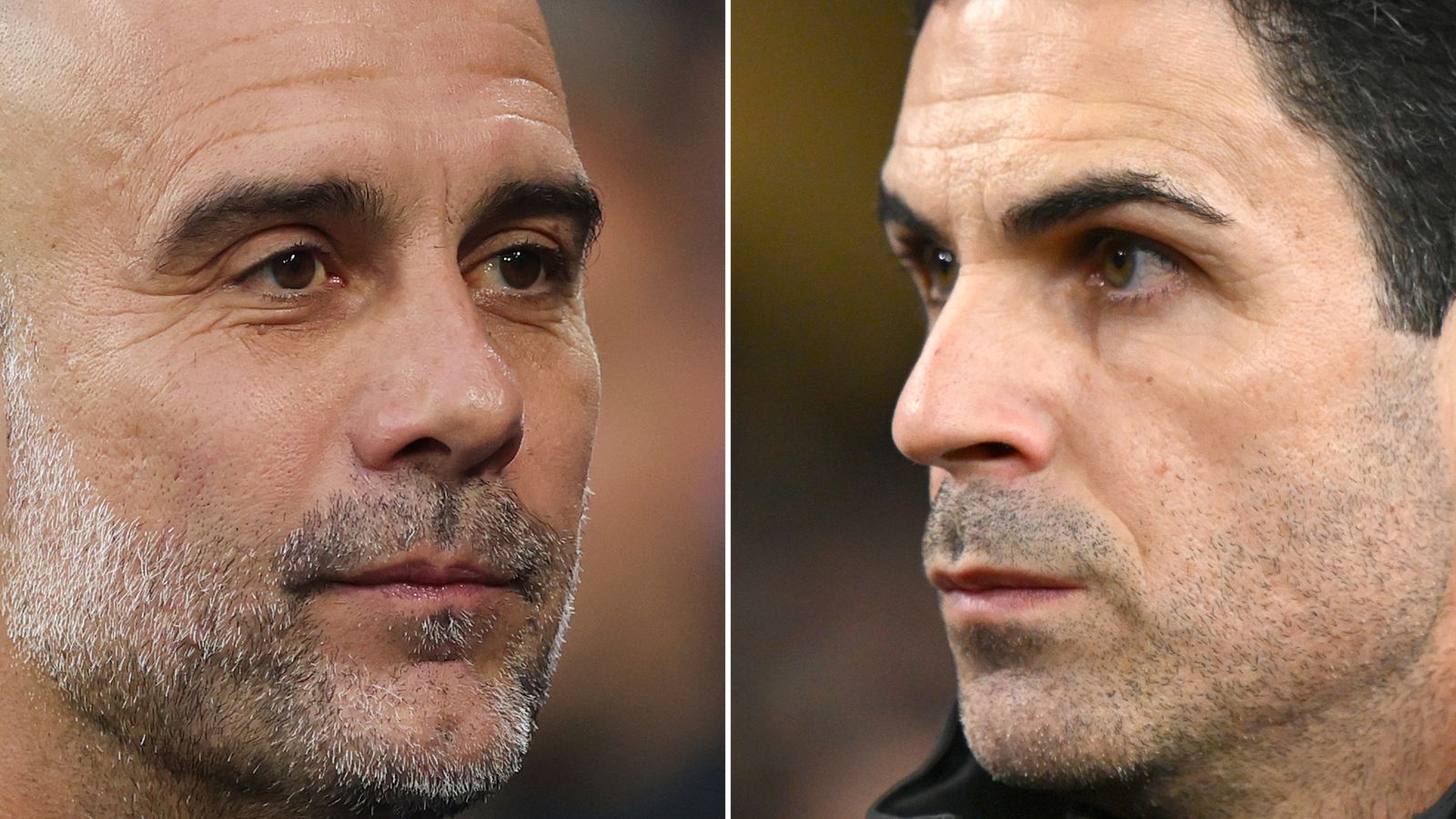
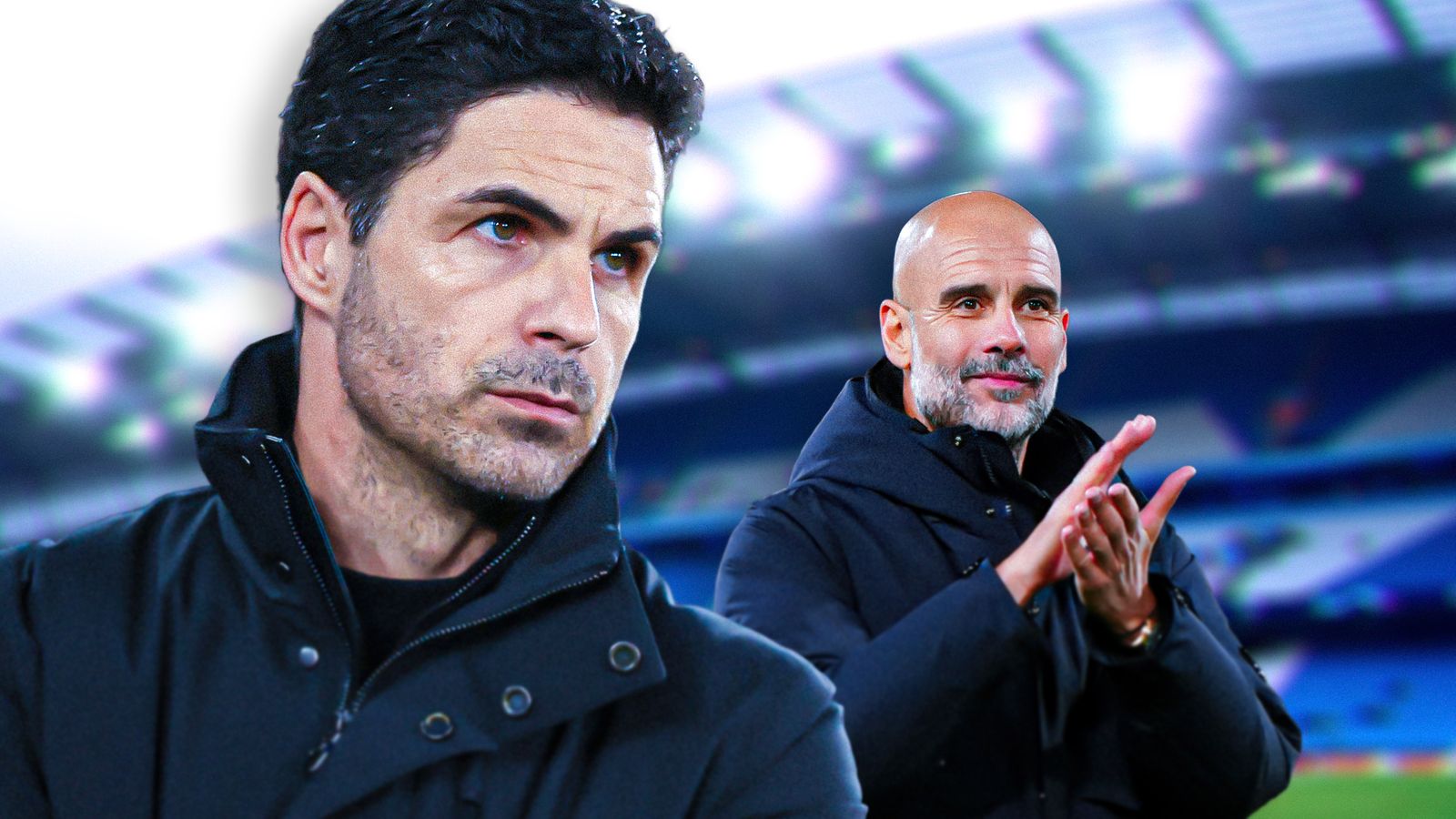
But let us be completely honest. The snooker is a sideshow. The real tension lies in the tactical cat-and-mouse game at the top of the football table. Manchester City and Arsenal have reached their breaking point. There are no more secrets between Pep Guardiola and Mikel Arteta. They have analyzed every pressing trigger, mapped every passing network, and exhausted every variation of the inverted fullback.
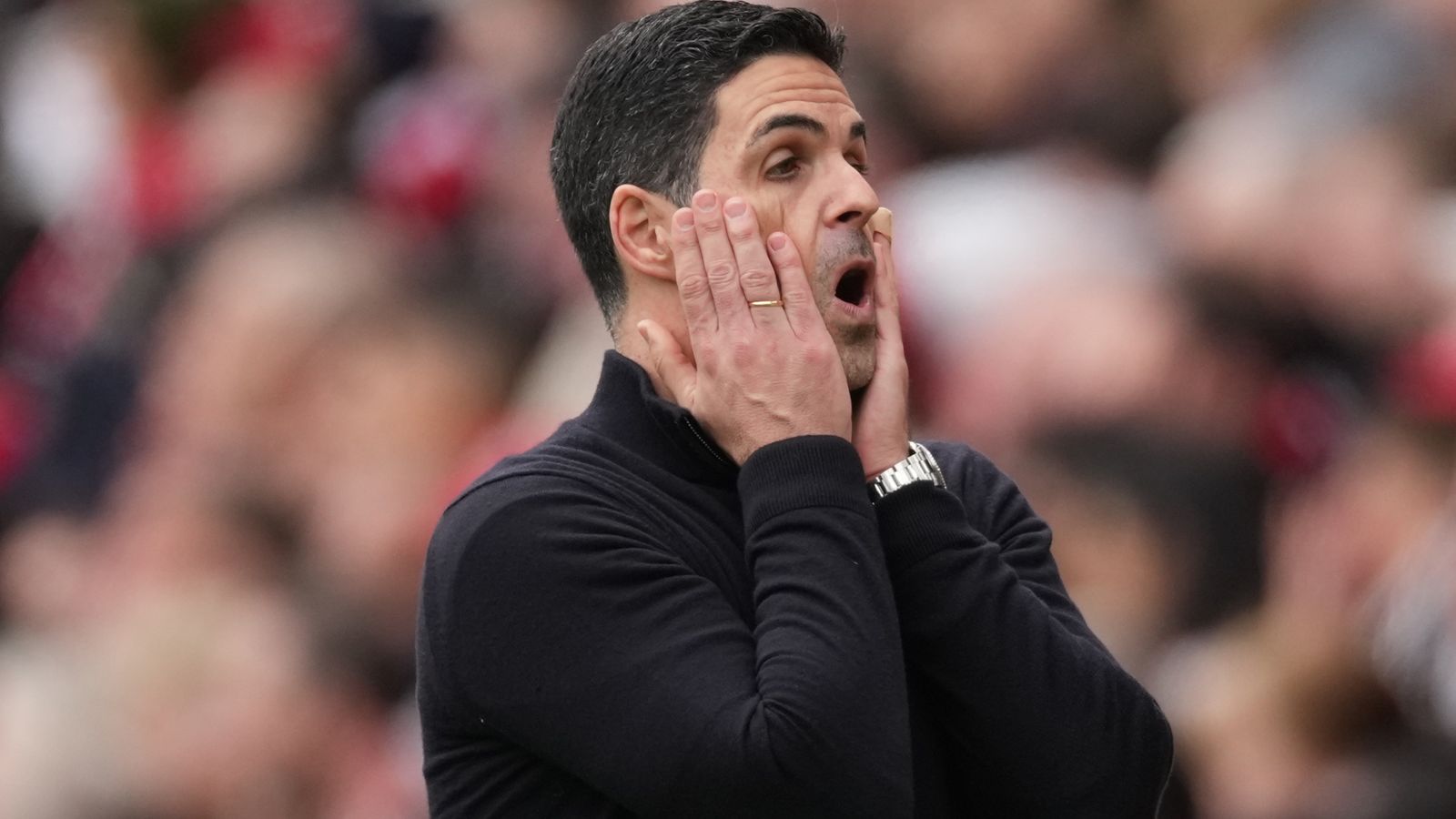
With the Champions League semi-final second leg looming on Tuesday, the physical demands are severe. Rotations are forced, not chosen. Guardiola has a historical habit of overcomplicating these exact moments. Arteta has a history of freezing when the tempo shifts against him. One of these flaws will break open this weekend.
The myth of the low block
Pundits often assume Arsenal will travel north and park a low block. That is a total misreading of Arteta’s defensive philosophy. Arsenal do not want to defend the edge of their own penalty area. They want to defend the middle third. They want to dictate where the turnover happens.
Watch Declan Rice closely. He does not operate as a traditional holding midfielder in these high-stakes fixtures. He acts as a sweeper ahead of the defensive line, tasked with snapping traps shut the moment City try to break the first line of pressure. When Rodri receives the ball with his back to goal, Rice is already moving.
This is where City have looked sluggish recently. Their buildup is methodical, sometimes painfully slow. When they cannot find the free man in the half-spaces, they recycle possession in a U-shape around the opposition block. It looks dominant on a possession chalkboard. In reality, it is entirely sterile. If Arsenal maintain their defensive spacing, City will just pass themselves into dead ends.
Arsenal’s glaring transition flaw
Arsenal are far from perfect. In fact, their left flank is a tactical disaster waiting to happen. Whether Arteta deploys Oleksandr Zinchenko or Jakub Kiwior, the structural integrity of that side collapses in defensive transition. It is a glaring blind spot that top-tier opposition exploit.
Zinchenko steps too far infield. Kiwior lacks the elite recovery pace required. When Arsenal lose the ball high up the pitch, there is a massive void left between Gabriel Magalhães and the left touchline. A serious analyst has to question why Arteta refuses to adjust this shape away from home. He is stubbornly committed to a system that routinely leaves his left-sided center-back isolated in foot races against fast wingers.
Phil Foden and Kevin De Bruyne know exactly where that space is located. De Bruyne does not even need to look up anymore. He just drifts into the right half-space and hits early, wrapping passes behind the Arsenal defense. If Gabriel is pulled out of the center to cover the left flank, Erling Haaland is left isolated against William Saliba in the box. That is a tactical death sentence.
The pressing triggers
This match will be decided by who dictates the location of turnovers. Guardiola uses a 3-2-2-3 shape in possession to bait the opposition into jumping out of position. He actively wants Arsenal’s wingers to press the wide center-backs.
If Bukayo Saka jumps onto Josko Gvardiol, a passing lane instantly opens to Mateo Kovacic or Bernardo Silva. City play through the pressure with automated passing sequences. It is entirely rehearsed. You can see the City players pointing to open grass before the ball even arrives at their feet.
Arsenal’s primary counter-measure relies on Martin Odegaard. He leads the press, curving his runs to physically cut off the switch of play. If Odegaard times his jump correctly, he forces the ball backward to Ederson. If he is half a second late, City break the lines and the pitch opens up. In their previous encounter, Arsenal forced a massive error using this exact trap in the 14th minute, nearly resulting in the opening goal.
Set-piece marginal gains
We cannot analyze a modern title clash without breaking down dead-ball situations. Arsenal are the best team in Europe at offensive corners. Nicolas Jover, their set-piece coach, has designed a blocking system that borders on dark arts.
They overload the six-yard box. They physically pin the goalkeeper. They set screens like a basketball team running a pick-and-roll. Ben White’s specific role in obstructing the goalkeeper has been analyzed to death, yet referees consistently allow it to happen. City’s zonal marking system is highly vulnerable to these targeted blocks.
City concede far too many high-quality chances from corners. Their expected goals against from set-pieces sits at 0.84 over the last month. That is a completely unacceptable number for a team demanding total control. If the game gets bogged down in a midfield stalemate, Arsenal will happily play for corners. They know it is their most reliable route to a high-probability chance.
The impact of the bench
The modern game is not eleven against eleven. It is a sixteen-man rotation. The permanent introduction of five substitutes has fundamentally changed how managers script the final thirty minutes of a match.
Guardiola brings on pure chaos. Jeremy Doku changes the entire rhythm of an attack. When City are passing sideways, Doku is injected to isolate a tired fullback and destroy the defensive structure with raw dribbling speed. He does not fit the Guardiola mold of total control. That lack of control is exactly why he is so dangerous late in games.
Arteta’s bench management is far more rigid. He makes predictable, like-for-like changes. Leandro Trossard replaces Gabriel Martinelli. Takehiro Tomiyasu replaces Ben White. The tactical system never changes, only the personnel operating within it. This predictability hurts Arsenal when chasing a deficit. If they go down a goal, Arteta rarely shifts the tactical framework. He just hopes fresh legs will execute the same failing plan with better precision.
The final verdict
This match is a collision of two obsessive systems. The margins are microscopic. Arsenal have the defensive organization to frustrate City for an hour. They will clog the central channels and force City to cross the ball from deep, low-percentage areas.
But the looming Champions League semi-final alters the dynamic. Legs will get heavy after the hour mark. The mental concentration required to track De Bruyne and Silva for a full match is physically breaking. Eventually, the defensive block will shift slightly too late.
Arsenal’s flaw on the left side is too obvious to survive unpunished. Guardiola will hammer that space repeatedly until it shatters. I expect City to dominate the ball, hovering around 62% possession, while Arsenal hunt for quick transitional moments.
Arsenal are tough, but they are rigid. City are fluid, and they have the deeper bench. When the game stretches in the final twenty minutes, the defensive gaps will finally appear. City will exploit that space on the right side of the attack, isolating Gabriel and finding the vital cutback.
Prediction: Manchester City win it 2-1.
Read Next