Why the new BBC awards feel like a Participation Trophy
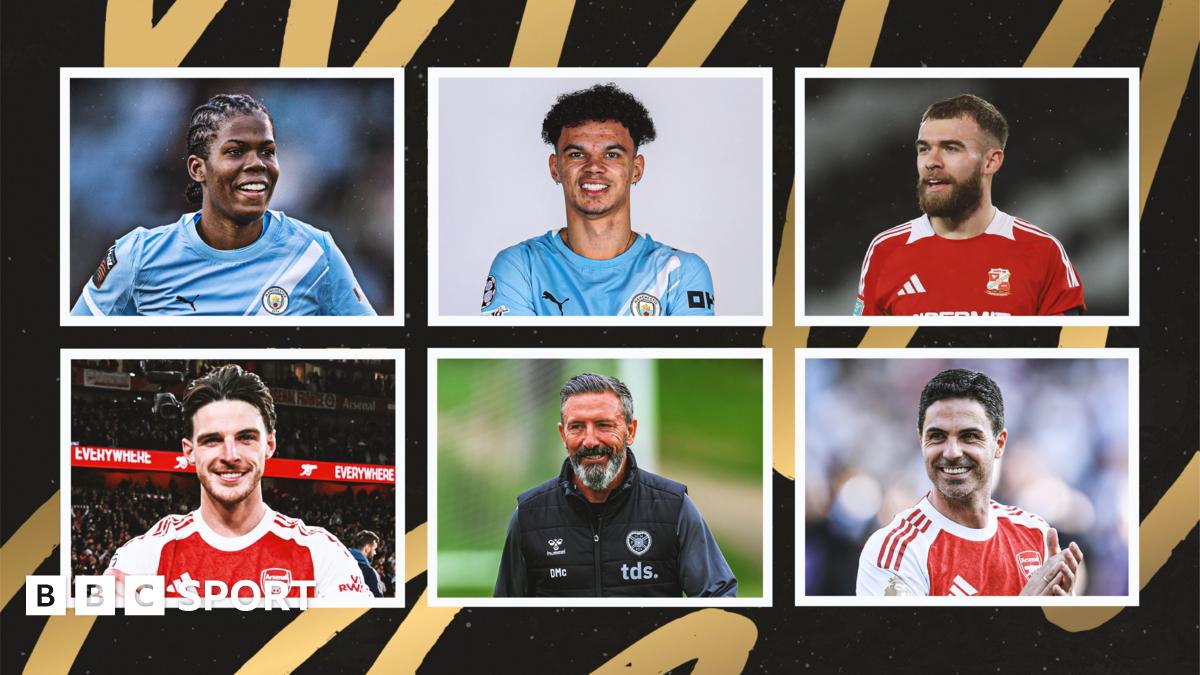
The shiny new hardware lacks missing context
Today is the UEFA Champions League final, the coronation of the European club season. Yet, while the football world holds its breath for tonight, the BBC chose this morning to drop its inaugural end-of-season awards list. The timing is bizarre. Dropping a list of winners hours before the biggest game of the year ensured these accolades would be treated as an afterthought.
We have long complained about the lack of recognition for top-tier performers across domestic leagues. However, simply tossing names into a digital hat during a global marquee event does nothing to legitimize the process. It feels less like an industry standard and more like a box-ticking exercise designed to generate clicks before the actual football begins.
The McInnes choice is a head-scratcher
Derek McInnes earning recognition in the Scottish categories is the most glaring head-scratcher here. While he has kept things functional at Kilmarnock, the metric for success seems detached from the tactical reality of the 2025-26 campaign. Was this actually based on underlying data, or was it a legacy selection for a manager who simply happened to stay in a job?
When you parse the list of winners, the absence of detailed criteria becomes painfully clear. We see names like Declan Rice and Luke Shaw surface in the English categories, but what exactly are they winning? Is it for statistical dominance, or the eye test? Without published weightings for these categories, the value of the honor remains opaque. Calling this an end-of-season awards cycle feels pretentious when the metrics are shielded from scrutiny.
A missed opportunity for actual analysis
Football coverage thrives when it dissects the why, not just the who. By skipping over the tactical granularities—the defensive shifts that defined Arsenal or the transition struggles at Old Trafford—the BBC created a glossy vacuum. They rewarded three separate winners in a haphazard fashion without explaining the margin between first and second place.
If we want to treat domestic football with the reverence it deserves, we need to stop handing out baubles without showing the work. I want to see the expected goals (xG) profiles, the progressive carry distance, and the defensive duel win rates. Instead, we got a headline-shuffling exercise that provides zero insight into how these players or managers moved the needle.
The data-driven alternative
This approach highlights a widening gap between legacy media and the data-conscious fan. We track the BBC award recipients like stocks, yet the underlying value remains unlinked to any actionable output. It is high time for a shift toward transparent, metric-based awards that prioritize performance over name recognition.
If these awards return next year, they need a complete architectural overhaul. We need defined categories, public voting criteria, and a delivery window that does not conflict with the actual crowning of champions. Until then, these awards are just noise in a calendar already crowded with genuine excellence.
Frequently Asked Questions
Why is the timing of the BBC football awards criticized?
What is the main criticism of the BBC award selection process?
Why is Derek McInnes's inclusion as a winner questioned?
How can football awards be improved for better credibility?
What data should be included in football player recognition?
More Coverage

Top 10: Defining Football Moments of the 2025-26 Season
an hour ago
Top 10: The Defining Moments of the 2025/26 English Football Season
2 hours ago
The post-football career pivot is the smartest move a veteran can make
7 hours ago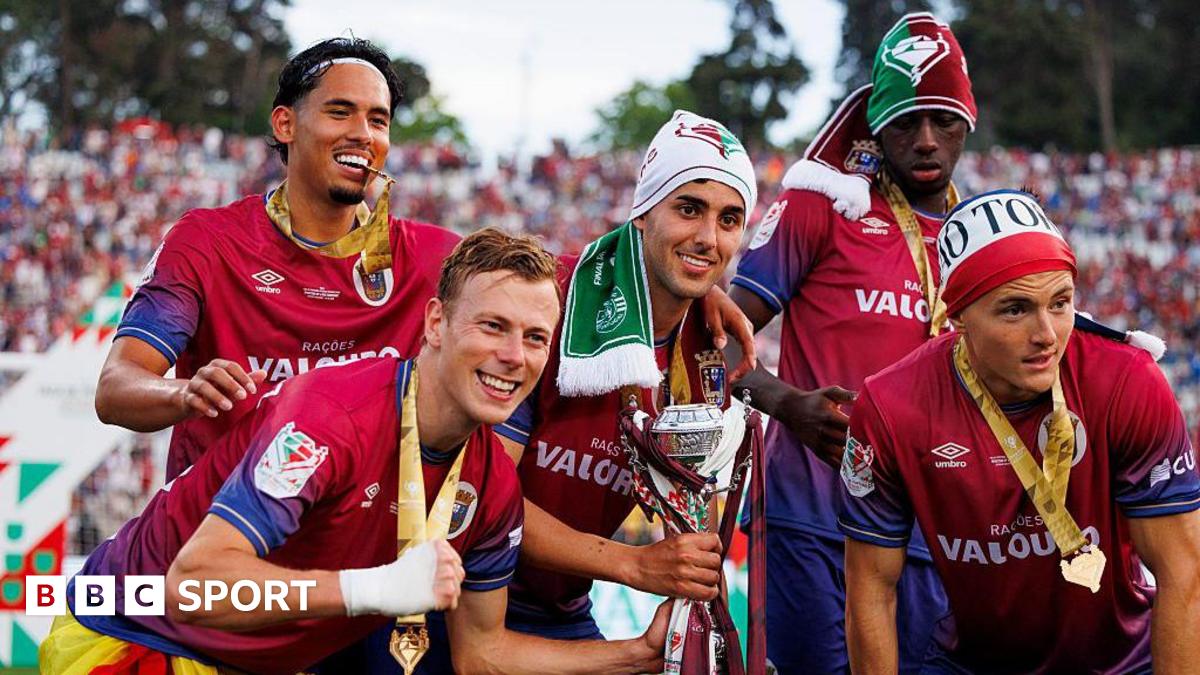
Top 10: The Most Audacious Moments in Modern Football
9 hours ago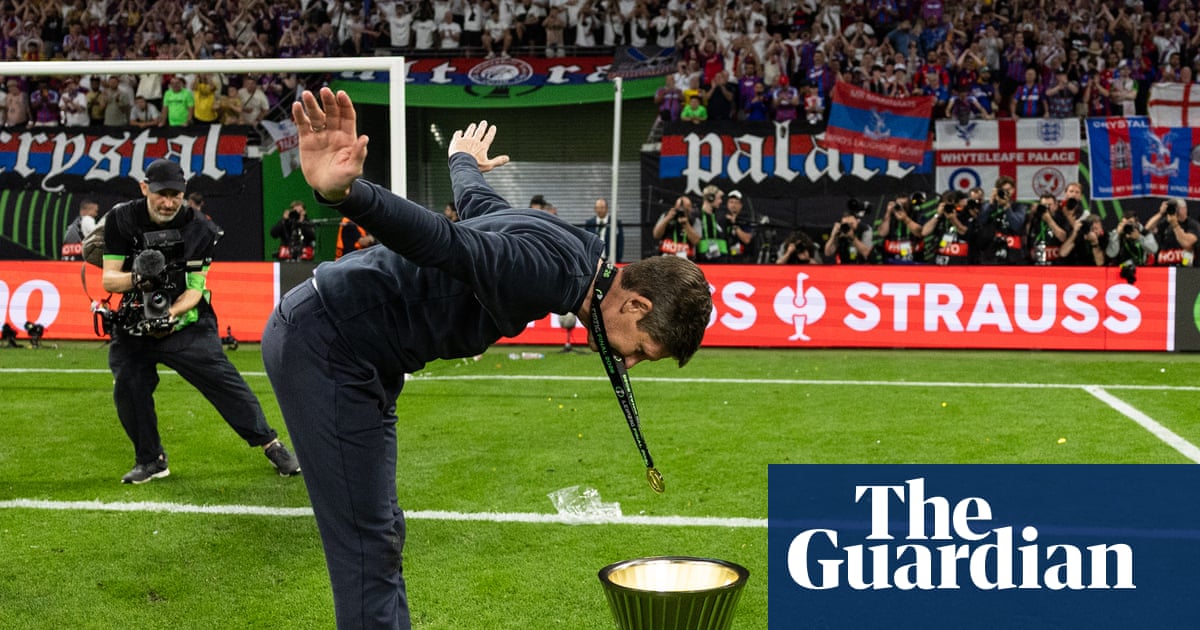
Crystal Palace's unlikely European title exposes the modern speed gap
11 hours ago
Bernardo Silva is effectively a cheat code on a free transfer
16 hours agoMore Analysis

Chris Sutton vs AI vs a podcast host: The absolute state of football punditry
1 month ago
EFL Team of the Season picks are basically just popularity contests
1 month, 1 week ago
Chris Sutton remains the king of the predictable prediction
1 month ago
Why Football Focus is finally dying after 52 years on the air
5 days, 7 hours ago
Football Focus is officially dead. Here is the final medical report.
1 week, 1 day ago