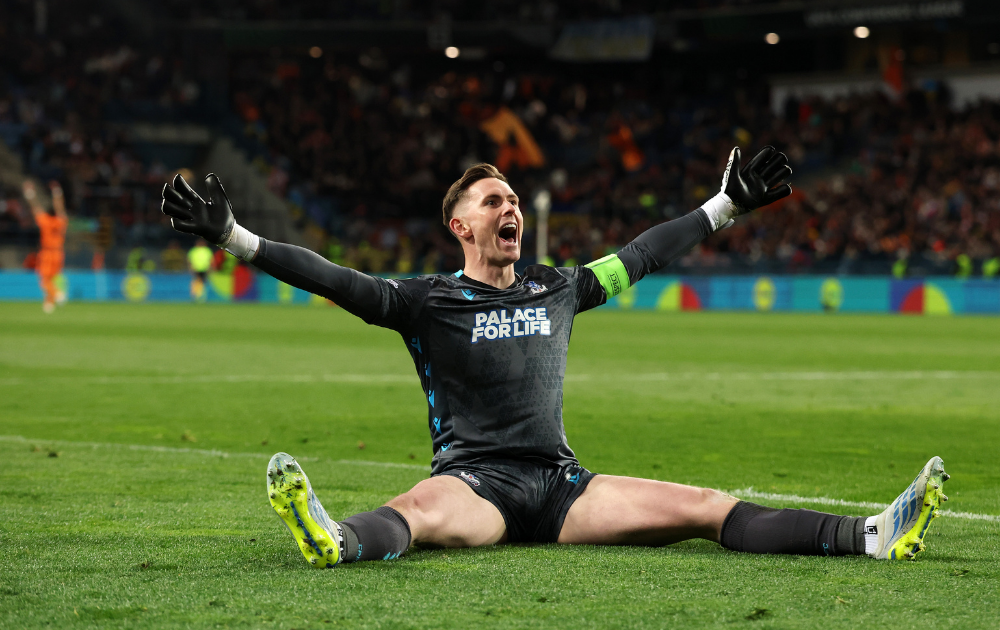
Arsenal and the ghosts of May: Why Selhurst Park looms large
The Selhurst Park trap
The Premier League title race has reached its breaking point. It is May 18, 2026, the air is getting warmer, and the legs are undeniably heavy. Arsenal and Manchester City are separated by just two points at the top of the table. Every pass, every clearance, and every refereeing decision is heavily dissected. Yet, the final obstacle for Mikel Arteta’s squad might not be the tactical maestros of the Etihad, but the chaotic entropy of South London.
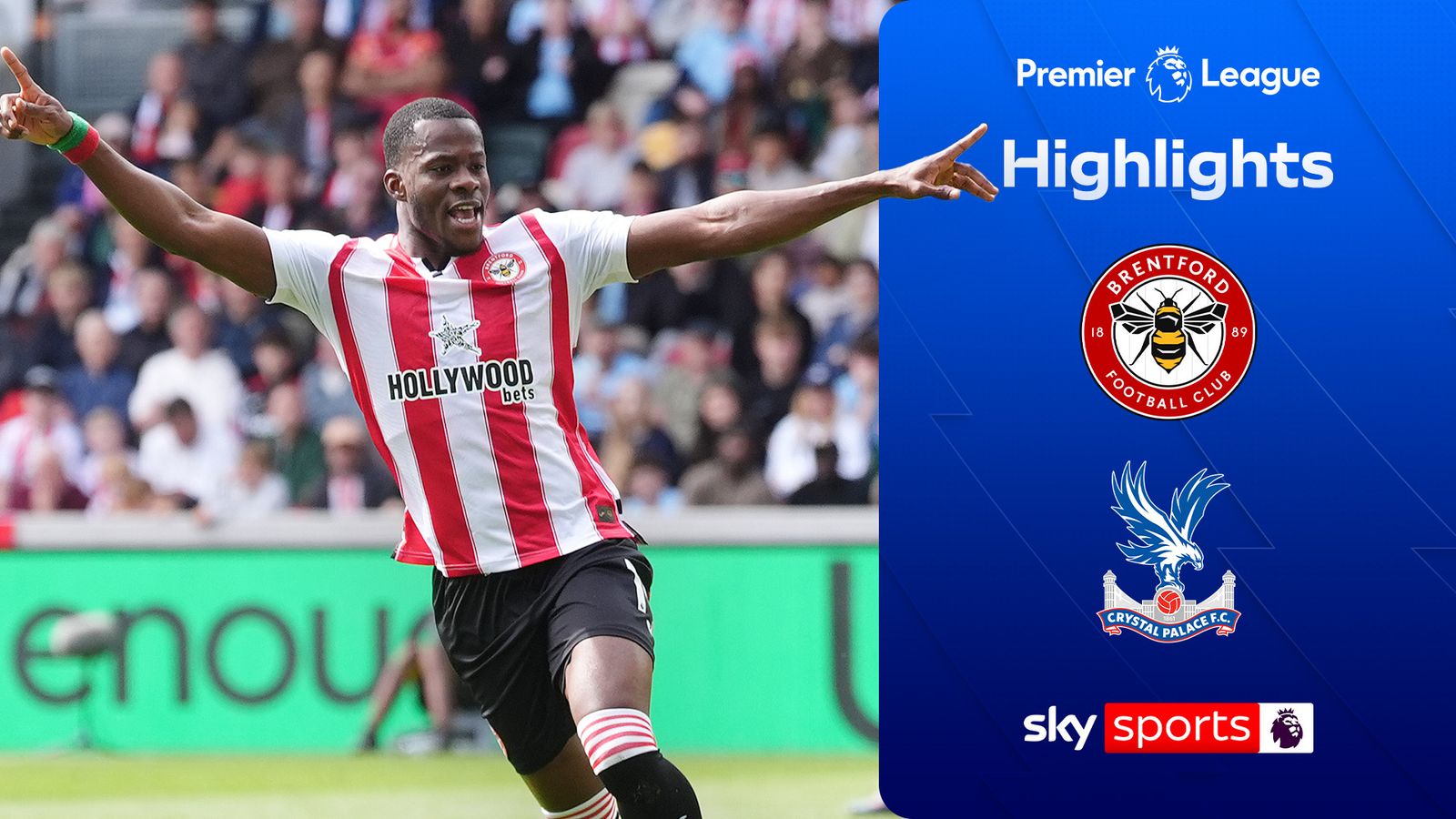
We saw hints of this volatility just yesterday at the Gtech Community Stadium. As reported by Sky Sports, Dango Ouattara’s double to deny Brentford a win served as a stark reminder of the defensive fatigue currently plaguing the league. Crystal Palace, drifting in mid-table relative to their early season output, possess a structure capable of dismantling teams that prioritize high-line possession sequences above all else.
When you look at the map of Arsenal’s run-in, Selhurst Park is the undeniable trap. Arteta relies on high-pressing metrics that require peak physical conditioning. The data shows that after 35 matches, the average intensity of the Arsenal press drops by 14 percent in the final 15 minutes of play. If the game remains scoreless or tight against a low-block setup, the frustration often leads to gaps in the defensive channels that a transitional side like Palace can readily exploit.
The European fatigue factor
The wider context of the Premier League season suggests a collective collapse among clubs chasing European spots. Brighton’s recent trajectory, highlighted in The Guardian, shows just how precarious these late-game situations have become. When Dominic Calvert-Lewin found the net late for Leeds, it wasn't just a win for the home side; it was evidence that defensive organization is falling apart across the division due to sheer fixture congestion.
Brighton’s inability to manage the transition from offense to defense in the 88th minute serves as a blueprint for how Arsenal must not play. If they over-commit their fullbacks in the dying minutes at Selhurst, they invite disaster. Arteta has fostered a controlled style, but the evidence shows that once the midfield anchor is overstretched by a counter-attacking opponent, the gap between the center-backs grows significantly.
Rob Edwards at Wolves has been equally transparent about the stresses on his squad. His talk of commitment regarding Mateus Mane, as discussed recently, reflects a deeper malaise. Coaches are no longer managing talent; they are managing the attrition of the calendar. If Arsenal cannot keep their heads in the noise of a packed stadium, the technical difference between them and the opposition won't matter.
Tactical blind spots
To win this title, Arsenal must address the recurring issue of their defensive spacing when the opponent utilizes a direct vertical ball. We saw in the Brentford match how Ouattara was able to find space between the center-back and the covering fullback. This is not an accident of geometry but a failure of the defensive press to track runners who start their movement deep in the midfield.
The shot maps from recent weeks indicate that Arsenal are conceding fewer shots overall but allowing higher quality chances when they do occur. This is a tell-tale sign of a team that is squeezing the middle of the pitch effectively but failing to guard their blind side against long balls. If they leave these corridors open at Selhurst Park, the pressure will mount in a way that likely forces a dropped result.
Criticism is due where it is earned. Arteta’s conservative substitution patterns in the final ten minutes of April have arguably led to this situation. By failing to rotate the primary pivot players, he has allowed the fatigue that we see across the league to manifest in his own starters. The eight-point gap that once felt secure has now evaporated, leaving the silverware dependent on a singular, high-friction contest in the season’s final chapter.
The upcoming window of early June, with the World Cup looming on June 11, means players are looking over their shoulders to their national teams. That lack of focus is usually the death knell for a title challenge. If Arsenal wins, it will be by the slimmest of margins. If they lose, the autopsy will point directly to the 80th-minute defensive lapses that have characterized the last month of lower-table chaos.
Read Next
- Arsenal are balancing on a knife edge before the Burnley clash
- Crystal Palace are about to ruin Arsenal's title hopes as City watch
- Oliver Glasner has a plan for Arsenal and the internet is terrified
- Arsenal's title desperation meets a chaotic final day of survival
- ⭐ UCL 2026 — Champions League Quarter-Finals Hub
adidas Trionda League Ball
The official replica for the 2026 World Cup, perfect for your next match.
More Coverage

Raheem Sterling's arrest is a disaster for his career timeline
30 minutes ago
Kieran Trippier is the exact veteran Wolves need right now
30 minutes ago
Adam Wharton emerges as top summer target for Arsenal's midfield evolution
47 minutes ago
Manchester United’s Summer Obsession: Why Inconsistency Defines the Strategy
47 minutes ago
Liverpool chasing Yan Diomande in high-stakes €150m transfer scramble
47 minutes ago
Scotland’s path through group stage hinges on the Haiti opener
an hour agoMore Analysis
Arsenal must reconcile their tactical past with this final hurdle
16 hours ago
Crystal Palace are about to ruin Arsenal's title hopes as City watch
1 week, 4 days ago
Arsenal are clinging to hope as the Premier League enters the home stretch
1 month, 2 weeks ago
Why Selhurst Park is a dangerous trap for Arteta's crowned champions
6 days, 4 hours ago
Arsenal are once again caught in their own heads during the run-in
1 month, 2 weeks ago