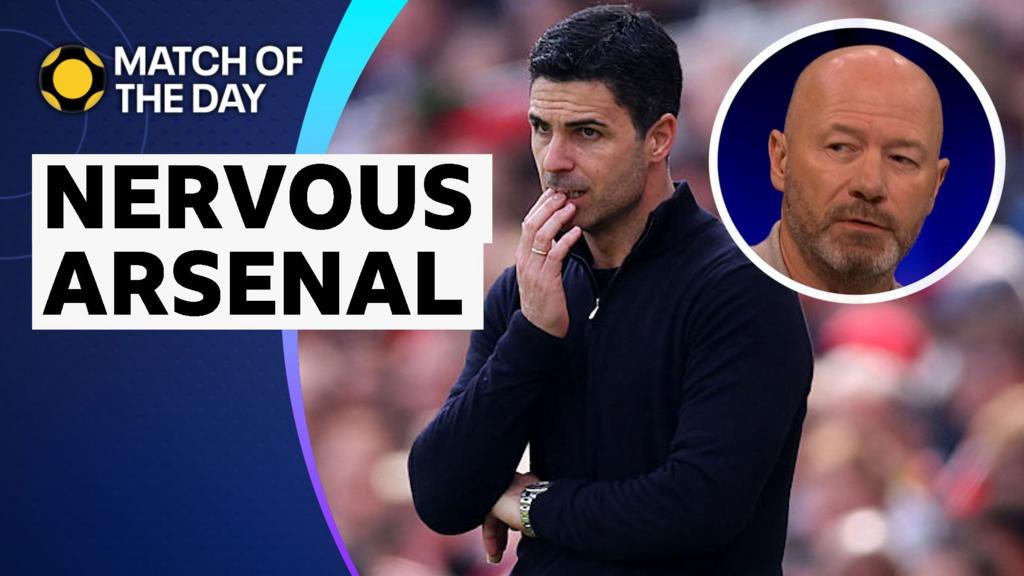
Arsenal hit a physical wall just as the stakes get impossible
The mounting toll of the Premier League furnace
Mikel Arteta’s squad has spent the better part of nine months operating in a state of high-intensity friction. While the tactical identity remains intact, the physiological cost is coming due. The recent concerns surrounding Kai Havertz and Eberechi Eze indicate that the margins Arsenal relied on during their sprint to the top are fraying.
Injury management is no longer a peripheral concern; it is the primary obstacle between this group and silverware. We are looking at a side that has survived on a high-press, high-possession model that demands complete buy-in from every starter. As Arteta recently noted, the assessment of his squad leaders remains a fluid situation with the medical team working around the clock to gauge availability for these final fixtures.
Tactical rigidity meets squad exhaustion
The reliance on a narrow set of starters has been a defining feature of Arsenal's campaign. While rotation is often touted as the solution to fatigue, the nature of the London side's build-up play makes rapid changes difficult to implement. When you pull a primary cog out of the machine, the entire gear sequence slows down.
Havertz has become a pivot point in the final third, and Eze provides the verticality that compensates for slower circulation across the backline. Losing either one significantly changes the team's xG production in the final 20 minutes. If players cannot hit their expected sprinting distance, the press loses its coordination, leaving the defensive line vulnerable to the kind of counters that crippled smaller teams earlier this season.
The shadow of the final month
With just over a month left in the domestic calendar, the schedule offers no relief. Every game is now treated as a survival match where control is preferred over risk. The tendency to retreat into a low block once a goal is secured has become more pronounced, a shift from the suffocating pressure seen during the autumn months.
It is a pragmatic transition born of necessity, but it invites trouble. When a team as technically gifted as this voluntarily surrenders possession, they lose the ability to reset their positioning. Defensively, this puts immense strain on the center backs to clear balls into the channels rather than controlling the tempo from the middle of the pitch. Arteta’s willingness to pivot toward a more defensive shell is intelligent, yet it feels like a concession to the reality of his depleted roster.
Evidence from the treatment room
The reports coming out of London Colney regarding the current fitness status of key assets suggests that the staff is currently choosing between forced rest or long-term damage. This isn't just a concern for the league table; it impacts the depth available for the upcoming European nights. Losing players to soft tissue issues in late April is a death knell for any title contender.
The club has consistently played with a high-stakes, high-load intensity. Now that the squad depth is being tested by the departure of key personnel to the physio room, the lack of quality depth becomes unavoidable. It is a harsh assessment, but relying on a core of 14 players for eight months was always going to reach a breaking point. We are observing that point in real-time.
The question for the next three weeks is whether the current rotation can hold the line. If Bukayo Saka and Martin Ødegaard are forced to carry the creative burden without the support of the wide players currently under evaluation, the offensive output will plateau. A 1-0 result is acceptable, but it is not sustainable when the defense is also being asked to cover for a non-existent pivot screen. Resilience is a quality, but eventually, biology dictates the outcome.
Read Next
- Arsenal's win over Newcastle proves their title push relies on grit, not flair
- Arsenal are out of excuses as Arteta demands title ownership
- Why William Saliba had to call out Arsenal's tactical laziness
- Arsenal and Newcastle are on a collision course, but the gaps remain
- ⭐ UCL 2026 — Champions League Quarter-Finals Hub
Nike Premier League Academy Soccer Ball
The official look of the Premier League for your weekend kickabouts.
Frequently Asked Questions
Why is Arsenal struggling to maintain their high-press tactics?
How does squad rotation affect Arsenal's tactical performance?
What tactical change has Mikel Arteta made recently?
What is the primary obstacle to Arsenal winning the title?
Why does Arsenal fall into a low block defensively?
More Coverage

Arsenal’s title win has changed the math for London football
3 hours ago
Arsenal vs PSG: The Champions League final is a tactical meat grinder
5 hours ago
Arsenal eye Aston Villa's Morgan Rogers as summer window looms
5 hours ago
Kieran Trippier move to Wolves is a gamble on fading legs
6 hours ago
Anthony Gordon to Barcelona: Analyzing the Camp Nou Gamble
6 hours ago
Chelsea paying 40 million for Alejandro Garnacho was a fever dream
7 hours agoMore Analysis
Arsenal face a brutal schedule as the title race hits the wall
1 month ago
Arsenal's title charge is hitting a physical wall
1 month, 4 weeks ago
Arsenal's title charge is hitting a massive physical wall
1 month, 2 weeks ago
Arsenal are sprinting toward a historic double but the cracks are starting to show
2 weeks, 4 days ago
Arsenal are winning, but the cracks are starting to show
1 month ago