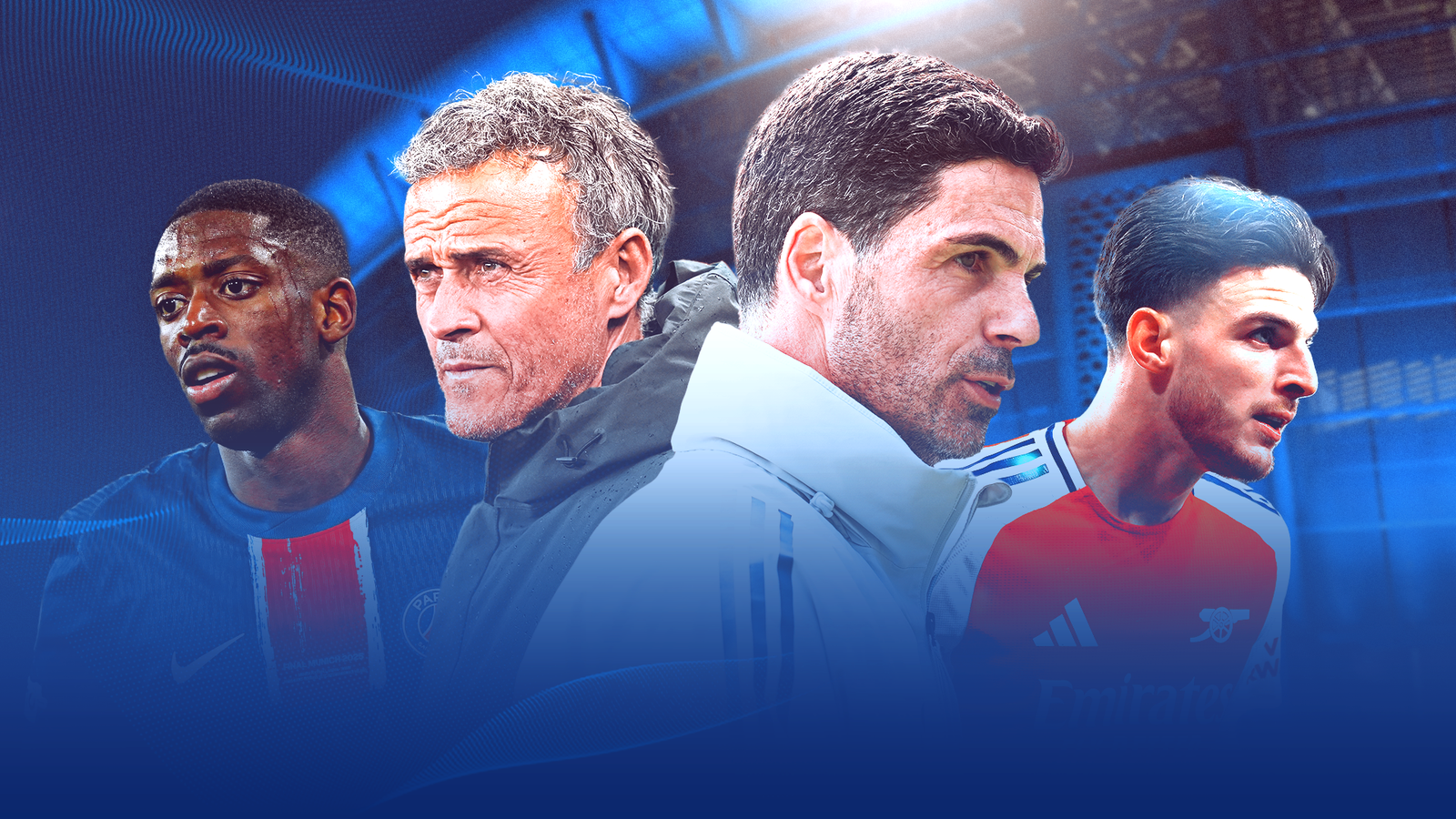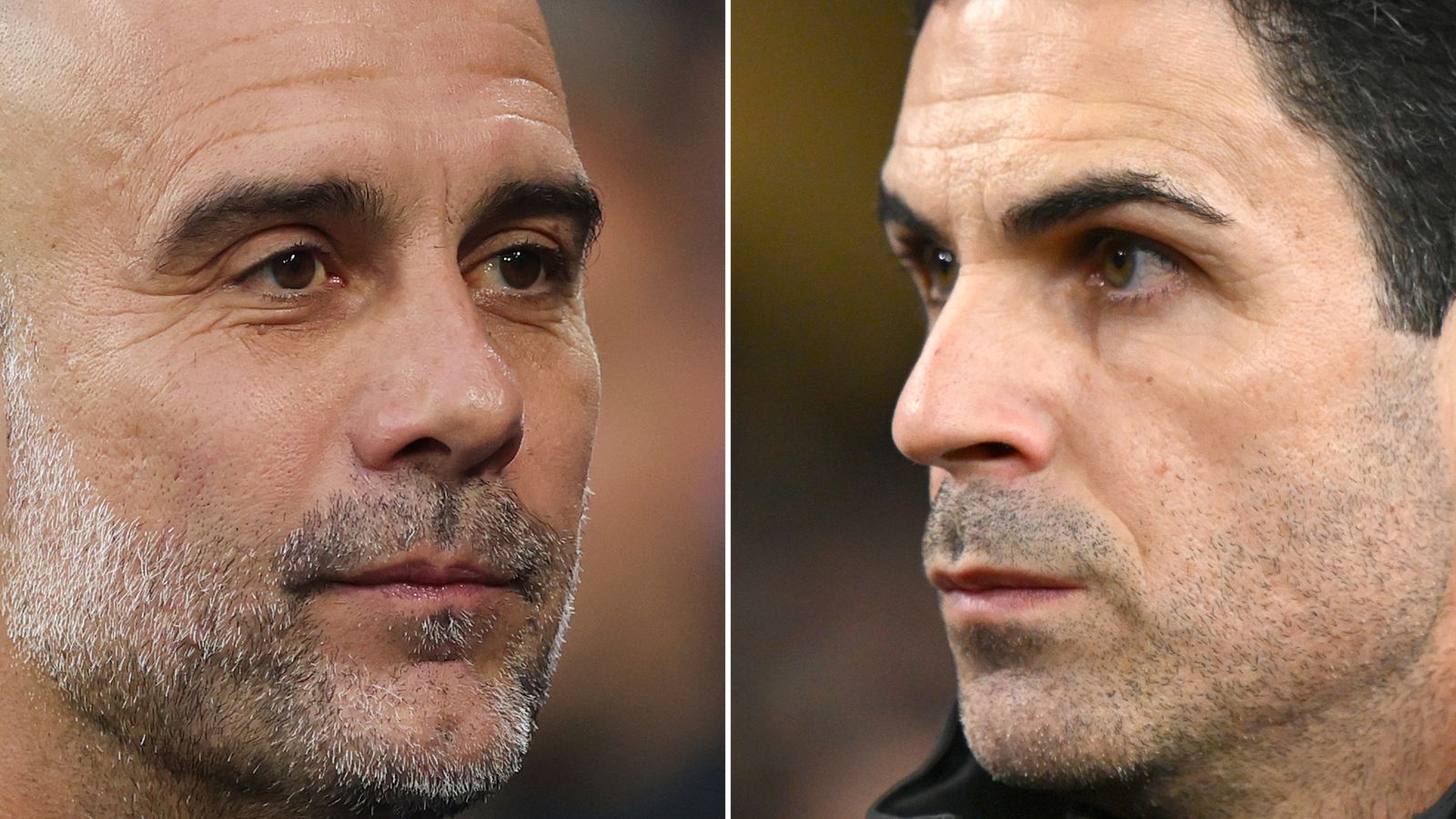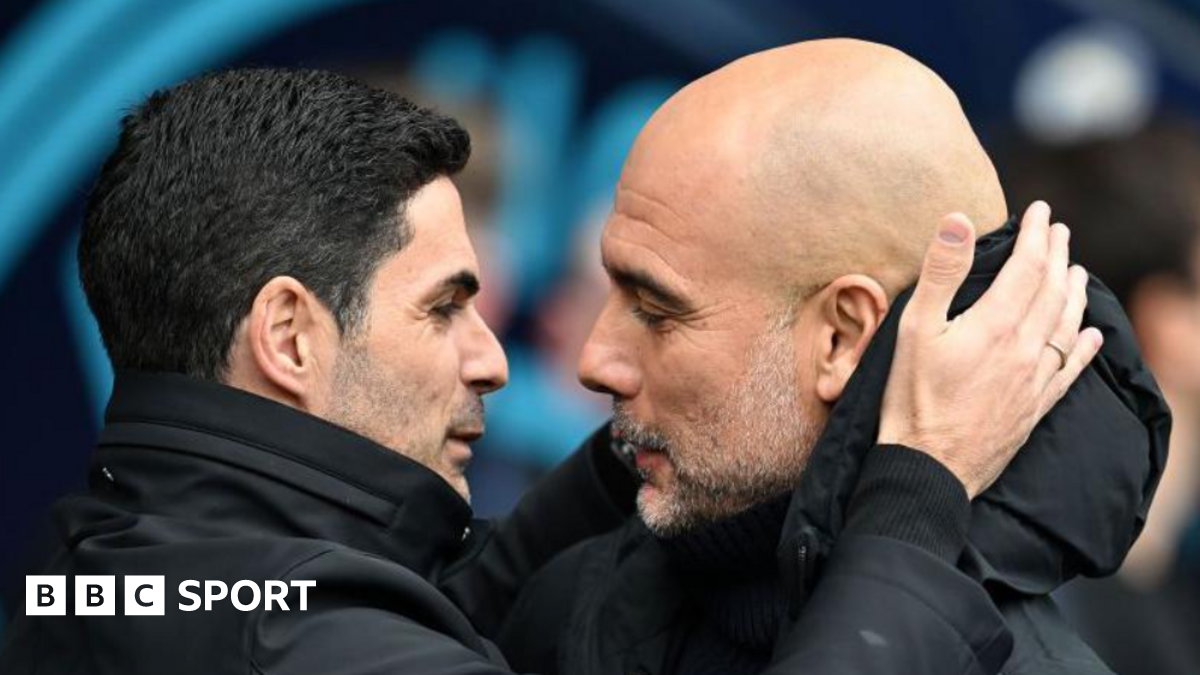
The evolution from control to chaos
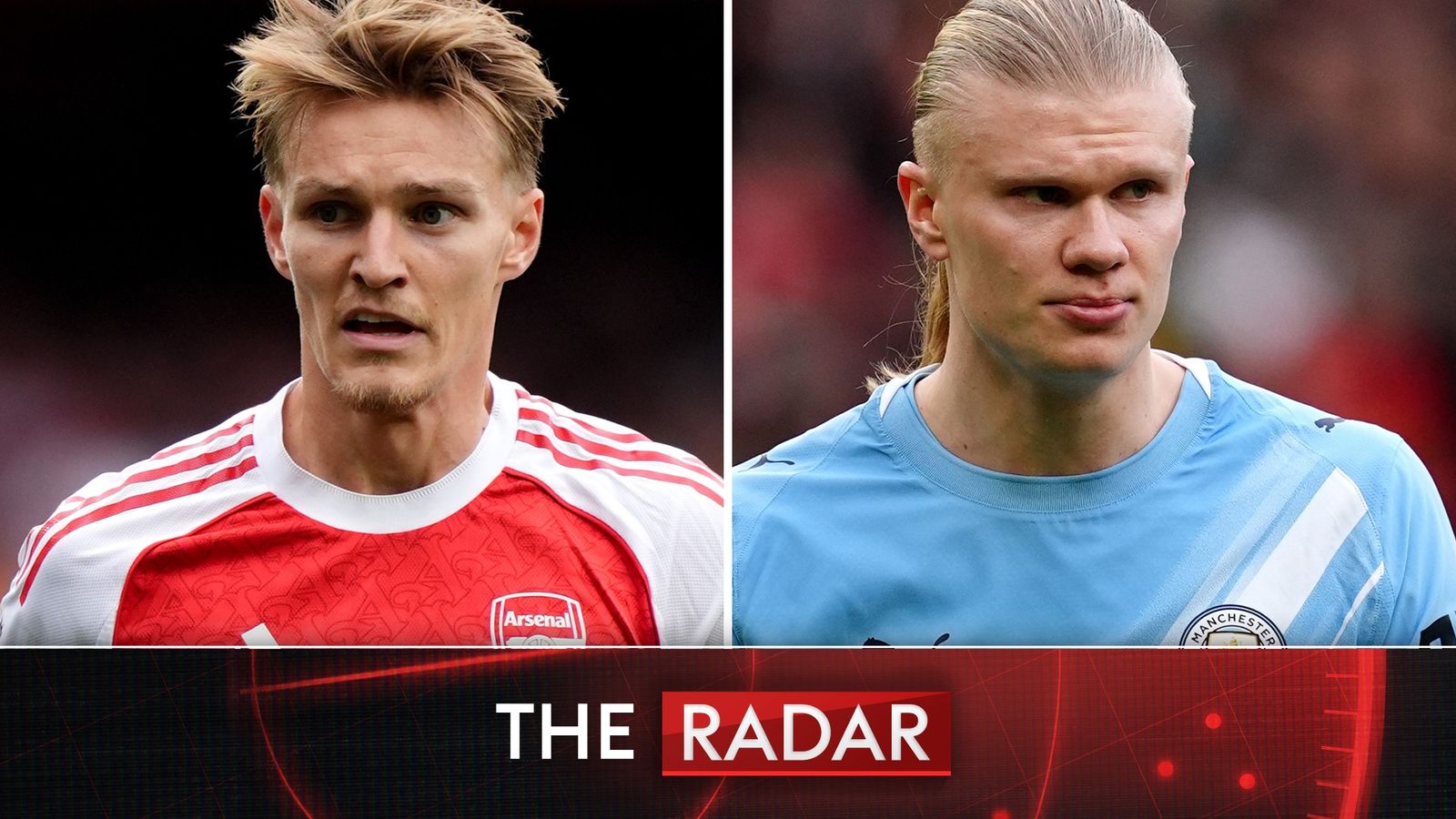
April 24, 2026, marks the point where the Premier League title race stops being a marathon and starts being a sprint through a minefield. For three years, Mikel Arteta has obsessed over 'control,' a concept that often manifested as a suffocating, low-risk possession game designed to minimize transitions. But as we look at the data heading into this weekend's clash at the Etihad, that philosophy has shifted toward something far more dangerous.
Arsenal are no longer just trying to be a better version of Manchester City. They have embraced the attacking shoot-out, a tactical pivot that acknowledges you cannot out-pass Pep Guardiola over ninety minutes. You have to out-run him, out-jump him, and occasionally, out-chaos him. The 'Radar' data suggests Arsenal’s shot volume has increased by 15% compared to this time last year, sacrificing a bit of defensive stability for sheer offensive output.
This is a high-stakes gamble. City thrive in the spaces left behind by over-ambitious opponents. Yet, the current Arsenal iteration possesses the verticality that was missing in 2024. With Bukayo Saka and Gabriel Martinelli operating on wider starting points, they are pulling City’s backline into horizontal stretches they historically hate. The goal isn't to hold the ball; it's to move it through the lines in under 12.4 seconds before Rodri can reset the defensive block.
The Rodri-Rice collision in the center circle
The tactical heart of this match lies in how Declan Rice manages the space between Arsenal's attacking quintet and their defensive four. In recent weeks, Rice has been given more license to join the press, often appearing as a makeshift number eight. This leaves a massive burden on William Saliba and Gabriel to defend one-on-one against Erling Haaland, a scenario that would make most managers lose sleep.
Guardiola will surely look to exploit this. If Rice is caught ahead of the ball during a turnover, Kevin De Bruyne—even in the twilight of his career—remains the most efficient passer of a transition ball in world football. City’s strategy has evolved to bait the Arsenal press, drawing Rice and Odegaard deep into the City half before launching long, diagonal balls to the opposite flank. It is a classic counter-punching tactic disguised as possession play.
We should expect to see John Stones stepping into midfield again, but with a twist. Instead of just providing a passing option, he is being used as a decoy to drag Kai Havertz out of the central lane. This creates a vacuum in 'Zone 14' that Phil Foden has spent the entire season exploiting. If Arsenal cannot maintain their vertical compactness, they will find themselves chasing shadows in the very areas they usually dominate.
The critical flaw in Arteta's late-game management
Despite the offensive brilliance, there is a persistent shadow over Arsenal's recent big-game performances. Arteta has developed a nervous habit of retreating into a 5-4-1 deep block far too early when holding a narrow lead. We saw it against Liverpool last month, and we saw it in the closing stages of the Champions League quarter-final. This passivity often invites the very pressure that leads to individual errors or VAR-induced heartbreaks.
By removing an attacking threat for an extra defender in the 78th minute, Arteta often cedes the initiative to teams that are masters at breaking down low blocks. Against City, this is suicidal. If you stop threatening their goal, their center-backs effectively become extra midfielders, and the pressure becomes exponential. Arsenal’s win probability drops significantly the moment they stop looking for a third goal and start defending their second.
There is also the question of fatigue. Both sides are playing their third high-intensity game in eight days, with Champions League semi-finals looming on Tuesday, April 28. Rotation will be forced, not optional. If Arsenal are forced to rely on their second-string full-backs against City’s wingers, the 'attacking shoot-out' might quickly turn into a one-sided defensive drill. The lack of genuine depth in the holding midfield role remains a glaring weakness that could be exposed under the Etihad lights.
The Haaland factor and the battle of margins
Erling Haaland's season has been defined by a strange kind of efficiency. He is touching the ball less than ever, yet his xG per shot has climbed to a staggering 0.21. He is the ultimate predator in a system designed to feed him high-value chances. Gabriel and Saliba managed to 'nullify' him in several previous encounters, but that required a level of physical exertion that is hard to maintain over a full season.
The battle on the edges of the box will be decided by micro-movements. Arsenal’s defensive line usually sits high, but against Haaland, they often drop five yards deeper. This creates a gap in front of the defense that Bernardo Silva loves to occupy. If Arsenal drop too deep, they lose their pressing triggers. If they stay high, they risk the ball over the top. It is a tactical catch-22 that requires perfect communication between the backline and the holding pivot.
Martin Odegaard’s role in this cannot be overstated. He is the one who must trigger the press while also being the primary creator on the break. If he is neutralized by Mateo Kovacic or Rodri, Arsenal’s transition game dies on the vine. The Norwegian has been in world-class form, but this is the ultimate test of his ability to dictate a game when he is being hounded by the most disciplined midfield in Europe.
A fearless prediction for the Etihad
This will not be a cagey, tactical stalemate. Both managers know that a draw does little to settle the narrative with so few games remaining. Arsenal have the speed to hurt City on the break, and City have the structural intelligence to find the gaps in Arsenal’s increasingly aggressive system. It feels like a match where the first goal won't settle anything; it will only act as the starter's pistol for a chaotic exchange of blows.
I expect goals, and I expect them to come from individual brilliance rather than systemic breakdowns. Saka is due a massive performance in a title-decider, and Foden is currently playing football on a different plane of existence. The mid-week European distractions might actually help the game's flow, as tired legs often lead to the kind of spacing errors that make for great television but miserable coaching post-mortems.
My call? A pulsating 2-2 draw that leaves the title race exactly where it started: on a knife-edge. Arsenal will lead twice, showing their new-found clinical edge, but City’s relentless ability to find an extra gear in the final ten minutes will haul them back. It is a result that will satisfy neither manager but will confirm that Arsenal are, finally, a team that can stand in the middle of the ring and trade punches with the champions without blinking.
Read Next
- Real Madrid vs Manchester City will be won in the shadow of the center circle
- Arsenal's mood problem: Arteta tries everything, fans are fed up
- Hearts are on the verge of breaking the Scottish status quo
- Arsenal's engine is sputtering right when the season demands acceleration
- ⭐ UCL 2026 — Champions League Quarter-Finals Hub