The psychological wall in East Manchester
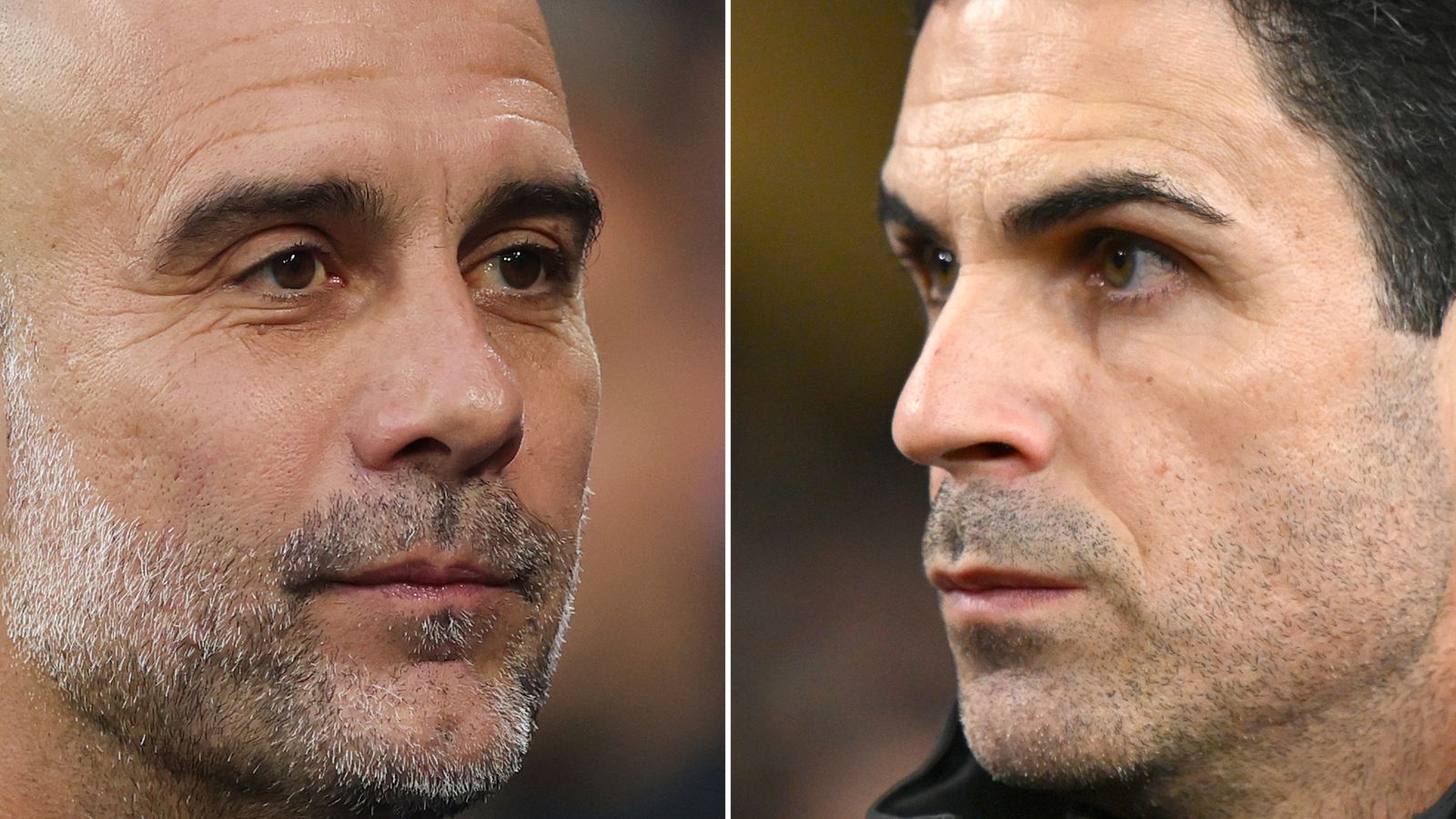
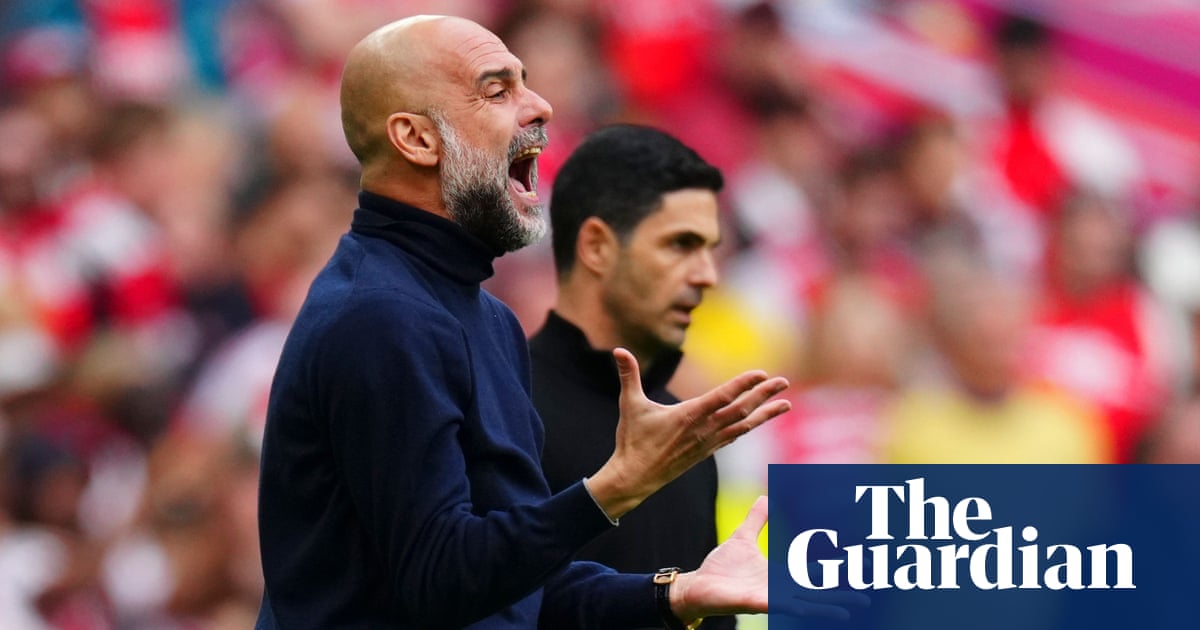
Forty-eight hours from now, the Etihad Stadium will host a match that feels less like a football fixture and more like a tactical deposition. For Mikel Arteta, this is the final exam he has been studying for since he left Pep Guardiola’s side in 2019. The Premier League table shows a narrow gap, but the historical weight of this stadium for Arsenal is measured in tons rather than points.
We have seen this movie before. Arsenal arrive with momentum, a settled starting XI, and a theoretical plan to disrupt City’s rhythm, only to find themselves suffocated by a 92% pass completion rate and a relentless high press that forces individual errors. However, the 2026 version of this Arsenal squad is built differently. They are no longer the lightweight technicians who collapsed in 2023 or the ultra-conservative pragmatists who ground out a 0-0 draw in 2024.
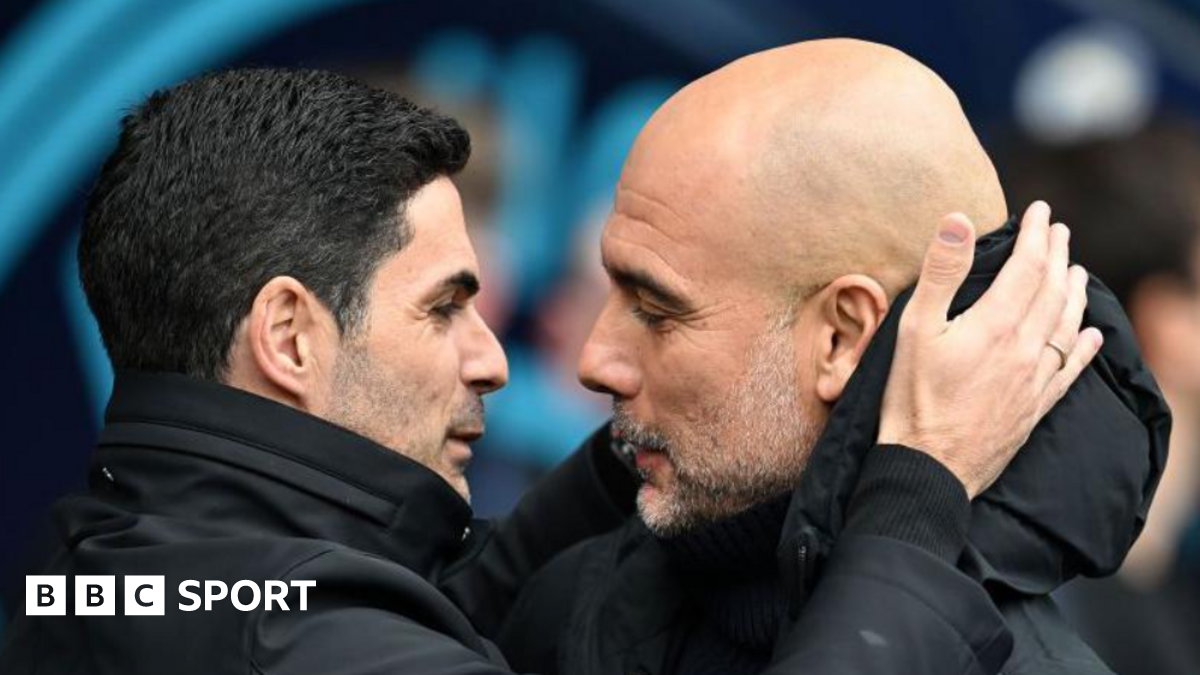
The evolution of the relationship between the two managers adds a layer of intrigue that usually belongs in a spy novel. As Guillem Balague recently noted, the communication between Arteta and Guardiola remains a constant, silent thread in their careers. They know each other’s triggers, their tactical insecurities, and the exact moment when the other is likely to blink.
The 3-box-3 vs. the Mid-block Trap
Guardiola’s recent reliance on the 3-box-3 formation, with John Stones drifting into the double pivot alongside Rodri, has been the benchmark for control. City look to create a numerical superiority in central areas, dragging opponents into a narrow defensive shape before exploiting the half-spaces. If Arsenal over-commit to stopping the supply line to Erling Haaland, they leave the wings vulnerable to the 1v1 threat of Savinho or Phil Foden.
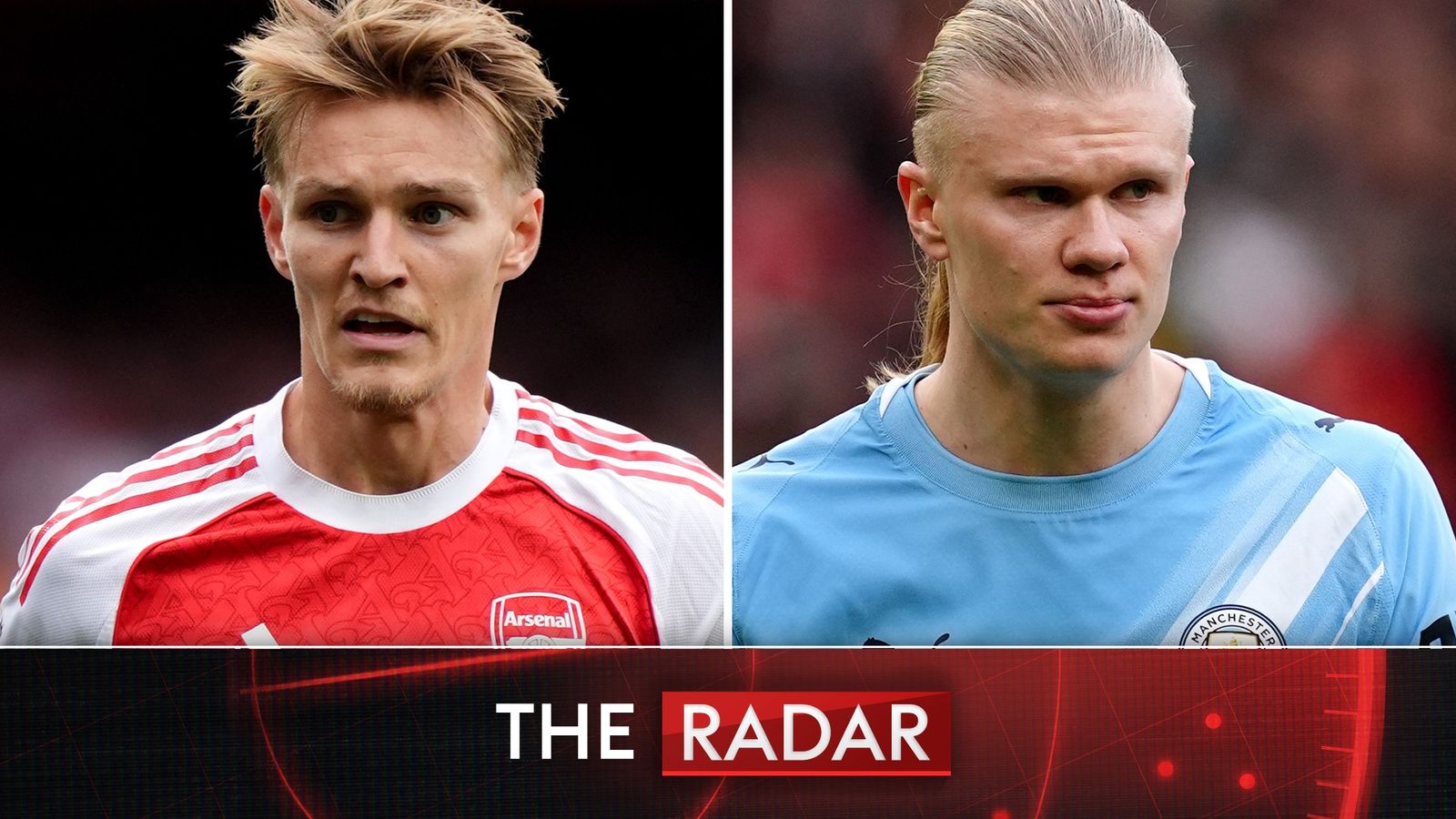
Arteta’s response this season has been a sophisticated 4-4-2 mid-block that triggers into a man-oriented press the second the ball enters the middle third. Look at the way Martin Odegaard and Kai Havertz shadow the opposition pivots. They don't just chase the ball; they eliminate the angles. Arsenal’s success on Sunday depends on their ability to maintain this discipline for 90 minutes without dropping into a low block that allows City to set up camp in their half.
There is a recurring flaw in Arteta's big-game management that needs addressing. In high-stakes moments at the Etihad, he has occasionally been guilty of 'over-coaching' the spontaneity out of his players. When Bukayo Saka is forced to track back so deep that he becomes a secondary right-back, Arsenal lose their transition threat. They cannot afford to turn this into a game of pure survival; they have to hurt City on the counter-attack, or the pressure will eventually break them.
The Rodri Problem and the Saliba Solution
Every tactical discussion involving Manchester City eventually circles back to Rodri. He is the metronome that determines the temperature of the match. If he is allowed to dictate play, Arsenal are finished. However, we saw in the Champions League quarter-finals earlier this month that a high-intensity twin-press can rattle even him. If Arsenal can isolate Rodri from his center-backs during the build-up, they can force Ederson into long balls—a scenario that suits William Saliba and Gabriel perfectly.
Physicality over Finesse
The physical duel between Haaland and Saliba has become the defining individual battle of the Premier League. In their last three meetings, Saliba has restricted Haaland to just 4 shots on target in total. It is a masterclass in positioning and recovery speed. Saliba doesn't just match Haaland for strength; he anticipates the Norwegian's blind-side runs before they happen.
"Nobody says who called first, but Arteta and Guardiola speak again," Balague observed, highlighting the mutual respect that often masks a ruthless competitive edge.
Arsenal's Achilles' heel remains their clinical edge in the final third. For all their intricate build-up, they still lack a killer instinct when games are decided by thin margins. Havertz has been exceptional as a focal point, but he is not a natural predator. If Arsenal create three clear-cut chances on Sunday, they probably need to score two of them. In a stadium where City have not lost a league game in years, wastefulness is a death sentence.
A prediction of tactical stalemate or breakout?
City are coming off a grueling European schedule, and there are whispers of fatigue in their midfield trio. This is the opening Arsenal have been waiting for. If Declan Rice can win the second-ball battle against Kevin De Bruyne and Bernardo Silva, the momentum shifts. But betting against Guardiola at home is usually a fool's errand. He has a habit of introducing a late-season wrinkle—perhaps a hybrid role for Rico Lewis—that catches opponents off guard.
- City’s home unbeaten streak: 31 matches in all competitions
- Arsenal’s defensive record: 12 clean sheets away from home this season
- Key Stat: Arsenal have scored 45% of their goals this season from set-piece transitions
The game will likely be decided in the 75th minute, during that window where physical fatigue starts to override tactical instructions. If Arteta waits too long to introduce fresh legs on the flanks, City’s bench depth—specifically the likes of Jeremy Doku—will tear through a tiring Arsenal backline. This isn't just about the three points; it's about the psychological shift required to win a title in this era.
I expect a cagey affair that explodes in the second half. Arsenal will score first through a well-worked transition, but City’s inevitable response will turn the final twenty minutes into a siege. I’m backing a 1-1 draw, a result that keeps the title race alive but leaves Arsenal still searching for that elusive statement win at the home of the champions. It’s a safe call, perhaps, but one grounded in the reality of how these two heavyweights neutralize each other.
Read Next