The weight of the 1-1 draw
May 1st is when the air gets thin in the Champions League. The margin for error vanishes. Following the tactical stalemate at the Emirates four nights ago, Mikel Arteta now faces the defining ninety minutes of his managerial career. As The Guardian accurately reported this morning, football drama is peaking as we hit the business end of the season, and the narrative in North London is reaching a fever pitch.
Arsenal were the better side for sixty minutes in the first leg, maintaining a 58% possession share and pinning Barcelona into their own defensive third. Yet, the inability to kill off the game when Martin Odegaard was dictating the tempo from the half-spaces has left this tie dangerously poised. Barcelona’s equalizer in the 82nd minute was a harsh reminder that at this level, one defensive lapse is a death sentence. Gabriel Magalhães getting sucked into a vacuum by Robert Lewandowski’s decoy run was the exact kind of veteran mistake Arsenal cannot afford on Tuesday night.
The Lamine Yamal problem
To win at the Camp Nou, you have to solve the Lamine Yamal puzzle. The 18-year-old is no longer just a prospect; he is the most efficient wide outlet in European football, averaging 4.2 successful dribbles per match in this season’s competition. In the first leg, William Saliba had to bail out Oleksandr Zinchenko on three separate occasions when Yamal inverted his run. If Arteta starts Zinchenko again in Catalonia, he is effectively inviting a tactical execution.
The solution is likely Jurrien Timber. His lateral quickness and ability to show Yamal onto his weaker right foot will be the decisive individual battle. Arsenal’s high line is a high-reward strategy, but against a Hansi Flick side that thrives on vertical transitions, it feels like playing Russian roulette with a fully loaded chamber. The Gunners’ defensive block recorded a staggering 14 interceptions in the first leg, but they were consistently vulnerable to the direct lofted ball over the top aimed at Raphinha.
The midfield chess match
Control will be won or lost in the middle ten yards of the pitch. Martin Odegaard’s first-leg performance was a masterclass in spatial awareness, completing 94% of his passes under intense pressure from Gavi and Pedri. However, Declan Rice looked physically leggy in the final twenty minutes, a worrying sign for a player who has already clocked over 4,200 minutes of football this season. If Rice cannot anchor the transition, Arsenal will be cut open by Barcelona’s interior runners.
"Football drama awaits, F1 returns and it’s the World Snooker final – follow with us," as The Guardian noted, reflecting the sheer density of the sporting calendar this weekend.
Arsenal’s press was effective early on, forcing Marc-André ter Stegen into five long balls that were easily mopped up by Saliba. But the intensity dropped off significantly after the hour mark. In a stadium as wide and intimidating as the Camp Nou, any drop in pressing triggers will be exploited by Frenkie de Jong. De Jong’s ability to resist the first man and drive through the lines is the primary threat to Arteta’s structure. If he is allowed to turn, Arsenal’s back four will be retreating for ninety minutes.
Arteta’s substitution dilemma
One of the recurring criticisms of Arteta this season has been his reactive rather than proactive use of the bench. In the 1-1 draw, he waited until the 85th minute to introduce fresh legs in the wide areas, by which time the momentum had already swung toward the Catalans. Leandro Trossard and Gabriel Martinelli are arguably the most dangerous bench duo in the Premier League, yet they are being treated like emergency break-glass options rather than tactical weapons.
Arteta needs to be braver. If the game is level at sixty minutes, the introduction of Martinelli against a tiring Jules Koundé is a mismatch that Arsenal must exploit. Koundé struggled with Trossard’s movement late in the first leg, and a direct runner with Martinelli's explosive pace would be the ideal counter to Flick’s aggressive offside trap. The data suggests that Barcelona concede 30% more chances in the final fifteen minutes of matches when their full-backs are pushed high.
The final verdict
This isn't the Arsenal of 2011 or 2016. This side has a psychological steel that was forged in the title races of the last two seasons. They are more disciplined, more athletic, and crucially, they have the best central defensive partnership in Europe. While Barcelona have the individual brilliance of Yamal and the predatory instincts of Lewandowski, they lack the structural cohesion that Arteta has spent four years building. The first leg was a cagey affair, but the Second Leg will be defined by space.
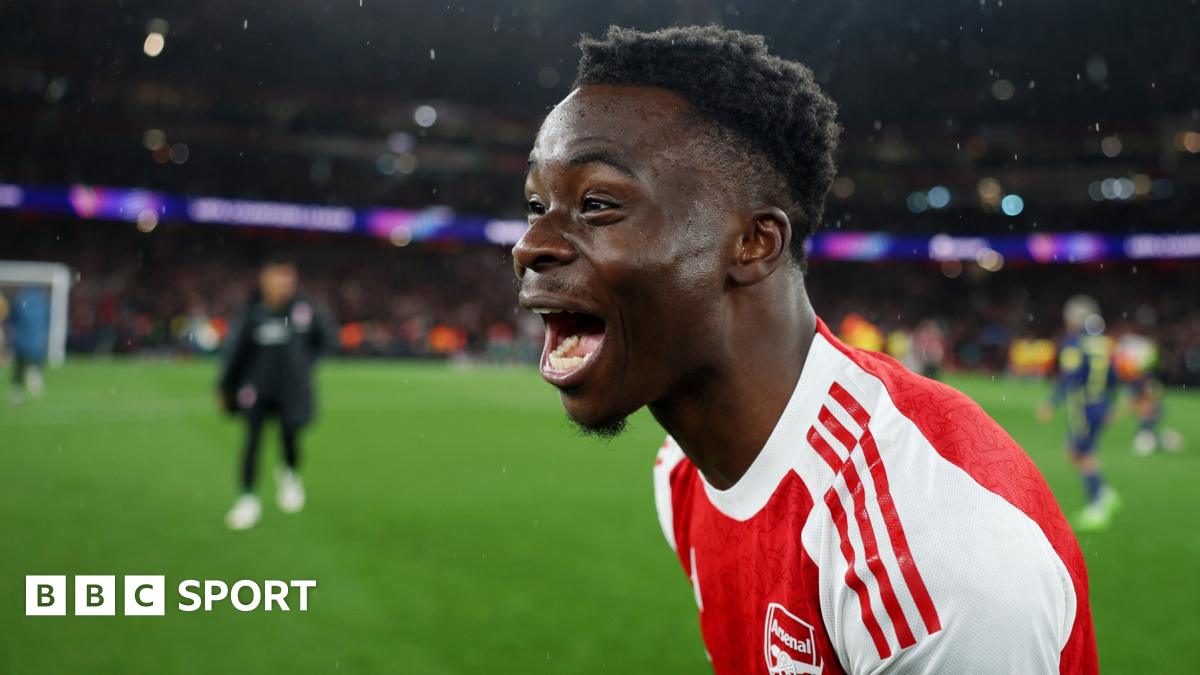
Expect Arsenal to weather an early storm in front of a hostile crowd. Barcelona will dominate the ball, but they will find it increasingly difficult to penetrate the Saliba-Gabriel axis. As the game stretches, Odegaard will find the pockets of space between De Jong and Pedri that he exploited so well in London. A single moment of transition—likely a Bukayo Saka cut-back—will silence the Camp Nou and send Arsenal to the Final in Paris.
My prediction is a 2-1 victory for the Gunners. It won’t be pretty, and there will be moments where they are hanging on by their fingernails, but this group is ready for the leap. The era of Arsenal being European bridesmaids is about to end on the biggest stage possible. They have the tactical tools, the statistical edge in xG creation, and the maturity to navigate the drama that awaits them on Tuesday night.
Read Next
- Arsenal's familiar excuses mean another May collapse is inevitable
- Arsenal got robbed in Madrid and UEFA’s explanation is total nonsense
- Arteta’s ruthless standard is the only way Arsenal survives the Fulham trap
- Arsenal’s rotation gamble against Fulham won’t be as simple as Henry thinks
- 🇪🇸 Spain World Cup 2026 — La Roja Hub
- 🇳🇴 Norway World Cup 2026 — Can Haaland Lead the Vikings?
- ⚽ La Liga 2025-26 — Title Race Hub
- ⭐ UCL 2026 — Champions League Quarter-Finals Hub