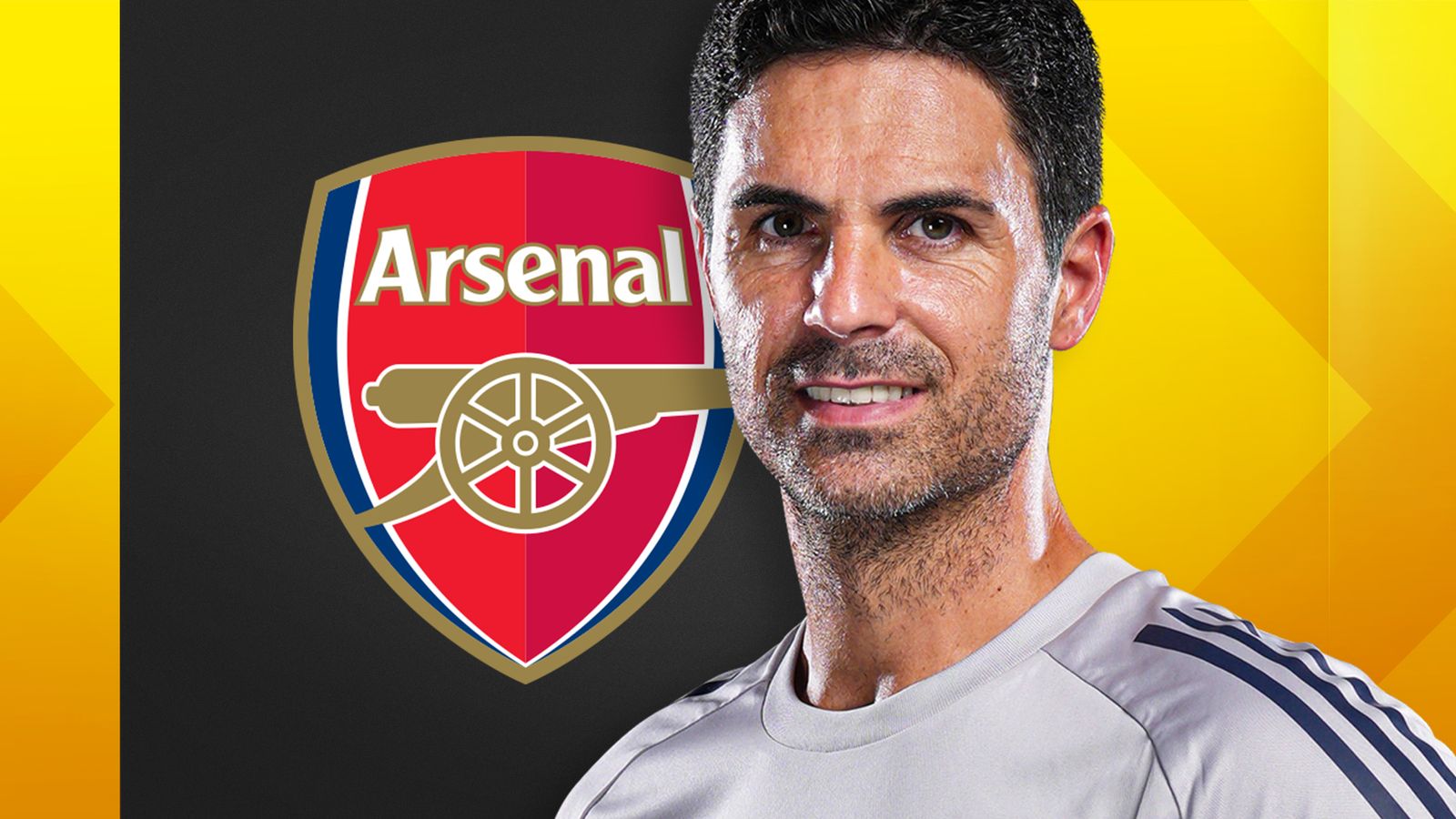
It is May 1, 2026. Arsenal fans are waking up to familiar headlines. Mikel Arteta is preparing to face the press, and the agenda is already set: refereeing controversies and a mounting injury list. We have seen this movie before, and we know exactly how the final act plays out.
When a manager starts talking about referees in May, the title race is usually slipping away. It shifts the focus from performance to persecution. Arsenal have built a remarkable squad over the last few years, but their psychological fragility in the final weeks of the season remains a glaring issue. You can almost set your watch to it. Spring arrives, a key player picks up a knock, a 50-50 call goes against them, and the entire operation starts to rattle.
The Sky Sports update confirms Arteta will address the latest officiating drama in his next press conference. This is a trap. Elite teams absorb bad decisions and move on. Manchester City under Pep Guardiola might complain briefly, but they immediately pivot back to tactical execution. Jurgen Klopp used to vent, but his teams fed off the perceived injustice to run harder. Arteta’s Arsenal tend to retreat into themselves. They start playing with anxiety, waiting for the next thing to go wrong.
The Injury Excuse and Tactical Stubbornness
Injuries are the reality of modern football. You play 60 games a year, players get hurt. The great teams adapt. Real Madrid won the Champions League without a recognized striker and their first-choice goalkeeper. Arsenal, however, rely so heavily on automated patterns of play that removing one piece disrupts the entire machine.
We saw it years ago when William Saliba went down. We saw it when Thomas Partey was missing. Now, with a new batch of injuries hitting in May 2026, the cracks are showing again. Arteta is a brilliant coach, but he is fundamentally rigid. He has a Plan A that can blow anyone away. When forced to improvise, he struggles. He trusts a core group of players, running them into the ground until they break. Then, when they inevitably do break, the drop-off to the bench is staggering.
You cannot win the Premier League or the Champions League relying on luck with injuries. You need tactical flexibility. You need to win ugly games where your third-choice winger is forced to play as a false nine. Arteta has not shown he can win that way consistently. The squad depth has been an issue for seasons, and despite massive summer spending, they still look remarkably thin when two or three starters go down.
Press Conference Psychology
There is a distinct difference between a manager protecting his players and a manager creating a victim complex. Sir Alex Ferguson famously manipulated referees through the press, but he did it to intimidate them, not to excuse his own team's failings. Jose Mourinho used the media to create an 'us against the world' siege mentality that actively fueled his squads.
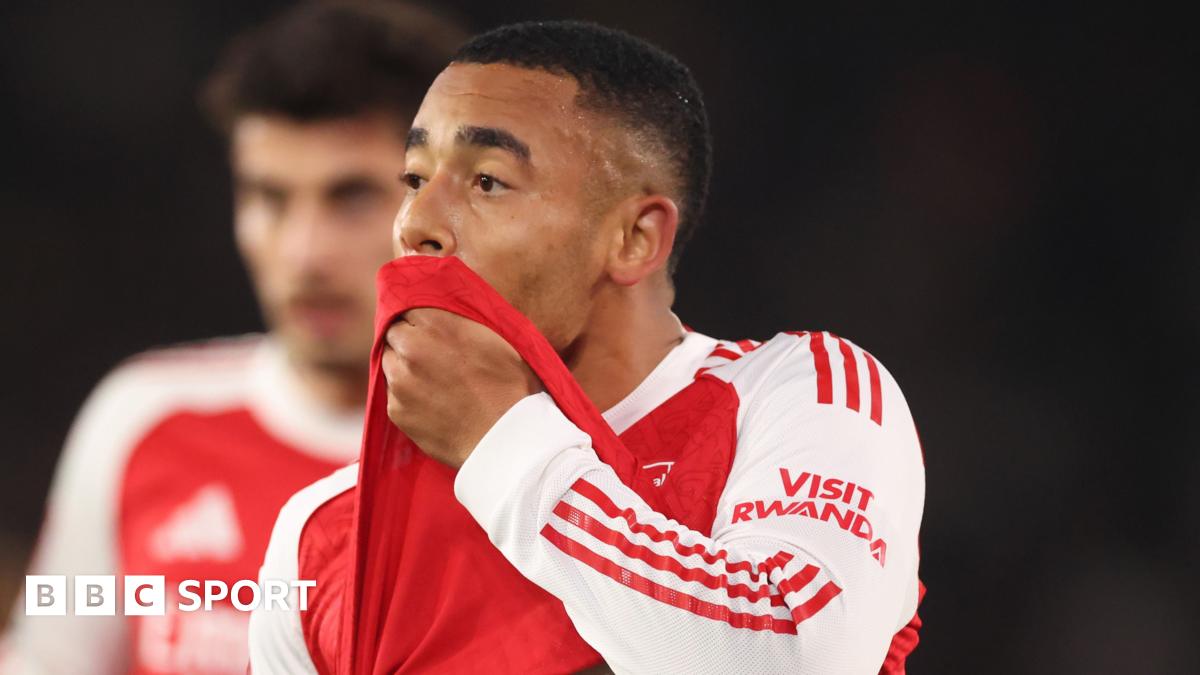
Arteta’s approach feels different. When he speaks about injuries and officiating, it often reads as preemptive damage control. It signals to the dressing room that the deck is stacked against them. For a young squad that already carries the historical weight of Arsenal's late-season collapses, that is the exact wrong message to send.
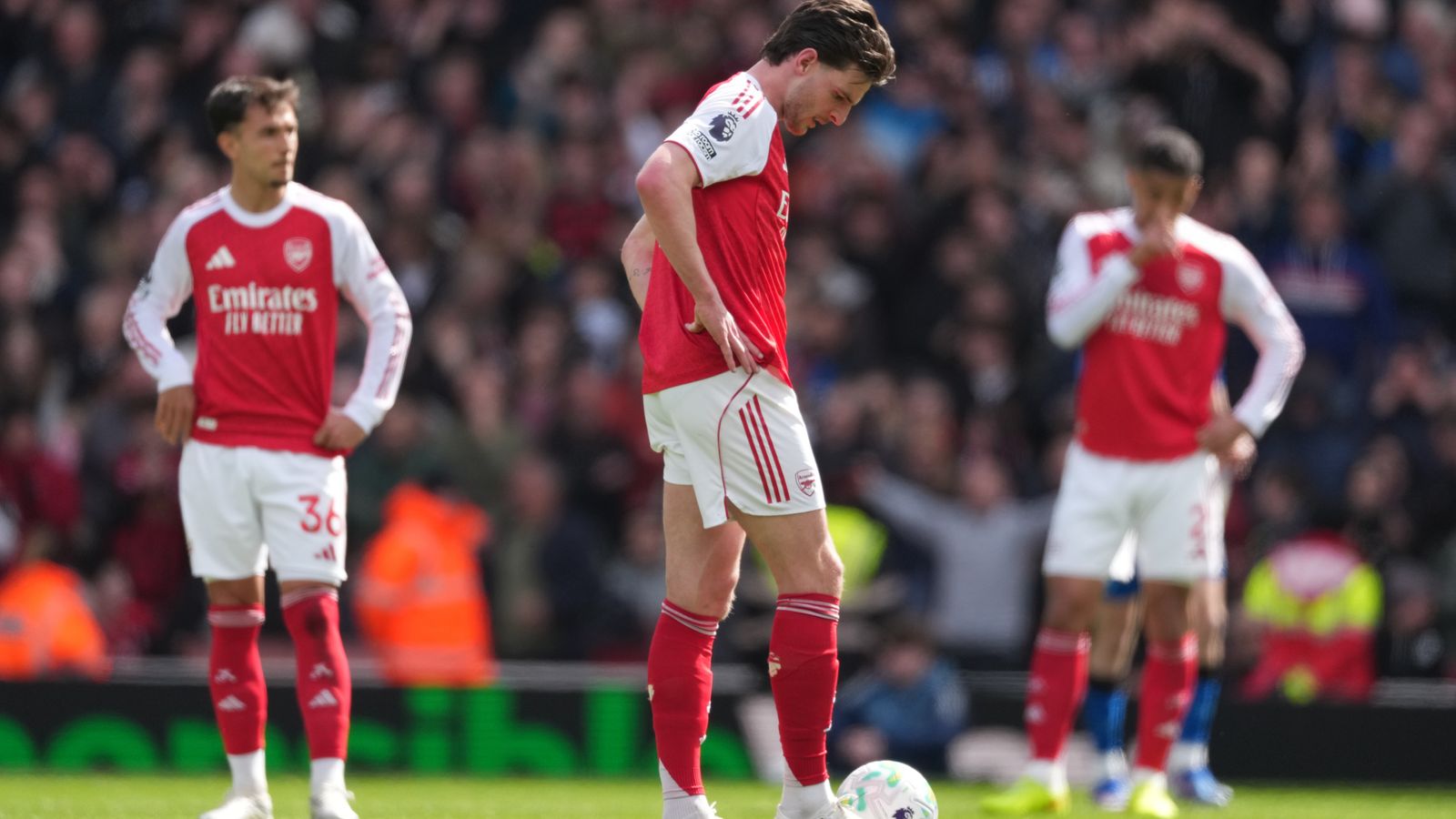
The players hear the noise. They scroll social media. They know the manager is fixated on a penalty shout from the previous weekend instead of the tactical adjustments needed for the next match. That lack of focus bleeds onto the pitch. You see it in the frantic way they chase games when behind, rushing passes and abandoning their structure.
The Upcoming Fixture Trap
Let us look at the calendar. The Champions League semi-final second leg is exactly four days away, landing on May 5. Arsenal are carrying knocks and nursing grievances. That is a toxic combination when you are heading into a decisive European night against elite opposition.
The refereeing controversy from the weekend will dominate the build-up. The players will read the quotes. They will feel the anger radiating from their manager. Instead of focusing on breaking down a low block or managing transitions, they will be thinking about whether the official is going to screw them over again.
This is why I am calling it now. Arsenal are going to stumble. They will likely draw their next Premier League game, dropping points they cannot afford to lose. Then, carrying that frustration into the Champions League, they will get picked off on the counter-attack. The emotional energy spent arguing with officials will leave their legs heavy when they need to track back in the 85th minute.
Structural Failures on the Pitch
When Arsenal lose confidence, their spacing issues become obvious. The fullbacks stop tucking into the midfield with conviction. The wingers hug the touchline too closely, isolating themselves from the center forwards. The pressing triggers lose their synchronization.
Without their preferred starting eleven, the intricate passing triangles that define Arteta's system break down. They end up passing the ball in a U-shape around the opponent's penalty area. It looks like domination, but it is entirely sterile. They will hold the ball for long stretches, yet fail to register a shot on target for twenty-minute intervals.
Opposing managers know this. The blueprint to beat a frustrated Arsenal is well documented. You sit in a compact mid-block, deny space between the lines, and wait for them to overcommit. When the inevitable sloppy pass happens, you hit them in the channels. It is not rocket science, but it works precisely because Arsenal refuse to alter their approach.
Numbers Do Not Lie
Let us look at the historical data. Teams that publicly focus on refereeing decisions in the final month of the season see a measurable dip in performance. The mental energy spent arguing with officials and dwelling on past mistakes translates to slower reaction times on the pitch.
Arsenal’s expected goals (xG) consistently drop when they are missing key starters. They do not just create fewer chances; the quality of those chances plummets. They end up settling for low-percentage shots from outside the box because the intricate passing patterns are broken. I expect to see a lot of sideways passing and frustrated body language over the next week.
They will probably dominate possession. They always do. We will see them rack up massive possession stats, pass it around the perimeter, and fail to penetrate. Meanwhile, their opponents will sit deep, wait for a mistake, and strike.
The Final Verdict
I am not saying Arsenal are a bad team. They are genuinely excellent. But excellence over 34 games is different from excellence over 38 games. The final four matches are about nerve, adaptability, and emotional control.
Arteta complaining about referees is the white flag. It gives the players a built-in excuse if they fail. This mentality might protect egos in the short term, but it does not put trophies in the cabinet.
Expect a sluggish performance this weekend. Expect a frustrating 1-1 draw where Arsenal concede late after failing to put the game to bed. And expect that Champions League run to end on Tuesday night. The pressure is on, the injuries are mounting, and the excuses are already being printed.
If they crash out of the Champions League on May 5, the autopsy will be brutal. The front office will have to ask hard questions about whether this core group has a ceiling they simply cannot push past. You can only blame injuries and referees so many times before you have to look in the mirror.
A team that considers itself among Europe's elite cannot fall apart because of a tweaked hamstring or a missed offside call. Real Madrid and Bayern Munich do not behave this way. They impose their will on games regardless of who is wearing the shirt or holding the whistle. Arsenal still act like plucky underdogs fighting a rigged system, and that exact mindset is what keeps them from taking the final step.
So, lock in the prediction. Dropped points this weekend, and a painful European exit on Tuesday. The post-match press conference will feature more complaints, more finger-pointing, and more deflection. But the underlying truth will be obvious: they were simply not tough enough when it mattered most.
Read Next
- Arsenal got robbed in Madrid and UEFA’s explanation is total nonsense
- Arsenal’s rotation gamble against Fulham won’t be as simple as Henry thinks
- Arsenal and Atletico are heading for a powderkeg second leg
- Arsenal vs Atletico is becoming the most toxic soap opera in Europe
- ⭐ UCL 2026 — Champions League Quarter-Finals Hub