The Budapest Blueprint
May 28, 2026 will see the Puskas Arena host a clash that feels like a tactical software update. Luis Enrique’s possession-obsessed Paris Saint-Germain are trying to defend their European crown. Arsenal are arriving in Hungary off the back of their first league title in 22 years.
They have shed their soft skin. The north London side are now a heavy, defensive juggernaut that wins by choking the life out of games.
In the semi-finals, Arsenal gritted out a 2-1 aggregate win over Atletico Madrid. They drew 1-1 at the Riyadh Air Metropolitano with Martin Odegaard scoring, then secured a 1-0 win at the Emirates. That home leg was a masterclass in tactical discipline under pressure.
A single Bukayo Saka goal in the 44th minute decided the tie, but it was Arsenal’s deep block in the second half that kept Diego Simeone's side from finding a way back.
PSG’s path was much more chaotic. They squeezed past Bayern Munich 6-5 on aggregate. A wild 5-4 win in the first leg at the Parc des Princes saw Bradley Barcola score in the 89th minute to grab a narrow advantage.
They then drew 1-1 in Munich after Ousmane Dembele scored in the 3rd minute. Bayern threw everything at them, with Harry Kane scoring in stoppage time, but PSG held on by their fingernails.
The Gyökeres Transition Engine
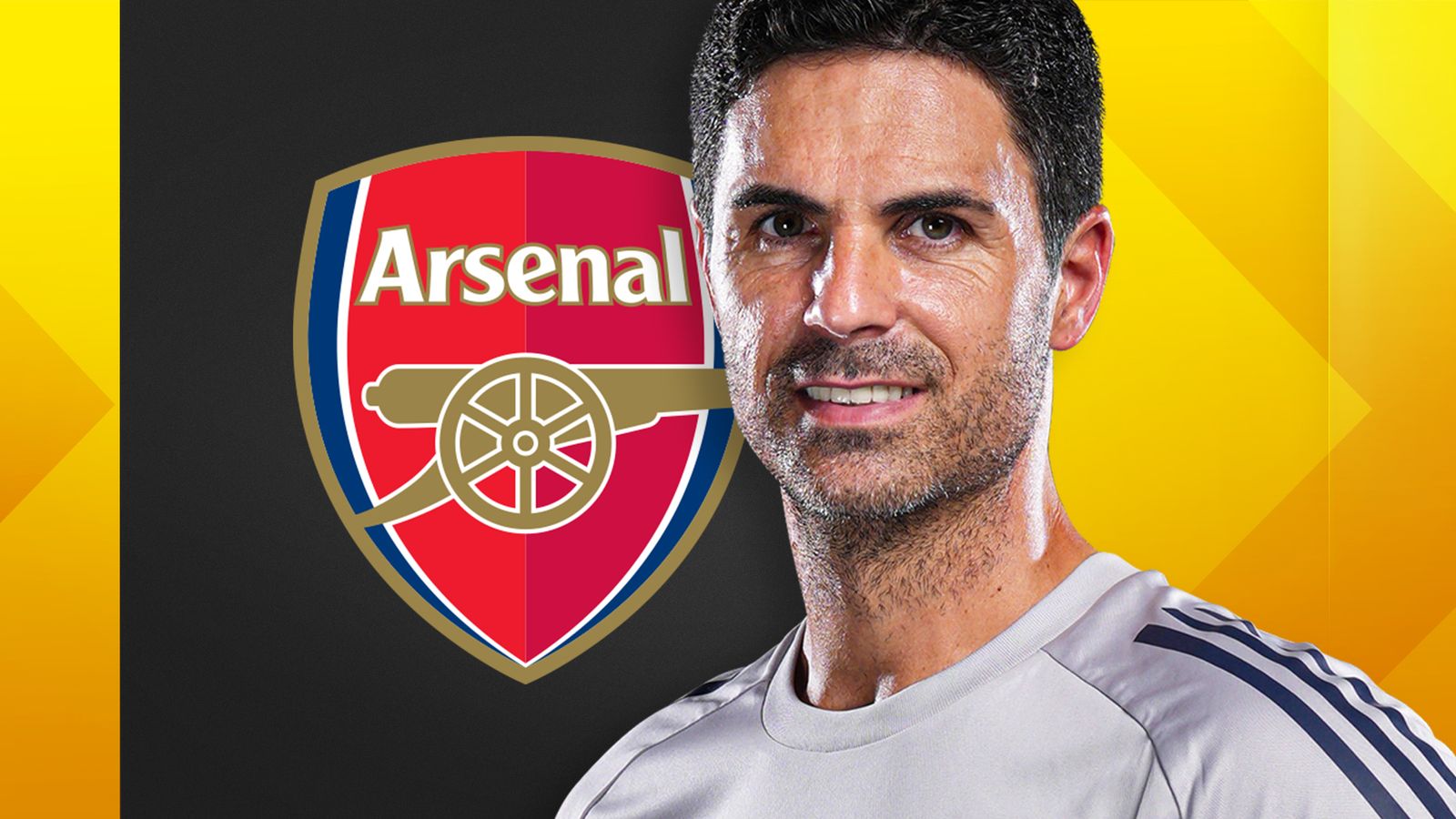
For two seasons, Mikel Arteta’s Arsenal were accused of being too neat, too predictable, too wedded to slow, controlled build-up. The signing of Viktor Gyökeres changed the structural dynamics of this attack. It was not a smooth integration.
The Swedish striker suffered a hamstring tear in November 2025, and initially struggled to match his direct, ball-carrying volume from Sporting CP.
Arteta had to adjust his own principles. Instead of demanding that his center-forward function as a false nine, the Basque manager began instructing his midfielders to release the ball early, hitting the channels for Gyökeres to chase. We saw the final evolution of this pattern in the semi-final second leg against Atletico Madrid.
In the 44th minute, Gyökeres did not drop into the pivot space to link play. Instead, he made a hard, vertical run down the left channel, dragging Jose Maria Gimenez out of the defensive line. His low cross found Leandro Trossard, whose initial shot was blocked by Jan Oblak. Saka reacted first to the rebound, but the goal was entirely manufactured by Gyökeres’ raw physical power.
Yet, the system is not flawless. When Arsenal face a deep, compact block, Gyökeres can still look isolated. In that first half against Atletico, he touched the ball just 11 times.
He has a habit of dropping too deep when frustrated, which clogs the zones Martin Odegaard wants to exploit. If Luis Enrique can compress the space between his midfield and defensive line, he can render Gyökeres a spectator.
How Arteta’s Midfield Screen Suffocates Enrique’s Fluidity
The tactical battle will be won or lost in the central third, where Luis Enrique’s 4-3-3 meets Arteta’s fluid 4-2-3-1. PSG rely heavily on the passing range of Vitinha and the technical security of João Neves. Their midfield is designed to monopolize possession, shifting opponents from side to side until space opens up for Barcola or Dembele.
But Arsenal present a completely different physical profile. The double pivot of Declan Rice and Martin Zubimendi is a defensive wall. Rice covers lateral space with elite efficiency, while Zubimendi acts as the spatial anchor.
During the semi-final win over Atletico, Rice registered four interceptions and won five of his six ground duels, completely shutting down transition attempts.
When PSG try to progress through the half-spaces, they will run directly into this screen. Furthermore, William Saliba and Gabriel Magalhaes are the most settled center-back partnership in Europe. Gabriel’s game-saving block on Giuliano Simeone in the 52nd minute of the semi-final second leg showed their defensive reading.
PSG’s fluid attack, which often lacks a traditional reference point up front, risks passing themselves into a dead end.
This is where PSG’s squad issues become a factor. Ousmane Dembele and Achraf Hakimi both missed team training sessions just a week before the final due to fitness concerns. If Hakimi is unable to play, or is rushed back at 70 percent, PSG lose their primary source of width and recovery pace.
Without Hakimi to occupy the right flank, Arsenal's left-back—likely Riccardo Calafiori or Jurriën Timber—can tuck inside to form a back three, allowing Rice to push higher and press Vitinha.
The Dead-Ball Trap
If the open-play battle is a chess match, the set-piece battle is a mismatch. Under Nicolas Jover, Arsenal have turned corners and wide free-kicks into a science. They routinely overload the six-yard box, using Gabriel and Saliba to block the goalkeeper while inswinging deliveries from Bukayo Saka target the back post.
PSG, by contrast, have been notoriously vulnerable defending dead balls. In their semi-final first leg against Bayern Munich, they conceded twice from corner situations, showing a lack of defensive organization. Luis Enrique’s zonal marking system often struggles against aggressive, physical runners who attack the ball rather than static space.
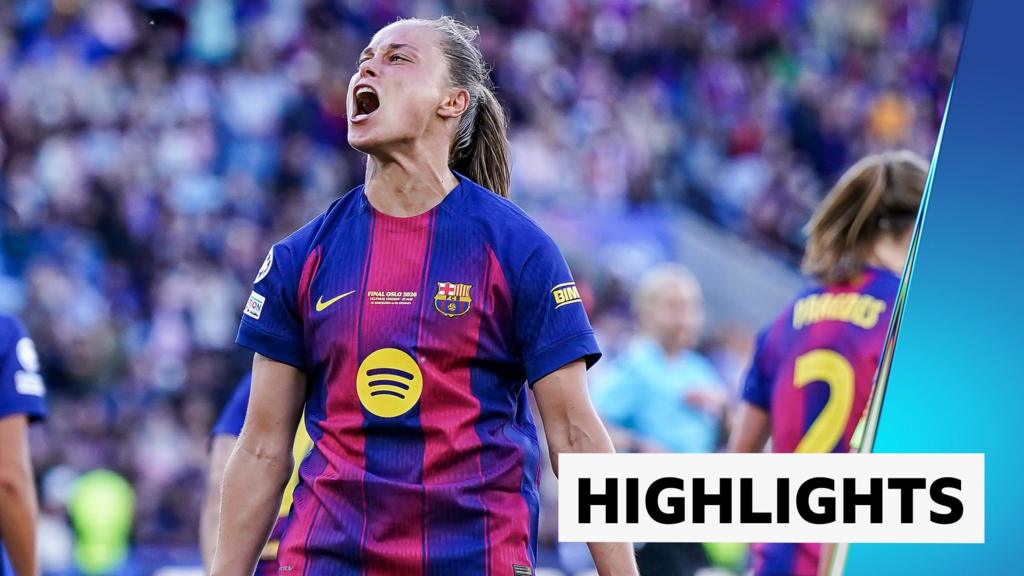
Just as Barcelona dismantled Lyon in Oslo to cement their European dominance, Arteta's men are looking to secure their own history through ruthless efficiency. If Arsenal win three or four corners in Budapest, they will score from at least one. PSG simply do not have the aerial presence in their defensive line to match Gabriel and Saliba over 90 minutes.
The Final Verdict: Budapest Belongs to the Gunners
This match will not be a wide-open thriller. Luis Enrique will demand possession, and PSG will likely end the match with 62 percent of the ball. But possession without penetration is a tactical trap that Arteta is fully prepared to spring. Arsenal will defend in a rigid 4-4-2 block, compressing the vertical space between the lines to under 15 meters.
Once they win the ball, the instruction will be simple: hit the channels for Gyökeres or find Odegaard to release Saka on the right. With Marquinhos and Willian Pacho having to defend massive spaces behind them, PSG's high line will be exposed.
Dembele’s potential absence or lack of sharpness removes their most direct dribbler, making it easier for Arsenal to slide laterally and defend the box.
Expect a tight first half, but Arsenal's physical superiority and set-piece mastery will eventually tell. Arteta has built a team designed specifically to win matches like this—gritty, organized, and clinical. Arsenal will lift their first European Cup on the night of May 28, leaving PSG to regret another year of tactical dogmatism.
My prediction is a professional, defensively immaculate 2-0 victory for Mikel Arteta’s side. Saka will score the opener from a corner routine, and Gyökeres will seal the win late on the counter-attack, exposing a tired, desperate PSG defense.
Read Next
- Why Arsenal will absolutely destroy PSG in the Champions League final
- Why Arsenal will finally conquer Europe and destroy the PSG project
- Why Arsenal will finally conquer Europe and leave PSG in the dust
- Arteta broke the Guardiola machine, and now the master is walking away
- ⚽ Ligue 1 2025-26 — PSG, Monaco & the Title Race Hub
- ⭐ UCL 2026 — Champions League Quarter-Finals Hub