The Big Picture
Arsenal are stumbling toward the finish line, and they are doing it with the grace of a heavyweight boxer clinching in the twelfth round. Last night was another reminder that Mikel Arteta’s side has traded the fluid, expansive football of early autumn for a gritty, almost desperate reliance on the dark arts of the dead ball. If there is a trophy at the end of this, it will be engraved with the name of Nicolas Jover as much as any of the starting eleven.
As The Guardian reported following the Monday night clash, the atmosphere around this title pursuit has shifted from excitement to a visible, physical grind. The players look spent. The patterns of play that once tore through mid-tier defenses have slowed to a crawl, leaving the Gunners to hunt for corners like a man looking for a lifeline in a storm.
The Jover Efficiency
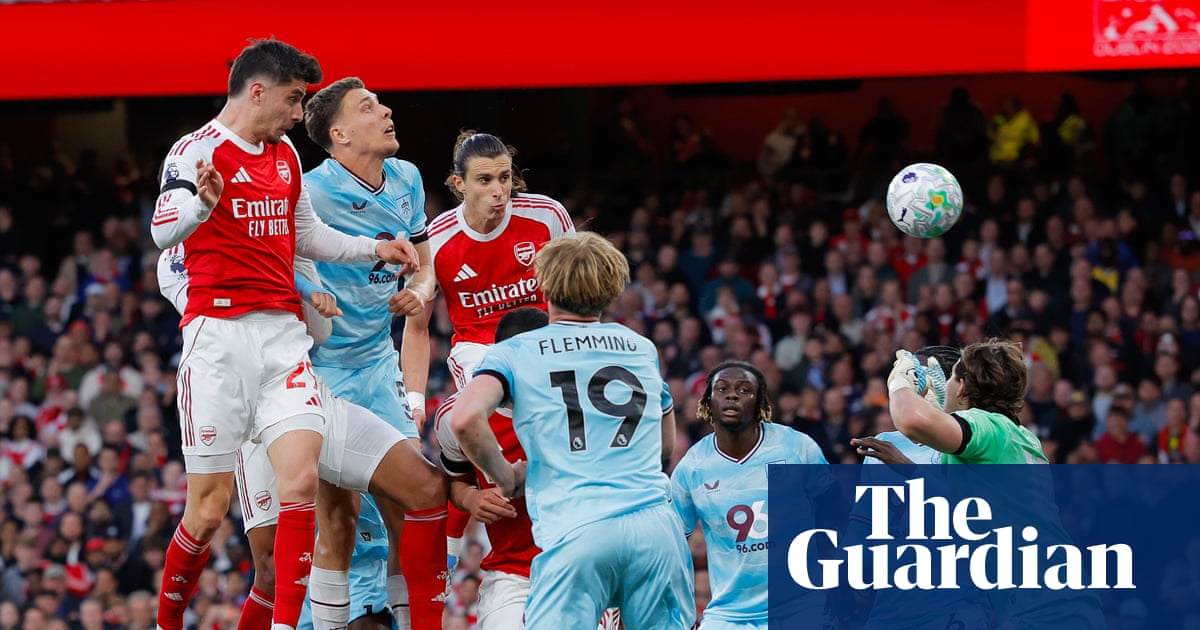
Whatever Nicolas Jover is being paid, it isn't enough. That was the consensus from the Emirates press box last night as yet another choreographed routine salvaged three points from a match that offered very little else in the way of inspiration. The Frenchman has turned the corner flag into Arsenal's most dangerous creative outlet, a statistical anomaly that is currently keeping the dream of a first title in over two decades alive.
Whatever Nicolas Jover is being paid, it’s not enough – or so it must have felt for Arsenal fans watching tense title pursuit. The best way out of a corner? A corner, it turns out.
This isn't just luck; it's a cold, calculated exploitation of the rules. We are seeing a team that knows it cannot outrun its opponents anymore, so it is outthinking them at the restarts. Every movement in the box is rehearsed to the millimetre, every block is timed to perfection, and every delivery from Bukayo Saka is aimed at the exact soft spot of the opposition's zonal marking.
There is talk in the industry about a specific dead-ball goal bonus in Jover's contract. Whether it exists or not, the value he has added to this squad is immeasurable in a season where open-play goals have suddenly dried up. While Manchester City continue to rely on their machine-like passing, Arsenal have become a team of specialists, winning matches in the margins between the whistles.
The Physical Toll
We are just 23 days away from the World Cup kickoff in North America, and you can see the shadow of that tournament looming over the Premier League. Arsenal’s squad is thin, and the fatigue is no longer something they can hide with clever substitutions. Last night’s performance was "gruelling" in every sense of the word, a ninety-minute exercise in pain management and defensive discipline.
The intensity that defined Arteta’s early season has vanished. Players like Martin Odegaard and Declan Rice are covering massive distances, but the explosive bursts are gone. They are playing in third gear, relying on their defensive structure and the occasional set-piece goal to navigate these final hurdles. It is a dangerous game to play, especially with the margins at the top being so razor-thin.
Barney Ronay noted the "pain" involved in this pursuit, and it’s a sentiment that resonates with anyone watching this team closely. There is a heaviness to their movements. The transition from defense to attack, once a lightning-fast process, now feels like it’s being conducted through molasses. Without the set-piece outlet, it is hard to see where the goals would come from in this current physical state.
A Critical Observation
There is a growing segment of the fanbase that finds this new iteration of Arsenal difficult to stomach. The "boring, boring Arsenal" chants of the nineties haven't returned yet, but the sentiment is bubbling under the surface. Winning a title through set-piece dominance is legitimate, but it is also a sign of a team that has lost its creative spark. If they fail to win the league, this period will be looked back on as a failure of imagination.
Relying on Jover’s routines is a short-term fix for a long-term problem. The lack of a world-class, clinical striker to turn half-chances into goals is glaringly obvious when the dead-ball magic fails to materialize. Arsenal finished the night with a 1-0 scoreline that flattered their offensive output, a recurring theme in this final month of the campaign. They are living on the edge of a knife.
Moreover, the defensive blocks and tactical fouls used to buy time during these gruelling nights are starting to attract more scrutiny from officials. The "dark arts" only work as long as the referee allows them, and we saw several Arsenal players lucky to escape cards for cynical play last night. It is a high-risk strategy that could easily blow up in their faces if a key player is suspended for the final matchday.
The Final Stretch
With the Champions League Final just 9 days away—a match Arsenal will watch from the sidelines after their European exit—the focus is entirely on the domestic crown. They have 180 minutes of football left to decide their destiny. The script is clear: survive the open play, win a corner, and let Jover’s genius do the rest. It is not the way most fans imagined this journey ending, but at this stage, nobody in North London cares about the aesthetics.
The pressure is immense. Every mistake is magnified, and every missed chance feels like a catastrophe. In this environment, the reliability of a set piece is a psychological comfort as much as a tactical one. It provides a roadmap to victory when the players’ legs are telling them to stop. It is the ultimate insurance policy in a league that offers no guarantees.
As we head into the final week, the question isn't whether Arsenal can rediscover their flair. That ship has sailed. The question is whether Jover has enough tricks left in his bag to carry them over the line. If he does, he will become the most celebrated assistant coach in the history of the club. If he doesn't, this "gruelling night" will be remembered as the beginning of the end for a team that simply ran out of breath.
Read Next
- Why Arsenal's clash with Burnley is a terrifying trap
- Why Mikel Arteta is suddenly the biggest Bournemouth fan alive
- Arsenal fans can finally stop holding their breath after that Burnley nightmare
- Arsenal survive Burnley scare as Havertz header puts title in reach
- ⭐ UCL 2026 — Champions League Quarter-Finals Hub