The North London Contrast
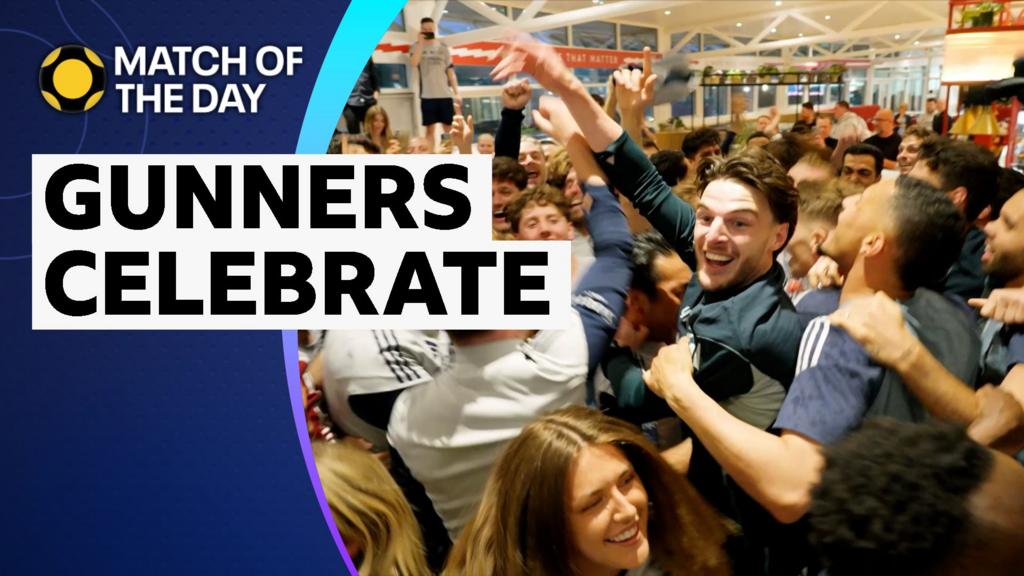
Arsenal ended their 22-year title drought on Tuesday when Manchester City drew against Bournemouth. Hysteria erupted outside the Emirates Stadium as the trophy returned to North London for the first time since 2004. Yet, just a few miles down the road, a far more shocking statistical anomaly is taking shape.
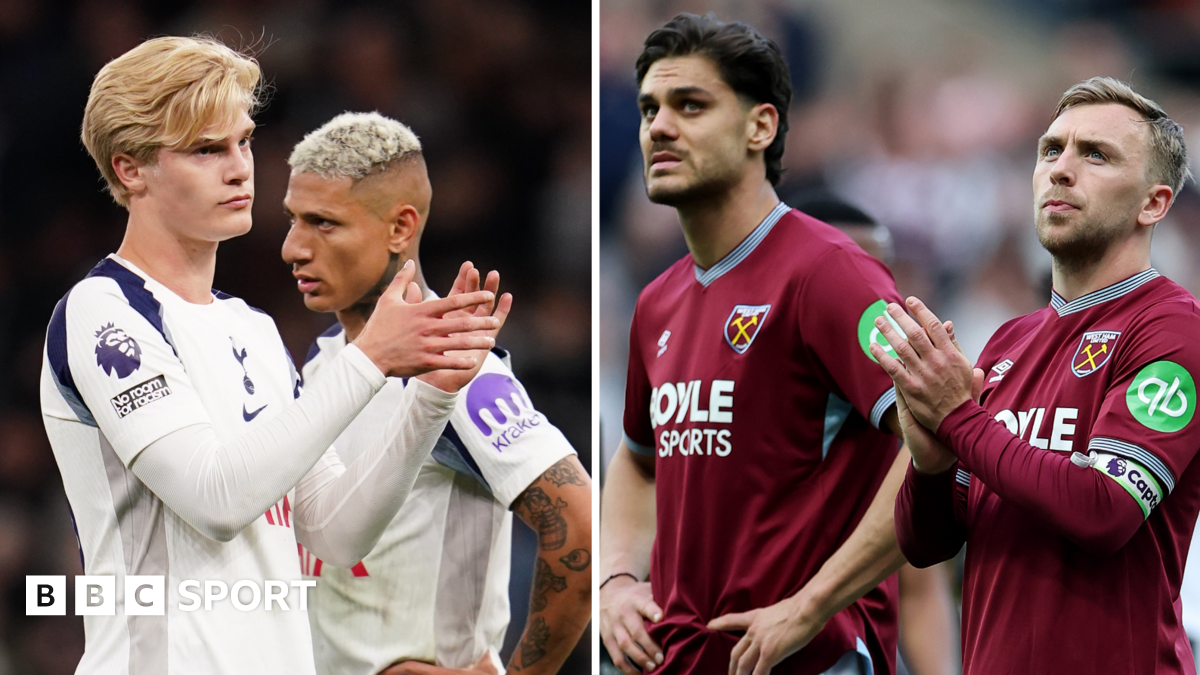
Tottenham Hotspur and West Ham United are heading into the final day locked in a desperate battle to avoid relegation. The contrast between the two ends of the capital is stark. While one half of North London celebrates a championship, the other half is staring into the abyss of a final-day shootout.
For Tottenham, this is an unprecedented collapse. A club that regularly audits its place among the European elite is now looking at a catastrophic drop. West Ham are hoping to pull off a survival heist that seemed impossible a month ago.
The numbers tell a story of tactical rigidity and defensive decay. Tottenham have conceded goals at a rate that would make a bottom-half side blush. Their transitional defending has been completely exposed, leaving their backline vulnerable to every counter-attack.
Now, their entire season comes down to a single ninety-minute match under extreme heat. Let us examine the statistical trends that have defined this chaotic year.
Guardiola’s Legacy and the City Slackening
As Pep Guardiola prepares for his final game, the scale of his decade in England becomes clearer. Since his arrival in 2016, Manchester City have established a standard of consistency that has suffocated their rivals. In fact, only one club has managed to get within 100 points of City over this ten-year span.
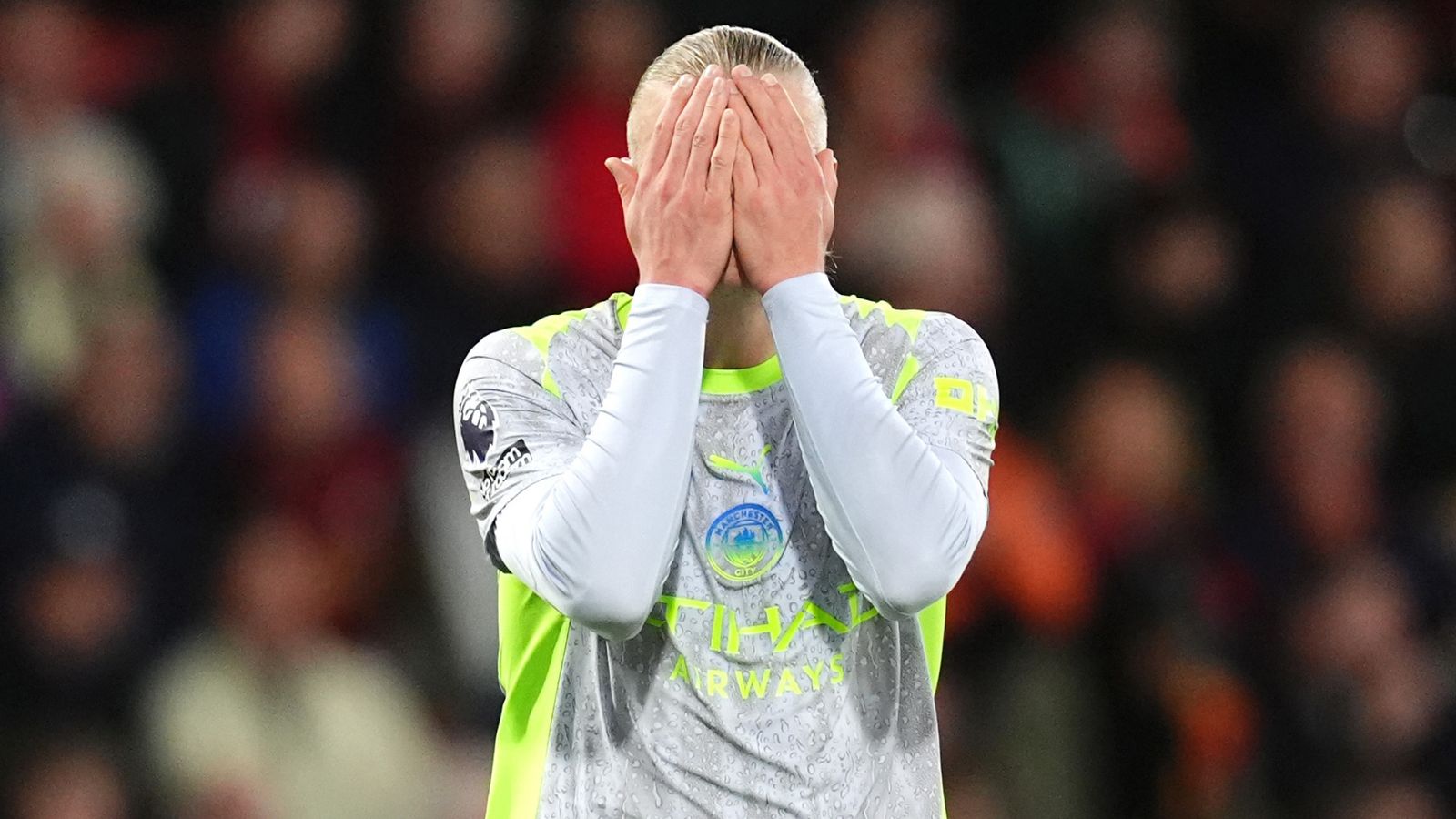
But the cracks in the machine finally showed this season. The draw against Bournemouth was not an isolated incident. City have struggled to control games in transitional phases, a direct result of defensive midfield fatigue.
They have scored nearly 300 goals more than Manchester United since Guardiola took the reins. Yet, all that offensive power could not prevent the defensive lapses that ultimately handed the title to Arsenal.
Arsenal’s defensive solidity was the key differentiator. As William Saliba admitted, the players felt a shift in belief during their spring run-in. Their defensive partnership, anchored by Saliba, conceded the fewest expected goals in the division.
The Tactical Anarchy Behind the Relegation Fight
To understand the relegation battle, one must examine the absolute failure of Tottenham’s defensive structure. They have consistently failed to defend the half-spaces, allowing opponents to exploit the gaps between their fullbacks and center-backs. Their defensive line is incredibly high, yet they press with almost no intensity.
This combination is footballing suicide in the modern top flight. They have allowed an average of 1.85 expected goals per ninety minutes over their last ten fixtures. Opponents have repeatedly targeted their left flank, exploiting the lack of cover from their midfield.
West Ham are not much better, but their issues are different. Their attacking transitions are incredibly slow, often leaving their lone striker isolated against three defenders. They average just 38% possession, the lowest of any non-promoted side this year.
This passive style has invited constant pressure, turning every match into a defensive siege. Now, both clubs face the ultimate test of nerve in a high-stakes capital derby.
In Alan Shearer's final-day predictions, he highlighted the sheer panic that accompanies these late-season shootouts. When a club of Tottenham’s stature is dragged into a relegation fight, the psychological weight is immense. Players accustomed to fighting for European spots find their careers in jeopardy.
The Psychological Edge
A former Premier League psychologist recently detailed the mental strain of these survival matches. The key for West Ham is to exploit Tottenham’s obvious panic. Spurs are a squad built for possession, not a relegation scrap.
When they fall behind, their tactical discipline dissolves entirely. If West Ham can score early, the pressure on the Tottenham players will become unbearable. The mental side of the game will dictate who survives.
The statistical fallout of relegation would be devastating for both clubs. Several first-team players are far too talented for the Championship and would be sold immediately. Analysis shows at least ten players across these two squads who would command massive fees from mid-table Premier League clubs.
Keeping these assets in the second tier is financially impossible. The fire sale would dismantle years of squad building in a single transfer window. One bad season can wipe out hundreds of millions of pounds in squad value.
Financial Storms and Kit Conundrums
The financial pressure is not limited to those at the bottom of the table. The ban on front-of-shirt gambling sponsors is finally coming into effect, forcing a massive shift. A total of eight Premier League clubs will be forced into major kit changes ahead of the next campaign.
This is the direct result of a collective agreement that will cost the affected clubs an estimated £80 million in combined annual sponsorship revenue. Replacing these lucrative deals is incredibly difficult in a crowded commercial market. Losing this revenue stream will directly impact their ability to spend.
Meanwhile, Manchester United secured a rare positive headline in a difficult season. With Bruno Fernandes winning Player of the Season, United fans have something to celebrate. He is the first Manchester United player to claim the prestigious award since Nemanja Vidic did so in 2011.
Fernandes has been a creative machine, registering over 100 shot-creating actions this season. However, his teammates have failed to convert these opportunities at an acceptable rate. United’s shot conversion rate stands at a mediocre 11%, placing them mid-table for attacking efficiency.
Their defensive record is equally troubling, as they have conceded more shots on target than any United side in the modern era. The reliance on individual brilliance to salvage games is a highly unsustainable strategy. If they do not address their structural issues, they will remain miles behind the newly crowned champions.
The Championship Escape Route
While the top flight prepares for its final drama, the Championship has already concluded its most lucrative match. At Wembley, Hull City secured their return to the Premier League in dramatic fashion. A late, stoppage-time strike from Oli McBurnie sealed a tense 1-0 victory over Middlesbrough in the play-off final.
Hull’s promotion is a lesson in tactical pragmatism. They did not try to dominate possession or play expansive football. Instead, they focused on a compact defensive shape and quick transitions.
They restricted Middlesbrough to just two shots on target during the entire match. It was a masterclass in defensive organization under the absolute highest stakes. McBurnie’s winner was the culmination of an incredible individual season.
His physical presence and work rate have been vital for Hull’s attacking output. He won nine aerial duels during the final, constantly unsettling the Middlesbrough defense. Now, he faces the challenge of replicating that success in the Premier League.
For Middlesbrough, the defeat is a bitter pill to swallow. They dominated possession but lacked the clinical edge required in a final. A single moment of defensive distraction cost them everything.
The Extreme Heat Factor
Adding to the drama of the final day is an unexpected environmental factor. Organizers are monitoring weather forecasts closely, with extreme heat predicted across the country. This has forced the Premier League to plan temporary rule changes for the final round of fixtures.
Drinks breaks will be implemented in each half to ensure player safety, a move that could disrupt the tactical flow of the games. Managers will have to adjust their pressing schemes to account for the grueling conditions. Tactically astute managers will use these breaks as mini-timeouts to deliver key instructions.
Under the scorching sun, physical endurance will be just as important as tactical preparation. The stage is set for a historic final day. From Arsenal’s championship party to the absolute terror of the relegation battle, the stakes could not be higher.
Football is a game of numbers, but on the final day, those numbers translate into raw human emotion. Whether it is the joy of survival or the despair of the drop, the final whistle will bring absolute clarity to a remarkable season. The notebook is ready for the final page.
Read Next
- Why Tottenham and West Ham are facing the ultimate final day nightmare
- Celtic should let Martin O'Neill walk away after his Hampden mic drop
- SFA admits Celtic penalty error as SWPL title race goes to Sunday wire
- Leicester's survival rests on breaking the second tier's meanest defense
- ⭐ UCL 2026 — Champions League Quarter-Finals Hub