The wait is finally over
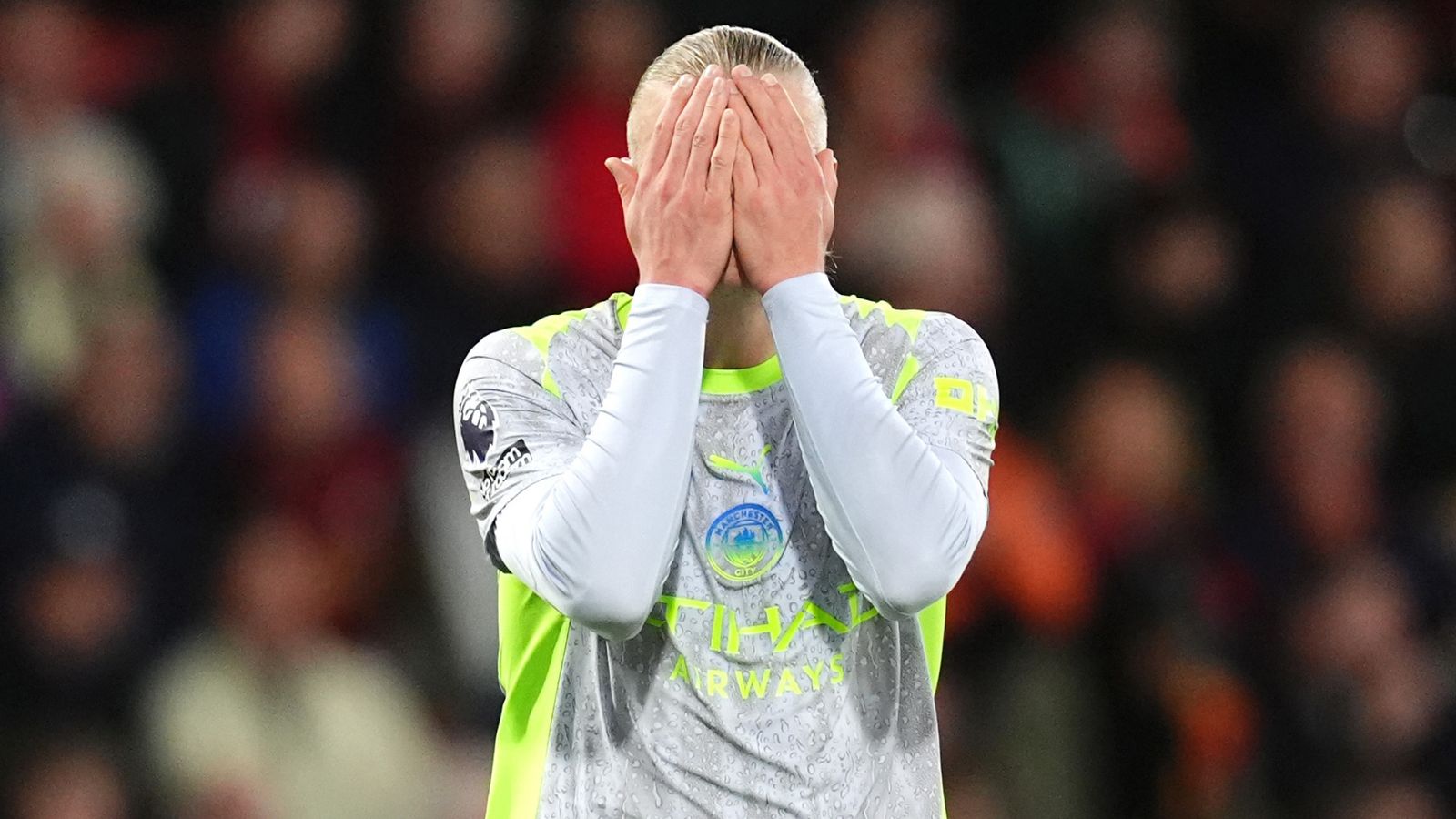
The final whistle at the Vitality Stadium blew and the tension simply evaporated from North London. Manchester City dropped points against Bournemouth. A 1-1 draw on the south coast means the math is definitively settled. Arsenal have won the Premier League. The 22-year drought is officially dead.
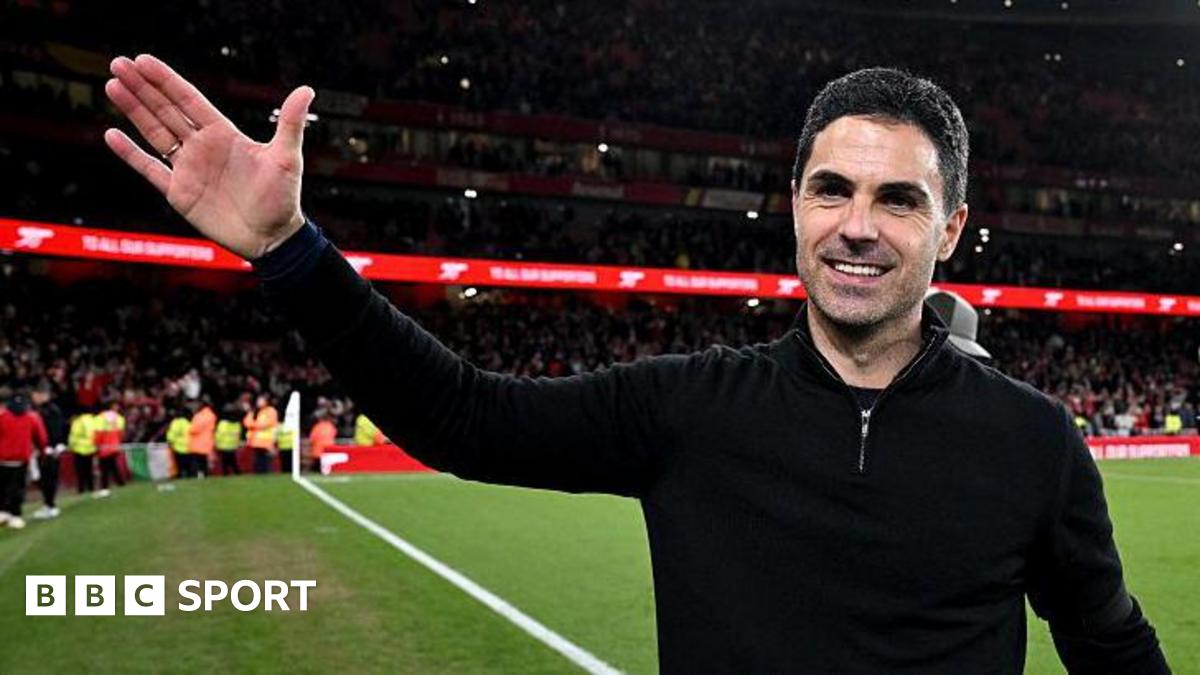
It didn't happen with a dramatic late winner at the Emirates. It happened while the squad watched a television screen. That doesn't lessen the achievement in the slightest. Mikel Arteta has built a machine that simply outlasted Pep Guardiola's juggernaut. The feeling surrounding the club right now is entirely justified. As the immediate reactions poured in, the word most used to describe them was exceptional.
Now comes Sunday. The final match of the season in front of a home crowd. On paper, it is a meaningless fixture. In reality, it is a coronation. The pressure is completely off. That might actually make Arsenal a much more terrifying prospect for their opposition.
The Bournemouth favor
We need to talk about exactly what happened at Bournemouth. City were suffocated by a mid-block that flatly refused to break. Bournemouth stayed incredibly compact defensively. They denied the half-spaces to Kevin De Bruyne and Phil Foden all afternoon. When they won the ball, they transitioned with violent, vertical speed.
That result wasn't just luck. It was a tactical blueprint. It exposed a slight vulnerability in City's rest-defense when committing bodies forward. Bournemouth's equalizing goal came directly from a quick turnover and an immediate pass into the right channel.
Arsenal watched that game knowing they don't suffer from that same structural flaw. Arteta has obsessed over rest-defense since day one. When Arsenal attack, they always keep a secure base of at least three, usually four, players behind the ball. They don't get caught in transition the way City did. That structural discipline is exactly why they are lifting the trophy.
Rest-defense and the Rice factor
You do not break a 22-year curse with mere attacking flair. You break it with an unbreakable spine. The addition of Declan Rice has fundamentally changed how Arsenal manage attacking transitions. He operates as a one-man wrecking ball in the center of the pitch.
Look back at their defensive metrics since January. They haven't just been keeping clean sheets. They have been suppressing shots to a historic degree. Opposing teams are struggling to even enter the penalty area. Rice is the primary reason. He covers ground so efficiently that he routinely kills counter-attacks before they cross the halfway line.
When the opponent's center-backs have the ball, Martin Ødegaard pushes up alongside the striker. They form a narrow front two. Bukayo Saka and Gabriel Martinelli tuck inside to block passing lanes to the pivot midfielders. This forces the opponent wide. The moment the ball goes to a fullback, the trap springs shut.
Arsenal's wingers press intensely, using the touchline as an extra defender. Rice steps up aggressively to win the second ball. It is completely suffocating. This is the exact tactical foundation of their title win.
The wide overloads
With the trophy already secured, Sunday's match becomes an interesting tactical puzzle. How much energy will Arsenal actually expend? Arteta has a ruthless streak. He will demand a victory, but the attacking patterns might be slightly more relaxed than usual.
Arsenal's solution to deep blocks has been patient circulation followed by explosive wide play. They create heavy overloads on the right side of the pitch. Saka, Ødegaard, and Ben White exchange rapid, one-touch passes. They draw the entire defensive structure toward that flank.
Then comes the trigger. A sudden switch of play finds Martinelli isolated against a single defender on the left side. It is a predictable pattern. Yet it remains almost impossible to stop when executed at maximum speed. The opposition knows it is coming, but they physically cannot cover the width of the pitch fast enough.
The rotational question
Arteta needs to manage legs with a long summer ahead for his international players. We might see heavy rotation in the starting eleven. This provides a fascinating look at the squad depth. We could see Jurrien Timber get extended minutes in a hybrid defensive role.
Timber's ability to invert from the left or right adds a completely different dimension to the build-up phase. When he steps into midfield, he is less of a pure distributor and more of an aggressive ball-carrier. He breaks lines with driving dribbles rather than incisive passes.
This forces opposing midfields to collapse inward to stop his progression. That, in turn, creates enormous space on the flanks for the wingers. It is a subtle shift, but it completely alters the angles of attack. The opposition will have to adjust their pressing triggers if Timber starts.
The opponent's futile task
Whoever lines up against Arsenal on Sunday faces a miserable afternoon. They will likely sit in a deep, passive low block. They know the party atmosphere could translate to early complacency from the hosts. But they also know Arsenal can tear them apart in transition if they open up and attack.
They will try to frustrate the home crowd. They will take their time on goal kicks. They will drop deep and clog the penalty area. The goal is mere survival, not victory.
But Arsenal have proven they can eventually pick the lock. They don't panic when the game remains goalless after an hour of play. They stick to the strict geometry of their positional play. They simply wait for the one misplaced step from a tired defender.
Finding flaws in the machine
If we must look for a negative—and real tactical analysis demands it—Arsenal's reliance on their starting wide players remains a glaring vulnerability. When Saka or Martinelli are rested, the drop-off in attacking output is instantly noticeable.
The backup options simply do not command the same fear from opposition fullbacks. They don't pin the defensive line back in the same aggressive way. This severely limits the space available for Ødegaard to operate between the lines.
We saw this issue bubble up in domestic cup competitions this year. The attacking rhythm noticeably stutters. It is a minor complaint in a season that ends with a league title, but the problem is real. The recruitment team will need to address this depth gap in the summer window. A true title defense requires elite rotation options in those wide zones.
The emotional weight
Let's step away from the tactics board for a second. Think about the fans walking down Holloway Road on Sunday morning. Think about the entire generation of supporters who have never seen Arsenal lift a league title. The Invincibles season feels like ancient history. Thierry Henry and Patrick Vieira belong to a completely different era of football.
The modern identity of this club has been shaped by near-misses, banter eras, and painful rebuilding phases. They endured years of late-season collapses. They watched rival clubs spend massive sums and collect trophies.
This match is a massive emotional release valve. The atmosphere inside the Emirates will be completely deafening. The players will feed off that raw energy. We have seen teams stumble in these ceremonial matches before, overwhelmed by the sheer emotion of the occasion.
But this group feels remarkably different. They are entirely desensitized to the external noise. They process pressure as fuel. They will want to put on an absolute show for the fans who backed them through the darkest periods.
The final whistle awaits
The game state will entirely dictate the tempo. If Arsenal score in the first ten minutes, it could turn into a training ground exhibition. The opponent will not want to be humiliated on national television, but motivation is a strange thing on the final day. Facing a relaxed, confident champion is the hardest task in the sport.
We should also watch for deliberate, late substitutions. Arteta might use the final 15 minutes to give standing ovations to the key pillars of this campaign. Taking off Saka or Rice for a stadium-wide applause breaks up the rhythm of the game, but it perfectly serves the narrative of the day.
This is a team that has earned the absolute right to enjoy themselves. They survived the pressure cooker. They watched City finally stumble. They crossed the finish line. Now, they get to play entirely without consequence.
The final verdict
The Emirates will be bouncing long before kickoff. The players will be operating without an ounce of fear or hesitation. Expect Arsenal to control possession from the very first whistle, suffocating any early attempt at a counter-attack.
The opponent will hold out for a respectable 20 minutes before the sheer volume of attacks breaks them. Arsenal will use the wide areas to systematically stretch the low block. The goals will flow naturally. Expect a comfortable afternoon and a beautiful trophy lift.
Arsenal to win 3-0.
Read Next
- Why Gary Neville is right to believe Arsenal won't choke this time
- Top 10: Moments That Defined Arsenal's 22-Year Title Wait
- Pep Guardiola is leaving Man City and Arsenal are about to take over
- Arsenal's coronation is the final nail in the Guardiola era
- ⭐ UCL 2026 — Champions League Quarter-Finals Hub