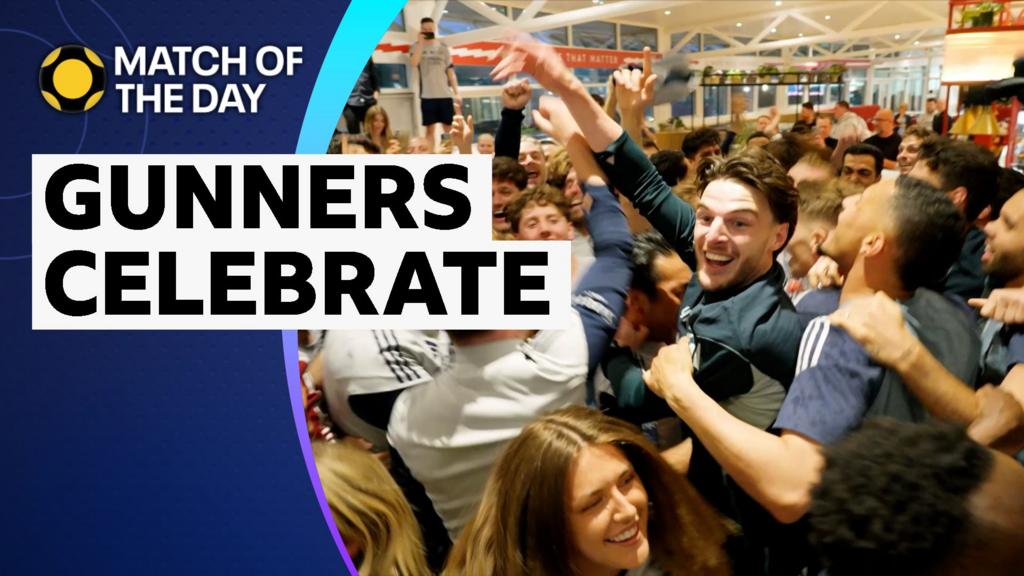
The final whistle in Dorset, the party in North London
The math was stark, but Manchester City finally ran out of solutions. A 1-1 draw at the Vitality Stadium means Arsenal are Premier League champions, ending a barren run that stretches back 22 years. Mikel Arteta’s side didn't even need to take the pitch today to seal it.
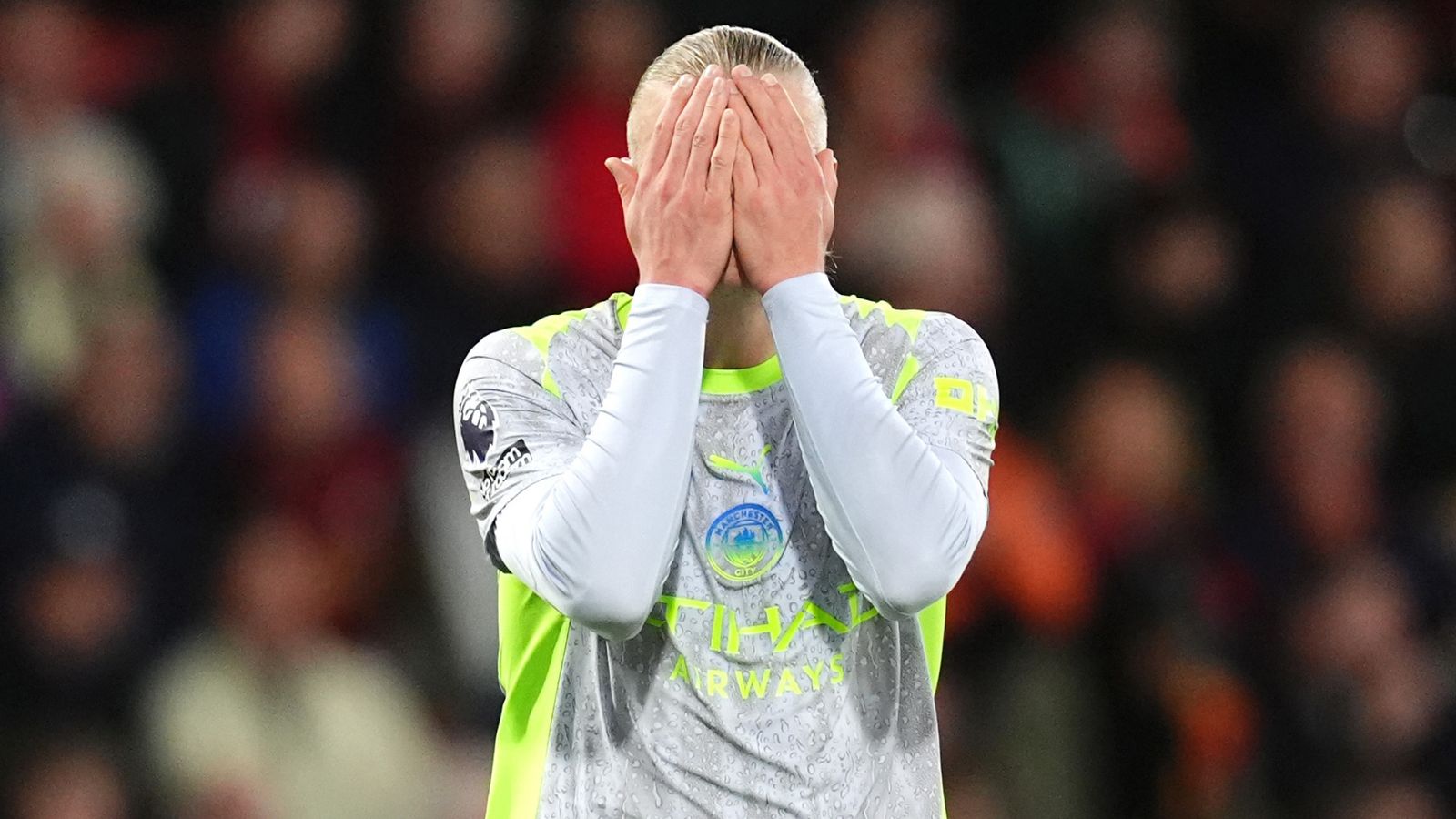
For weeks, City have looked increasingly heavy-legged. Their structural rigidity, usually a terrifying weapon, morphed into a cage against a well-drilled Bournemouth side. The final whistle didn't just signal the end of a title race. It marked the definitive end of an era in English football.
Arsenal fans have waited since the Invincibles of 2004 for this exact feeling. They have endured false dawns, late-season collapses, and the agonizing near-misses of recent years. Tonight, none of that matters. The trophy is returning to the Emirates.
Bournemouth's tactical masterclass
Bournemouth didn't just sit in a low block and pray. That is the quickest way to get dismantled by a Guardiola team. Instead, they actively disrupted City's buildup phases with highly coordinated mid-block pressing.
They recognized that City's midfield lacked its usual snap and aggression. By blocking the central passing lanes and forcing the ball out wide, Bournemouth dared City to beat them with crosses. It was a calculated risk that paid off perfectly against a team utterly lacking a traditional target man.
Antoine Semenyo had a goal ruled out early on, a clear warning sign that Guardiola's midfield was failing to track late runners. The space between City's midfield pivot and their center-backs was alarmingly vast. Bournemouth exploited it repeatedly on the transition, breaking with terrifying speed.
The anatomy of Kroupi's stunner
When Eli Kroupi finally broke the deadlock with a stunning strike, it wasn't a smash-and-grab. It was the logical conclusion of a system that repeatedly exposed City's high line and sluggish defensive transitions.
The sequence started with a poorly weighted pass in the middle third. Bournemouth pounced, forcing a turnover and immediately launching a vertical counter. Kroupi drifted into the half-space, received the ball on the half-turn, and unleashed a shot that Ederson had absolutely no chance of stopping.
It was a moment of pure individual brilliance, but it was facilitated by City's glaring structural disorganization. The gaps in their rest defense were massive. It was a tactical failure as much as a technical one.
The mechanics of a breakdown
City rallied late, as they almost always do, managing to scrape an equalizer, but the winning goal completely eluded them. The final ball was missing. The precision was entirely gone. We are so used to seeing City suffocate teams with aggressive, rhythmic passing sequences.
Today, they recycled possession harmlessly in a massive U-shape. The ball went from left-back to center-back to right-back and back again. It was sterile domination at its worst. They lacked the sharp vertical passes required to break lines and disrupt Bournemouth's shape.
You could physically see the frustration building in the body language. Players taking an extra touch, hesitating for a fraction of a second. Those micro-delays are completely fatal against a team defending with their lives.
Bournemouth held firm, heading clear every hopeful ball pumped into the box during the dying moments. The defensive organization was superb, shifting seamlessly to deny any numerical advantage out wide.
The end of the Guardiola era
There is a bitter, inescapable irony to this finale. Guardiola, the man who completely redefined English football over the last decade, sees his reign end not with a triumphant trophy lift, but with a frustrated trudge off the pitch in Dorset.
As The Guardian noted, finishing with two domestic cups registers as a massive disappointment by Guardiola's absurdly high standards. There will be no treble celebration. The Co-op Arena will remain entirely quiet this May.
Ten years of dominance ending in a somewhat anticlimactic draw feels strangely fitting for a season where City never quite clicked into their highest gear. The relentless winning machine finally ran out of oil, looking mentally and physically exhausted.
Guardiola will leave an indelible mark on the Premier League, but this final chapter will absolutely sting. The failure to adapt when Plan A stopped working has been a recurring, fatal theme in their rare defeats this season.
City's predictable demise in the second half
Watching City in the second half was an exercise in pure frustration. They pushed bodies forward, completely abandoning their rest defense structure. It was desperate, chaotic, and entirely un-Guardiola-like.
Bournemouth's goalkeeper barely had to make a spectacular save in the final fifteen minutes. City's shots were rushed, often blocked by a thick sea of red and black shirts crowding the penalty area.
The introduction of fresh legs from the bench did absolutely nothing to change the rhythm. It just added more players into an already congested final third. The width was completely artificial, with fullbacks hugging the touchline but rarely delivering quality crosses into dangerous areas.
Phil Foden and Kevin De Bruyne, normally the architects of City's finest moments, were heavily marshaled. Bournemouth effectively isolated them from the rest of the team. Every time De Bruyne picked up the ball in the right channel, two defenders instantly collapsed on him, cutting off his trademark crossing angles. It was a suffocating defensive display that City had absolutely no answer for.
Every time City lost the ball, they looked vulnerable to the counter. The counter-pressing, usually the hallmark of a Guardiola team, was slow and disjointed. They were beaten to every second ball.
The foundation of a title-winning defense
If you want to understand how Arsenal won this league, ignore the highlight reels of attacking play. Look instead at the grim away days in December and January. Look at the clean sheets ground out in the rain.
Arteta constructed a defensive block that fundamentally refused to be broken. The partnership at center-back has been nothing short of immense, aggressively squeezing the space and dominating aerial duels. They operate with a telepathic understanding, knowing exactly when to drop and when to step into midfield.
Behind them, the goalkeeping situation stabilized completely. Crosses were claimed with absolute authority. Sweeper-keeper actions snuffed out danger before it materialized. This defensive solidity provided the platform for everything else.
City, by contrast, always looked highly vulnerable when teams managed to bypass their initial press. Arsenal removed that vulnerability entirely. They became comfortable suffering without the ball, secure in the knowledge that their defensive structure would hold.
The apprentice surpasses the master
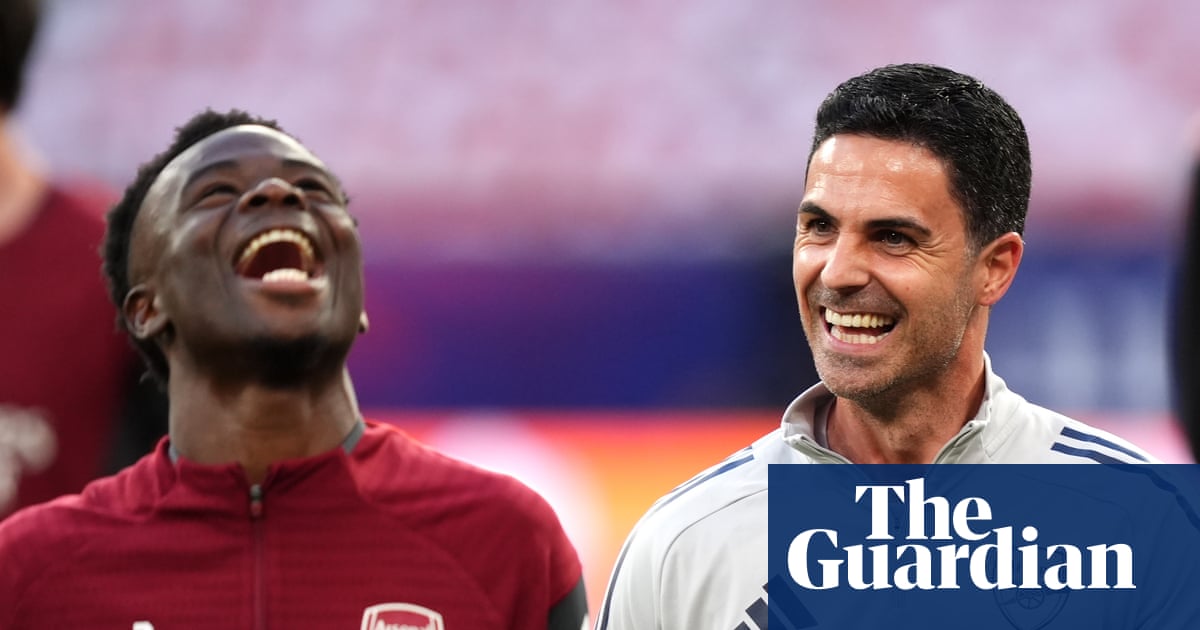
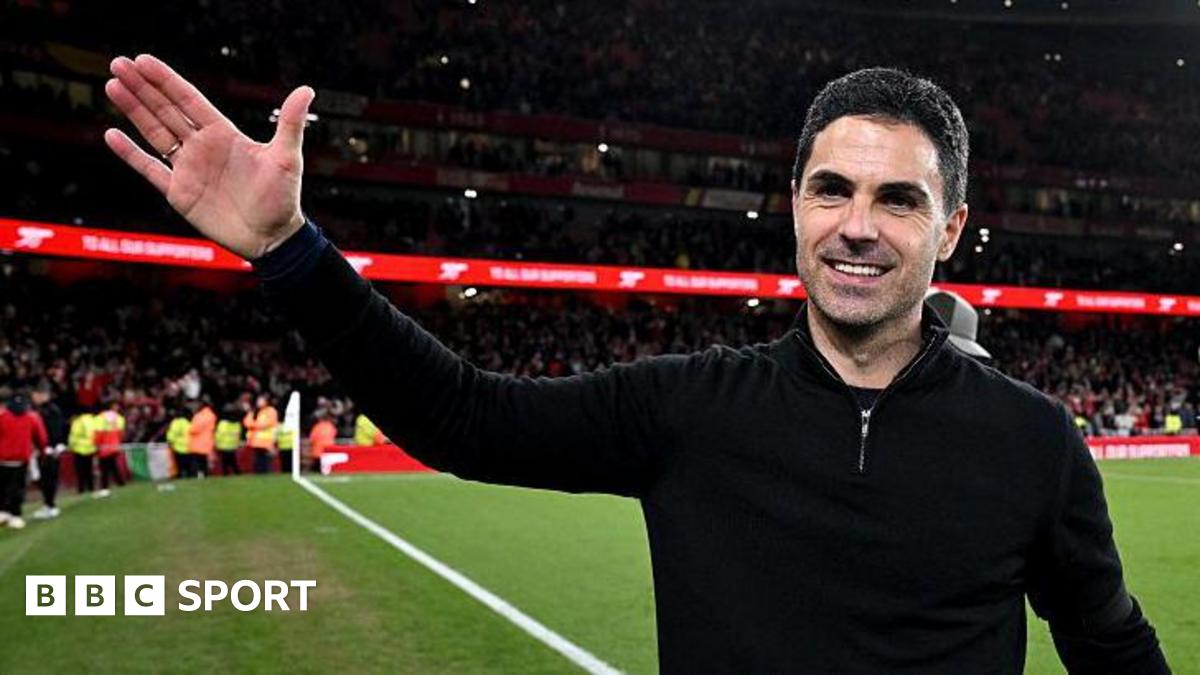
It is impossible to ignore the compelling narrative arc of Mikel Arteta finally toppling his former mentor. When Arteta left Guardiola's coaching staff at City to take the Arsenal job, many strongly doubted if he had the tactical acumen to rebuild a broken squad.
He absorbed Guardiola's positional play principles but smartly adapted them for a different set of players. Arsenal are significantly less dogmatic than City. They are far more willing to suffer without the ball, more comfortable defending in a mid-block, and much quicker to launch direct counter-attacks.
This calculated pragmatism is what ultimately separated them from City this season. While City often looked predictable, trapped in their own intricate passing webs, Arsenal varied their approach based on the opponent and the state of the match.
Looking ahead to a shifting league
The 2026 Premier League season completely belongs to North London. The massive celebrations will undoubtedly last for weeks. But the brutal reality of top-level football is that the clock resets almost immediately.
With Guardiola reportedly heading for the exit door, Manchester City will face a massive, painful transition period. The entire dynamic of the Premier League is about to shift dramatically. Here is the reality: Arsenal will win it again next year. The mental block is gone, the squad profile is perfectly balanced for long-term dominance, and City are staring down a major rebuild. Arteta has built a machine, and this is just the beginning.
For now, though, Arsenal fans shouldn't care about next August. They have waited exactly 22 years for this day. The ghost of 2004 has finally been laid to rest. The title is back where they strongly feel it belongs.