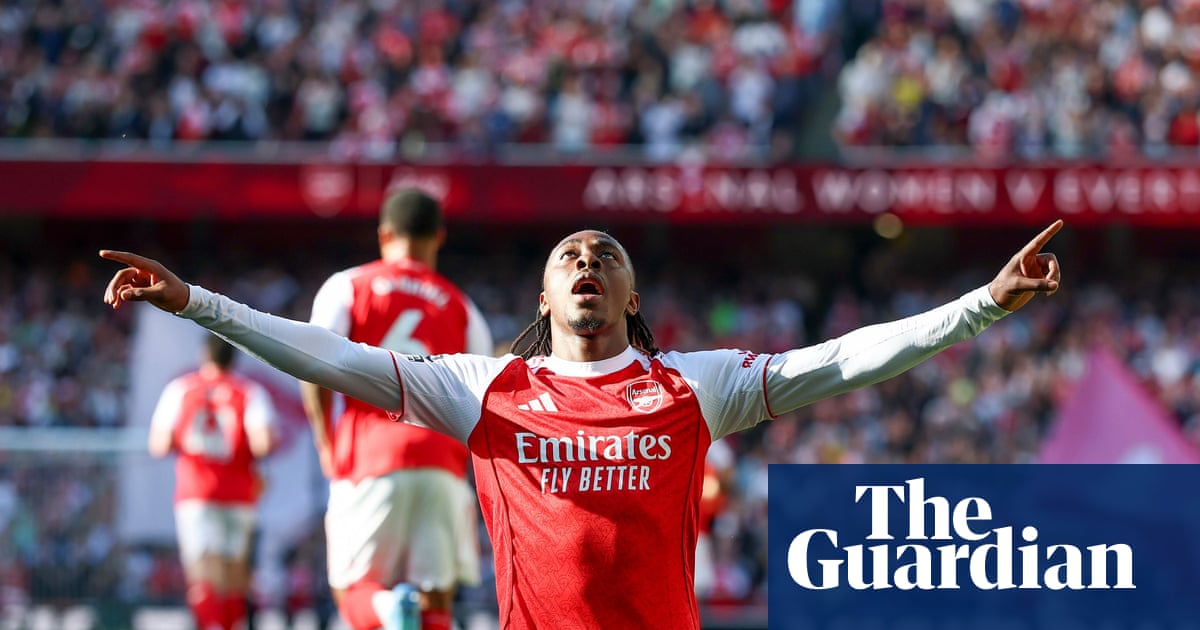
The mounting pressure on Mikel Arteta
Arsenal are entering the final sprint of the season with a roster that is beginning to creak under the weight of a grueling schedule. While the headlines are currently dominated by potential transfer targets like Victor Valdepenas, the reality on the training pitch tells a different story. The club is quietly managing a series of soft-tissue setbacks that threaten to derail their campaign before the final whistle blows.
Medical staff have flagged concerns regarding three core defenders who have been restricted to individual sessions since Monday. The rotation policy that once served as a primary strength is now being forced by necessity rather than preference. We are seeing a pattern where recurring minor knocks are keeping starters out for exactly one match at a time, creating a rhythm of inconsistency that is difficult to navigate.
The cost of high-intensity cycles
The core issue stems from the sheer number of minutes logged by the defensive unit during this calendar year. Since January, the starting back four has accumulated over 2,400 minutes of competitive action per player. This level of exertion is statistically linked to an uptick in muscular fatigue in the late spring months.
History is not on their side. When Arsenal attempted a similar high-compression defensive line in 2024, they suffered a catastrophic drop-off in clean sheets during the final six weeks of the term. The current medical report suggests the coaching staff is attempting to mitigate this by shortening training intensity, but the recovery lag remains significant. The data points to a squad that is physically redlining at the worst possible moment.
Strategic risks of the current strategy
The front office remains busy working through transfer speculation, but the inability to keep the current XI on the pitch remains the most glaring hole in their operation. Relying on squad players to fill gaps during a run for silverware usually exposes the gap in quality between the starters and the bench. If the current defensive rotation cannot stabilize within the next 10 days, the team will be walking into crunch time with limited options.
Criticism of the medical department's load management has increased among internal staff members. There is a sense that the training intensity has been kept too high despite the obvious warning signs in match-day player tracking data. Managing this requires a shift away from the current aggressive pressing drills to lighter technical work, yet the coaching staff appears hesitant to dilute their approach. This inflexibility is a tactical error that could cost them dearly.
Looking toward the recovery window
As the club eyes future prospects, the immediate focus is keeping the current squad intact through the final weeks of the campaign. The expectation is that those currently on the sidelines will be cleared for light contact drills by Friday. However, the club’s injury management report indicates that match fitness will be a variable rather than a guarantee for these specific individuals.
The club has consistently failed to address the depth issues in the left-back position, an oversight that looks increasingly reckless. While recent reports suggest the club is targeting Victor Valdepenas to bolster the back line, that does little to help the current group. Transfers arrive in the summer; points are lost in May. The transition from a contender to a champion requires a medical unit that can prevent these recurring fatigue cycles, a standard they are currently failing to meet.
Read Next
- Top 10: The High-Stakes Sprint to the 2026 Title
- Man City are officially spiraling and Arsenal fans are losing their minds
- Champions League semifinalists facing major fitness hurdles ahead of final
- Manchester City's chaotic surrender leaves the Premier League door wide open
- ⭐ UCL 2026 — Champions League Quarter-Finals Hub