The Champions League final reality check
Two days remain before Arsenal step onto the pitch in Paris for the most significant match of the decade. Gary Neville recently assessed the fixture, noting that Arsenal face the best team in Europe in PSG. The Gunners have conquered the domestic marathon, but the step up to the continental level involves a different intensity of tactical rigor.
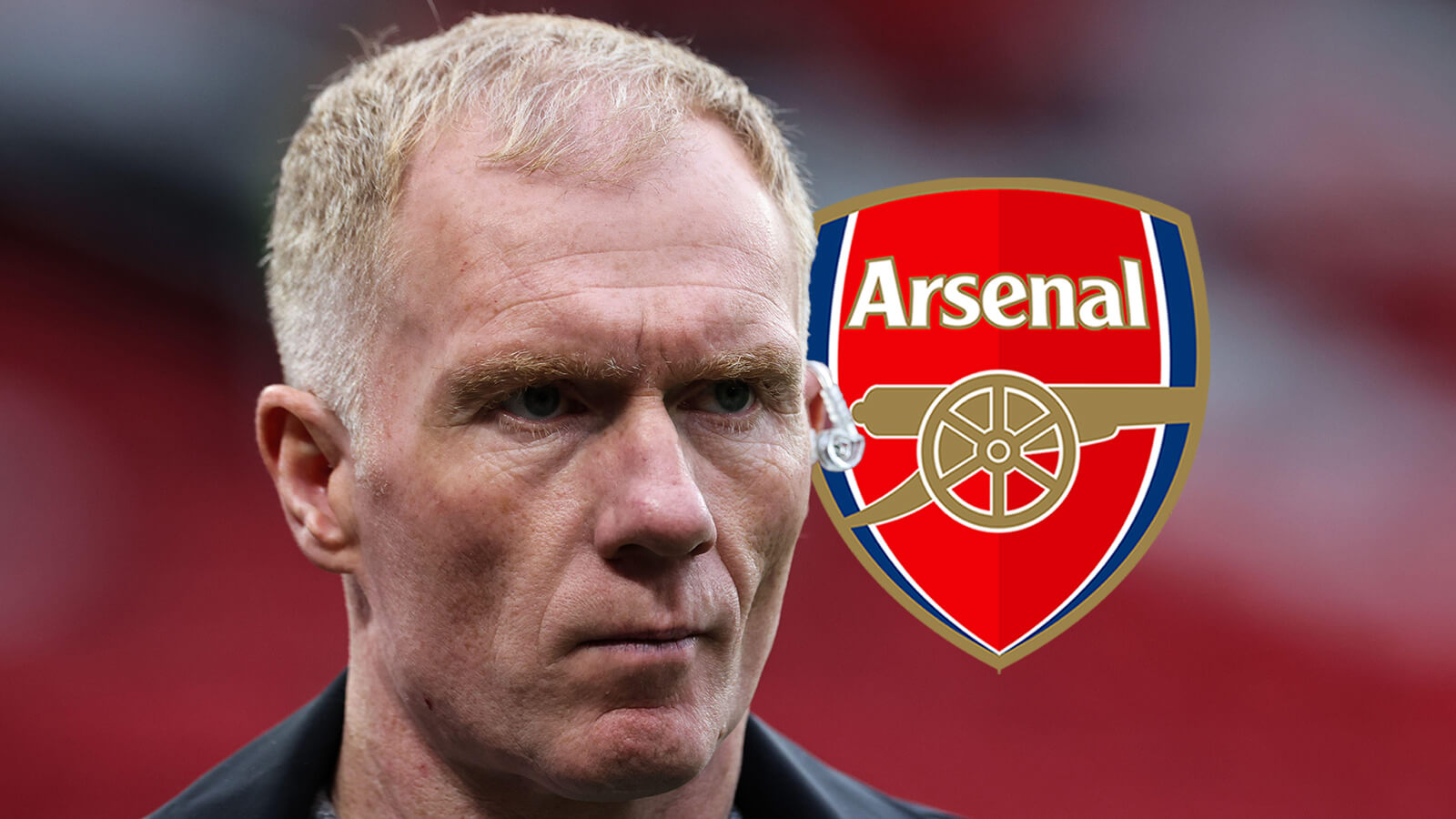
Mikel Arteta’s side found a way to win the Premier League against a backdrop of manufactured skepticism. Paul Scholes, for instance, offered a lukewarm take on their achievement, suggesting the campaign lacked entertainment value. That external noise should be irrelevant inside the dressing room. Whether or not neutrals found the season exciting, Arsenal collected the points. Now, they must prove that a disciplined, defensive structure can dismantle a side as lethal as PSG.
The shadow of the underdog label
Arsenal enter this Champions League final as underdogs. This status is not an insult; it is a tactical reality. Their path to the trophy has relied on a high-press system that restricts space in the middle third. Against PSG, that press will be tested by players with superior transition speed. If Arteta pushes his defensive line too high, he risks leaving vast pockets of space for PSG’s forwards to exploit within the first 25 minutes.
We have seen Premier League sides perform well in Europe this year, but the Champions League is a higher bracket of brutality. The margin for error is non-existent. Villa proved that success is possible in other tiers, but the Champions League is a different beast entirely. It requires a level of tactical flexibility we haven't always seen from this core group during high-pressure away fixtures.
The squad’s missing edge
One structural flaw remains: the lack of a true game-breaker when the system stalls. When plan A is suffocated, Arsenal occasionally look devoid of ideas. They rely on set pieces and rigid positional play, which is effective until it meets a block that is equally well-drilled. If the PSG defense remains compact, Arsenal’s inability to manufacture individual moments of magic out of nothing could result in a low-scoring stalemate.
Looking ahead to next year, critics are already spinning wild theories about potential manager movements and club rankings, as recent early predictions suggest a chaotic 2026/27 campaign. Ignore the noise. The focus must be on the 90 minutes in Paris. If Arsenal win, they validate three years of iterative improvement. If they lose, the conversation becomes about whether this group truly hit their ceiling a few days ago.
My prediction: PSG win 2-1 after a late break. Arsenal will control possession, holding roughly 60% of the ball, but they will be caught out on the counter-attack twice before the 80th minute. It will be a harsh lesson in being the bridesmaid on the continental stage.
Read Next
- Real Madrid vs. Bayern Munich: Why the UCL Final is a tactical trap
- Arsenal's title win is a statistical outlier
- Arsenal face a defensive reality check in the Champions League final
- Arsenal have built a monster but the UCL final is a different beast
- ⚽ Ligue 1 2025-26 — PSG, Monaco & the Title Race Hub
- ⭐ UCL 2026 — Champions League Quarter-Finals Hub