The 22-year itch finally ends for the Gunners
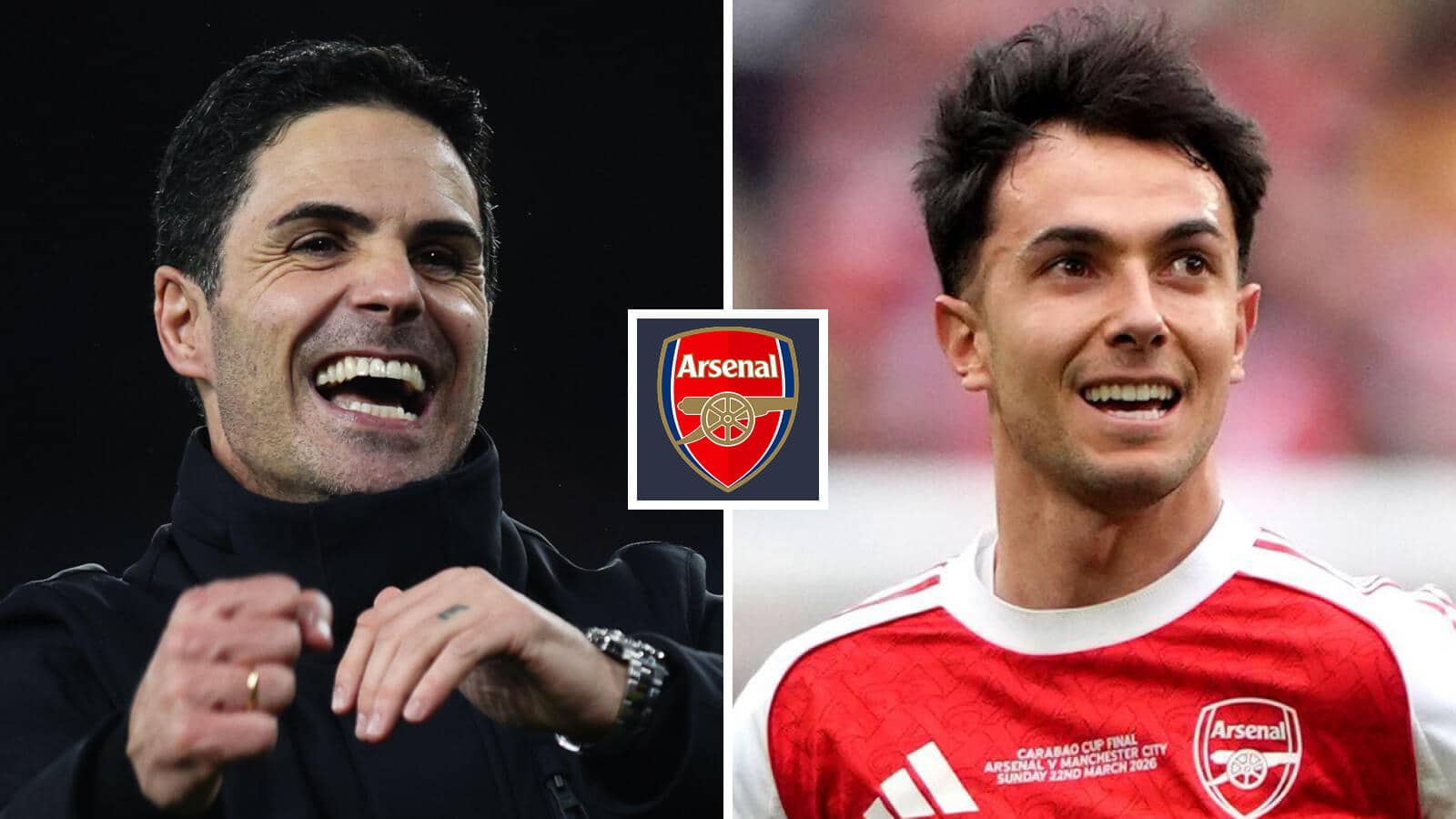
Arsenal are finally sitting at the big kids' table. After waiting 22 years to hoist the Premier League trophy, Mikel Arteta has dragged this club into the Champions League final in Budapest. It is genuinely surreal to see Arsenal back on the main stage, especially after two decades of post-invincible purgatory.
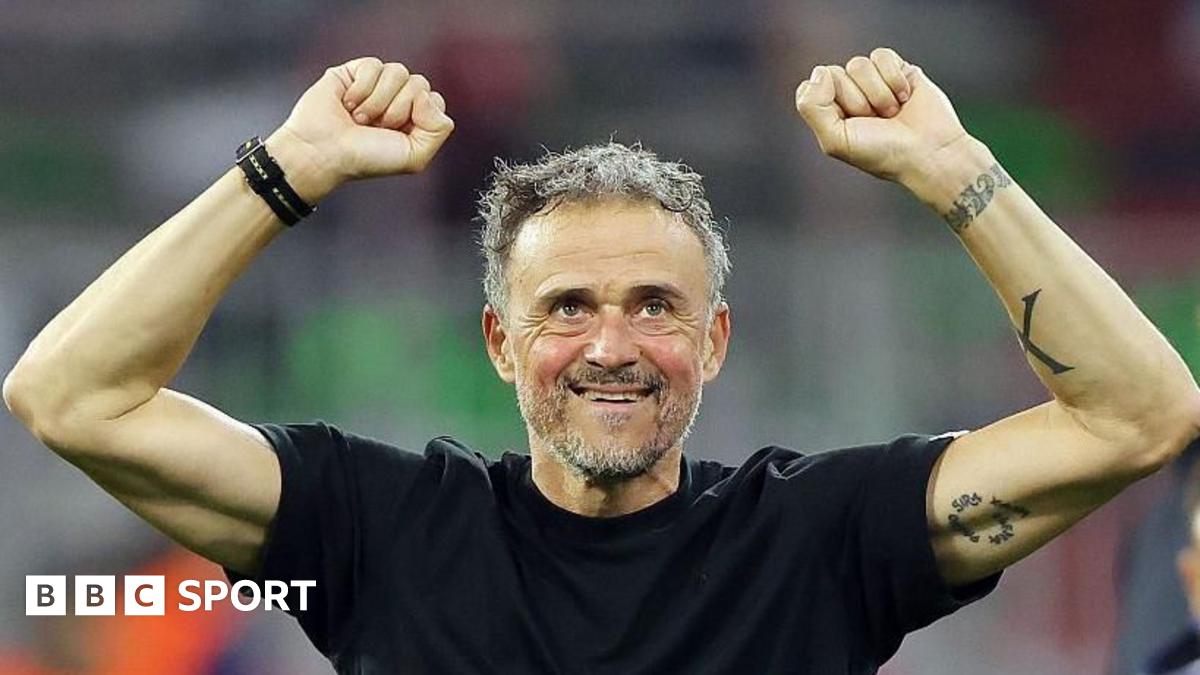
However, reality is about to hit like a freight train. Standing in the way is the absolute behemoth that is Paris Saint-Germain. They are the defending champions for a reason, and they don't care about your sentimental London redemption arcs. The contrast between Arsenal's tactical rigidity and the sheer, chaotic output of the PSG front line is the headline story of this weekend.
The tactical nightmare waiting in Budapest
Arteta has built a machine based on suffocating space and high-pressing discipline. It works perfectly against mid-table Premier League sides that fold under pressure. But playing PSG in a Champions League final is not like playing Brentford on a Tuesday night. If Arsenal’s wing-backs push too high, they are going to get carved up in transition faster than a Thanksgiving turkey.
The defensive pivot at the base of midfield has to play the game of their lives. If they get caught out of position, PSG’s speed on the break will end this match before the drinks break. There is a real danger that the Gunners try to out-muscle a team that is arguably more athletic across the board. Scaling back the intensity might go against Arteta’s gut, but it is the only way to keep the scoreline respectable.
Why the midfield battle is a total trap
Everyone is obsessed with who starts at striker, but that is the wrong conversation. The Champions League final team selection will be won by whoever controls the center of the pitch. If Arsenal plays double-pivot, they sacrifice the creativity needed to break the line. If they play a single holding mid, they are basically handing the keys to the kingdom to PSG’s transition specialists.
The fragility of Arteta’s plan is that it has almost no room for adjustment. When the plan works, it’s beautiful to watch—a symphony of controlled aggression. When it breaks, the team looks like a deer in the headlights searching for a plan B that doesn't exist. Expecting this squad to suddenly shift gears in the 75th minute against the defending champs is a gamble I wouldn't take with my own money.
The PSG factor: Talent vs effort
PSG represents the peak of modern football's obsession with brute force and talent acquisition. They don't always play pretty, but they have the individual quality to turn any mistake into a goal out of thin air. For Arsenal, a single defensive lapse in the opening 15 minutes will be catastrophic.
There is also the matter of the high stakes. This is the biggest game in 22 years for north London. The anxiety in the dressing room must be at a fever pitch. If the Gunners come out tight, the match is over before they even settle into their rhythm. Budapest is going to be a bloodbath if the midfield gets overrun early.
My biggest fear? Arsenal tries to stay true to their brand of football and gets humiliated on the counter-attack. The gap between league dominance and European tactical superiority is wider than people want to admit. This isn't just about showing up; it’s about surviving the first wave of pressure from a side that has seen it all before.
Read Next
- Arsenal's Champions League final gamble rests on one key tactical shift
- How a weird PSG loan turned Mikel Arteta into a manager
- Arsenal are finally at the summit but the PSG final is pure anxiety
- Arsenal need more than Havertz's history to unlock PSG
- ⚽ Ligue 1 2025-26 — PSG, Monaco & the Title Race Hub
- 🏆 UCL Final 2026 — Munich May 28 — Full Coverage Hub