The Physiology of a Title Decider
Sunday is not a normal football match. It is a biological battleground.
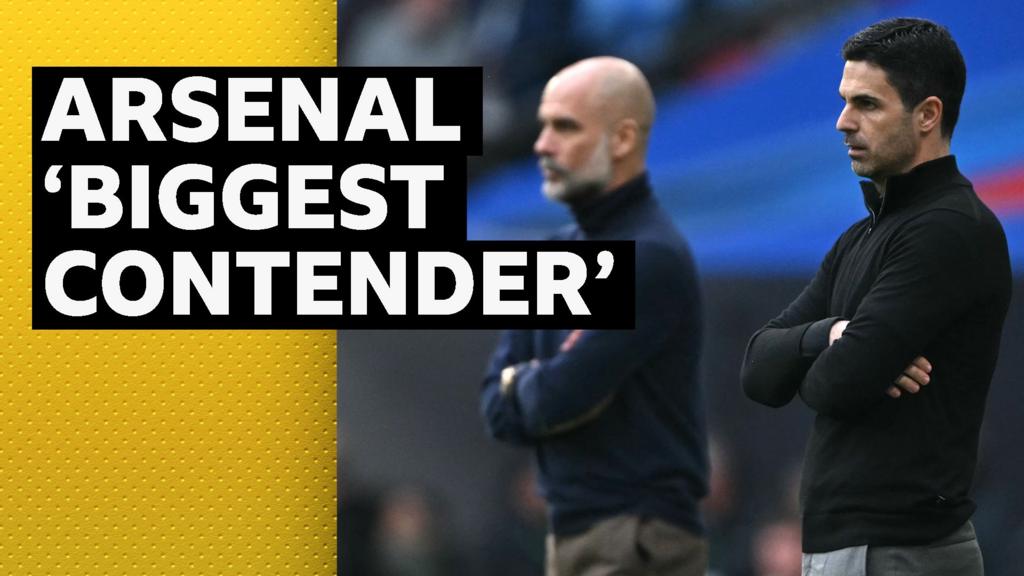
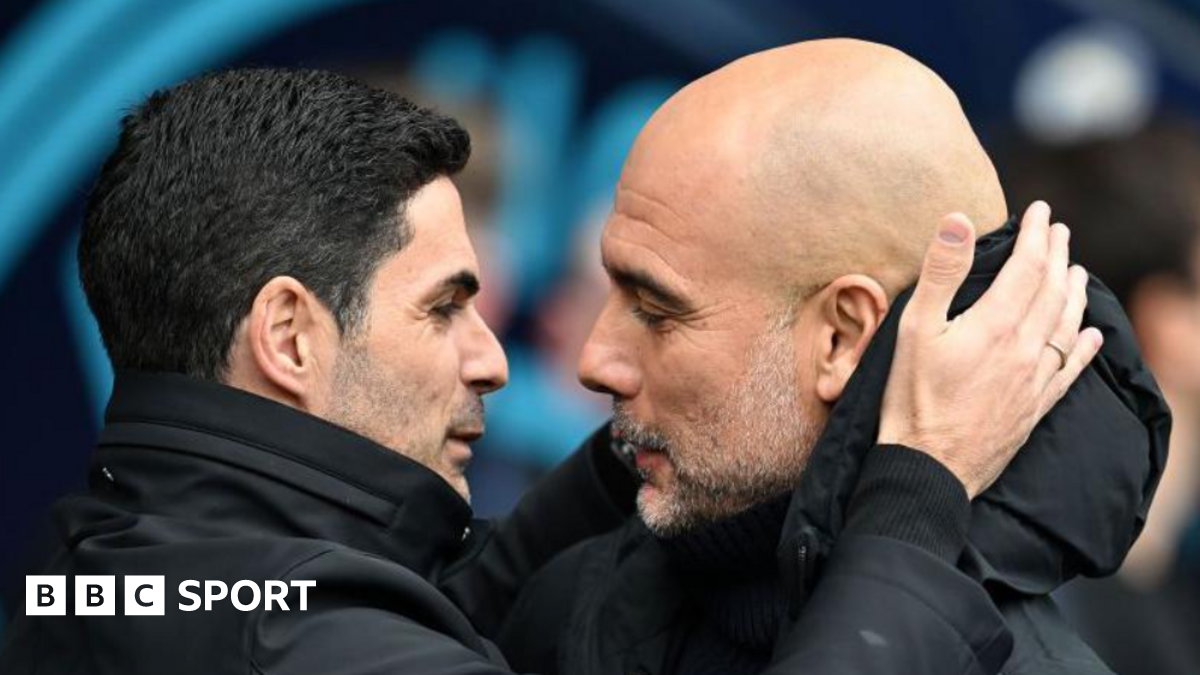
Manchester City will host Arsenal in a meeting that will define the Premier League season. The narrative is heavily focused on the touchline. As the BBC reported, European football expert Guillem Balague recently highlighted how the two managers have evolved from friends to rivals.
But the true cost of this rivalry is measured in the treatment rooms.
Elite football in late April is an exercise in pain management. Both squads are operating on the extreme edge of human endurance. When two teams play this intense, possession-heavy style of football, the physical load is massive.
The high press demands repeated, explosive sprints. The recovery runs require enormous anaerobic capacity. Muscle fibers are constantly fraying under the strain.
The medical departments at the Etihad Campus and London Colney are working without breaks. Ice baths, hyperbaric chambers, and targeted physiotherapy are keeping these players functional. The soft tissue specialists are the most important staff members right now. They analyze biometric data searching for any sign of impending muscular failure.
The Arteta Evolution and its Physical Toll
Arteta learned the trade under Guardiola. He adopted the tactical blueprints. He also adopted the extreme physical requirements.
Arsenal's defensive structure is relentless. It requires supreme cardiovascular fitness from the forwards all the way down to the defense.
This comes with a severe physical penalty. Soft tissue damage is the constant threat haunting the Emirates. Hamstrings tighten quickly. Calves strain under the pressure. The repetitive stress of sharp deceleration and rapid acceleration degrades joint cartilage over a long campaign.
We watched this happen last season. Arsenal hit a physical wall. Their pressing dropped by a fraction of a second. The passing lanes opened up.
Opponents exploited that slight fatigue. The title ultimately slipped away.
Arteta is acutely aware of this history. His medical staff tracks the loading metrics daily. Every training session is carefully calibrated to maintain tactical sharpness without inducing a catastrophic physical breakdown.
Arsenal’s squad building strategy has left them dangerously exposed here. Their failure to recruit elite rotational options for key positions borders on medical negligence. Key players are run into the ground. They carry minor knocks constantly. The medical team is forced to manage their workload during the week just so they can limp onto the pitch on the weekend.
Guardiola's Rotation and the Mental Load
Guardiola manages the red zone differently.
He rotates his starting eleven heavily. He trusts his squad depth. But even Manchester City are suffering from the April fitness crisis.
The fixture list is totally unforgiving. The Champions League adds a heavy layer of physical and mental exhaustion. City are battling on multiple fronts. The travel, the lack of sleep, the constant adrenaline spikes break players down.
Guardiola's system requires extreme cognitive sharpness. Mental fatigue almost always precedes physical injury. A tired mind makes poor decisions on the pitch. A player steps late. A tackle is mistimed. A ligament snaps.
The mentor-student dynamic between the two managers adds a unique psychological weight to Sunday's match. They know each other perfectly.
Mental strain is the silent killer in a title race. The pressure of knowing a single mistake could ruin a season creates intense anxiety. This anxiety manifests physically. Cortisol levels remain elevated. Sleep quality drops. The body's ability to repair micro-tears in muscle tissue is compromised.
The Midfield Attrition Zone
The battle on Sunday will be fought in the middle of the pitch. This area demands the highest physical toll.
The constant scanning, turning, and tackling destroy groins and hamstrings. The central midfielders are the engines of both teams. If any of these players suffer a physical drop-off, the entire tactical system collapses.
Their workload data must terrify the sports science departments. They are asked to cover massive distances at high intensity while maintaining flawless technical execution. It is a biological impossibility to sustain this indefinitely.
The Defensive Sprint Burden
Center-backs in these tactical setups are not traditional defenders. They are required to defend huge spaces left by the high defensive line.
They must turn and sprint back toward their own goal repeatedly when the press is broken. This repetitive action is a notorious mechanism for severe hamstring tears.
The center-backs carry the immense physical responsibility of anchoring the defense while initiating attacks. The mental concentration required is massive. A momentary lapse in focus results in a goal.
That level of concentration drains glycogen stores in the brain just as surely as sprinting drains glycogen from the leg muscles.
Both managers know this. Arteta and Guardiola are pushing their players into the red zone because they have no other choice. They refuse to compromise on their principles.
Their principles demand supreme athletic conditioning. They will not drop into a low block to rest players. They will not bypass the midfield with long balls to save energy.
The Historical Precedent of Spring Breakdowns
History is filled with teams that played brilliant football in November only to physically collapse in late April.
The adrenaline that carries a squad through the winter months eventually runs completely dry. When the adrenaline fades away, only base fitness remains.
Guardiola's teams are usually immune to this spring fade. They are conditioned to peak physically at exactly this moment in the season.
But this year feels different. The intensity of the title battle has forced City to expend maximum energy earlier than they would prefer. The physiological debt is accumulating rapidly. You can see it in the heavy touches and the slight delays in transition during recent matches.
Recovery is no longer just taking a day off. It is a highly mechanized scientific process.
Immediately after the final whistle on Sunday, the players will begin a rigorous protocol. Protein synthesis must be triggered immediately. Cryotherapy chambers are used to reduce systemic inflammation. Sleep is strictly monitored. The clubs track REM cycles to ensure the central nervous system is resetting properly.
But science has hard limits. A torn hamstring requires time to heal. Time is the one resource neither manager possesses.
If a key player goes down on Sunday, the season is effectively over for them. The timeline for a standard grade two muscular tear is four to six weeks.
With the Champions League semi-finals approaching and the final looming on May 28, a six-week injury today means missing the climax of the entire campaign.
The entire Arsenal and Manchester City squads are affected by this cumulative fatigue. The timeline for resolution is fixed. This physical crisis will not end until the Premier League season concludes.
The Final Stretch
Neither squad is perfect right now.
Arsenal's reliance on a core group of fourteen players is a massive vulnerability. They lack the depth to survive multiple key injuries in the same week.
City's backline is susceptible to pace on the counter-attack when the midfield press is bypassed by a long pass. These tactical flaws are heavily magnified by physical fatigue.
A tired Arsenal cannot sustain the press. A tired City cannot recover defensively.
The medical staff are desperately trying to patch these vulnerabilities with strapping tape, painkillers, and sheer willpower.
The match on Sunday will not be decided by a tactical masterclass from the touchline.
It will be decided by which team has slightly more gas left in the tank. It will be decided by which player can make that one final 40-yard sprint in the 89th minute.
The winner takes a massive step toward the Premier League title. The loser takes a devastating physical and psychological blow.
The medical fallout from this single game will dictate the rest of the season. Players will break down. Muscles will tear under the strain. The treatment rooms will be full on Monday morning.
This is the brutal reality of the Premier League right now. Survival is the only metric that actually matters.
Read Next
- Top 10: The Defining Moments of the Arsenal-Man City Rivalry
- Why Sunday's City vs Arsenal clash will decide the title
- Arsenal's season comes down to 90 minutes of survival at the Etihad
- Arsenal face brutal squad truths ahead of season-defining stretch
- ⭐ UCL 2026 — Champions League Quarter-Finals Hub