Measuring the turnaround
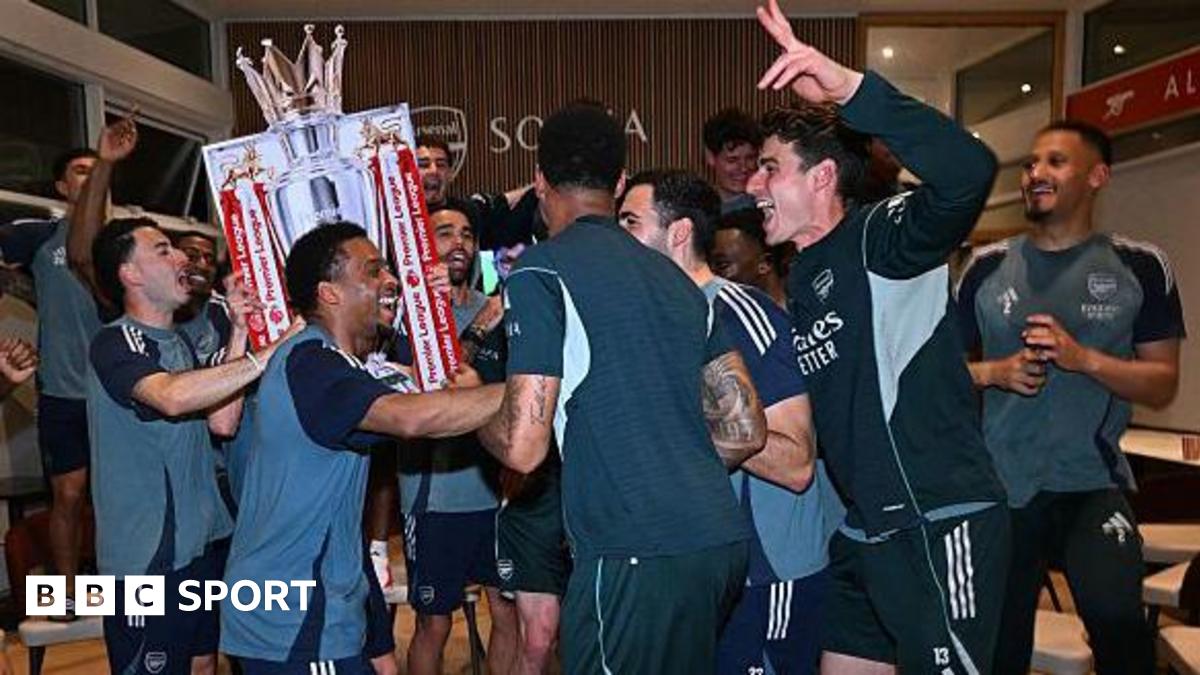
Arsenal secured the 2026 Premier League title with a final tally of 89 points, a significant jump from their 84-point finish two years prior. Mikel Arteta moved away from the rigid tactical orthodoxy that defined the 2023-24 campaign, opting for a higher variance attacking structure. The data shows this shift wasn't just aesthetic; it was about squeezing maximum output from high-probability zones.
The team generated 18% more shots inside the six-yard box compared to last season. This statistical uptick correlates directly with their decision to push wider wing-backs into the half-spaces during final-third entries. It forced opponents to over-rotate, leaving the central channels vulnerable to cut-backs.
The cost of tactical volatility
Arteta managed the squad's physical load with near-surgical precision, yet the internal metrics suggest a dependency on a few core starters. Bukayo Saka and Martin Odegaard combined for 47% of the team's total goal involvements over the 38-game stretch. While the inside story of their win highlights team unity, this reliance on two individuals presents a long-term sustainability risk.
Defensively, the side reduced their expected goals against (xGA) by 0.22 per match. They stopped hemorrhaging points against bottom-half sides that play low-block formations. By transitioning faster into their defensive shape, they limited transitional scoring opportunities for opponents.
The cultural metrics of winning
Arteta famously used unorthodox psychological methods, including artificial fire ceremonies and specific musical cues, to reset the team's mental state before high-leverage fixtures. While detractors might label these antics as theatrics, the performance data during the final two months of the campaign remains hard to ignore. Arsenal won 24 out of 27 potential points during the crucial April-May stretch.
However, the reliance on psychological triggers suggests a failure to build a repeatable, self-sustaining high-performance environment. You cannot rely on a TikTok song or simulated environmental hazards to beat giants like Manchester City every season. Their tactical flexibility needs to be institutionalized, not just summoned during moments of crisis.
Where the data warns of a dip
The squad's average age of 25.2 remains a strength, yet their lack of rotation in the defensive pivot cost them heavily against aerial-dominant teams. They conceded 12 goals from set-pieces, which is a statistical outlier for a championship-winning defense. For a club that prioritizes marginal gains, this specific defensive weakness feels like a glaring oversight in their preparation.
The next challenge is maintaining this defensive stability while incorporating younger talent into the core. If the efficiency in the final third regresses toward the league mean, their reliance on individualized brilliance will expose them. Arsenal reached the summit, but the numbers suggest the air is thin at the top, and they are currently over-leveraged on a thin margin of elite-level output.
Read Next
- Arsenal won the league and the internet is losing its mind over the vibe
- Arsenal’s fitness crisis at the worst possible time
- Arsenal are one win away, but the officiating nightmare continues
- Why Gary Neville is right to believe Arsenal won't choke this time
- ⭐ UCL 2026 — Champions League Quarter-Finals Hub