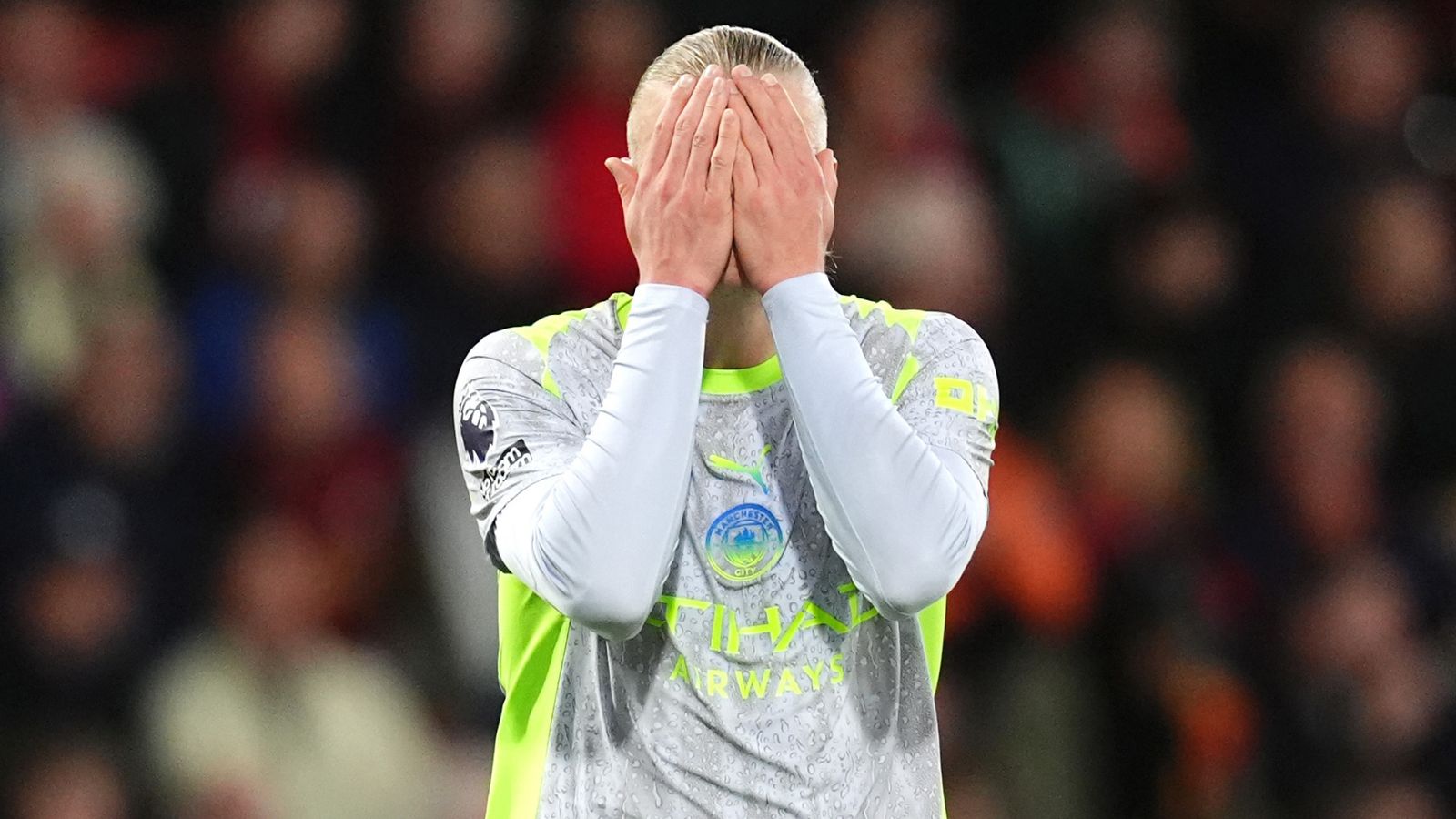
Why Gary Neville is right to believe Arsenal won't choke this time
The shadow of the London Stadium looms over the Vitality
Tuesday nights in May usually belong to the Champions League anthem and the frantic search for away goals. But tonight, the eyes of the footballing world shift to the South Coast. As Manchester City prepare to walk out at the Vitality Stadium to face Bournemouth, they do so knowing that the air in the title race has become perilously thin. Gary Neville’s assessment on Sky Sports this morning was as blunt as it was definitive: he doesn't see a way for Arsenal to waste this opportunity. For a man who built a career on the 'Fergie Time' mentality of never saying it's over, the finality in his voice was striking.
Neville’s confidence isn't just born of Arsenal’s consistency; it's rooted in the statistical decay of this current City iteration. Since that pivotal afternoon at the London Stadium in March, where City slumped to a draw against West Ham, Pep Guardiola’s side has lacked the usual surgical precision that defines their run-ins. They managed 24 shots on goal that day without finding a way through a low block that would have been dismantled in previous seasons. That result left them 10 points adrift, and while they have clawed some of that ground back through games in hand, the psychological damage looks permanent. Tonight, against an Andoni Iraola side that thrives on high-turnover transitions, City are walking into a tactical minefield.
Arsenal, meanwhile, have become the embodiment of 'boring' efficiency. Mikel Arteta has pivoted away from the high-octane, emotional chaos of the 2023/24 campaign. This version of the Gunners is a defensive monolith. They haven't conceded a goal from open play in their last 480 minutes of football. While the world waited for the inevitable April collapse, Arsenal simply kept winning. The narrow 1-0 victories over Everton and Brighton weren't flashy, but they were the hallmarks of a champion-in-waiting. They have stopped trying to out-play the opposition and started simply out-existing them.
The Iraola trap and City's defensive entropy
Manchester City’s primary issue tonight isn't their ability to score—it’s their inability to control the middle third. Rodri, for so long the undisputed king of the central pivot, has started to look human. His pass completion rate in the defensive third has dipped to 84% over the last three matches, a significant drop from his career average of 92%. Bournemouth's midfield, led by the relentless Lewis Cook, will be instructed to swarm Rodri the moment he receives the ball with his back to goal. Iraola’s 4-2-3-1 is designed specifically to exploit teams that play out through a single pivot, and City's lack of a reliable secondary ball-carrier in the absence of an injured John Stones has left them vulnerable.
We saw this vulnerability exposed during City's recent struggle against Crystal Palace. When the opposition commits to a mid-block press, City's build-up becomes predictable. They circulate the ball in a 'U' shape, unable to find the vertical lanes that Phil Foden usually occupies. Foden has been City’s standout performer this term, but even he cannot carry the creative burden alone while Erling Haaland is being marked out of games. Haaland's touch count in the box has fallen by 15% since January, a clear indicator that the supply lines are being successfully severed by smart defensive schemes. If Illia Zabarnyi can maintain the level of physicality he showed against Liverpool last month, Haaland could be in for a long, frustrating night at the Vitality.
There is also the matter of City’s bench depth—or lack thereof. The decision to trim the squad in the summer of 2025 is now looking like a rare oversight from Txiki Begiristain. When Guardiola looked to his bench during the West Ham stalemate, he saw talented but raw teenagers rather than established game-changers. In a title race decided by fine margins, that lack of veteran presence in the final twenty minutes is a glaring weakness. City are no longer the 'infinite resource' team; they are a squad operating at the very limit of their physical capacity, and it shows in their lack of late-game intensity.
Max Dowman and the changing of the guard
If City represent the fading elite, Arsenal are the exuberant new arrivals. The emergence of Max Dowman has changed the entire dynamic of Arteta’s squad. At just 16 years old, Dowman’s goal against Everton didn’t just make him the youngest scorer in Premier League history; it signaled a shift in the club's philosophy. Arteta is no longer afraid to trust the academy when the pressure is highest. Dowman’s ability to operate in small pockets of space has provided a necessary foil to Martin Odegaard’s more structured playmaking. It’s a terrifying prospect for opposition managers: how do you game-plan for a player who hasn't even finished his GCSEs but possesses the technical security of a ten-year veteran?
However, it hasn't all been a victory parade for the North Londoners. If there is a critical flaw in this Arsenal side, it's their occasional reliance on Bukayo Saka to bail them out when the system stutters. Saka has played nearly 3,200 minutes this season across all competitions. In the 2-1 loss to Aston Villa in late April—Arsenal's only real stumble in this run—Saka looked visibly fatigued. His take-on success rate dropped to 22% in that match, as he struggled to beat Lucas Digne on the outside. If Arsenal do manage to lose this title, it will be because they ran their star winger into the ground before the finish line was in sight.
But Gary Neville's point stands: the opportunity is too great and the opponent is too weakened. City's visit to Bournemouth tonight feels less like a comeback attempt and more like a final stand. The Vitality Stadium is compact, the crowd is hostile, and the pitch is often slower than the carpet-like surfaces City prefer. It is exactly the kind of environment where a weary champion gets tripped up by a hungry, well-drilled mid-table side. If City drop points tonight—and I suspect they will—the title won't just be Arsenal's to lose; it will be theirs by right.
The psychological hurdle has been cleared
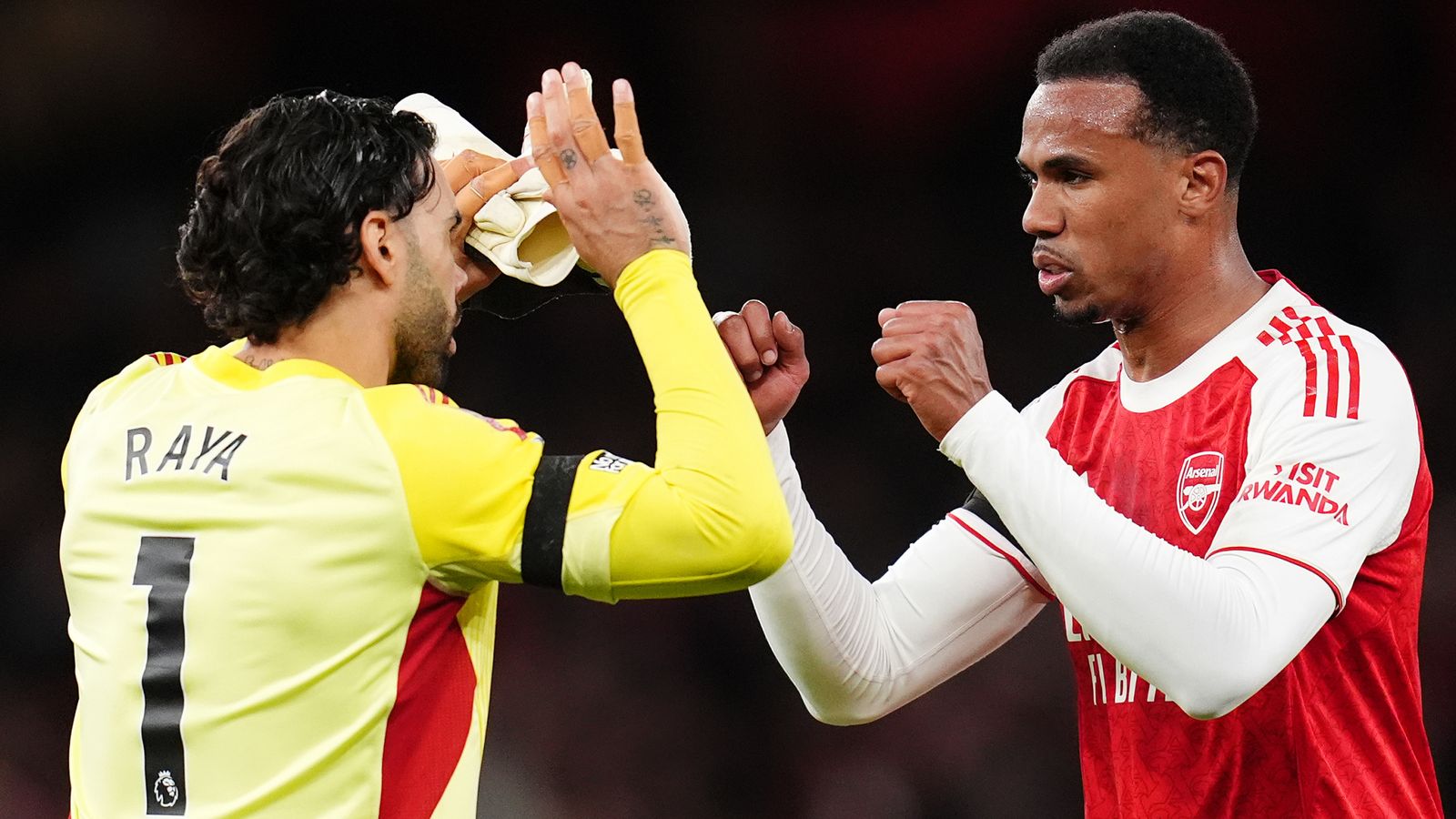
For years, the 'Arsenal DNA' was synonymous with a certain fragility. We saw it in 2023, and we saw glimpses of it in 2024. But this season has felt different. There is a coldness to this team that wasn't there before. When William Saliba and Gabriel Magalhães are marshaling the backline, there is no panic. They communicate with a telepathic understanding that reminds me of the Vidic-Ferdinand partnership at its peak. They have conceded only 22 goals all season, the lowest tally in the league by a significant margin. You don't win titles on vibes anymore; you win them on xG suppression, and Arsenal are currently the world leaders in that metric.
City, by contrast, look like a team that has won too much. There is a lack of 'edge,' as Barney Ronay correctly noted earlier this year. The hunger that drove them to the Treble and the four-in-a-row seems to have dissipated. Even Guardiola’s touchline antics feel more performative than genuine. The tactical innovation that usually keeps them one step ahead—the inverted full-backs, the false nines, the box midfields—has become standard league fare. Every manager in the top flight now knows how to set up against the Guardiola blueprint. The 'Pep tax' is no longer being paid by the rest of the league.
As we head into the final week of the 2025/26 season, the narrative is shifting from 'will they choke?' to 'how many will they win?'. Arsenal face a trip to the Midlands on the final day, but if results go their way tonight, that match might already be a dead rubber. Gary Neville rarely gets everything right, but his reading of the room this morning was spot on. The era of Manchester City dominance is entering its twilight, and Arsenal are the ones holding the torch. Tonight at the Vitality, the flame might finally go out for the defending champions.
"I've watched these two teams for three years now, and this is the first time I can honestly say I don't see a City comeback happening. Arsenal have grown up, and City have grown tired." — Gary Neville on Sky Sports
The numbers don't lie. City’s expected goals against (xGA) has risen by 0.4 per game since the turn of the year. In a league of such narrow margins, that is the difference between a trophy and a runner-up medal. Bournemouth won’t give them an easy ride, and with the pressure of a global audience watching, the cracks in the City facade are likely to widen into chasms. Arsenal fans can start chilling the champagne; the wait is almost over.
Read Next
- Arsenal are using Nicolas Jover's set-piece magic to mask a tired title charge
- Why Mikel Arteta is suddenly the biggest Bournemouth fan alive
- Arsenal fans can finally stop holding their breath after that Burnley nightmare
- Why Arsenal's clash with Burnley is a terrifying trap
- ⭐ UCL 2026 — Champions League Quarter-Finals Hub
Adidas Unisex-Adult MLS League Soccer Ball
A durable, high-quality ball perfect for weekend pickup games.
Frequently Asked Questions
Why does Gary Neville think Arsenal will win the Premier League?
Who are Manchester City playing in their critical Tuesday fixture?
What tactical issues are Manchester City facing recently?
How has Mikel Arteta changed Arsenal's playing style this season?
When did Manchester City's title run-in start to show signs of decline?
More Coverage
Tottenham are shaking up the squad with a record-breaking push
4 minutes ago
Arsenal weigh up Ethan Nwaneri departure as Premier League interest grows
4 minutes ago
Arsenal's transfer strategy remains locked on silverware
5 minutes ago
Atletico Madrid are at war with Barcelona over Julian Alvarez
5 minutes ago
Anthony Gordon to Barcelona is a high-stakes gamble for all involved
8 minutes ago
Why England must fear Panama's disciplined low block
59 minutes agoMore Analysis

Arsenal's coronation is the final nail in the Guardiola era
1 week, 2 days ago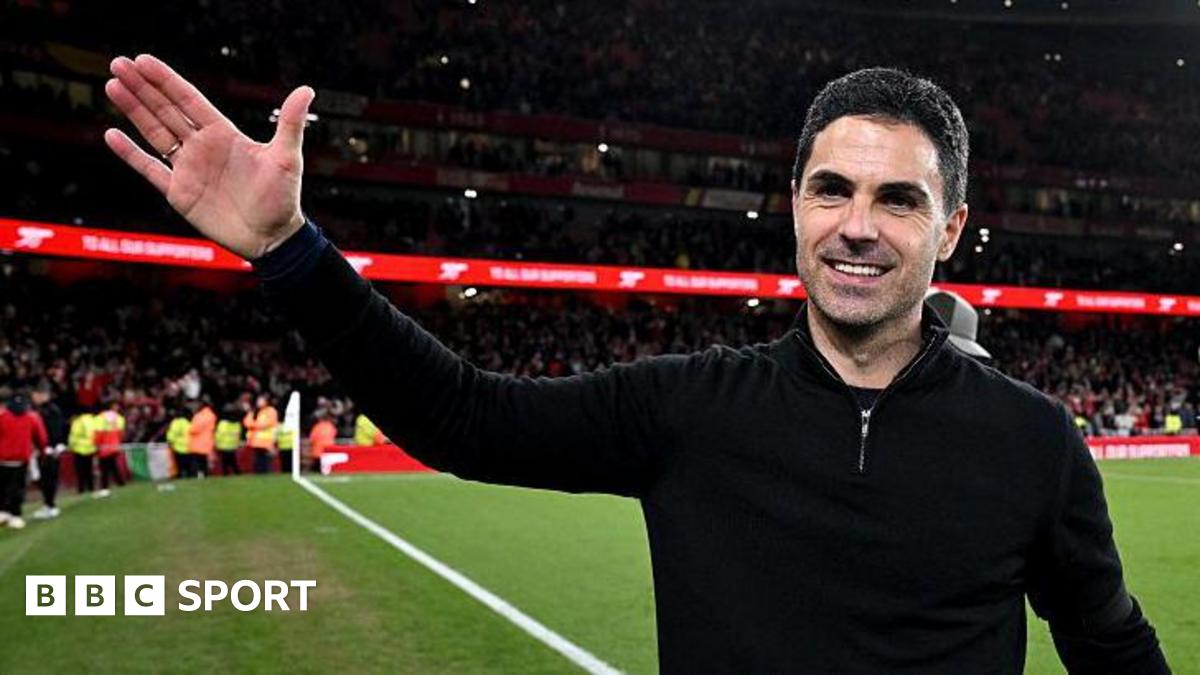
Bournemouth holds the key to Arsenal's 22-year title wait
1 week, 3 days ago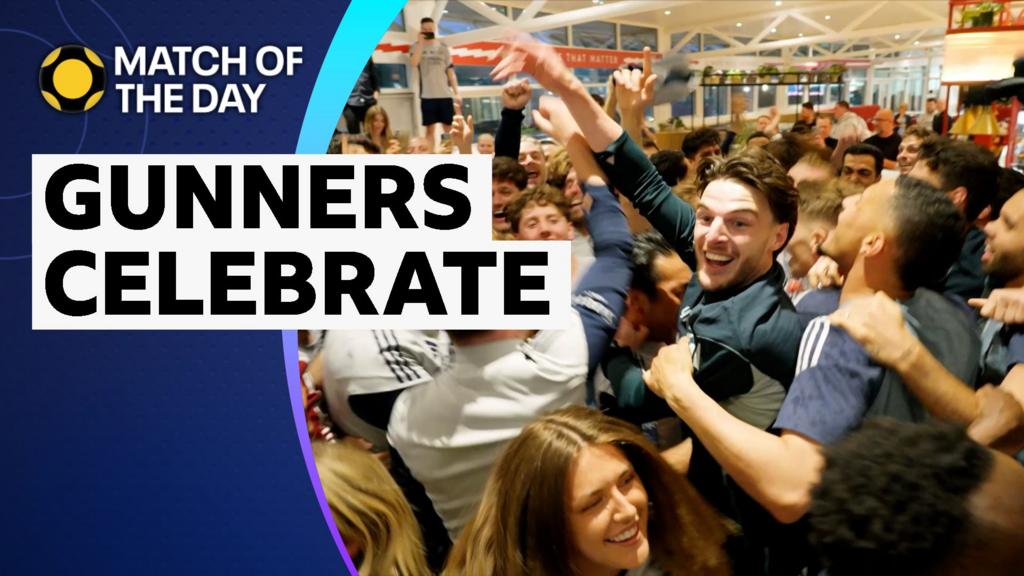
Arsenal's 22-year title drought is dead. Bring on the coronation.
1 week, 2 days ago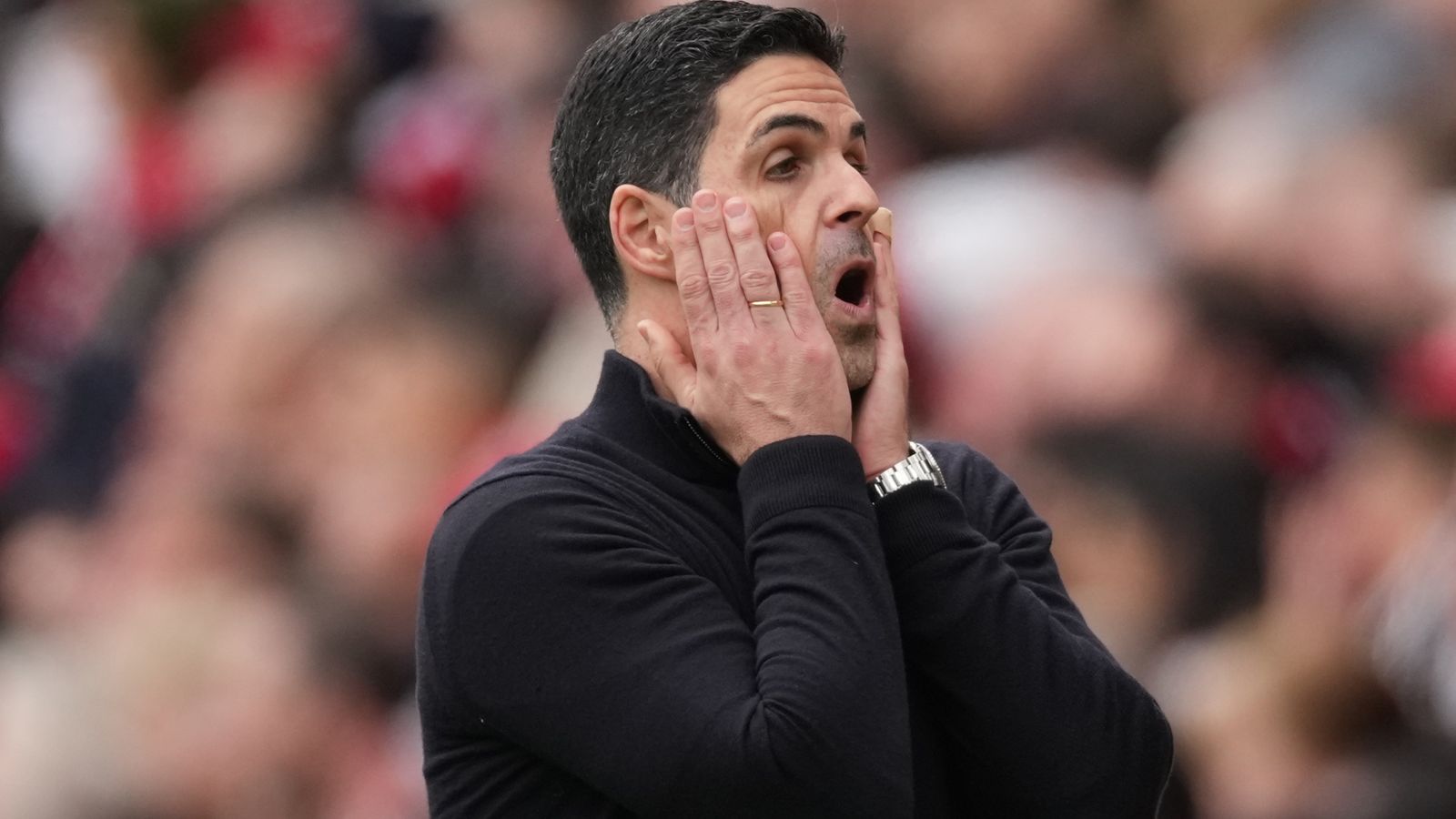
Arsenal are walking into a tactical nightmare against Man City
1 month, 2 weeks ago
Arsenal are folding under the pressure of the title race
1 month, 2 weeks ago