The math is settled, the drought is dead
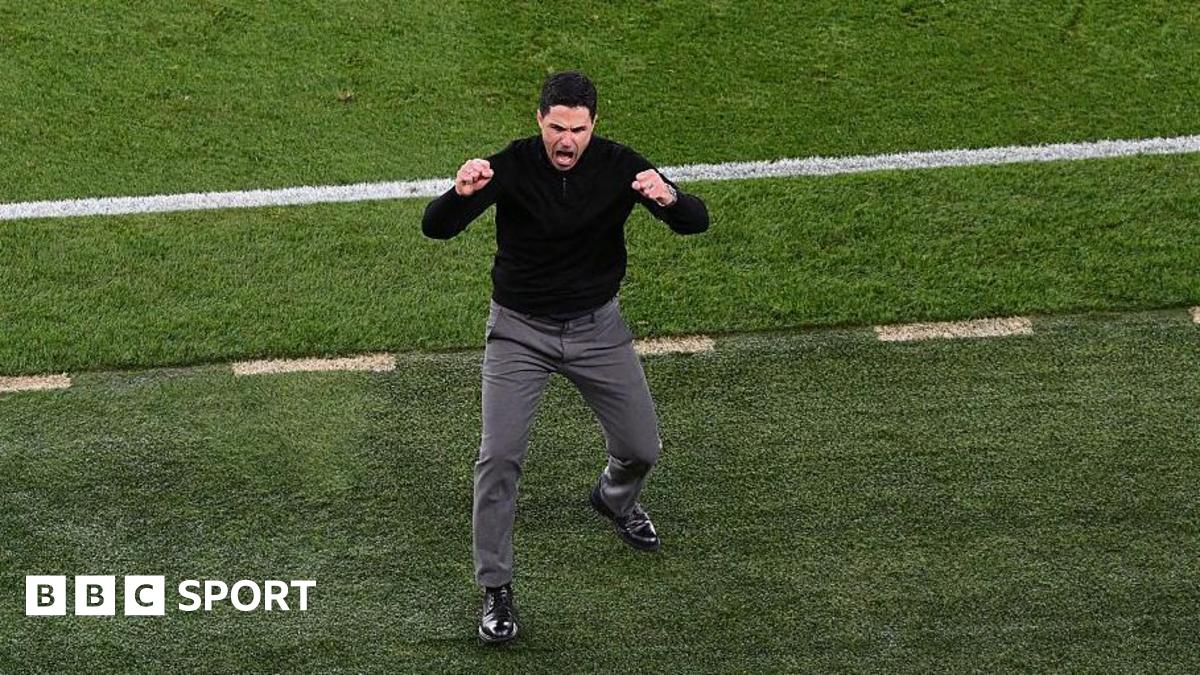
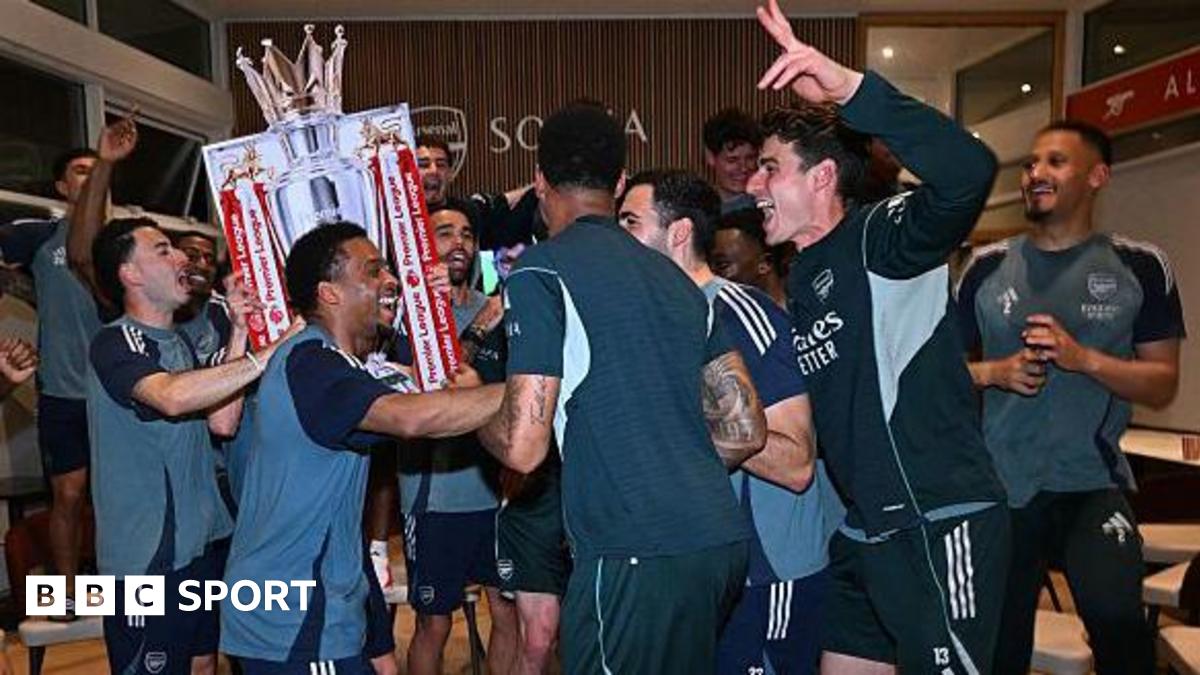
Arsenal are Premier League champions. The sentence feels almost alien to type, a transmission from a completely different era of English football. It has been 22 years, or roughly 8,000 days, since the Invincibles secured the trophy at White Hart Lane.
The years in between have been filled with false dawns, late-season collapses, and tactical identity crises. Generations of fans have grown up viewing a title challenge as an exercise in eventual disappointment.
Arsene Wenger sent a message to the club this week, finally able to pass the torch. The symbolic weight of his shadow has hung over the Emirates Stadium for over a decade. But while the emotional narrative will dominate the broadcasts, the underlying data tells a colder, more clinical story.
Arsenal did not end this drought by reverting to Wenger-ball. They did not win with the free-flowing, improvised attacking combinations of the early 2000s. They won it by constructing one of the most suffocating, risk-averse defensive structures in modern European football.
The foundation of a champion
The headline metric that defines this championship run is their underlying defensive solidity. Across the entire league campaign, Mikel Arteta's side conceded an average of just 0.68 expected goals against (xGA) per 90 minutes. That is a historically elite figure.
To put that into context, Manchester City's centurion season in 2017/18 saw them post an xGA of 0.72 per 90. Chelsea's famous 2004/05 defense under Jose Mourinho allowed similar underlying numbers. Arsenal have effectively squeezed the life out of opposition attacks, reducing matches to half-pitch exercises in positional discipline.
The evolution from a fragile possession-based side to an impenetrable block has been gradual. The high line, marshaled by William Saliba and Gabriel Magalhães, operates with robotic synchronization. They push up aggressively, compressing the space between the midfield and defensive lines.
But the real secret lies higher up the pitch, in how they deny access to the central third. Pressing in the Premier League is often measured by Passes Per Defensive Action (PPDA). The lower the number, the more intense the press.
Arsenal finished the season with a PPDA of 9.2, ranking them as the most aggressive team off the ball in the division. The pressing is ferocious, but it is never mindless running.
The triggers are highly coordinated. Martin Ødegaard functions as the initiator, consistently curving his runs to cut off passing lanes to the opposition pivot. When he jumps, the rest of the midfield shifts in unison, creating an inescapable net.
A counterintuitive defensive trend
This brings us to a highly counterintuitive finding in the data. Despite dominating the ball and pressing high, Arsenal actually recorded fewer final-third ball recoveries than both Liverpool and Tottenham Hotspur.
Why? Because teams simply stopped trying to play through them. Opponents recognized the trap. Instead of risking turnovers in dangerous areas, bottom-half teams routinely opted to hit long, low-percentage clearances over the top.
Saliba and Gabriel mopped these clearances up with ease. Saliba won his aerial duels at a 64 percent clip, while Gabriel dominated at an even higher rate. Arsenal did not need to tackle high up the pitch because their tactical reputation did the defending for them.
They forced opponents into playing a completely different sport. Teams arrived at the Emirates hoping to hit long balls to isolated strikers, only to find those strikers instantly swallowed by two dominant center-backs.
Control over chaos
The control they exerted is best illustrated by field tilt, a metric that measures the share of passes completed in the final third. Arsenal operated with a field tilt of 68%. They pitched their tents in the opposition's half and refused to leave.
This level of territorial dominance requires exceptional rest-defense. Declan Rice's positioning has been the key variable here. He acts as a sweeper ahead of the center-backs, shuttling horizontally to extinguish counter-attacks before they ever materialize.
Rice's ability to read the game allows the full-backs to push high without leaving the center exposed. He covers ground efficiently, ranking in the 95th percentile for interceptions in the middle third.
In possession, the tactical approach was deliberate, sometimes even slow. Arsenal averaged 14.5 passes per sequence, prioritizing ball retention over rapid vertical progression.
This frustrated some sections of the Emirates crowd during the winter months, especially in low-scoring, grinding draws. But the coaching staff understood the trade-off. By slowing the tempo and starving the opponent of the ball, they minimized the variance inherent in chaotic, transition-heavy matches. They stripped the randomness out of the game.
The set-piece cheat code
Attacking output, ironically, was heavily dependent on dead-ball situations. Arsenal generated a massive proportion of their goals from corners and wide free-kicks.
The meticulous routines devised by set-piece coach Nicolas Jover yielded 22 goals across the campaign. When open-play creativity stagnated against rigid low blocks, a perfectly delivered out-swinger to the near post became their most reliable weapon.
This reliance on set-pieces masks a slight dip in open-play attacking metrics. Bukayo Saka faced constant double-teams, and his isolation out wide meant the team had to find alternative routes to goal.
The right-sided triangle of Ben White, Ødegaard, and Saka was heavily scouted. Opposing managers regularly deployed a wide midfielder specifically to track White's underlapping runs, congesting the half-spaces.
Arsenal responded by overloading the back post, relying on late arrivals from the left flank to finish off recycled possession. Leandro Trossard and Gabriel Martinelli benefited heavily from this shift in attacking gravity.
Why this year was different
The numbers reveal a team that is brutally efficient. They rarely over-committed men forward. The attacking structure usually featured a rigid 3-2 shape behind the ball, ensuring they were never caught outnumbered on the break.
Even when chasing a goal in the dying minutes, Arteta refused to abandon this safety net. The discipline required to stick to the game plan, even under immense pressure, is perhaps the most impressive aspect of this squad.
Contrast this with previous seasons. In the 2022/23 run-in, Arsenal bled chances in transition. They lost control of game states when William Saliba was injured. They were emotionally fragile.
This year, they over-performed their expected points (xPts) slightly, but the baseline was so high that a drop in finishing form never derailed their momentum. They learned how to win ugly.
Grinding out a 1-0 away win requires relentless concentration. Arteta realized that league titles are won by raising the floor, not just elevating the ceiling.
The collapse of the chasers
The drop-off from their rivals also played a massive part. Manchester City showed uncharacteristic defensive flaws this season. Pep Guardiola's side struggled defending counter-attacks, frequently getting exposed through the middle.
Liverpool's high-octane approach yielded incredible attacking numbers but left them vulnerable. Their high line was breached repeatedly in tricky away fixtures. Arsenal were the only team capable of maintaining a flat, consistent level of performance from August through May.
They simply refused to drop points in the fixtures that usually decide title races. They neutralized the chaotic elements of English football and replaced them with sterile, predictable control.
Looking beyond the celebrations
Arsene Wenger's message to the club this week formally closes a massive chapter in Arsenal's history. The invincibility of 2004 cast a long, oppressive shadow over subsequent managers. Every iteration of the team was measured against an impossible standard.
This current side has broken the curse by forging its own distinct identity. They are not the Invincibles. In many ways, they are something more suited to the current era of data-driven football. They are a machine built to minimize risk.
Looking at the data, the sustainability of this model is clear. The core of the squad is in its physical prime. The defensive metrics do not point to lucky bounces or an over-performing goalkeeper making impossible saves.
The numbers point to a robust, deeply embedded tactical framework. Opponents will have to find an entirely new way to attack them next August.
The challenge next season will be evolving the attacking play. They need to find ways to break down low blocks without relying quite so heavily on set-pieces. Open play chance creation metrics must improve if they want to translate this domestic dominance into European success.
But that is a problem for tomorrow. Today, North London belongs to Arsenal. The 22-year drought ended not with a moment of individual magic, but with an unrelenting, methodical strangulation of the rest of the league.
They are the champions. They have the defensive spreadsheets to prove it.
Read Next
- Arsenal's 22-year title drought is dead. Bring on the coronation.
- Top 10: Moments That Defined Arsenal's 22-Year Title Wait
- Pep Guardiola is leaving Man City and Arsenal are about to take over
- Arsenal won the league and the internet is losing its mind over the vibe
- ⭐ UCL 2026 — Champions League Quarter-Finals Hub