The 1-0 statistic that paints a grim picture
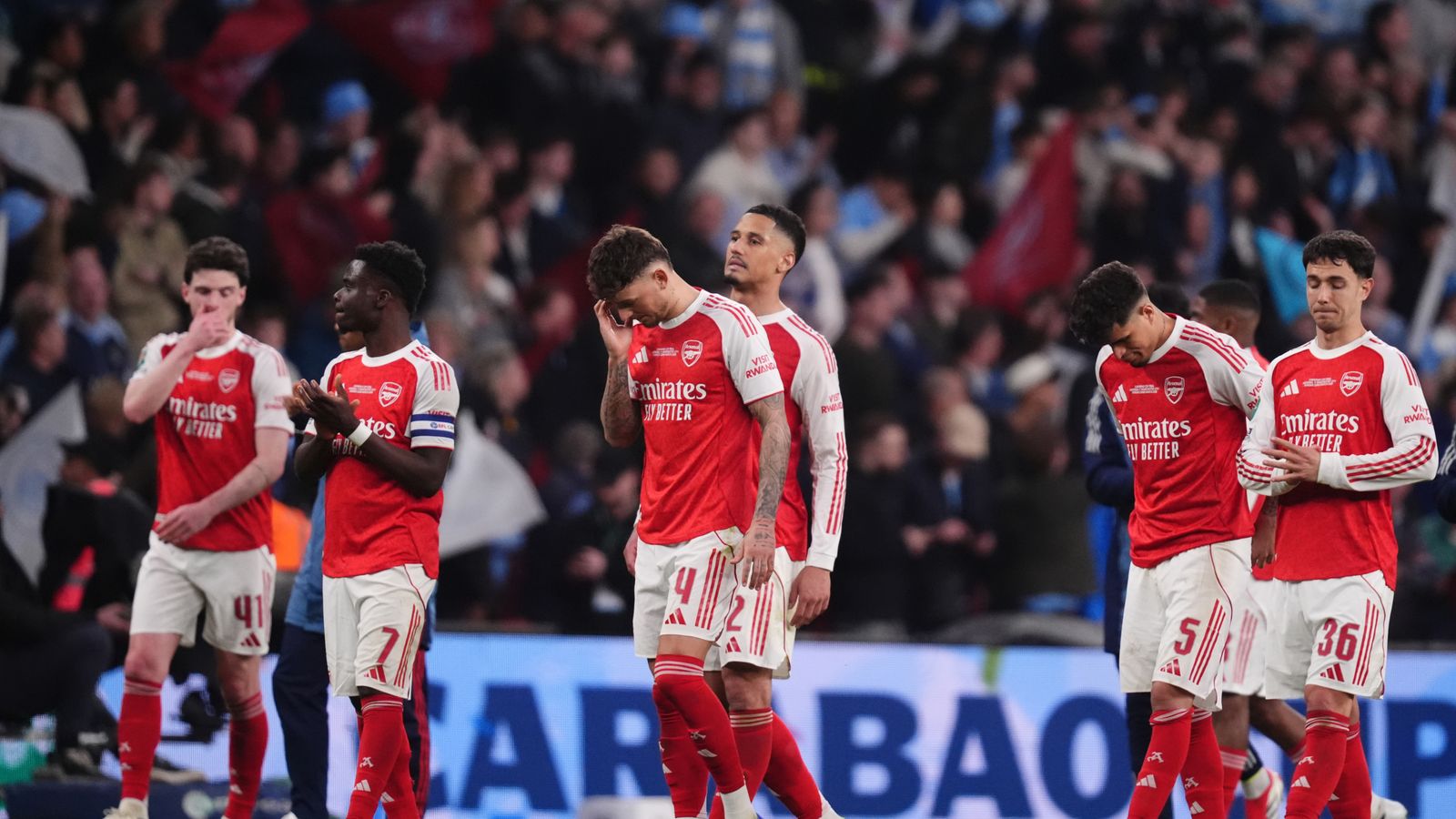
Arsenal exited the FA Cup at the hands of Southampton, a result defined by a lack of offensive punch. The Gunners managed only 1 goal across their previous three fixtures, highlighting a sharp decline in efficiency. This 0.33 goal per game average over that stretch reflects a side that has lost its creative rhythm deep into the season.
Possession depth vs attacking output
Mikel Arteta oversaw 64% ball retention during the loss to Southampton, yet the quality of those touches was abysmal. Arsenal generated a mere 0.82 xG despite dominating the territory battle for 90 minutes. This discrepancy between ball control and shot volume suggests a side playing in front of the defensive block rather than through it.
The defensive transition gap
The tactical map from the match confirms a recurring failure in defensive transitions. Arsenal conceded 4 high-value counter-attacks before the 60th minute, allowing Southampton to bypass the midfield press with ease. The tracking data shows Bukayo Saka and Gabriel Martinelli were often caught 20 yards further upfield than the defensive line, creating a vacuum in the wide zones.
Arteta's tactical shift under fire
As The Mirror reported, Mikel Arteta projected a distinct 'nervous energy' on the touchline during this collapse. While coaching intensity is often romanticized, the statistical correlation here is negative. The team's pass completion percentage plummeted from 88% in the first half to 74% in the final 15 minutes.
This drop-off points to a loss of composure that stems from the dugout. When internal structure wavers, the tactical set-up inevitably frays. Arsenal now faces a period where they must reconcile their high-possession identity with the reality of their 1.12 goals scored per match average since the start of April.
The regression of the press
Comparing these figures to their February form reveals a systemic issue. Between February 1 and March 1, Arsenal averaged 14.5 shot-creating actions per 90 minutes. That figure has vanished, dropping to 9.2 in recent outings. The team is running, but they are not moving with purpose.
The lack of clinical finishing is not just bad luck; it is a symptom of a predictable movement pattern in the final third. Opponents have identified the triggers for Arsenal's wide overloads. Until Arteta adjusts his verticality, these 1-0 defeats will remain a feature rather than an anomaly.
Read Next
- Arsenal face mounting pressure after FA Cup exit and fresh fitness concerns
- Arsenal's treble dream just went up in smoke at St Mary's
- Arsenal are sacrificing their squad depth for a risky title gamble
- Arsenal's title charge takes a massive hit with Gabriel injury
- 🏆 FA Cup Final 2026 — May 16, Wembley
- ⭐ UCL 2026 — Champions League Quarter-Finals Hub