The sports calendar is currently eating itself alive
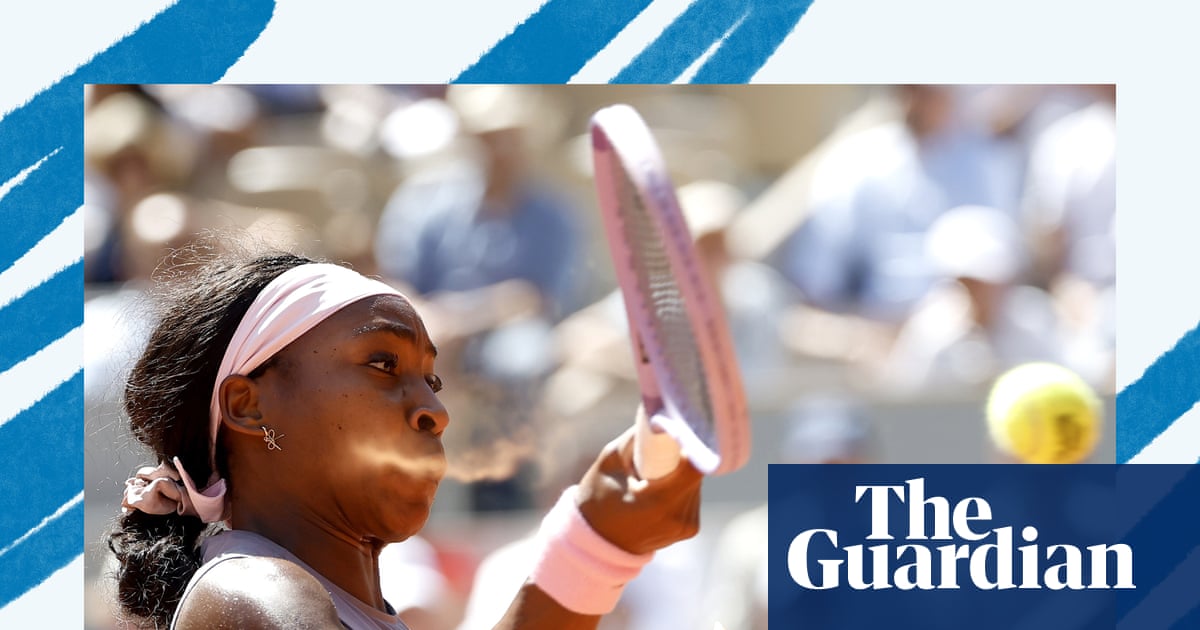
Too much of a good thing
We have reached a point where the sporting calendar has stopped being a linear progression and started behaving like an aggressive recursive function. It is May 29, 2026. The Champions League final, the French Open, and the Women’s FA Cup final are all converging in a messy, high-stakes collision. It is no longer possible to be a fan of the sport; one must now be a traffic controller for streaming services.
Consider the logistical nightmare of this weekend. We are less than two weeks out from the FIFA World Cup kickoff on June 11, and the global football machine refuses to stop spinning. The Champions League final represents the zenith of club football, but it feels like a fever dream when the European season is gasping for air against the backdrop of an impending global tournament.
The cost of density
This clustering creates an impossible choice for the viewer. If you focus on the clay at Roland Garros, you are missing granular tactical shifts in the Women’s FA Cup final. As The Guardian reported, the demand for up-to-the-minute coverage is peaking exactly when eyeballs are most fragmented. We have traded the Sunday afternoon tradition for a multi-monitor anxiety loop.
The scheduling committees have essentially gambled that our attention spans are elastic enough to stretch across three distinct continental events. They are wrong. When everything is billed as an unmissable moment, nothing retains its gravity. The 90-minute window of a final deserves undivided focus, not a split-screen compromise with a tennis match in its third set.
Missing the margin
There is a cynical sterility to this arrangement. By packing these events into a singular weekend, organizers prioritize ad revenue windows over narrative clarity. The beauty of these tournaments lies in the build-up—the midweek press conferences, the injury updates, the slow churn of expectation.
When we cram the FA Cup final into the same pocket as the Champions League, both lose their individual shine. We end up with a blur of high-def footage rather than a deep dive into the technical brilliance of a specific midfield pivot or a tactical defensive shift. We are witnessing a data-driven approach to sports broadcasting that ignores the actual psychology of being a supporter.
The negative impact is clear: coverage is becoming summary-based rather than analytical. Instead of waiting for a breakdown of a complex transition play from the semi-finals, we get rapid-fire score updates. We are trading depth for volume. If the sport tries to compete with social media’s pace, it eventually loses the very complexity that makes matches worth watching in the first place.
Nike Pitch Premier League Soccer Ball
Official replica of the ball used in England's top flight.
Frequently Asked Questions
What happens when major sporting events overlap?
How does scheduling density affect sports coverage?
Why does the author criticize the current sports calendar?
When does the FIFA World Cup begin?
What is the consequence of treating all games as unmissable?
More Coverage
Why Gabby Logan almost binned the BBC for a flight to nowhere
an hour ago
PSG are finally playing like a team and it is terrifying
5 hours agoArsenal’s European ambition check is about eighty games overdue
5 hours ago
Arsenal's transfer strategy remains locked on silverware
5 hours ago
Arsenal vs PSG: Why tactical rigidity will determine the European champion
7 hours ago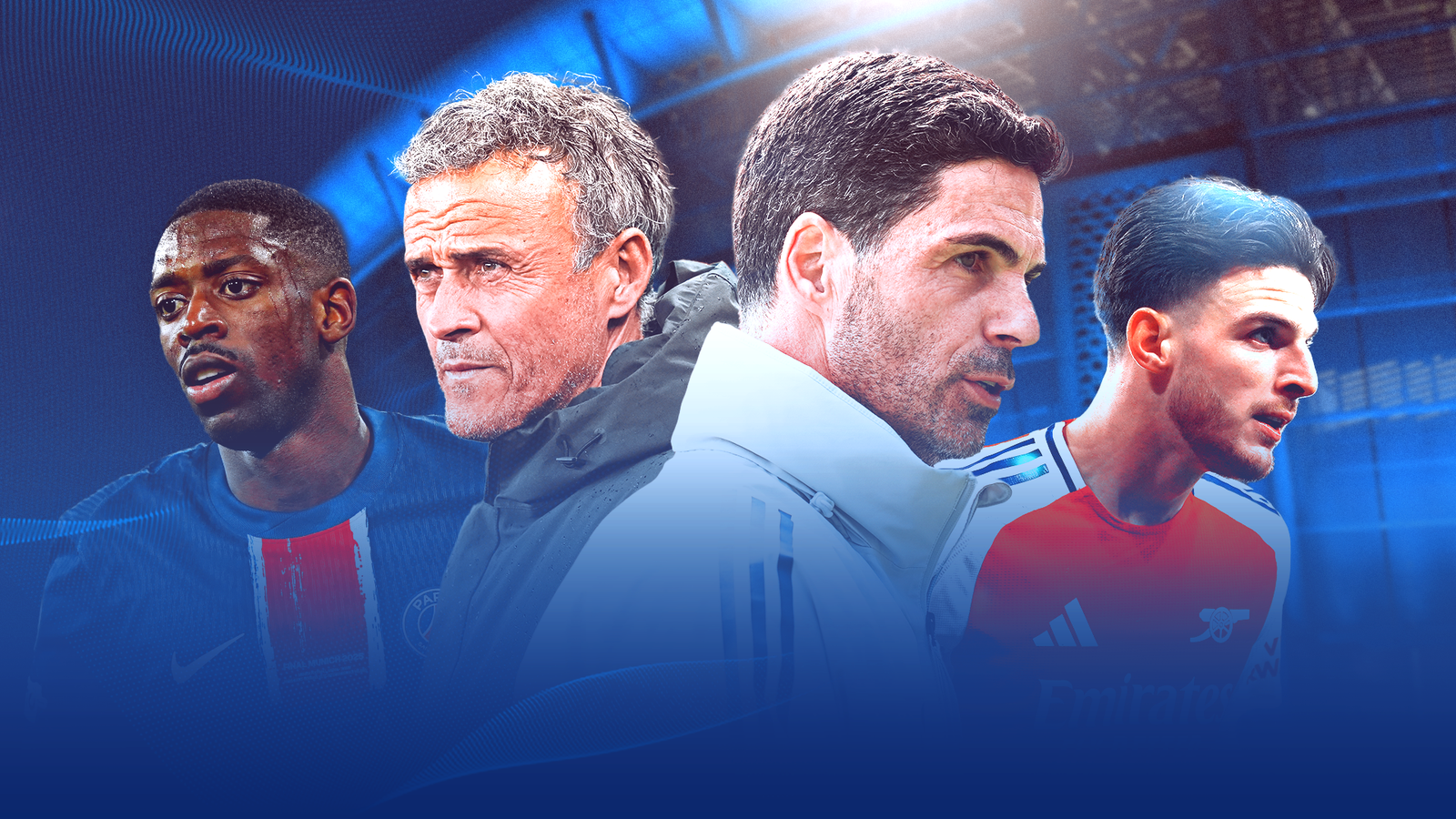
Arsenal and PSG are locked in a tactical chess match for the trophy
9 hours agoMore Analysis
Clear your weekend schedule because sports is about to go nuclear
3 weeks, 6 days ago
The Champions League final is Europe’s last stand before chaos
4 days, 16 hours ago
Barcelona and Lyon prepare for a painfully familiar Champions League final
1 week ago
The Premier League is officially running on fumes
2 months ago
TNT Sports is making a colossal mistake with the Champions League final
1 week, 3 days ago