Arsenal's international break is a tactical nightmare
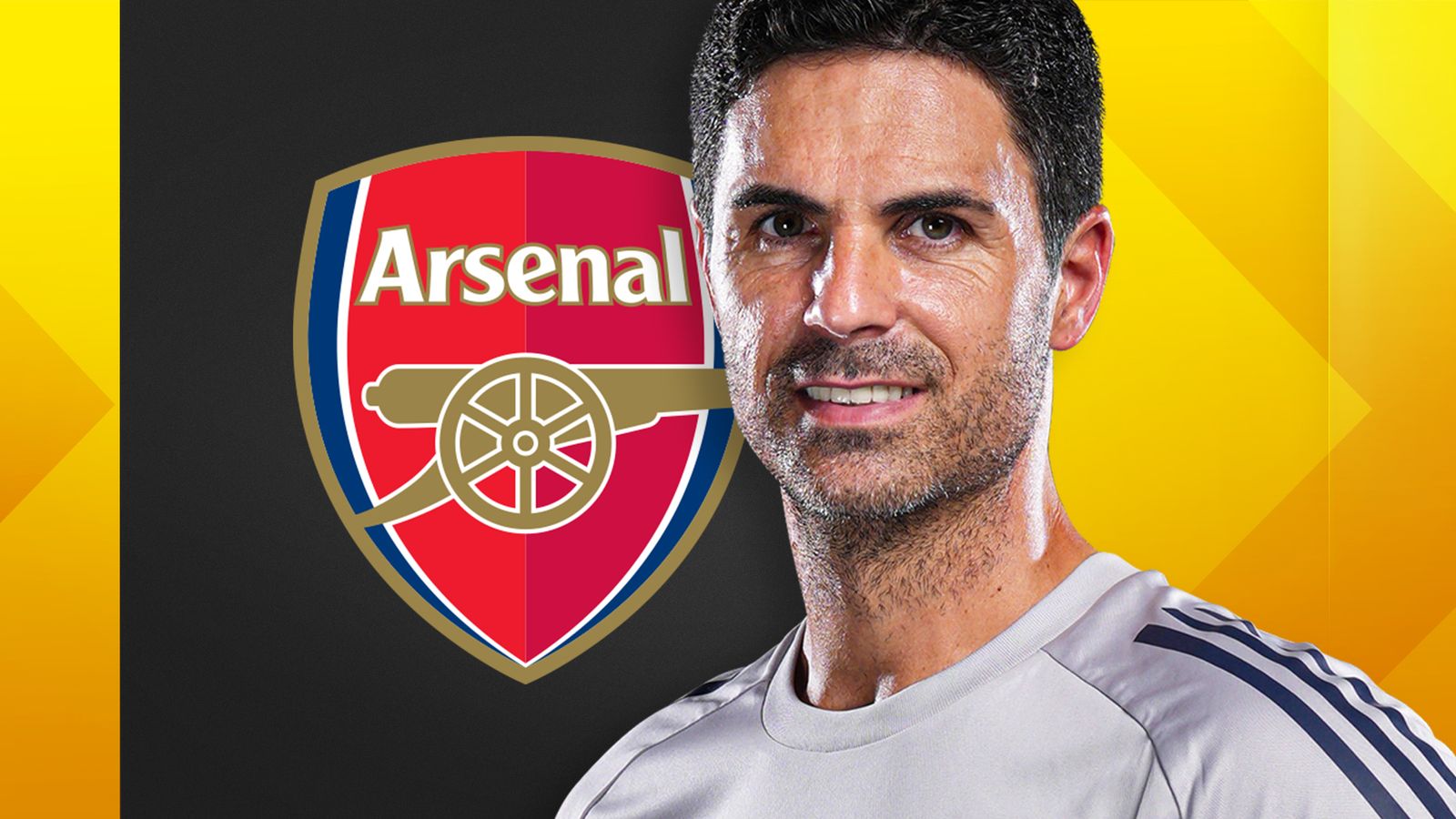
The international break curse strikes again
Mikel Arteta is watching his title challenge dissolve in real-time, and he isn't even playing a match. The international break is supposed to be a time for managers to catch their breath, review video, and prepare for the run-in. Instead, the Arsenal boss is watching his squad drop like flies.
First, it was Leandro Trossard. Then Gabriel Magalhaes pulled out of the Brazil squad. Now, according to the Mirror, a staggering six Arsenal players have withdrawn from international duty.
A deeper structural issue
This isn't just bad luck. This is the consequence of a tactical system that demands absolute physical perfection. Arteta's pressing triggers require his front line to sprint relentlessly, forcing turnovers high up the pitch. When the system works, it looks brilliant.
But the physical toll is immense. You cannot play high-intensity football for 90 minutes, twice a week, without consequences. The human body breaks down.
Look at Gabriel. He is the anchor of the defense. His partnership with William Saliba is the bedrock of Arsenal's success. Without him, the entire structure wobbles. The pressing traps fail because the defensive line drops five yards deeper to protect the backup center-backs. The distances between the lines increase, and suddenly, Arsenal are easy to play through.
The contrast across Europe
While Arsenal are counting the cost of their high-intensity approach, other clubs are managing the load more effectively. Over in Italy, Milan are sending 13 players off to international duty, from Orlando to Oslo. They seem perfectly capable of rotating their squad and keeping their players fit.
Even closer to home, Manchester United forwards Bryan Mbeumo and Benjamin Sesko are sitting out the break, managing their minutes carefully. It's a calculated risk, prioritizing club form over international friendlies.
Arteta's tactical stubbornness
The problem for Arsenal is that Arteta doesn't trust his squad players. He runs his starting XI into the ground because he believes the drop-off in quality is too steep. He's not wrong about the quality gap, but the failure to integrate rotational players earlier in the season is now haunting him.
When you rely on the same 12 or 13 players for every crucial match, an injury crisis isn't an accident; it's an inevitability. The high press becomes a liability when the players executing it are running on fumes.
The run-in looks bleak
Arsenal are now facing the sharp end of the season with a depleted squad. They need to find a way to win matches without their key personnel. This will require a tactical shift, something Arteta has historically been reluctant to do.
If they try to play their usual high-octane game with tired, second-string players, they will be picked apart by smarter teams. The international break was supposed to be a reset. Instead, it might be the week Arsenal's season fell apart.
Read Next
- Arsenal are staring into the abyss again and it feels way too familiar
- Arsenal's Carabao Cup collapse is the wake-up call Viktor Gyökeres needed
- Top 10: The defining moments of the 2025/26 domestic cup season
- Top 10: The defining moments of the 2025/26 domestic season
- ⭐ UCL 2026 — Champions League Quarter-Finals Hub
Official Liverpool FC Authentic EPL Knit Scarf
Wave the Red crest high at the pub or the stadium.
Frequently Asked Questions
Why did so many Arsenal players withdraw from international duty?
How does Arteta's pressing system impact Arsenal's injury rate?
Why does Mikel Arteta rarely rotate his starting lineup?
What happens to Arsenal's defense when Gabriel Magalhaes is absent?
What tactical adjustments does Arsenal need for the season run-in?
More Coverage
Arsenal’s European ambition check is about eighty games overdue
an hour ago
Tottenham are shaking up the squad with a record-breaking push
an hour ago
Arsenal weigh up Ethan Nwaneri departure as Premier League interest grows
an hour ago
Arsenal's transfer strategy remains locked on silverware
an hour ago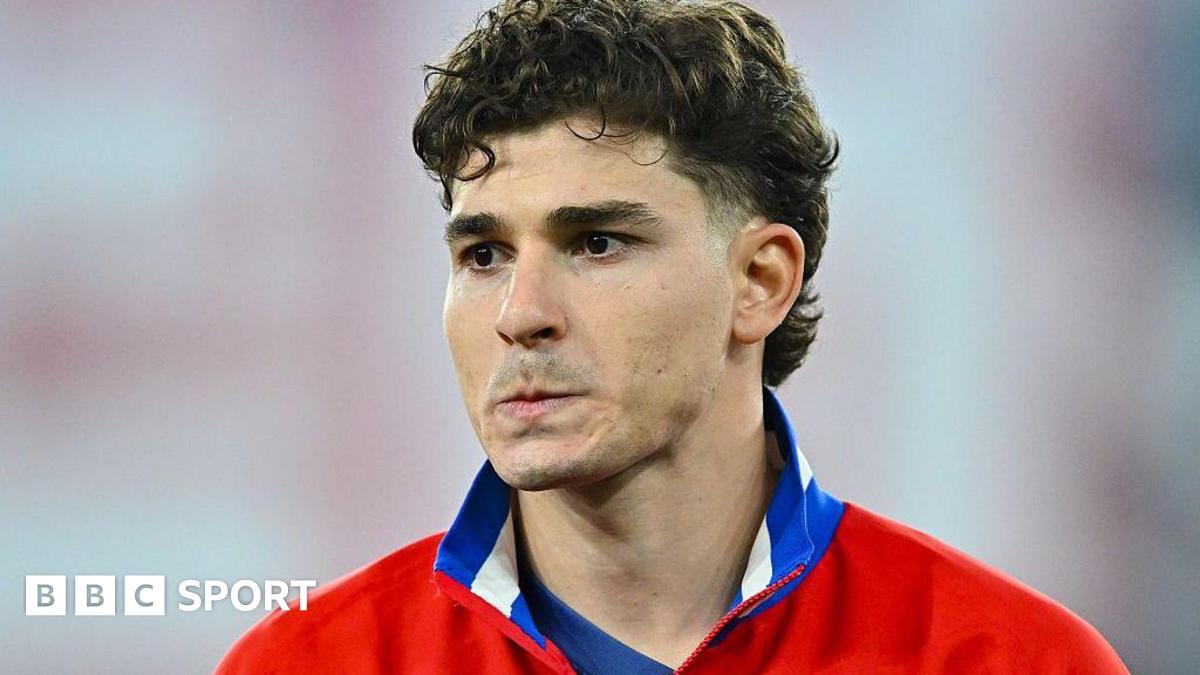
Atletico Madrid are at war with Barcelona over Julian Alvarez
an hour ago
Anthony Gordon to Barcelona is a high-stakes gamble for all involved
an hour agoMore Analysis
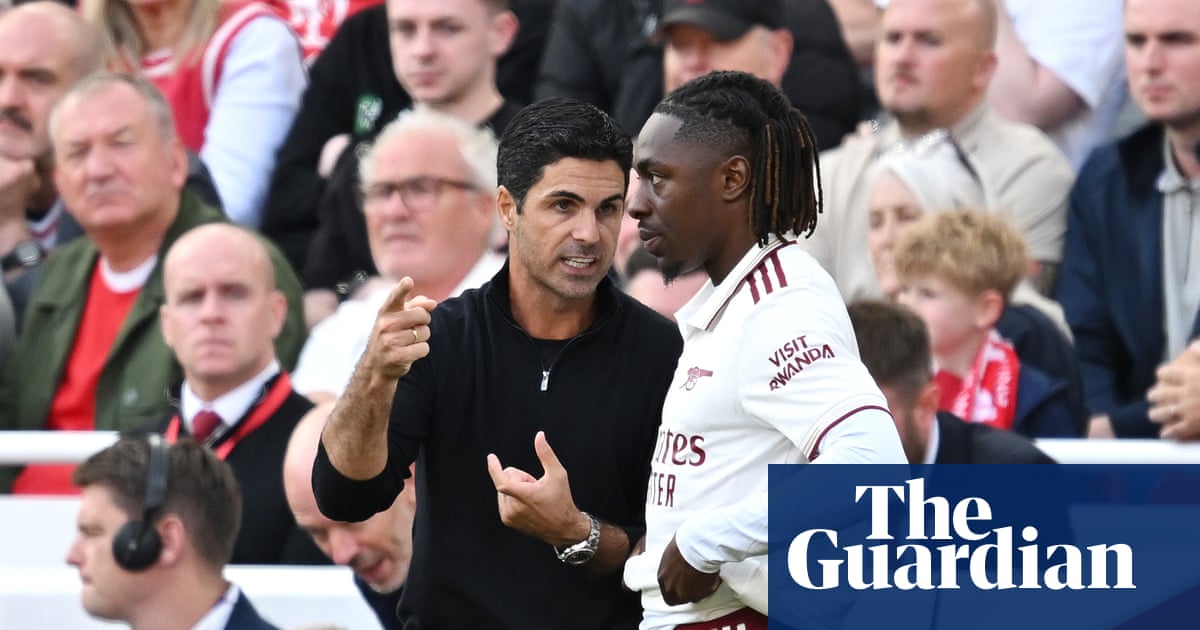
Arsenal's injury crisis raises questions about squad management
1 month, 3 weeks ago
Arteta's injury crisis is a predictable mess of his own making
1 month, 4 weeks ago
Arsenal's nightmare scenario is unfolding right on schedule
2 months ago
Arsenal face a brutal schedule as the title race hits the wall
1 month ago
Arsenal hit a physical wall just as the stakes get impossible
1 month ago