The Ghost of Highbury’s Hustle
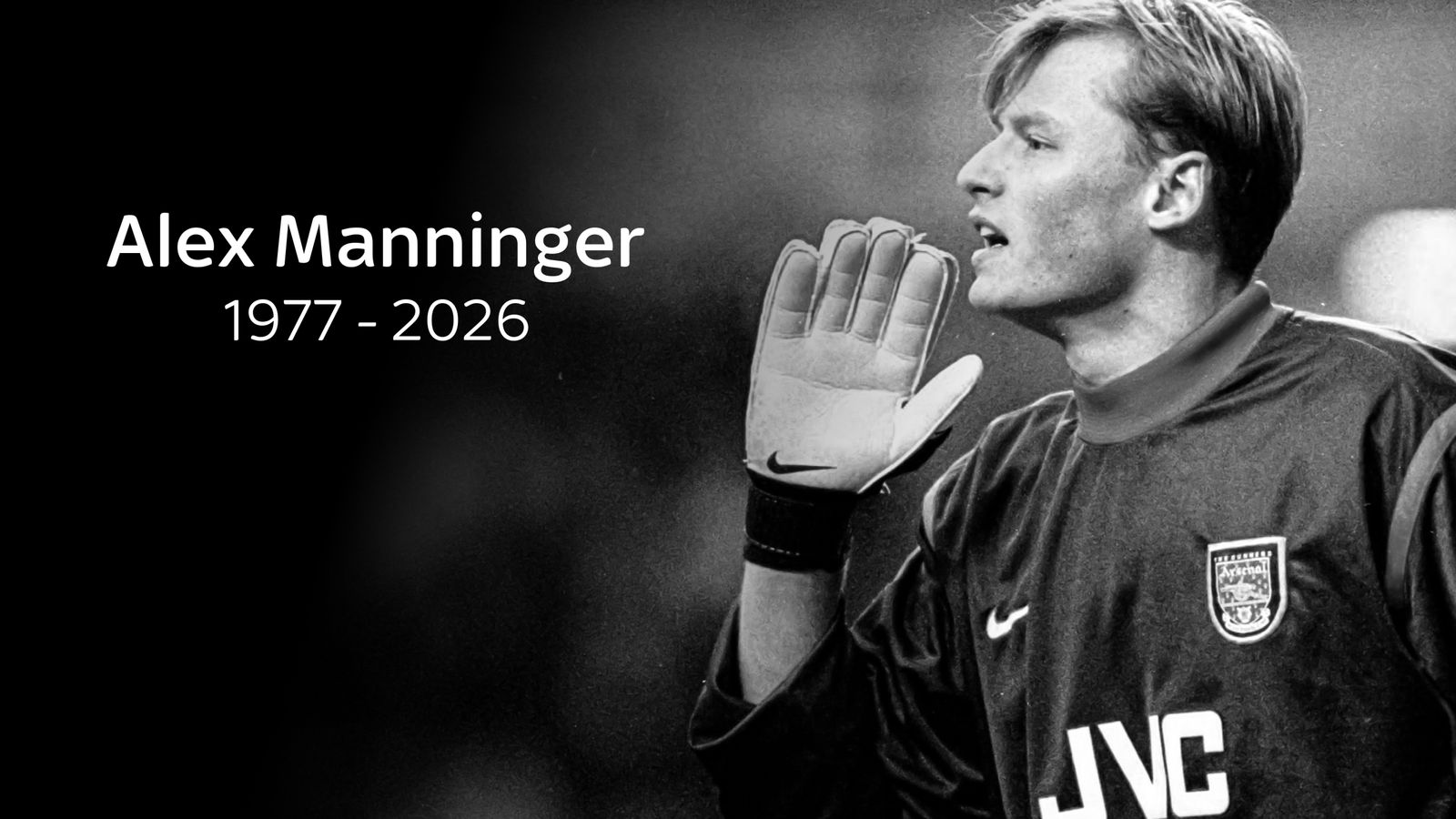
Graham Stack’s recent admission that he spent his time at Highbury selling counterfeit Gucci belts to the Invincibles is more than just a funny anecdote. It is a window into a version of Arsenal that no longer exists. As Mirror Football reported, the former goalkeeper would take orders from legends like Thierry Henry and Patrick Vieira, supplying them with knock-off accessories from the back of his car.
Today, Mikel Arteta’s squad is a sterilized, high-performance unit. Every calorie is tracked by a nutritionist, and every defensive rotation is mapped by a fleet of analysts. There is no room for a third-choice goalkeeper to run a side-hustle in the dressing room. But as we head into Tuesday’s Champions League quarter-final second leg, you have to wonder if this team has lost the rogue edge that allowed the 2004 side to bulldoze through adversity.
The current crop of players is technically superior to almost any in the club's history. They operate with a surgical precision in their 3-2-5 attacking shape. Yet, in high-stakes European nights, they often look like they are playing by the manual rather than the moment. When the plan breaks down, they don't have the street-smart cynicism of a Vieira or the sheer audacity of a player wearing a fake belt while scoring a hat-trick.
The Tactical Trap of the First Leg
The first leg was a lesson in tactical stagnation. Arsenal controlled 62% of the ball but struggled to penetrate a disciplined mid-block. Martin Ødegaard was restricted to just 42 touches, his lowest involvement in a home game this season. The opposition’s pressing triggers were devastatingly simple: they allowed William Saliba to carry the ball into the middle third before pinching the passing lanes to the half-spaces.
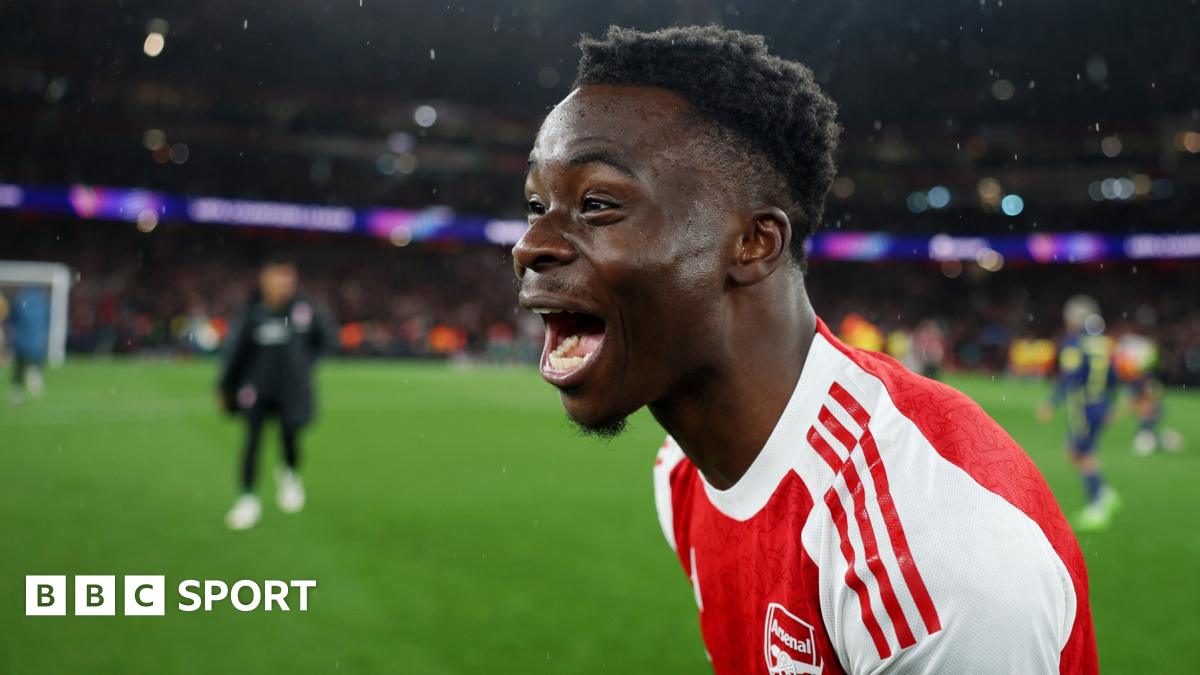
Arsenal’s reliance on Bukayo Saka’s 1v1 success rate has become a predictable burden. In the first leg, Saka attempted 12 dribbles but completed only 3. By the 70th minute, his physical output dropped significantly, a recurring theme in April for a player who has started nearly every meaningful match for three years. The lack of a viable alternative on the right flank is the one major oversight in Edu’s squad building.
Defensively, the high line was exposed twice by simple vertical runs. Gabriel Magalhães, usually a pillar of aggression, was caught in two minds when the ball was recycled quickly. He stepped up to engage a dropping forward, leaving a cavernous gap behind him that was exploited for the opening goal. It was a lapse in concentration that shouldn't happen at this level, especially for a defense that has conceded so few in the Premier League.
The Midfield Disconnect
Declan Rice remains the most important signing of the Arteta era, but his role in European knockouts needs refining. In domestic matches, he is a roaming destroyer. In the Champions League, he is often pinned back to cover the adventurous surges of the full-backs. This leaves a void in the central transition phase, forcing the wingers to drop deeper than they should.
- The pass completion rate from center-backs to the front three dropped from 78% in the first half to 54% in the second.
- Arsenal failed to register a single shot from inside the six-yard box.
- The expected goals (xG) accumulated from open play was a measly 0.62.
The tactical fix for Tuesday is obvious but difficult. Arteta must allow Rice more license to drive forward, even if it means exposing the back four. Playing it safe will only result in another slow-motion exit from the competition. We need to see the "chaotic" Arsenal that occasionally surfaces in North London derbies, not the rigid, over-coached version that showed up last week.
A Critical Failure of Nerve
There is a growing concern that this team is too nice. While the 2004 squad was buying fake Gucci, they were also starting fights in the tunnel at Old Trafford. This 2026 version of Arsenal is polite. They take their defeats with a quiet dignity that is frankly frustrating to watch. Where is the player who will take a tactical yellow card in the 30th minute to stop a dangerous counter? Where is the player who will get in the referee's face to demand a booking for the opposition?
Kai Havertz is the physical embodiment of this identity crisis. His work rate is elite, and his positional intelligence is second to none. However, he has now gone 180 minutes of knockout football without a shot on target. As a false nine, he creates space for others, but in a game where goals are the only currency that matters, his lack of clinical instinct is becoming a liability. If Gabriel Jesus is fit, he must start; the Brazilian brings a level of unpredictability that unsettles elite defenders.
The psychological weight of the club's European history is a tangible factor. Every time a pass goes astray or a clearance is shanked, you can feel the anxiety radiating from the stands. The players mirror this. They stop taking risks. They start playing the safe five-yard pass instead of the ambitious line-breaker. This is where the lack of experienced winners in the squad becomes glaringly apparent.
The Blueprint for Tuesday
To win this tie, Arsenal must abandon the laboratory and embrace the street. They need to exploit the opposition's weakness in the wide areas during the first 15 minutes. A high-intensity press, similar to the one we saw against Liverpool in February, is the only way to rattle a team as experienced as this one. If they don't score early, the game will settle into a rhythm that favors the more cynical side.
I expect to see Leandro Trossard introduced earlier than the 75th minute. His ability to find space in congested areas is superior to Martinelli’s straight-line speed when the opponent is sitting deep. The left-back position remains a headache; whether it’s Zinchenko’s defensive frailties or Kiwior’s lack of overlapping threat, there is no perfect solution. Arteta will likely opt for the safety of a more defensive shape, which I believe is a mistake.
This match will be won or lost in the mind. If Arsenal can play with the freedom of a team that has nothing to lose—the kind of freedom a young goalkeeper feels when he's selling fake belts to his more famous teammates—they have a chance. If they play with the fear of failure, they will be out before the halftime whistle. The tactical plan is there; the execution of will is what remains the question mark.
Prediction: Arsenal will find their rhythm late in the game, but it won't be enough. They will win the match 2-1 on the night, but go out on aggregate after a late defensive lapse. The lack of a true, cold-blooded striker remains the counterfeit element in an otherwise genuine world-class team. I own this call: expect heartbreak at the final whistle as the European wait continues for another year.
Read Next
- Arsenal's title collapse is inevitable after the Bournemouth disaster
- Arsenal are once again caught in their own heads during the run-in
- Arsenal's title charge hits a massive roadblock at the Emirates
- Arsenal and Man United are on a collision course for a brutal Wembley final
- ⭐ UCL 2026 — Champions League Quarter-Finals Hub