The shadow of 1998 and the cost of defensive perfection
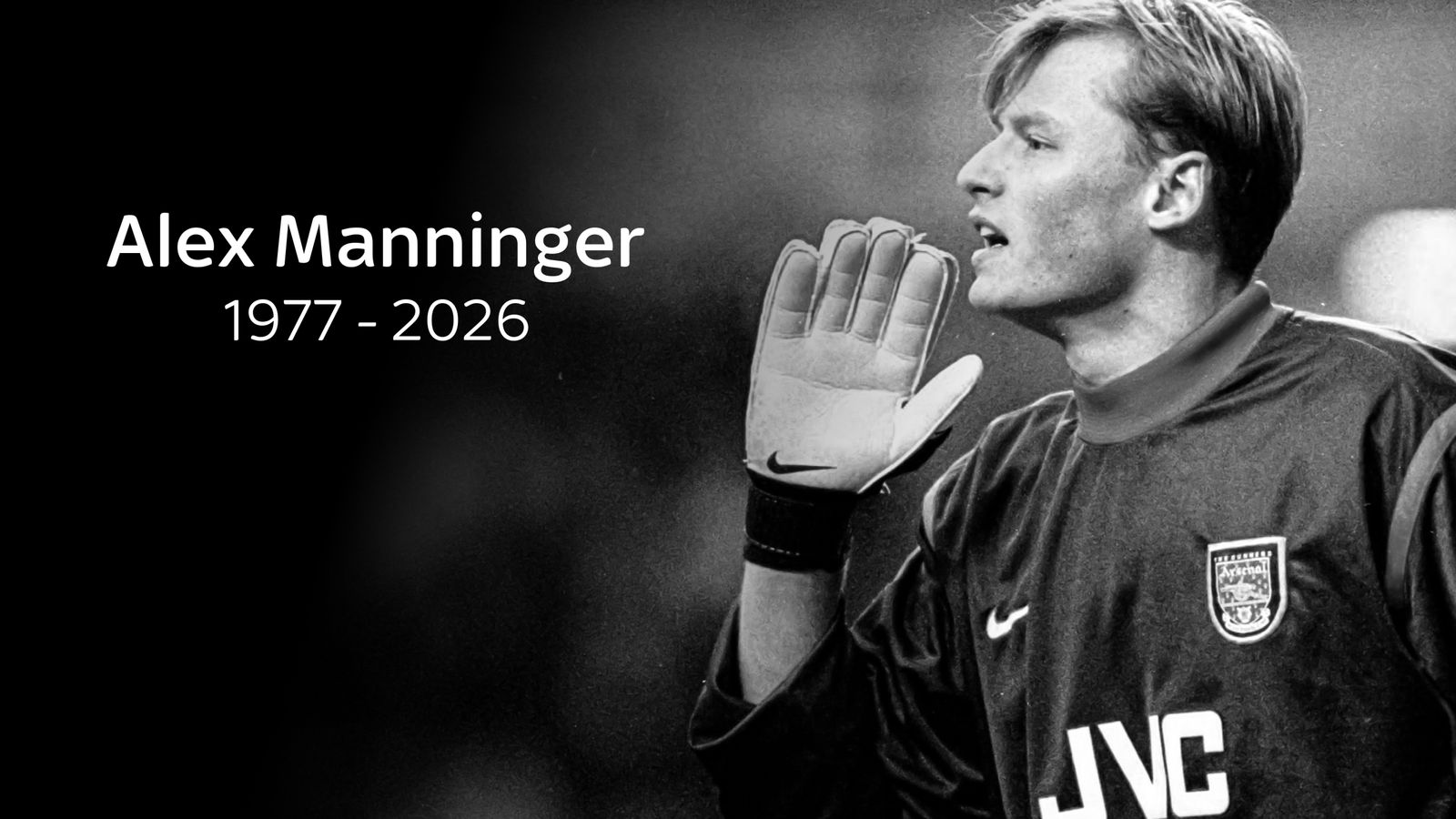
The news of Alex Manninger passing away at just 48 hits differently when you look at the current state of Arsenal’s backline. Manninger wasn't the designated hero of the 1997-98 double-winning side, but he was the structural insurance policy that made it possible. When David Seaman went down, Manninger stepped in and rattled off six consecutive clean sheets. That run wasn't just about shot-stopping; it was about a squad that understood how to suffer without losing its shape. As Sky Sports reported today, Manninger’s contribution to that era remains a blueprint for what it takes to survive a title run-in.
Today is April 16, 2026. We are exactly twelve days away from the first leg of the Champions League Semi-Finals. The parallels to the '98 squad are impossible to ignore, yet the tactical implementation under Mikel Arteta has evolved into something far more fragile. Manninger played in a 4-4-2 that relied on a low block and legendary individual discipline. This 2026 iteration plays a suffocating high line that lives and dies by its recovery pace. While the '98 team could absorb pressure for 90 minutes, this team tries to prevent the pressure from ever existing. It is a high-stakes gamble that is starting to show microscopic cracks at the worst possible moment.
Arsenal’s current defensive metrics are, on paper, the best in Europe. Their Expected Goals Against (xGA) per 90 minutes sits at a staggering 0.74, which is lower than any Premier League champion in the last decade. But xGA is a trailing indicator; it doesn't account for the cognitive load of playing in a system that requires a 99% success rate in duels. The Manninger era was built on the 'Big Four' at the back—Adams, Keown, Bould, and Dixon—who thrived on the physical confrontation. Arteta’s defense is built on space denial, and when that space is finally breached, the panic is visible.
The fatigue tax and the Raya rotation obsession
One of the most jarring differences between the Manninger situation in '98 and the current David Raya era is the lack of a viable contingency plan. Manninger was 20 years old when he stepped in for Seaman. He was ready because Arsene Wenger treated the deputy role as a functional necessity, not a decorative one. Arteta, conversely, has created a hierarchy so rigid that any deviation feels like a catastrophe. If Raya picks up a knock in the next ten days, the drop-off in build-up play alone will derail the entire system. We saw this in the closing stages of the Quarter-Finals; the insistence on playing through the middle even when the press was biting led to three high-turnover chances that a more clinical opponent would have punished.
There is a growing obsession with 'Field Tilt' in the Arsenal analytics community, but controlling the territory is useless if you can't manage the transitions. In the last three matches, Arsenal’s PPDA (Passes Per Defensive Action) has drifted from 8.2 to 11.4. That might seem like a minor statistical noise, but it indicates a drop in intensity. The players are gassing out. The front three haven't seen a meaningful rotation since mid-February. Bukayo Saka is playing through what looks like a persistent Achilles issue, yet he’s still logging 90 minutes in games that are effectively won by the 70th minute. This isn't just stubbornness; it’s a failure of squad management that Manninger’s 1998 run-in highlights by contrast.
The lack of a 'Manninger moment'—a backup stepping in to provide elite stability—is the single biggest threat to Arsenal’s trophy haul in 2026. We are looking at a schedule that includes the UCL Semi-Final on April 28, a potential FA Cup Final on May 16, and the league run-in. There is no room for error. Arteta’s tactical rigidity has turned the squad into a finely tuned engine that lacks a spare tire. If one piston misfires, the whole vehicle stops. We saw this in the 1-1 draw last weekend where the inability to change the tempo from the bench allowed a mid-table side to claw back into the game through sheer physical persistence.
Predicting the May collapse and the silver lining
Here is the hard truth that many Arsenal fans aren't ready to hear: the dream of the 2026 Triple is dead. The squad depth simply isn't there to sustain the level of tactical perfection Arteta demands across three competitions. While the ghost of the '98 double looms large, the 2026 reality is one of diminishing returns. The defensive structure that looked impenetrable in January is beginning to look porous under the weight of 50+ games of high-intensity pressing. The injury to the left-back position—a recurring theme in the Arteta era—has forced a makeshift solution that will be targeted by any elite winger in the Champions League Semi-Finals.
I am predicting that Arsenal will clinch the Premier League title on May 10th, but they will do so with their tongues hanging out. They will have just enough in the tank to hold off a surging Manchester City, but that effort will cost them everything else. The tactical cost of winning the league will be a flat performance in the Champions League Semi-Finals. Expect a pragmatic opponent to sit deep, invite the Arsenal press, and then exploit the space behind the full-backs that has become a gaping wound in recent weeks. The lack of a 'plan B' is not just a meme; it is a structural reality of this team’s DNA.
The critical observation here is the mismanagement of the 'dead zones' in matches. Arsenal spend too much energy chasing a third and fourth goal when they should be conserving energy through possession. It is an aesthetic choice that sacrifices silverware for style. Manninger and the '98 crew knew how to win 1-0 and go home. They didn't care about xG or progressive carries; they cared about the three points. This 2026 side seems terrified of being seen as 'boring,' and that vanity will be their undoing in Europe. They will finish the season with 92 points, a truly elite total, but the trophy cabinet will only have one new addition.
Final verdict for the 2026 run-in
We are going to see a repeat of the '98 league triumph, but the FA Cup and Champions League dreams will evaporate in the first two weeks of May. The physical toll of the expanded FIFA World Cup 2026, which is now only 56 days away, is already weighing on the international core of this team. They are playing like men with one eye on the calendar and one eye on their hamstrings. It’s a tragedy that Manninger’s passing reminds us of a time when Arsenal could weather any storm with a backup goalkeeper and a gritty 4-4-2. In 2026, they are a glass cannon—spectacular to watch, but prone to shattering under the slightest pressure.
The prediction is a 2-1 loss in the UCL Semi-Final second leg on May 5th, followed by a limp exit in the FA Cup. The league title will be the consolation prize, and while that is nothing to scoff at, the feeling of 'what if' will dominate the summer. Arteta has built a magnificent machine, but he hasn't built a resilient one. Until he learns that 1-0 is just as valuable as 4-0, the shadows of the 1998 legends will continue to outshine his modern achievements. Rest in peace, Alex Manninger; your six clean sheets remain the gold standard for what a squad player can achieve when the pressure is at its peak.
Read Next