The hangover and the horizon
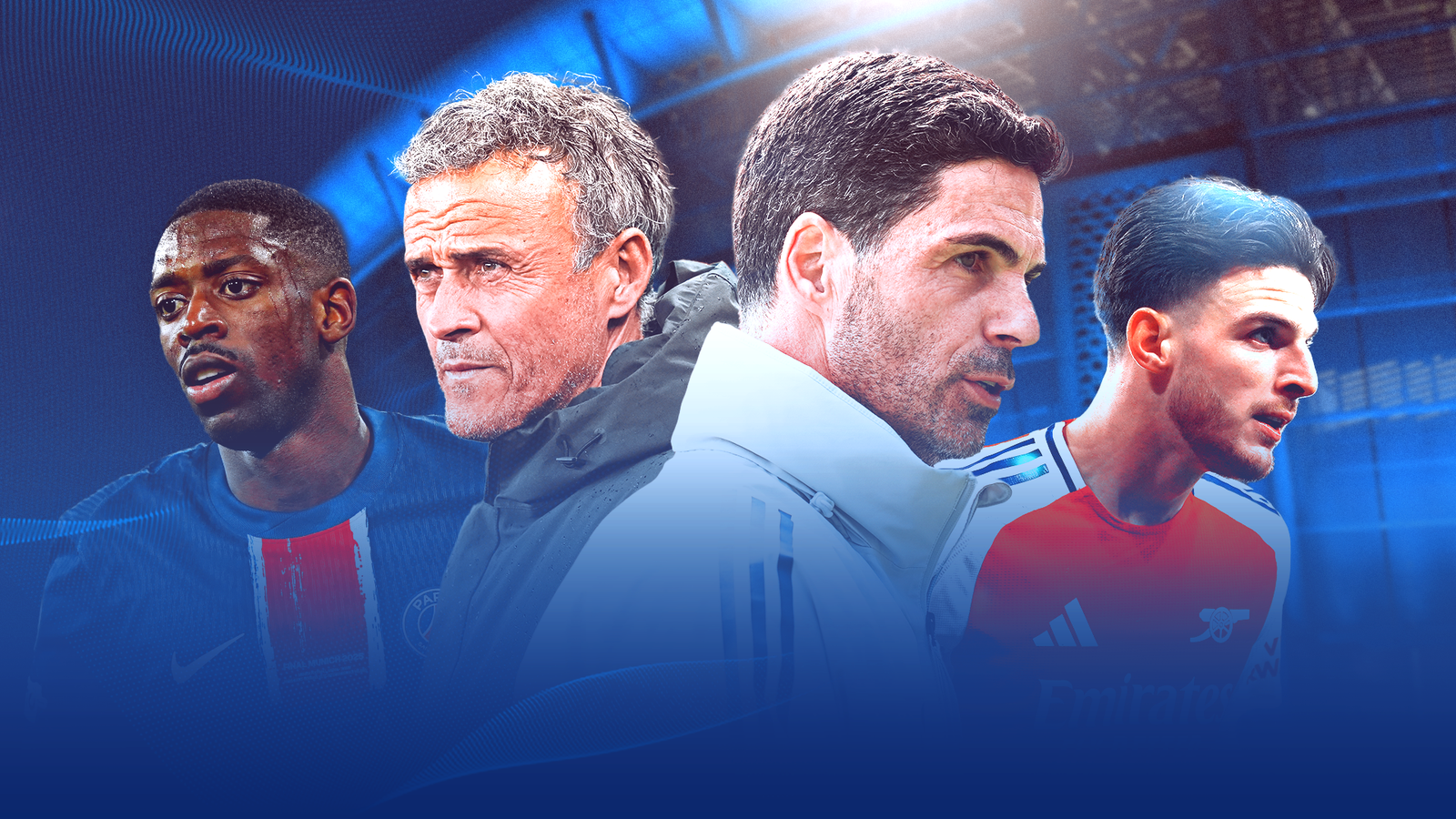
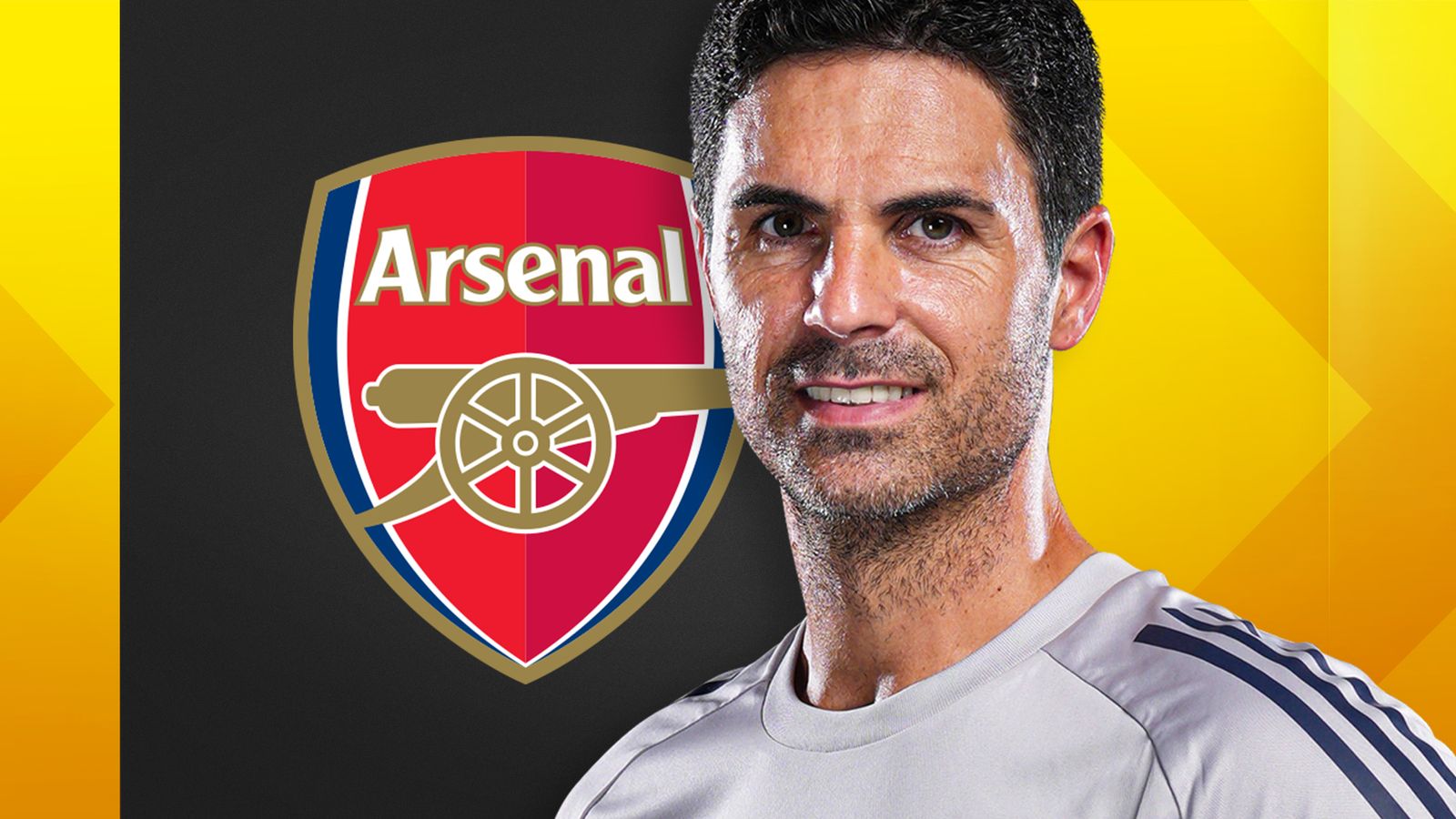
Mikel Arteta will walk into the press room today a Premier League champion.
The narrative surrounding this club has finally shifted. For years, the prevailing story focused entirely on agonizing near-misses, late-season collapses, and the perceived emotional fragility of a young squad. That baggage is officially gone. The title is secured.
But the celebrations at London Colney are operating on a strict, unforgiving timer. In exactly seven days, Arsenal walk out for the Champions League Final on May 28. There is absolutely zero time for a domestic hangover. Winning the league validates the long-term project. Winning the double cements a historical dynasty.
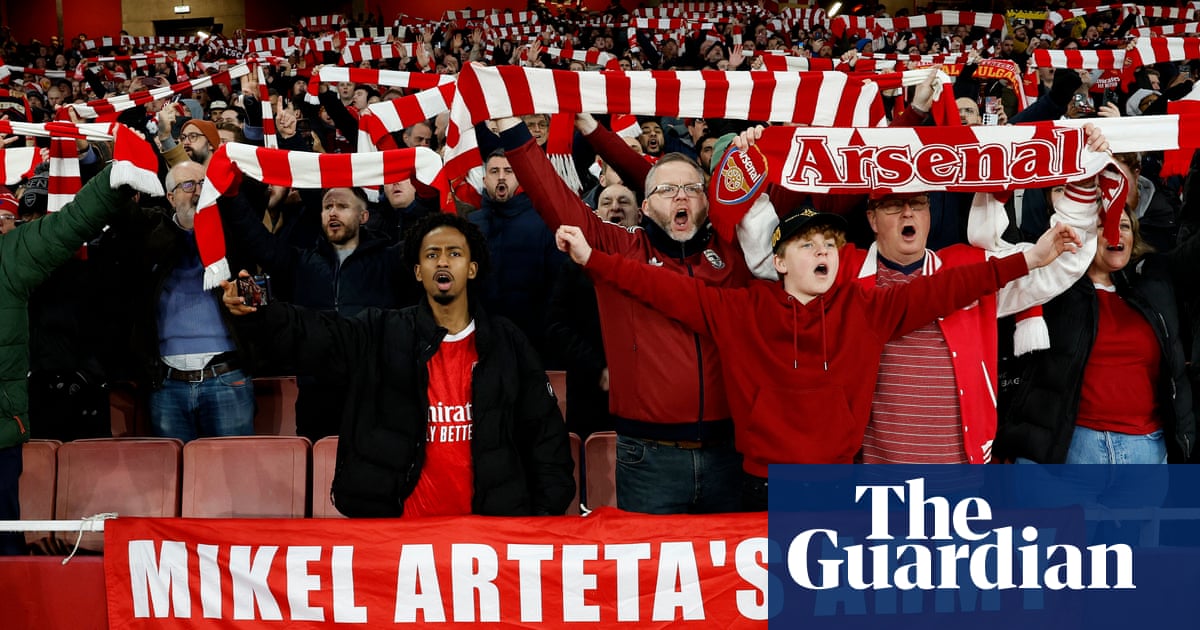
When Arteta addresses the media live later today, expect an exercise in ruthless expectation management. He will praise the squad's endurance. He will acknowledge the fans' suffering over the past two decades. And then he will immediately pivot to the European objective.
He has to. Arsenal have reached this pinnacle not through sweeping, chaotic brilliance, but through cold, calculated control. They are a defensive monolith. They suffocated the Premier League. Now, they must figure out how to choke the life out of a European final.
Restraining the chaos
The foundation of this title run was a fundamental shift in out-of-possession behavior. If you review the tape of Arsenal in the 2022/23 campaign, they pressed with a frenetic, almost reckless energy. It looked visually spectacular when it worked. But it left massive, exploitable gaps between the midfield lines whenever elite opponents bypassed the first wave of pressure.
Arteta actively killed the chaos. This season, Arsenal defaulted to an incredibly compact 4-4-2 mid-block. Martin Odegaard no longer sprints wildly at opposing goalkeepers to force an error. Instead, he drops back alongside Kai Havertz.
They form a flat front two, specifically instructed to block central passing lanes into the opposition pivot. They dictate the play without touching the ball. They dare teams to play wide.
Once the ball moves laterally to an opposition full-back, the pressing trigger activates. Bukayo Saka or Gabriel Martinelli sprint to close the wide player, while the entire midfield unit shifts aggressively to the ball side. Declan Rice steps up to lock down the nearest passing option. William Saliba pushes high on the dropping striker.
The sideline acts as an extra, immovable defender. Opposing centre-backs are forced into rushed, inaccurate long balls. Arsenal recover possession. They recycle. It is highly effective, risk-averse football, conceding just 14 goals from open play.
The physical axis
This rigid structural approach places an immense physical burden on the central midfield pairing. Rice is the undeniable engine covering ground out of possession. But the tactical glue is often found alongside him.
Mikel Merino provides the necessary aerial dominance to make the system function. Merino wins 64 percent of his aerial battles. That raw physical dominance allows Arsenal to push their defensive line aggressively high.
They know Merino will likely win the first contact if the opposition panics and lofts the ball forward.
The right-sided overload
While the left side of the pitch offers control, the right flank provides the tactical penetration. Ben White’s evolution over the past nine months remains fascinating. Opposing managers have spent the entire season devising schemes to neutralize Saka. They consistently double-team the winger, forcing him onto his right foot or pushing him backwards into his own half.
White’s tactical response has been to completely alter his running paths. Instead of constantly overlapping down the touchline and crossing from the byline, White now frequently underlaps. He drags a marker into the half-space, isolating Saka in a one-on-one scenario.
When Saka inevitably cuts inside onto his favored left foot, White is already positioned in the right interior channel. He acts as a secondary playmaker, receiving the ball in the box rather than crossing it.
This movement forces opposition left-backs into a terrible choice. Step out to engage Saka and leave White running entirely free into the penalty area, or stay compact and give Saka the necessary angle to curl a shot toward the far post. This exact sequence generated Arsenal's opener against Chelsea last month. It will be their primary attacking weapon next Thursday.
The transition flaws
However, the system is far from flawless. Arteta’s tactical rigidity has created a noticeable imbalance, and the left side of the pitch is a genuine concern. Gabriel Martinelli is enduring a highly frustrating period. His decision-making in the final third has become completely erratic.
He repeatedly ignores overlapping runs from his full-back, opting instead to drive blindly into heavily congested penalty areas before surrendering possession.
Furthermore, Arsenal's build-up play looks surprisingly fragile when they face aggressive, man-to-man pressing. When teams refuse to sit off and instead push high up the pitch, David Raya is forced to abandon the short passing circuits. He targets Havertz with long, driven passes. Havertz is a willing target man, capable of chesting the ball down. But the second-ball structure around him is frequently a disjointed mess.
When Raya goes long, the midfield fails to condense quickly enough. The distances between Havertz, Odegaard, and Rice become too vast. The opposition easily mops up the loose ball and transitions instantly.
We saw Newcastle expose this exact flaw back in February. If Arsenal attempt this disjointed long-ball exit strategy in a Champions League Final, they will be punished severely. They absolutely cannot afford to turn the midfield into a chaotic scrap.
The set-piece equalizer
When open play inevitably stalls, Arsenal rely on their most terrifying weapon. Nicolas Jover, the set-piece coach, essentially won them the league title. Arsenal scored from an absurd number of dead-ball situations this season. The routines are elaborate, highly coordinated, and brutally effective.
They systematically crowd the six-yard box, pinning the opposition goalkeeper behind a literal wall of bodies. White usually acts as the primary disruptor. He backs into the keeper, subtly impeding his movement to prevent him from claiming the cross.
The delivery from Saka or Rice is then whipped in with vicious pace toward the near post. Gabriel Magalhaes attacks that near post space with terrifying aggression.
Even if the Brazilian center-back fails to win the initial header, the sheer volume of bodies crashing the box creates immediate chaos. Second balls fall kindly. Penalties are drawn through sheer panic. It is an incredibly difficult tactic to defend because it relies on raw physical imposition masked by clever, basketball-style blocking screens.
In a tight, tense European final where clear-cut chances are extremely scarce, a single corner kick is easily worth the trophy.
The final verdict
The tactical battleground next Thursday will hinge entirely on patience. Arsenal’s opponents will know exactly how Arteta wants to set up. They will likely refuse the high press, dropping deep into a low block and forcing Arsenal to break them down through sustained possession.
This means Arsenal will dominate the ball. They will camp outside the penalty area, moving it side to side, constantly probing for an opening. The tempo must remain high. When Arsenal struggle, their passing becomes sluggish, slow, and entirely predictable. They pass in sterile U-shapes around the outside of the opposition block without ever penetrating it.
Odegaard holds the key to unlocking this block. He has to drift into those tight pockets of space between the lines, receive the ball on the half-turn, and accelerate the play. If he is constantly forced to play backwards to Saliba or Gabriel, Arsenal will stall out. They desperately need his vertical, line-breaking passes to disrupt the defensive shape.
Arteta has successfully built a machine. It is highly functional, incredibly robust, and occasionally stubborn. The league title proves the system works over a grueling marathon. The Champions League Final will test if it holds up in a single, high-stakes shootout.
Finals are rarely beautiful games of free-flowing football. They are tense, paranoid affairs usually decided by minor individual errors. Arsenal have spent the entire season systematically eliminating errors from their game. They are entirely comfortable suffering without the ball for long periods. They are comfortable grinding out ugly, low-scoring wins.
Prediction: The first half will be a cagey, frustrating watch for the neutral. Arsenal will struggle to bypass the low block, and Martinelli will likely run down a few blind alleys on the left wing. But the sustained pressure will eventually tell. Arsenal will force a late corner in the second half. Jover’s routine will work to perfection. Gabriel will attack the near post, and the ball will end up in the net. A nervous, suffocating 1-0 victory to secure the double.
Read Next
- Arsenal will win the Champions League, but the TV paywall is a disgrace
- Arsenal won the league and Arteta is already making everyone miserable
- Arsenal and PSG are colliding for the ultimate prize
- Arteta's Arsenal have finally mastered the art of tactical control
- ⭐ UCL 2026 — Champions League Quarter-Finals Hub