The long road from a Manchester midnight
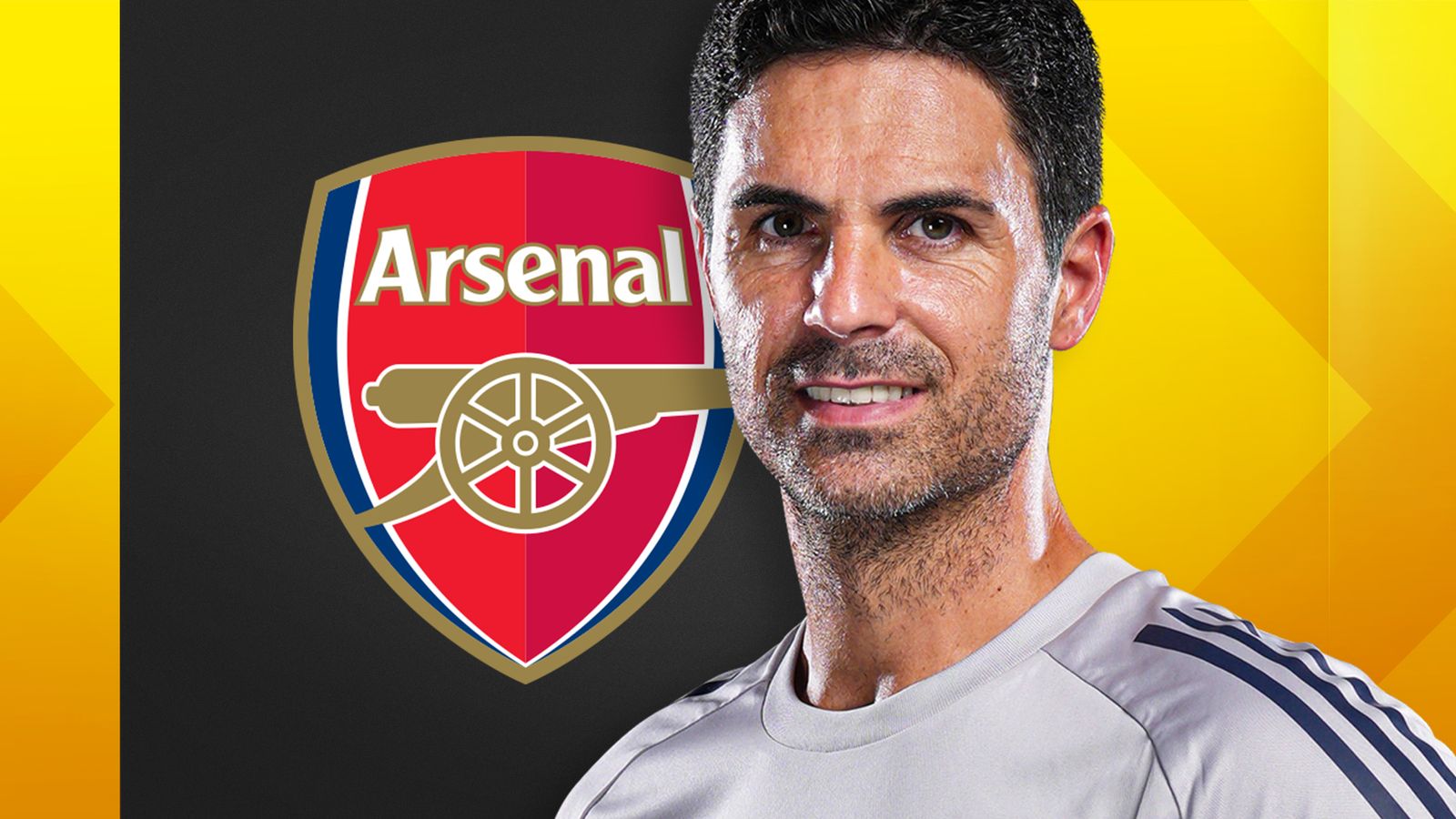
It has been six years and five months since Vinai Venkatesham was spotted leaving Mikel Arteta’s home at 1am in a Manchester suburb. Back then, Arsenal were a club in a state of advanced decomposition. The squad was bloated, the tactical identity was nonexistent, and the fans were more interested in Plane Protests than pressing triggers. Today, on May 20, 2026, that midnight meeting looks like the most important recruitment decision in modern English football history.
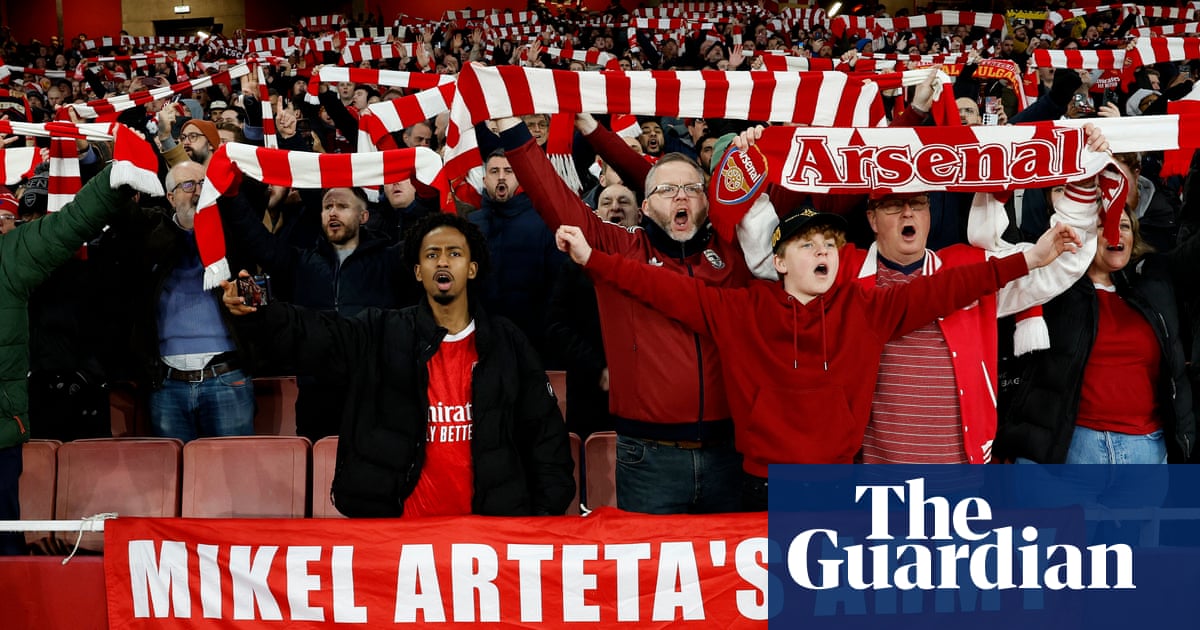
As The Guardian reported today, insiders credit the Kroenke family for staying the course when the noise for Arteta’s head was at its loudest. That patience has been rewarded with a team that has spent the last nine months suffocating the Premier League. This isn't just about winning games anymore. It is about the total removal of randomness from the pitch. Arteta has built a machine that minimizes the role of luck, and it has put them on the brink of European immortality.
We are exactly eight days away from the Champions League final in Budapest. For Arsenal fans, the anxiety is real, but the data suggests this team is better equipped for this stage than any version of the club we have seen in thirty years. They finished the domestic season with 89 points, pushed to the final day by a relentless Manchester City, but the underlying numbers tell a story of even greater dominance. This is the first time in the Emirates era that the club enters a major European final as the clear tactical favorite.
The geometry of the 2026 press
The 2025/26 season saw Arteta move beyond the 3-2-2-3 build-up that defined his middle period. The current system relies on a rotating 'fluid four' in the midfield. Declan Rice has evolved from a simple destroyer into a ball-progressing monster, often occupying the left half-space to allow Gabriel Martinelli to stay glued to the touchline. This creates a vertical stretch that most Premier League defenses simply couldn't handle. When Arsenal have the ball, they aren't just passing; they are repositioning the opponent until a gap of precisely 1.5 meters appears between the fullback and center-half.
Defensively, the numbers are absurd. Arsenal conceded only 22 goals in the league this season, the lowest total since the 2004 Invincibles. The partnership of William Saliba and Gabriel Magalhães has reached a level of telepathy that borders on the unfair. Saliba, in particular, has mastered the art of the 'proactive recovery.' He isn't chasing strikers back to his own goal anymore; he is intercepting the pass before the striker even knows it has been played. His 94% success rate in defensive duels this season is a benchmark that few in the history of the league have ever touched.
The pressing triggers have also sharpened. Last season, Arsenal occasionally struggled when the opposition successfully bypassed the first wave of the press. This year, the introduction of a more aggressive 'mid-block snap' has fixed that. If the ball isn't won in the first three seconds of transition, the team drops into a compact 4-4-2 that offers zero central penetration. They allowed a league-low 0.85 expected goals against per 90 minutes. That is defensive perfection in a league that usually punishes the slightest lapse in concentration.
The flaw in the red machine
No team is perfect, and despite the glittering stats, Arsenal still have a glaring psychological hurdle. When Bukayo Saka is doubled or tripled up on—as we saw in the frustrating 0-0 draw against Everton in late April—the Plan B remains a work in progress. Kai Havertz has been exceptional as a false nine, but in games where the opposition refuses to leave their own eighteen-yard box, Arsenal occasionally descend into 'U-shaped' passing patterns. They dominate the ball, they dominate the territory, but they lack the blunt force trauma of a traditional #9.
The patience of the owners was the oxygen Arteta needed to build this structure. Without that, he would have been another casualty of the transition.
There is also the question of squad fatigue. Arteta is a manager who believes in his 'starting eleven' to a fault. While the bench has improved with the 2025 summer signings, the drop-off in tactical discipline when Martin Ødegaard is substituted is still noticeable. In the late stages of high-stakes games, the press becomes less synchronized. Against a team like Real Madrid in eight days, that three-minute window of sub-optimal pressing could be the difference between a trophy and another 'what if' story. Real Madrid thrive on those specific moments of structural failure.
Why the Budapest final belongs to London
Despite the lack of a bruising striker, I am committing to a win for the Gunners on May 28. Real Madrid’s aging midfield will struggle to track the lateral movements of Ødegaard and the late runs of Rice. Arsenal have spent the last three seasons learning how to manage the tempo of high-pressure games. They no longer panic when they don't score in the first twenty minutes. They are comfortable with a 1-0 lead, and that maturity is the final piece of the Arteta puzzle. His win percentage as manager has climbed to a staggering 64%, reflecting a level of consistency that matches the elite tier of European coaching.
- Bukayo Saka finished the season with 18 assists across all competitions.
- The squad's average age is 25.4, meaning this window of dominance is just opening.
- Arsenal have kept 14 clean sheets away from home this season.
- They have not lost a game in which they scored first since November 2024.
The tactical setup for the final will likely see Arteta revert to a more conservative double-pivot of Rice and Partey to nullify Madrid's counter-attacking threat. By sacrificing a bit of attacking fluidity, Arsenal will ensure that Vinícius Júnior has no room to breathe. Expect a game of high tactical chess in the first half, followed by Arsenal exploiting a set-piece or a tired lapse in the 70th minute. Arteta has drilled this team for this exact scenario for six years. They are ready.
Prediction for the final: Arsenal win 2-0. They will control 60% of the ball and limit Madrid to fewer than three shots on target. The Champions League trophy is finally heading to North London, and the 1am meeting in Manchester will officially be cemented as the turning point for the club. The shadow of the Invincibles has been long and cold, but this team has finally found its own light. Eight days from now, the conversation about Arsenal will change forever.
Read Next
- Arsenal's 22-year title drought is dead. Bring on the coronation.
- Arsenal win the Premier League: Six years, a billion pounds, and total relief
- Arsenal's Long Walk to Gold: The 10 Defining Moments
- Inside Arsenal's chaotic title party as Man City finally crack
- ⭐ UCL 2026 — Champions League Quarter-Finals Hub