The Weight of the Wait
Seven days from now, the doors lock and the excuses end.
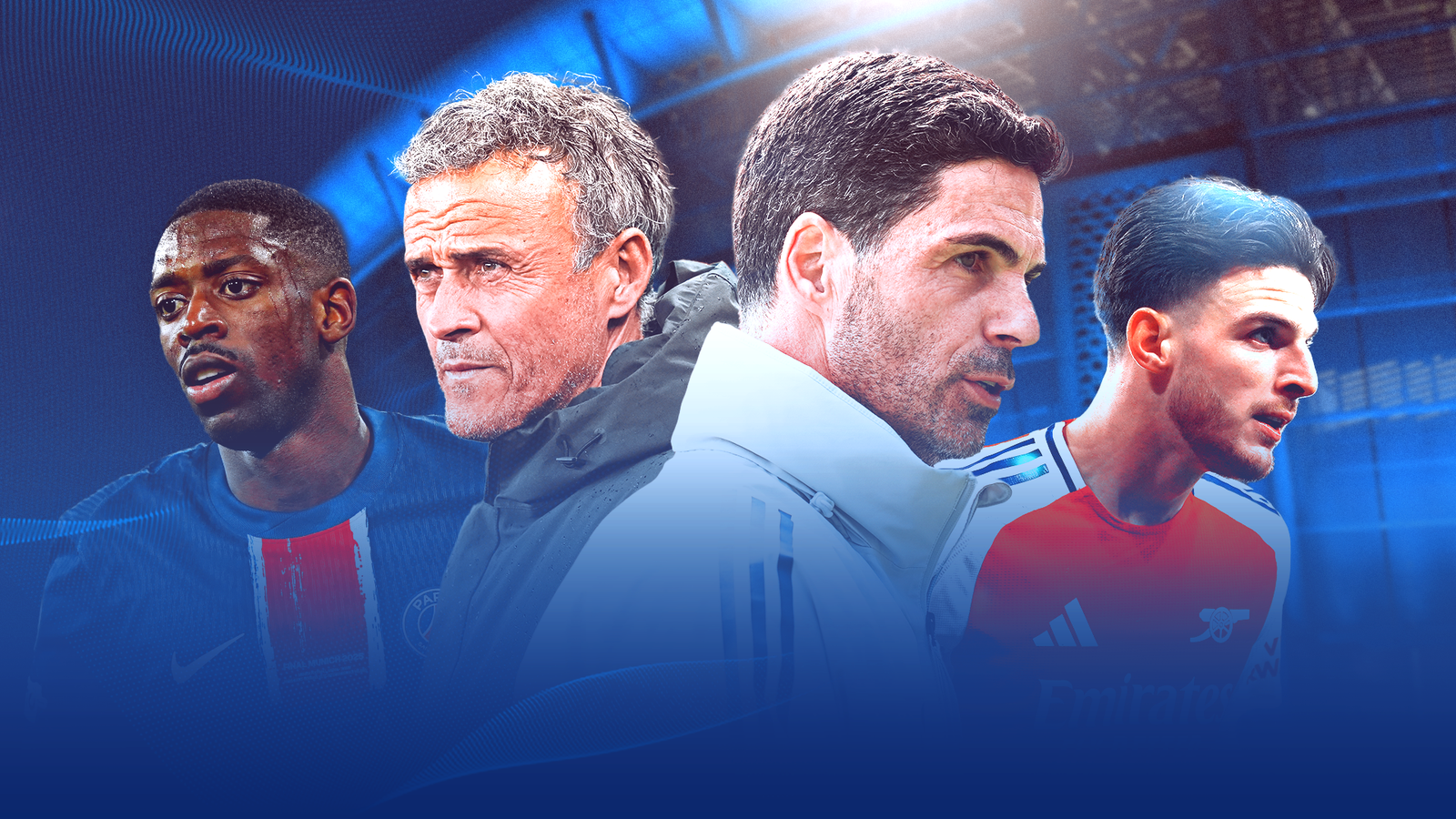
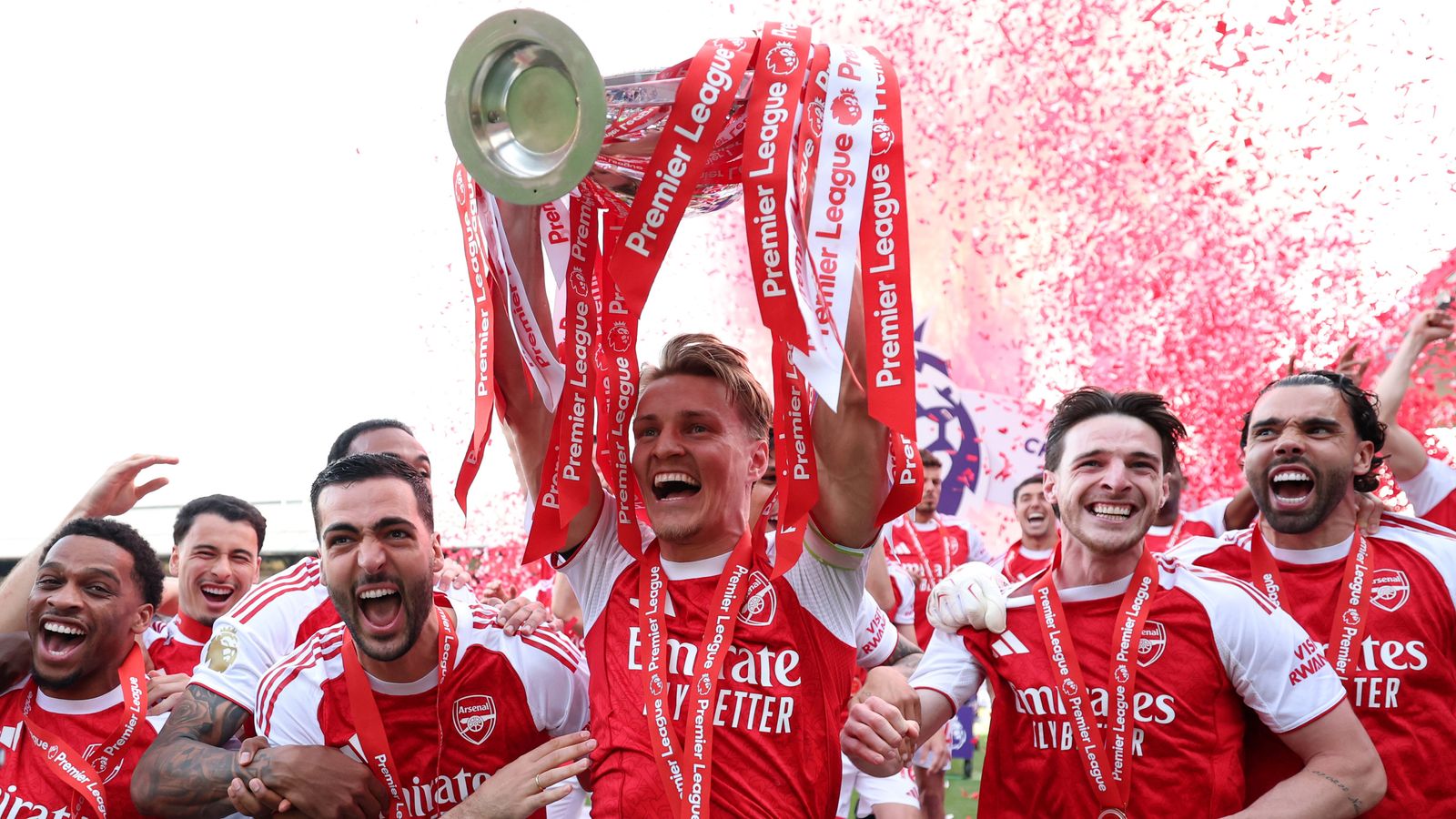
On May 28, Arsenal and Paris Saint-Germain will walk out for the 2026 UEFA Champions League Final. It is a collision of two clubs desperate to redefine their modern histories. For Arsenal, this is the chance to validate a gruelling, agonizingly meticulous rebuild. They just wrapped up the Premier League title on Tuesday after Manchester City inexplicably stumbled to a draw against Bournemouth. The domestic ghost is finally exorcised. The streets of North London have already had their parade. But Europe is a different beast entirely.
PSG arrives with the same old, suffocating obsession. The Qatari ownership has spent well over a decade throwing unimaginable wealth at this exact fixture, only to find heartbreak, humiliation, and bitter disappointment in the dying minutes of earlier rounds. Now, Luis Enrique has dragged them back to the precipice. But this isn't the bloated, superstar-heavy PSG of the early 2020s. The Galactico era failed them. This is a leaner, perhaps meaner machine, built on structural integrity rather than individual marketing appeal.
For the fans watching at home, the experience will be fundamentally different. As FourFourTwo pointed out, this year's final is pay-walled. The long-standing tradition of free-to-air European finals in the UK is dead. The suits have won. If you want to see history unfold, you have to pay the toll. It is a cynical backdrop to what should be a pure sporting spectacle.
What's at Stake
It is genuinely hard to overstate the emotional baggage both clubs carry into this match. Arsenal has not been to a Champions League final since that rainy night in Paris in 2006. If you are an Arsenal fan, you know the exact sequence of events by heart. Jens Lehmann seeing red. Sol Campbell's towering header. The slow, agonizing collapse as Barcelona broke their hearts late in the second half. Two decades of European mediocrity followed. Even in their absolute best domestic seasons under Arsene Wenger, Arsenal always found creative ways to shrink when the continental lights shone brightest. They were the team that played beautiful football until a rugged European veteran kicked them off the park.
PSG's trauma is fresher, but no less scarring. They reached the final in the eerie, empty stadiums of 2020 and lost to Bayern Munich. Since then, it has been a revolving door of elite managers trying to figure out why a squad worth billions routinely forgets how to play football in March and April. Real Madrid in 2022. Bayern again. It was a psychological block masquerading as a tactical issue. They finally broke that curse this year, navigating a treacherous knockout path with a grit that previous iterations of this club simply did not possess.
Luis Enrique deserves the credit. He has implemented a system that doesn't rely entirely on one or two players waiting up top for the ball while the rest of the team defends. He demands relentless work rate from all eleven men. Yet, Enrique knows exactly what he is walking into. In his pre-match comments, Enrique admitted Arsenal are the 'best in the world' at their preferred tactical dark arts, acknowledging the sheer physical toll this final will demand.
Arsenal secured a massive logistical boost coming into this week. By clinching the league title early, Arteta can afford to rest key legs. PSG's domestic advantage disappeared long ago, forcing them to grind through the final weeks of their season to keep rhythm and fend off challengers. That physical disparity could be the deciding factor around the 70th minute when muscles start to cramp and lungs begin to burn.
The Cracks in the Armor
Neither team is flawless. Real journalism requires looking past the shiny promotional materials, and the truth is that both finalists have glaring, exploitable weaknesses. That is exactly what makes this final so deeply fascinating.
Let's start with PSG. For all of Enrique's undeniable tactical improvements, this team still panics when suffocated in the middle third of the pitch. When pressed aggressively by physical midfields, they have a terrible habit of coughing up possession in incredibly dangerous areas. We saw it in the quarter-finals, and we saw it in glimpses during their domestic run. They are prone to periods of baffling defensive apathy. If Arsenal turns the screw early and forces high turnovers, PSG might just fold under the sheer intensity of the occasion.
But Arsenal is far from perfect. Their left defensive flank has been a screaming vulnerability for months. Arteta refuses to abandon his inverted full-back experiment on that side, even when it repeatedly leaves his center-backs exposed to quick transitions. Against a transitional monster like PSG, that stubbornness borders on managerial negligence. If PSG isolates Arsenal's left side and forces one-on-one footraces, it could be an absolute bloodbath. It is a glaring tactical blind spot that Arteta simply ignores, preferring his attacking shape over defensive common sense.
Then there is the sheer fatigue factor. Arsenal has played at a breathless, frantic pace since August. You can see it in their heavy touches late in recent games. You can see it in how deep they retreat when defending one-goal leads. They are running on fumes, sustained entirely by adrenaline and the scent of history.
Key Developments and Storylines
The broader English football world is watching this match closely, not just for the spectacle, but for the cold, hard mathematics of UEFA coefficients. Aston Villa's recent Europa League triumph over Freiburg in Istanbul kept hopes alive for a remarkable sixth Champions League spot for the Premier League next season. The rising tide of English dominance threatens to lift all domestic boats. But Arsenal isn't thinking about coefficient math or bailing out their domestic rivals. They are thinking entirely about their own legacy.
Former Arsenal goalkeeper David Seaman has already weighed in, naming his standout player of the season and setting massive expectations for this final. The pressure from the old guard is immense and omnipresent. The Invincibles of 2004 cast a long, intimidating shadow over every modern Arsenal squad, but winning the Champions League is the one thing Wenger's legends never managed to achieve. They conquered England without a single defeat, but Europe always eluded them.
If Arteta lifts that trophy next week, he steps out of Wenger's shadow entirely. He becomes a deity in North London.
On the pitch, the midfield battle will dictate absolutely everything. Martin Ødegaard has been the supreme conductor for Arsenal, dragging them through tight, ugly games with sheer willpower and technical brilliance. He will face a PSG midfield explicitly designed to disrupt, harass, and destroy. The space between the lines will be virtually non-existent. It will be a war of attrition played out in five-yard increments.
The Tactical Chess Match
Expect a cagey, nerve-wracking opening. Finals of this magnitude are rarely the free-flowing, high-scoring spectacles we demand as neutrals. They are tense, paranoid affairs. Both managers will be utterly terrified of conceding the first catastrophic mistake. The opening 20 minutes will be an exercise in tactical shadow boxing. Both teams will probe for weakness without ever over-committing numbers forward.
But once the first goal inevitably goes in, the tactical shackles will break completely. Both of these teams are fundamentally built to attack. Neither knows how to park the bus effectively without inviting disaster. If Arsenal scores first, PSG's mental fragility and historical trauma will be tested immediately. Will they collapse like they did in Madrid, or will they rally?
Conversely, if PSG strikes early against the run of play, Arsenal will have to abandon their carefully controlled tempo and chase the game. That would leave exactly the kind of gaping defensive spaces that Enrique's lightning-fast forwards dream about exploiting. The first goal is not just an advantage. It is the skeleton key to the entire match.
The Final Prediction
Finals are ultimately decided by fleeting moments of individual brilliance or catastrophic, career-defining errors. The margins at this elite level are violently, unforgivingly thin.
Arsenal comes into this match riding the blinding high of a hard-fought Premier League title. The psychological relief of finally crossing that domestic finish line cannot be ignored or understated. They are essentially playing with house money now. The primary objective for the season is already locked safely in the trophy cabinet.
PSG, conversely, still carries the desperate, suffocating need to justify their entire existence as a super-club. Winning Ligue 1 is a baseline expectation, not an achievement. The Champions League is the only metric of success in Paris. That immense anxiety has crippled them on the biggest stages time and time again.
PSG will absolutely find joy on the counter-attack. They will exploit Arteta's stubbornly high defensive line at least once, punishing that left flank. But Arsenal's relentless pressing will eventually break PSG's rhythm and force the errors they are so prone to making under duress. The London club simply has more structural cohesion, more undeniable grit, and a much deeper reservoir of self-belief when things start to go wrong.
Expect a brutal, breathless, deeply physical match. PSG will strike first to silence the English supporters, forcing Arsenal into a desperate corner. But Arteta's men have made a habit of escaping tight corners all season long.
Arsenal to win it late in normal time. A 2-1 victory, sealed in the dying, frantic moments. The lingering ghost of 2006 will finally be put to rest, and a new dynasty will officially begin.
Read Next
- Arteta's Arsenal have finally mastered the art of tactical control
- Arsenal face their ultimate European test behind a television paywall
- Arsenal will win the Champions League, but the TV paywall is a disgrace
- Arsenal's biggest summer deal is keeping Mikel Arteta and avoiding the title hangover
- ⚽ Ligue 1 2025-26 — PSG, Monaco & the Title Race Hub
- ⭐ UCL 2026 — Champions League Quarter-Finals Hub