The Medical Reality of the Summer Market
Transfer windows are usually dominated by wage structures, agent fees, and contract lengths. But the underlying currency of any major move is physical viability. When hundreds of millions of pounds change hands, medical departments take on massive stress. We are looking at a summer market where the biggest targets carry extreme physical loads.
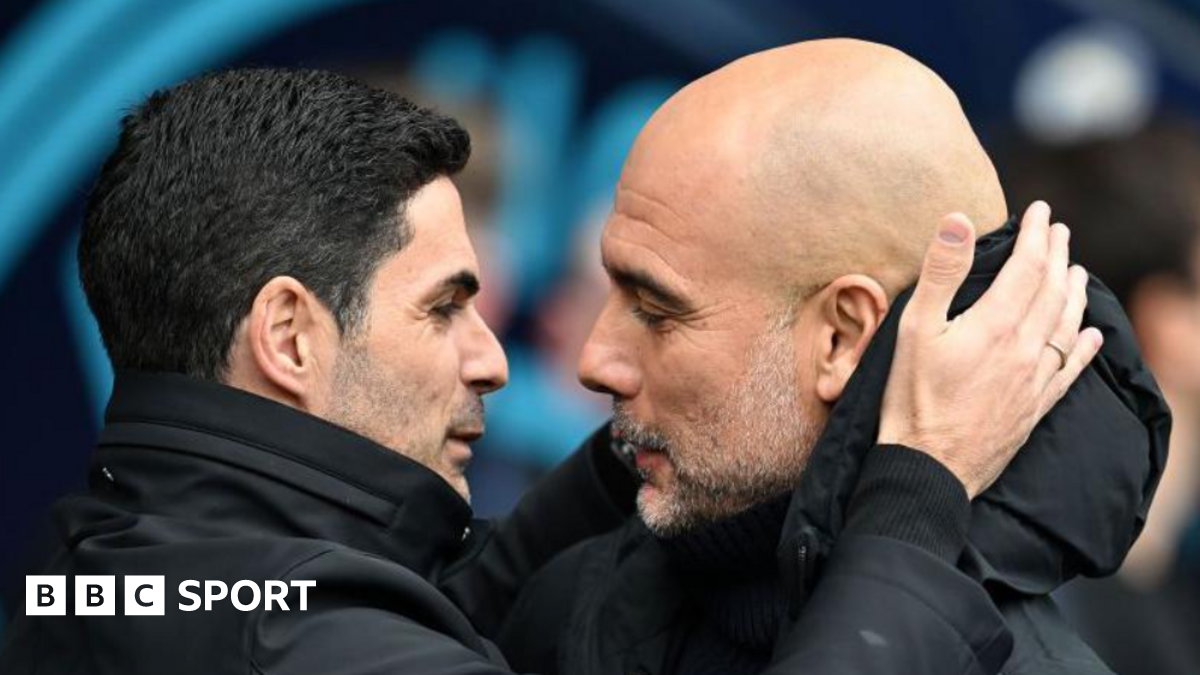
The rumors circulating today highlight this perfectly. Arsenal are preparing an £80m bid for a player who handed them the Premier League title. Bernardo Silva is reportedly eyeing a move to Barcelona, while Atletico Madrid attempt to hijack the deal. And the most significant shift of all: Guardiola's potential departure could push Rodri toward Real Madrid.
These aren't just tactical adjustments. They are massive physiological gambles. The modern game demands relentless running, high-speed sprinting, and rapid recovery. When a club acquires a high-profile veteran, they are also acquiring years of physical wear and tear. The margin for error is nonexistent.
The Rodri Workload Crisis
Rodri is the engine of Manchester City. He is also a medical anomaly. The sheer volume of minutes he logs every season borders on medical negligence. Guardiola relies on him entirely. When City need a result, Rodri plays. There is no load management. He is simply expected to perform.
The reports suggesting an exit could lead Rodri to Real Madrid raise serious fitness questions. Real Madrid employ Antonio Pintus, a notoriously demanding fitness coach. Pintus is famous for his brutal pre-season regimes and intense in-season maintenance. How does a player with Rodri's accumulated fatigue respond to that?
Historically, players entering their late twenties with massive minute accumulations face a physical cliff. We saw it with Fabinho at Liverpool. His legs simply went. Rodri plays a highly demanding role. He covers an incredible amount of ground, engages in constant physical duels, and anchors the midfield without rest. His knees and ankles take a pounding every single week.
If Real Madrid make this move, their medical staff will have to completely rebuild his physical program. They cannot play him for 60 matches a season. The drop-off will be violent if they do. The Spanish giants have incredible depth in midfield with Aurelien Tchouameni and Eduardo Camavinga, which might actually save Rodri's career. But the initial transition will be dangerous.
It is a massive risk. You are buying a player at his absolute peak, but you are also inheriting years of unmanaged physical stress. City have squeezed every drop out of him. Madrid will have to handle the hangover. They must tread carefully or risk destroying their own investment.
Bernardo Silva's Relentless Engine
Then there is Bernardo Silva. The Portuguese midfielder is reportedly dreaming of Barcelona, though Atletico Madrid are now in the mix. Silva presents a completely different medical profile compared to Rodri. He is smaller, lighter, and relies heavily on aerobic capacity rather than sheer physical dominance.
Silva routinely covers more ground than anyone else on the pitch. His pressing numbers are staggering. Yet, his injury history is remarkably clean. He avoids muscle tears and joint issues that plague other high-intensity players. This is partly genetic and partly due to incredibly efficient movement mechanics. He glides rather than sprints, reducing the impact on his lower body.
But consider the destinations. Barcelona's medical department has been under fire for years. They have mishandled injuries to Pedri, Ansu Fati, and Frenkie de Jong. Throwing a high-mileage player into that environment is asking for trouble. Barcelona repeatedly rush players back from knocks. Silva has survived City because their medical and sports science team is elite. Barcelona's setup is currently far too chaotic for a veteran to thrive in safely.
Atletico Madrid offer a different threat. Diego Simeone's system is brutally taxing. Players are expected to suffer. While Silva has the work rate for it, the physical combativeness of Atletico's midfield could break him down. He is used to dominating possession. At Atletico, he would spend long stretches chasing the ball and absorbing contact.
The contrast is fascinating. Silva is a machine, but even machines break when you change the operating environment. A move to Spain sounds appealing, but the physical reality of either Barcelona or Atletico could rapidly accelerate his decline. The sports science data must be heavily scrutinized before a contract is offered.
Arsenal's Expensive Gamble
Arsenal's pursuit of an £80m target adds another layer of complexity. The player in question handed them the Premier League title. Bringing him to the Emirates means integrating him into Mikel Arteta's demanding setup. Arsenal play a high-intensity, structured game that requires absolute physical compliance.
Arteta does not rotate heavily. Once you are in his trusted circle, you play. Bukayo Saka and Declan Rice know this all too well. Any massive signing will be expected to start immediately and perform at peak capacity. There is no grace period for physical adaptation. The pressure is immediate and relentless.
The Premier League is unforgiving. We have seen expensive signings arrive with lingering issues and completely fail to adjust. Arsenal's medical team has improved significantly in recent years, but integrating a marquee signing is always tense. The physical exams will be rigorous. They have to identify any underlying joint degeneration or soft tissue vulnerability before signing the check.
It is a massive financial commitment. A failure here is not just a tactical problem; it is a sunk cost that sets the club back years. Arsenal must be absolutely certain the player can handle 50 games in Arteta's system without breaking down. The medical screening for this transfer will be the most thorough of the summer.
The Broader Impact on the Industry
The underlying theme here is exhaustion. The football calendar is breaking players. The upcoming World Cup will feature 48 teams. The expanded Champions League format is already adding more fixtures. Players are being pushed past their physiological limits on a weekly basis.
When clubs spend huge fees, they are buying damaged goods. Every elite player carries chronic issues. Tendinopathy, cartilage wear, lingering muscle imbalances. The job of the medical department is no longer keeping players perfectly healthy. It is managing their decline. It is about keeping them at 85 percent capacity for enough games to justify the price tag.
The transfer market is reacting to this. Teams are looking for younger, more durable players. But when you chase established stars like Rodri or Silva, you accept the medical risk. You accept that you might lose them for three months to a severe hamstring tear because they have played 400 games in five years.
The pressure on sports science is immense. Managers demand availability. Boards demand returns on investment. The players are caught in the middle, running until something snaps. This summer window will be defined by medical risk assessment. The teams that correctly evaluate physical degradation will win. The teams that ignore it will spend millions on players who watch the season from the treatment table.
Read Next
- Arsenal win the Premier League: Six years, a billion pounds, and total relief
- Arsenal's Long Walk to Gold: The 10 Defining Moments
- Bernardo Silva's Barcelona dream alive but Atletico are lurking
- Arsenal target Alvarez and Kroupi as Arteta prepares to sign massive new deal
- 🇪🇸 Spain World Cup 2026 — La Roja Hub
- 🇵🇹 Portugal World Cup 2026 — A Seleção Hub