The goal difference disparity is becoming a competitive crisis
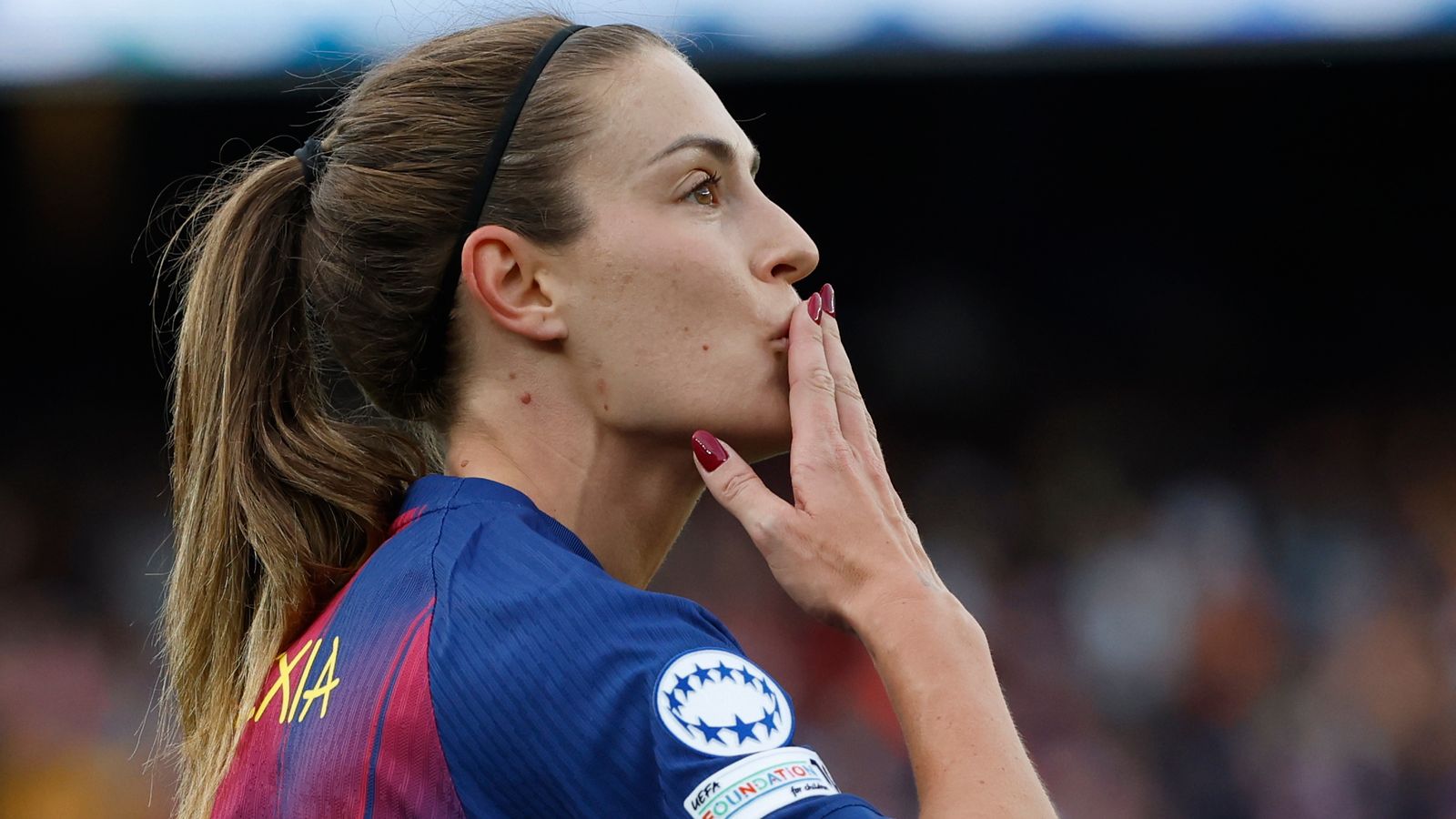
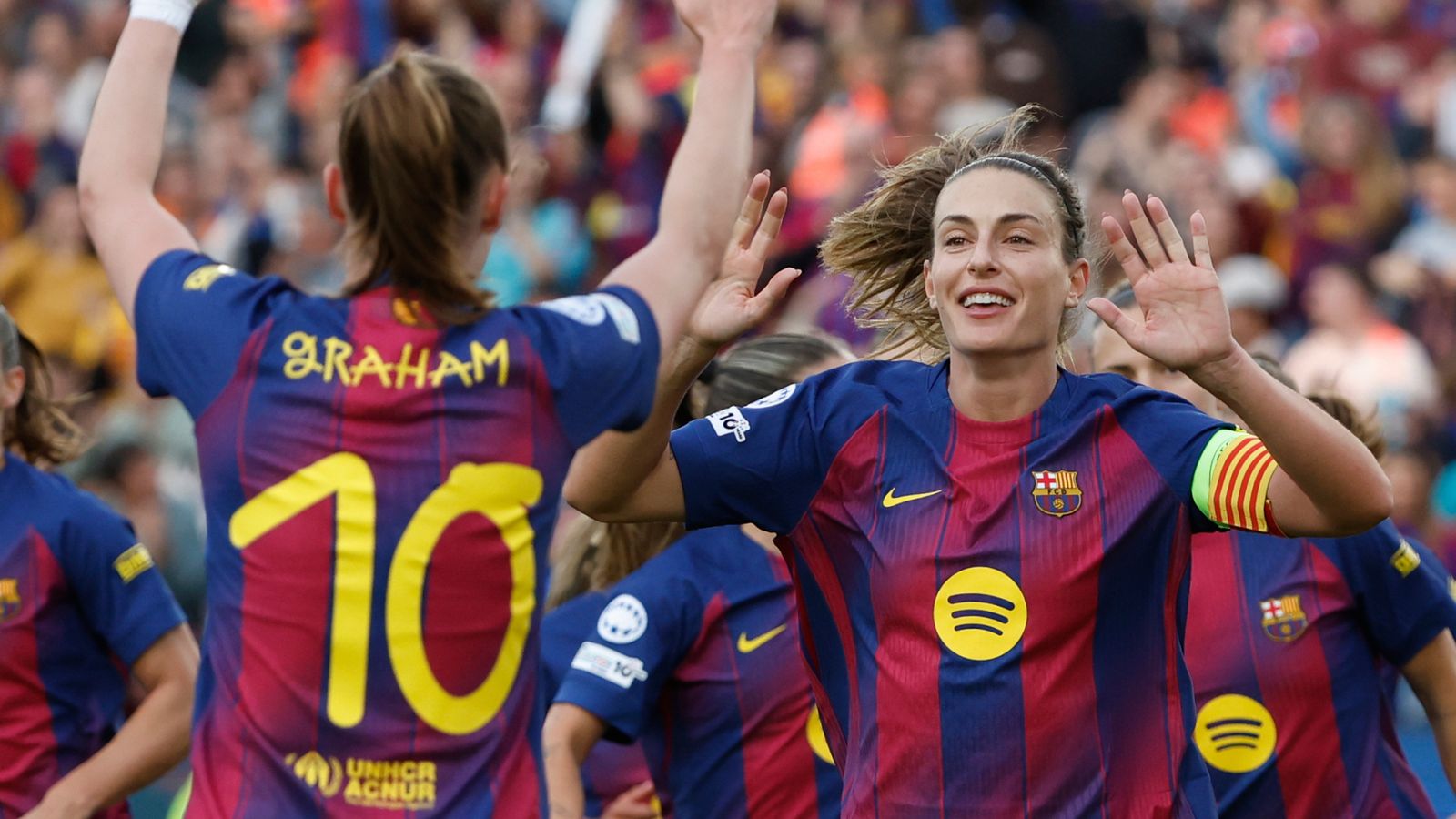
Barcelona just hammered Real Madrid 6-0 at a sold-out Camp Nou, finalizing a staggering 12-2 aggregate scoreline in the Women's Champions League quarter-finals. To grasp the scale of this dominance, consider that they have now netted 18 goals across their last four matches in the competition. It is less of a knockout tie and more of a systematic dismantling of domestic rivals.
While Real Madrid struggled to manage the width provided by Caroline Graham Hansen, who added a brace to the chaos, the structural gulf between the two sides has only widened since last season. The 10-goal margin of victory is an indictment of the current WCL bracket, leaving one to wonder whether the talent concentration at the top has effectively killed the knockout tension.
Tactical inertia and the semi-final outlook
As reported by The Guardian, Bayern Munich now awaits in the semi-finals, a contest that will likely test if Barcelona's high-possession efficiency can be disrupted. Bayern faces a team that, according to Sky Sports analysis, has perfected the art of pinning opponents into their own final third for 70 percent of the game clock.
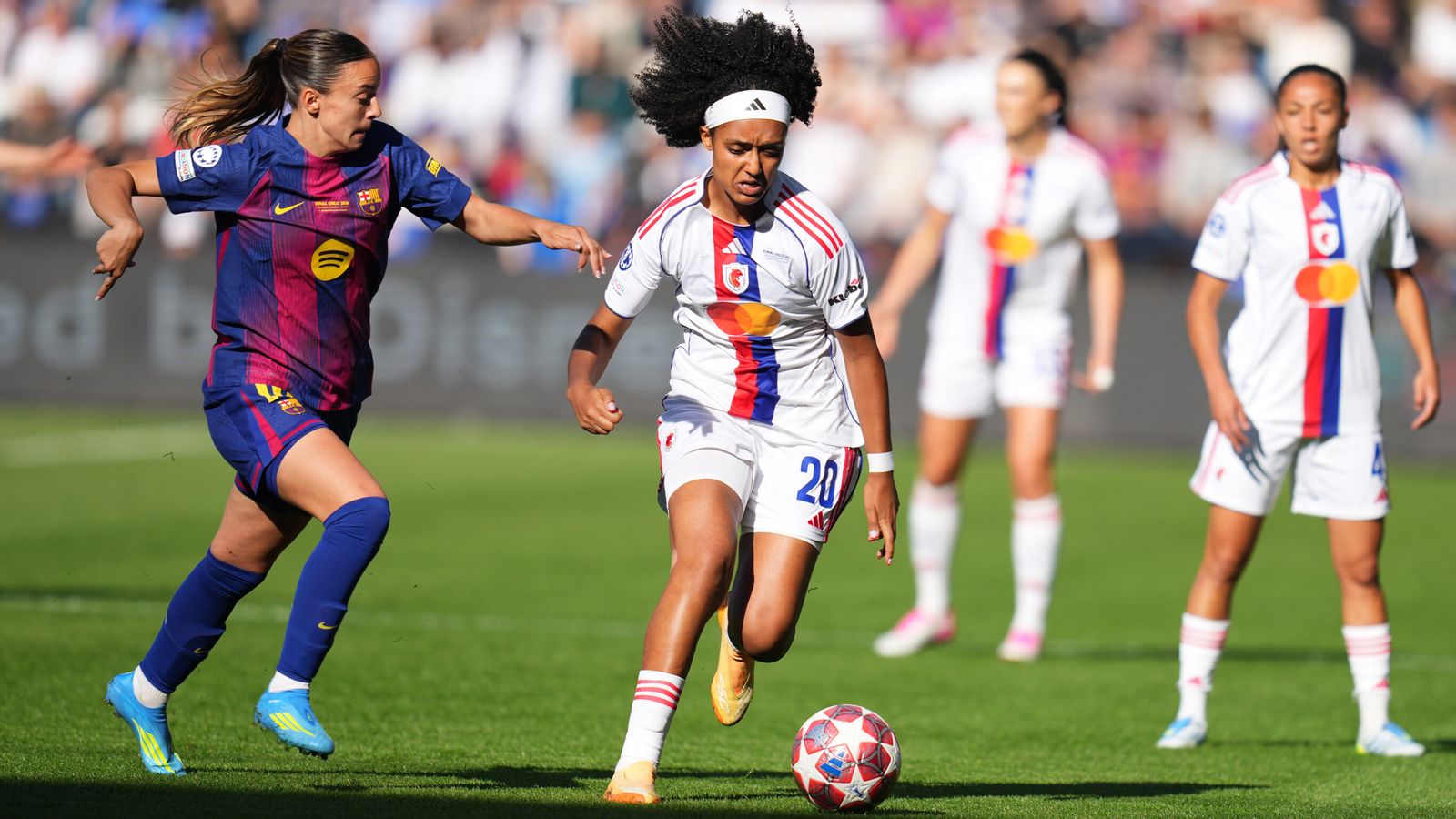
Conversely, the other side of the bracket looks far more volatile. OL Lyonnes required 120 minutes of effort to see off Wolfsburg, eventually securing a 4-1 aggregate win after extra time. They now face Arsenal in a semi-final showdown; a tie that carries a vastly different psychological weight than the Barcelona versus Bayern mismatch.
Efficiency gaps in the knockout phase
Compare the clinical output of the Catalans to Arsenal’s ongoing struggle to convert high-probability chances. Recent data from the Chelsea-Arsenal fixtures highlights a recurring issue in the WSL contingent—a tendency to squander multiple openings in the final third. Thompson, for instance, saw several efforts drift wide during recent live coverage of the domestic clash.
If Arsenal hopes to survive their semi-final against OL Lyonnes, they cannot afford the wastefulness seen in these recent matches. Scoring 0 goals from an expected goals tally that hovered near 1.5 in the first half of their last outing is a death sentence against the defensive rigor of French opposition.
The statistical reality of the final stages
With the semi-final legs looming on April 28 and May 5, the margin for error effectively evaporates. Lyonnes showed resilience in their 4-0 second-leg comeback, a performance that proved they can absorb pressure and maintain tactical discipline for over 100 minutes of football.
Barcelona, however, remains the anomaly. By outscoring their quarter-final opponent by 10 goals, they have created a statistical outlier that historical WCL data rarely sees. Whether this momentum holds against the disciplined structure of Bayern or turns into a stagnant wall remains the primary question as we head toward the May 28 final.
Read Next
- Callum Slattery’s four-game ban is a joke without consistency
- Middlesbrough surge toward Premier League promotion
- From the Yellow Wall fire to Arne Slot's Anfield nightmare
- The FA is finally admitting the fixture calendar is breaking players
- ⚽ La Liga 2025-26 — Title Race Hub
- ⭐ UCL 2026 — Champions League Quarter-Finals Hub