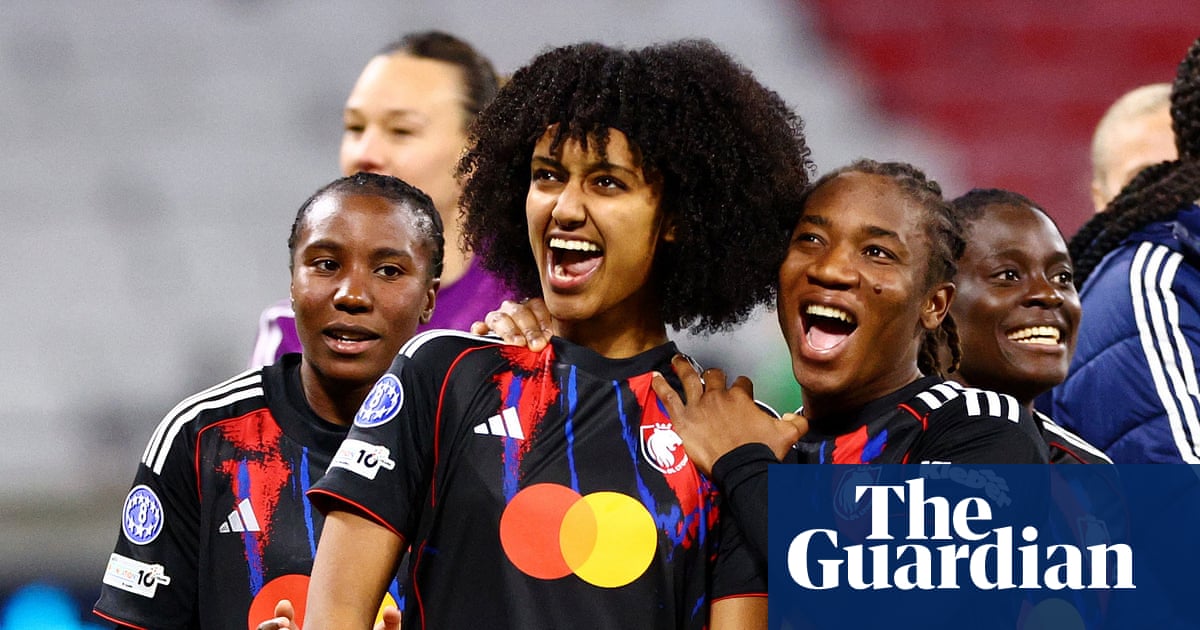
Barcelona and Lyon prepare for a painfully familiar Champions League final
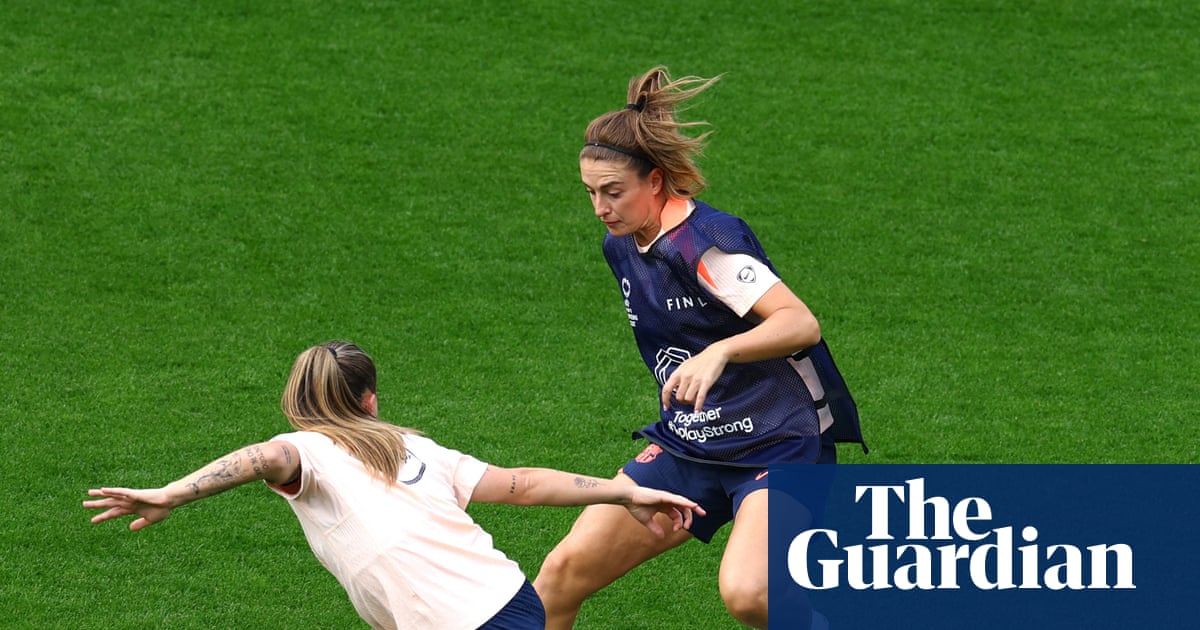
The Inevitable Collision
The Champions League was supposed to get competitive. We were promised that the massive influx of broadcast money into English clubs would disrupt the established continental order. We were told that rising investment across Europe would finally level the playing field.
Instead, we are right back where we started. For the fourth time, Barcelona and Olympique Lyonnais will contest the Champions League final.
Saturday evening in Norway will not just be a football match. It is an aggressive referendum on the state of the women's game. As The Guardian accurately noted this morning, a heavy sense of repetition surrounds this fixture.
"You could be forgiven for having a sense of deja vu before a fourth Champions League final between the Spanish champions, Barcelona, and French champions, Lyonnes..."
But if you look closely at the underlying numbers, the tactical mechanics of this rivalry have shifted dramatically since their first meeting. Back in Budapest in 2019, Lyon blew Barcelona off the pitch inside thirty minutes. It was a physical mismatch of terrifying proportions. Today, the dynamic is entirely reversed. Barcelona are the undisputed tactical apex of the sport. Lyon are the aging, stubborn resistance.
Ghosts of Budapest and Turin
To understand Saturday's clash, you have to look at the scarring from previous encounters. That 2019 final in Budapest was a traumatic event for the Catalan club. Ada Hegerberg scored a hat-trick before the halftime whistle. Barcelona looked like academy players physically bullied by seasoned professionals.
That defeat forced Barcelona to rebuild their entire strength and conditioning department. They did not abandon their Johan Cruyff-inspired passing principles. They simply realized that technique without physical output is completely useless at the elite level.
Then came Turin in 2022. Barcelona arrived as heavy favorites, playing the most aesthetically pleasing football on the planet. Lyon sat in a mid-block, pressed the holding midfielder, and destroyed them on the counter-attack. Lyon won 3-1, and the Spanish giants were left wondering if they possessed a fatal stylistic flaw.
They finally broke the curse in 2024, securing a 2-0 victory in Bilbao. That win fundamentally altered the psychological balance between these two clubs. Lyon no longer hold a mental edge. Barcelona finally know they can break through a disciplined French low block.
Now, in 2026, the psychological slate is clean. But the physical realities of both squads have changed. Lyon's core is visibly slowing down, while Barcelona have optimized their attacking patterns to exploit exactly that weakness.
The Evolution of the Catalan Machine
Barcelona's transition over the last two seasons has been quietly ruthless. When Jonatan Giráldez departed, many assumed the machine would stall. You cannot lose that level of tactical micromanagement without suffering a severe drop in underlying metrics.
Yet, their expected goals difference has actually improved. The possession numbers have not dropped. If anything, Barcelona have become much more pragmatic under Pere Romeu. They no longer insist on threading the needle through the center if the opposition block is too dense.
Salma Paralluelo has transformed into a relentless out-to-in runner. Her ability to exploit the half-spaces behind aggressive fullbacks gives Barcelona a vertical threat they sorely lacked in the early 2020s. She is no longer just a track athlete playing football. Her timing on the blindside of center-backs is absolutely devastating.
Aitana Bonmatí remains the primary orchestrator. She scans the pitch with a frequency that defies logic. But her role has shifted slightly deeper this season. By dropping alongside Keira Walsh in the initial build-up phase, Bonmatí forces opposition midfielders to step out.
That subtle movement creates isolated one-on-one matchups for Paralluelo and Caroline Graham Hansen on the flanks. It is a simple concept, but the execution speed makes it nearly impossible to defend for ninety minutes.
Lyon's Refusal to Fade
People try to write Olympique Lyonnais off every single summer. The narrative is always the exact same. Their squad is too old. Their wage bill is bloated. The French domestic league does not adequately prepare them for high-intensity European nights.
And every spring, they drag themselves to another European final. There is a stubborn, almost arrogant resilience to this squad.
Lindsey Horan has morphed into an absolute battering ram in the midfield. She might not possess the agility of her Barcelona counterparts, but her physical dominance in aerial duels and second balls is unmatched across Europe.
Lyon's entire tactical setup now relies on forcing the game into ugly, chaotic transition states. They do not want sustained possession. They actively want broken play. They press triggers exclusively when the ball is played to Barcelona's fullbacks, aiming to trap them against the touchline.
Kadidiatou Diani remains their primary outlet. When Lyon win the ball deep, the first pass is almost always a driving diagonal into the right channel for Diani to chase. It is simple, rudimentary football. But when you have elite athletes running at retreating defenders, it consistently generates high-quality chances.
The Domestic Context
You cannot fully analyze this final without looking at the domestic environments that shaped these two teams over the past nine months. Barcelona's dominance in Liga F is absolute, but it is also a daily tactical laboratory. Because they face deep, compact blocks every single weekend, they have spent the entire season perfecting the art of breaking down a parked bus.
They regularly face teams deploying a rigid 5-4-1 formation. This domestic reality forces Barcelona to find creative solutions in incredibly tight spaces. They utilize overlapping center-backs and asymmetrical fullback positioning to overload specific zones.
When they step onto the pitch in Norway, Lyon's low block will not present any defensive shape that Barcelona have not already dismantled twenty times this year. The Catalan side counter-presses with terrifying efficiency, recovering the ball on average within 6.8 seconds in the attacking third.
Lyon's domestic situation is slightly different. The French league has improved marginally, with PSG consistently pushing them, but the overall intensity is still lacking. Lyon often win matches through sheer individual quality rather than cohesive team structures.
They can afford to have disjointed pressing schemes domestically because players like Diani and Horan can manufacture goals out of thin air. But against Barcelona, individual brilliance is rarely enough. If Lyon's transition passes are sloppy, Barcelona will suffocate them before they even cross the halfway line.
The Structural Problem of a Duopoly
We have to talk about the failure that this match represents. Watching two historically great teams collide is highly entertaining. But a fourth final meeting in seven years is a glaring indictment of UEFA's financial distribution model.
The competitive balance in European women's football is completely shattered. The group stages of the Champions League have become a televised procession. Barcelona routinely win their domestic matches by five or six goals. Lyon comfortably sleepwalk through the Division 1 Féminine.
This duopoly is actively hurting the long-term commercial viability of the sport. Broadcasters are paying premium rates for unpredictable drama, but the Champions League only gets genuinely interesting at the semi-final stage.
The gap between the top two clubs and the rest of Europe's tier-one teams is actually widening. Arsenal and Manchester City cannot match the wage offerings. Bayern Munich and PSG consistently fail to recruit elite difference-makers in their prime.
There is no salary cap. There are no robust financial fair play regulations enforcing strict parity. Barcelona and Lyon simply outspend everyone else, hoard the best teenage talent, and wait for May. It is a deeply flawed system that desperately needs structural reform.
If UEFA wants to sell a premium television product, they need a tournament where more than two teams have a realistic mathematical probability of lifting the trophy. Right now, the rest of the continent is just providing sparring partners for the elite.
The Midfield Battleground
The final will likely be decided in the central third of the pitch. The contrast in midfield profiles is striking. Barcelona will deploy Walsh, Bonmatí, and Patri Guijarro. It is arguably the most technically secure midfield trio in the history of the sport.
Lyon will counter with Horan, Damaris Egurrola, and likely Daniëlle van de Donk. They are going to foul. They are going to actively disrupt. They will intentionally slow down the restart of play to thoroughly frustrate Barcelona's rhythm.
Guijarro's role is particularly fascinating. She often acts as the tactical glue, dropping between the center-backs to create a back three during sustained possession. This allows the fullbacks to push incredibly high up the pitch.
If Egurrola tracks Guijarro too deep, it opens massive pockets of space for Bonmatí to receive on the half-turn. If Lyon's midfield sits too deep to protect their defense, Walsh will dictate the tempo completely unchallenged. If they step too high to press, they risk leaving their aging center-backs exposed to Paralluelo's electric pace.
Set Pieces and Box Command
There is one glaring statistical weakness that Barcelona have never fully patched. They are historically vulnerable from inswinging corners. Their zonal marking system often leaves them completely static when aggressive runners attack the six-yard box.
Lyon's set-piece routines remain terrifying. Wendie Renard is still a towering, commanding presence at the back. Her recovery pace is practically non-existent in open play now, but inside the penalty area, she is still absolutely lethal.
If Horan and Renard are allowed free runs at the near post, the Spanish champions will concede. It is that simple. Catalina Coll is an excellent sweeper-keeper for Barcelona, but she openly struggles with physical traffic in her immediate airspace.
At the other end, Christiane Endler continues to be the ultimate safety net for Lyon. Barcelona will inevitably generate high-volume shots, but Endler's positioning regularly turns expected goals into routine saves. She rarely parries the ball back into dangerous central areas.
Barcelona must be exceptionally clinical. If they generate fifteen shots but only put four on target, Endler will absorb the pressure effortlessly.
The Final Verdict
The refereeing will heavily influence the outcome. If the official allows a physical, disruptive game with persistent minor fouls going unpunished, Lyon will heavily benefit. If it becomes a clean, technical passing contest, Barcelona will eventually drown them.
Expect Barcelona to target the space behind Renard relentlessly. Graham Hansen will likely start wide right, intentionally drawing the left-back out before slipping angled passes into the channel. Lyon's only real countermeasure will be to drop their defensive line so deep that they effectively park a bus inside their own penalty area.
Saturday evening will not be a beautiful game. Finals rarely are. It will be a tense, exhausting clash of opposing ideologies.
Barcelona clearly have the structural advantages. They have the superior technical floor. But writing off Lyon in a European final is a mistake that has ruined countless betting slips over the last decade. The stage is perfectly set for a brutal, deeply familiar conclusion to the European season.
Read Next
- Barcelona and Lyon prepare for a brutal tactical collision in Oslo
- Why Man United's tactical revolution could collapse against Real Madrid
- Pep Guardiola is walking away this weekend, and Manchester City are not ready
- Milan is gambling its entire soul on Massimiliano Allegri
- ⚽ La Liga 2025-26 — Title Race Hub
- ⚽ Ligue 1 2025-26 — PSG, Monaco & the Title Race Hub
- 🏆 UCL Final 2026 — Munich May 28 — Full Coverage Hub
- 🏆 Europa League Final 2026 — Full Coverage Hub
Behind the Curtain: Footballing Adventures in Eastern Europe by Jonathan Wilson
A deep dive into the culture and passion of football beyond the big leagues.
Frequently Asked Questions
Who is playing in the 2026 Women's Champions League final?
Where is the 2026 Women's Champions League final being played?
How did Barcelona respond to their 2019 defeat against Lyon?
What happened the last time Barcelona and Lyon played in a final?
How have the tactical dynamics changed between Barcelona and Lyon?
More Coverage

Why England must fear Panama's disciplined low block
20 minutes ago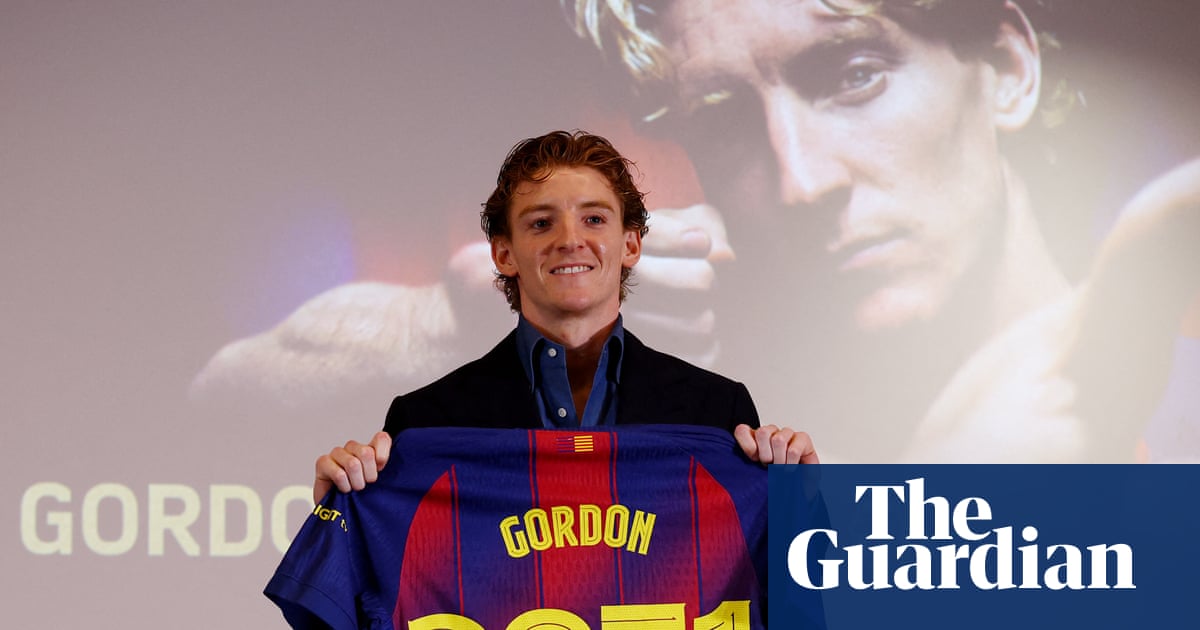
Anthony Gordon's Barca move masks lingering fitness concerns from Newcastle stint
40 minutes ago
Arsenal vs PSG: Why tactical rigidity will determine the European champion
an hour ago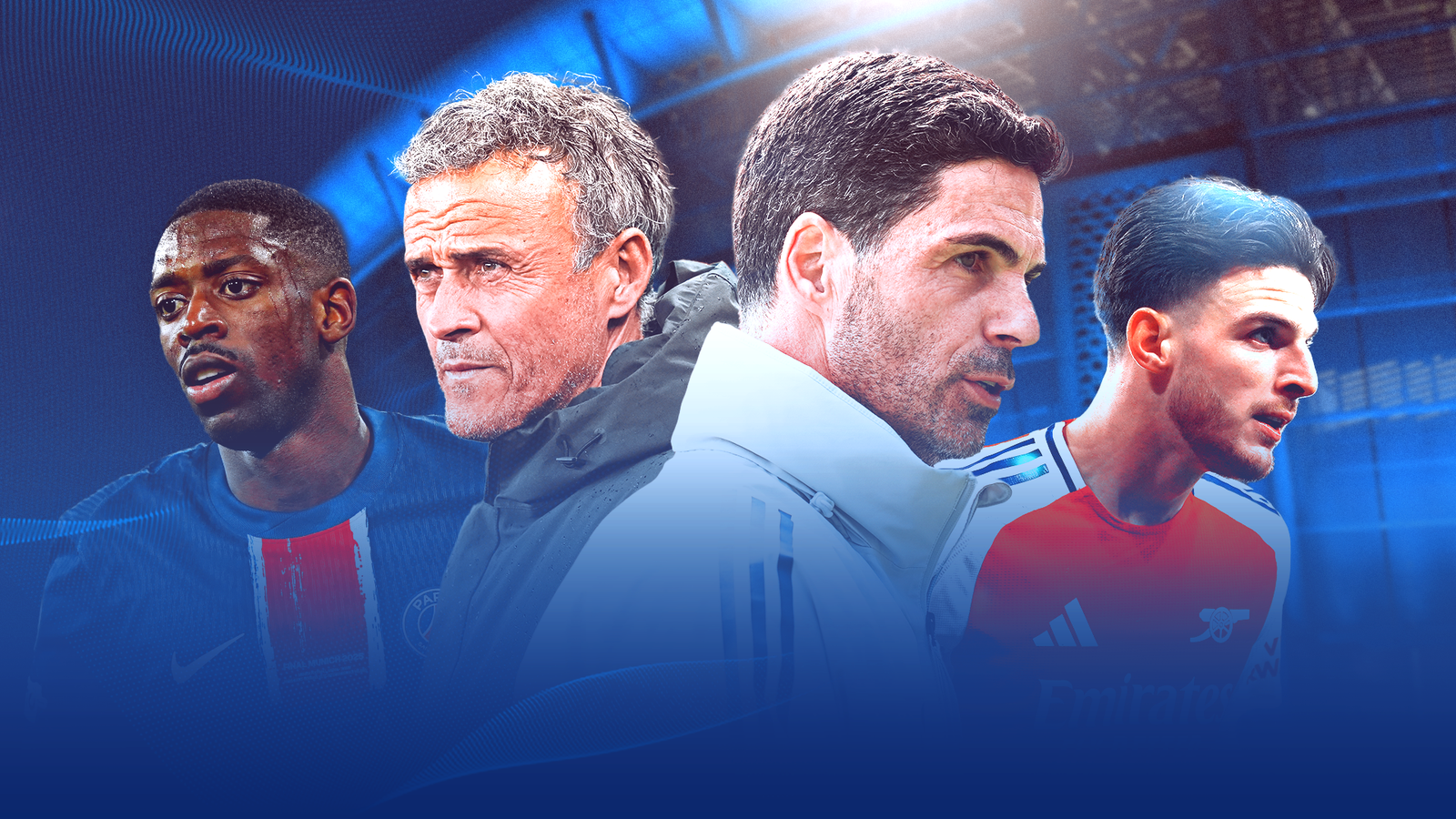
Arsenal and PSG are locked in a tactical chess match for the trophy
2 hours ago
Top 10: The Definitive Arsenal Moments of the 2025/26 Season
2 hours agoLincoln City just entered the weirdest experiment in League One history
3 hours agoMore Analysis
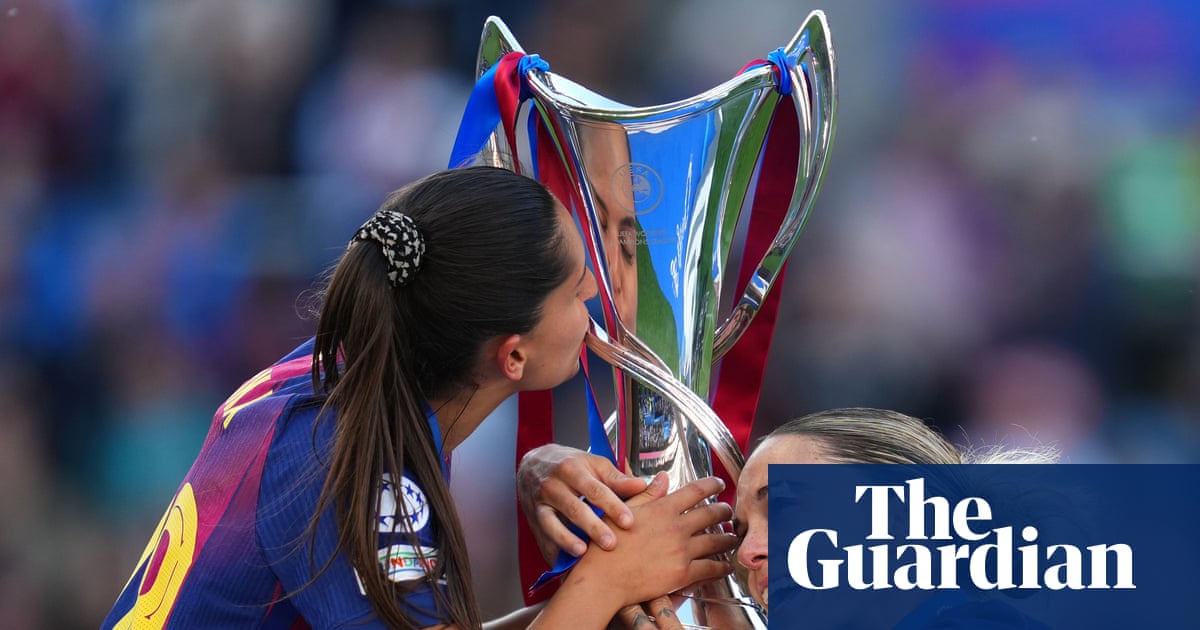
Barcelona and Lyon are set for a tactical collision in Bilbao
3 days, 7 hours ago
Barcelona and Lyon prepare for a brutal tactical collision in Oslo
1 week ago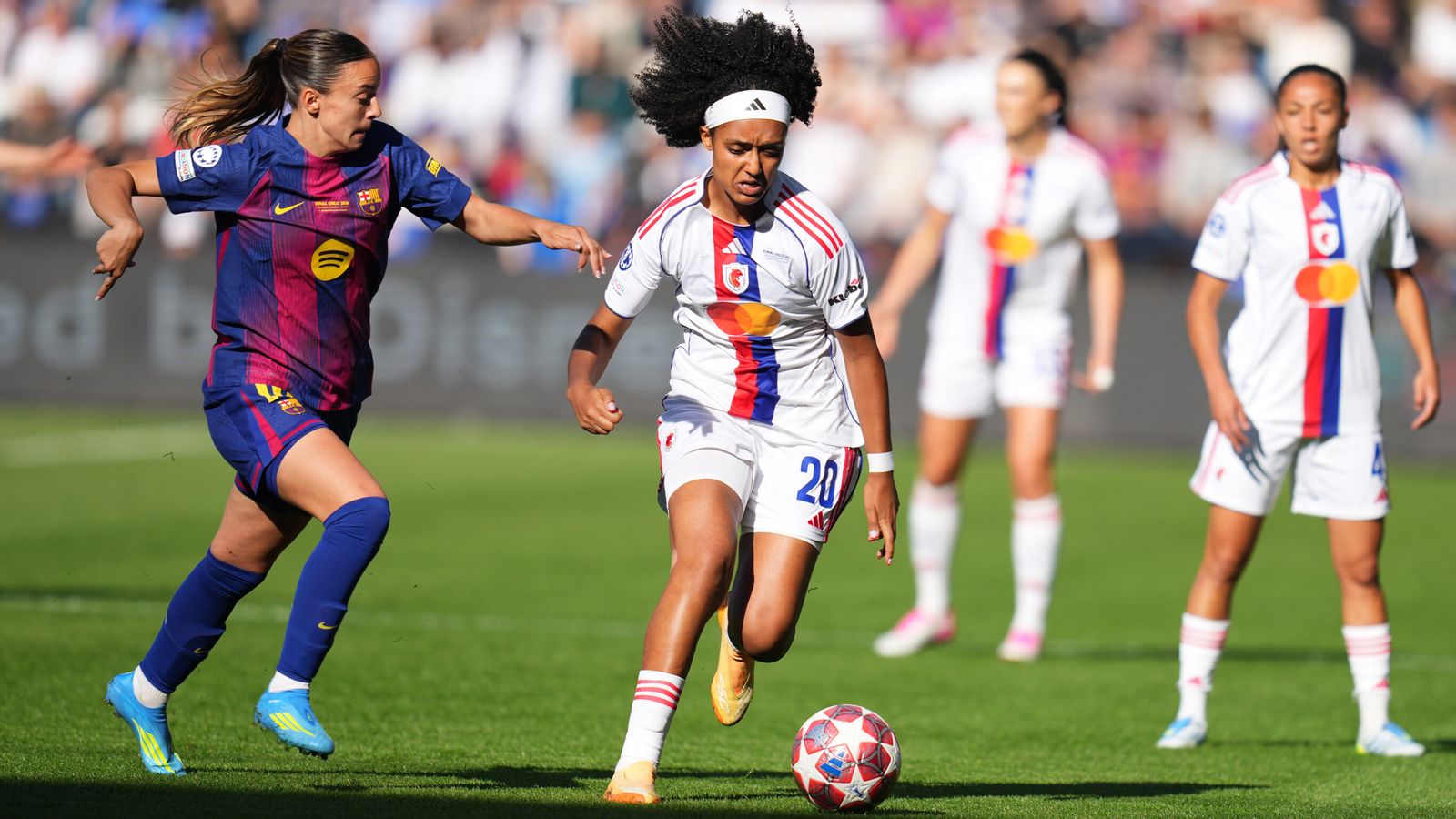
Why Barcelona are surviving a tactical strangulation in Oslo
6 days, 4 hours ago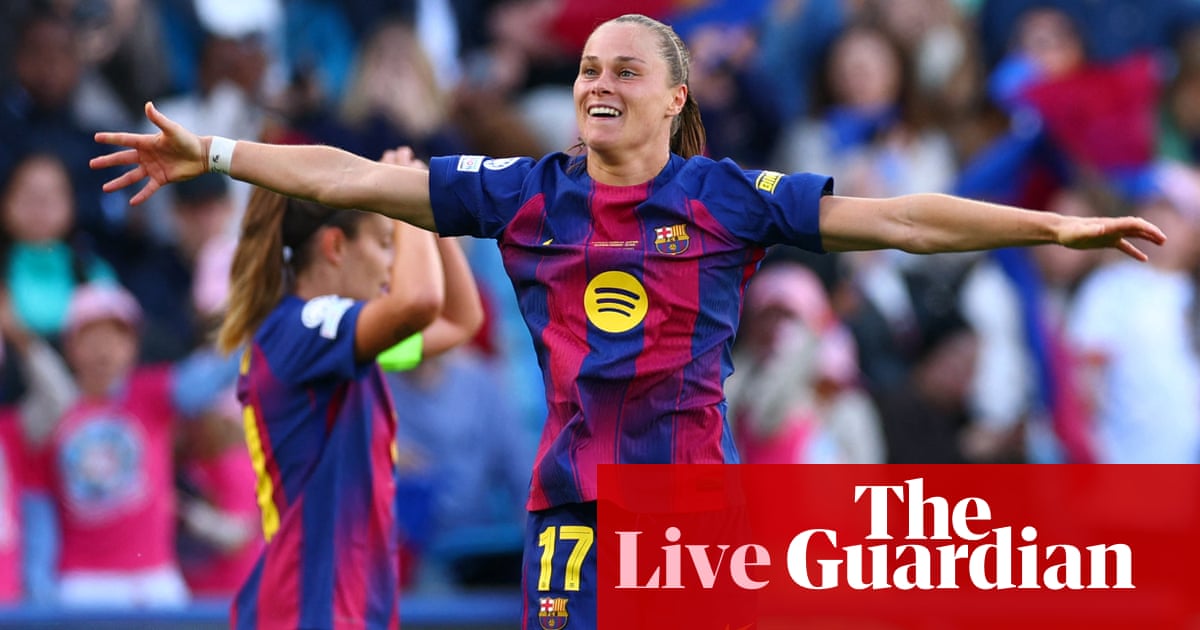
Jonatan Giraldez thought he could rebuild Lyon but Barcelona just broke them
6 days, 2 hours ago