The Ghost in the Bushes
Every year or so, it happens. A story bubbles up about a coach hiding in the bushes, a drone flying over a training ground, or some analyst getting a little too creative with their opposition research. And every single time, the entire football world collectively loses its mind, screaming about 'sportsmanship' and 'deplorable conduct'. It’s a tired, predictable dance. And it always, always brings us back to one man and his bucket: Marcelo Bielsa.
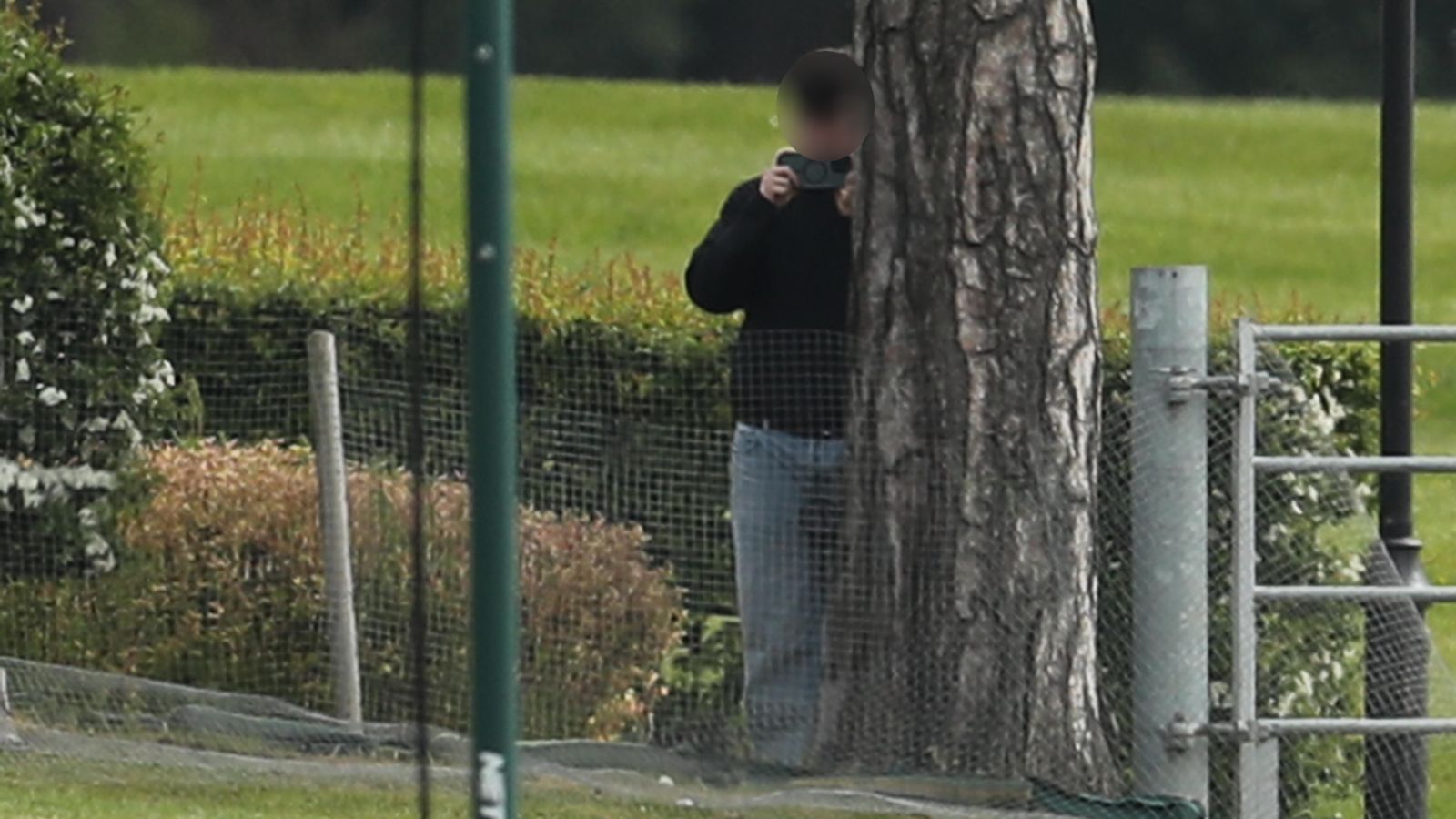
Let’s be honest, the Bielsa 'Spygate' incident at Leeds United was the peak of this particular brand of moral panic. It was the perfect storm. You had a revered, almost mythical foreign manager, a long-suffering and passionate fanbase, and the most hilariously low-tech espionage operation imaginable. A club intern with a pair of binoculars and a change of clothes. It was less James Bond and more Johnny English.
That PowerPoint Was a Masterpiece
Frank Lampard, then at Derby County, was apoplectic. The EFL slapped Leeds with a £200,000 fine. The media acted as if Bielsa had personally burgled every club in the Championship. And what did 'El Loco' do? He called a press conference and delivered the most legendary PowerPoint presentation in sports history. For over an hour, he meticulously detailed the absurd level of preparation he put into every single match, essentially proving that the information gained from spying was a drop in an ocean of obsessive analysis.
In hindsight, there was something pure about it, wasn't there? It was gritty. It was analog. It was about finding an edge on the pitch, understanding how an opponent set up for a corner. Bielsa wasn’t trying to hack他们的 financial records; he was trying to figure out if your left-back tucked his shirt in. He paid the fine out of his own pocket and the story became legend. It was controversial, sure, but it felt like it was still *about football*.
The New Spying is Already Here
Fast forward to today, and the conversation feels laughably outdated. We’re clutching our pearls over a guy in a trench coat while clubs are engaged in a level of data warfare that makes Bielsa's bucket look like a child's toy. The new espionage isn't happening in the bushes outside the training ground; it's happening in server rooms and on analytics dashboards.
Take a look at clubs like Brentford or Brighton, or the new ownership at Southampton with Sport Republic, led by Rasmus Ankersen. These organizations are built on data. They don't just scout players; they model entire leagues. They analyze petabytes of tracking data to identify weaknesses that the human eye would never see. They use algorithms to find undervalued assets in obscure markets. This isn't about stealing a set-piece routine; it's about fundamentally solving the game from a statistical standpoint.
Is that not a more effective, more clinical, and ultimately more terrifying form of 'spying'? There's no fun-loving, eccentric Argentine to get mad at. There's just a cold, hard algorithm. You can't fine a spreadsheet. And frankly, it's probably ten times more effective than some poor sod getting chased out of a farmer's field.
Where Do We Draw the Line?
The whole debate exposes a hilarious hypocrisy at the heart of English football. We love the idea of 'marginal gains' when it's our team doing it. Special diets, sleep coaches, psychological profiling – it’s all hailed as genius. But the second that gain involves information you weren't 'supposed' to have, it becomes a moral failing of the highest order.
The line is arbitrary and ridiculous. Watching a public training session? Probably fine. Watching a private one from a public footpath with binoculars? DEPLORABLE. Using public data to build an opposition profile? Smart. Paying a data company for a detailed report on a player's off-the-ball movements? Even smarter. So, where does 'analysis' end and 'espionage' begin? Nobody seems to know, but everyone has a very strong opinion.
For me, the Bielsa method felt like part of the game's rich tapestry of gamesmanship. It was a manager trying to out-think another manager. This new era of data-driven ownership, exemplified by the moves at Southampton and elsewhere, feels different. It's an attempt to out-think the game itself. It feels less like football and more like investment banking. The goal isn't just to win the next match; it's to create a sustainable, profitable, and predictable business model. And that, in its own way, is far more clinical and unsettling than any spy in the bushes.
The Soul of the Game is at Stake
When a club like Southampton, famous for its incredible academy and for playing with a certain soul, gets taken over by a data-first consortium, you have to wonder what gets lost. The romance of the game is in its unpredictability, its human moments of genius and failure. We love the underdog stories, the tactical masterclasses born from intuition, the raw emotion of a rivalry.
The more football becomes a solved equation on a laptop, the more of that soul we lose. The outrage over spying is a proxy war for this larger anxiety. We're not really mad about the binoculars. We're mad that the game we love is becoming more sterile, more corporate, and more predictable. We're scared that the beautiful, chaotic mess of 11 v 11 is being turned into a clinical, optimized asset.
So next time you hear about a spying scandal, and you will, just remember what the real argument is about. It’s not about fair play, not really. It’s about whether football is a sport or a spreadsheet. And right now, the spreadsheets are winning.