The coefficient math that changes everything
The Premier League season concludes this Sunday, but the most important fixture for English football might not happen until next Wednesday night. As Sky Sports thoroughly outlined this week, Aston Villa’s upcoming Europa League final appearance has completely warped the stakes for the domestic finale. If Unai Emery’s team lifts the trophy, England mathematically secures the second European Performance Spot. That obscure UEFA rule change suddenly turns fifth place in the Premier League into a Champions League golden ticket.
Sitting in fifth and sixth respectively, Bournemouth and Brighton are separated by a single point heading into the final weekend. They face each other at the Vitality Stadium on Sunday afternoon. It is a straight shootout for a seat at the top table of European football, provided Villa handle their own business in Europe. The tension surrounding Sunday's fixture on the south coast is immense. The tactical matchup on the pitch between two progressive managers is even better.
Both managers understand that a draw likely condemns them to the Europa League, as Chelsea sit just behind them waiting for a slip-up. There is absolutely no incentive for either side to sit back and defend a point. Both teams must pursue victory aggressively from the first whistle, which plays perfectly into their respective tactical identities.
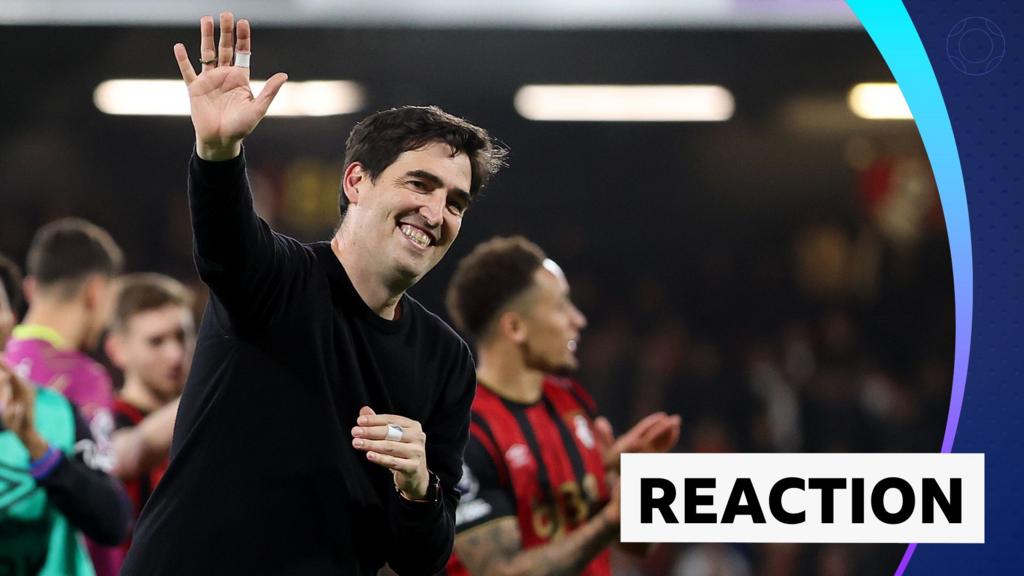
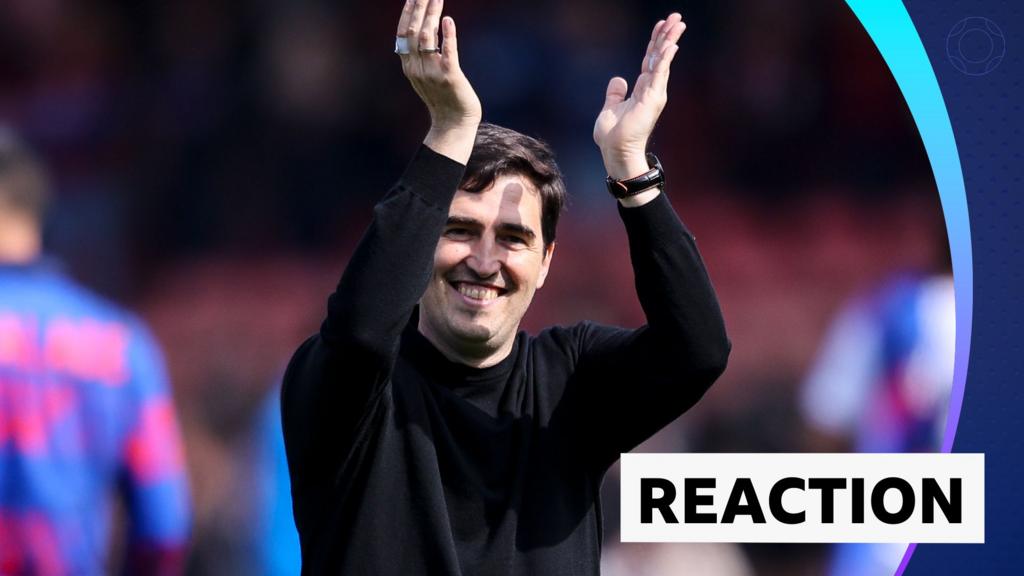
Andoni Iraola’s pressing trap
Bournemouth have steadily evolved into one of the most ruthless pressing sides in European football. Their approach out of possession is entirely man-oriented across the pitch. They do not sit in a deep block and wait for passing errors. They aggressively force those errors deep in the opponent's half.
The defining metric here is PPDA, which measures passes allowed per defensive action. Since December, Bournemouth's PPDA has hovered around 8.4. That is elite, title-contender territory. When the opposition center-backs split to receive the ball, Dominic Solanke triggers the pressing trap. He arcs his run carefully to cut off the lateral passing lane, forcing the ball inside into congested areas.
This is exactly where Lewis Cook and Ryan Christie earn their paychecks. They aggressively jump onto the opposition midfielders the moment the ball is played centrally. If the ball goes wide instead, the full-backs follow their men immediately. It is a high-risk, high-reward system. But it possesses a glaring flaw.
The vulnerability in transition
The negative consequence of Iraola's man-to-man setup is what happens when the first line of pressure is bypassed. If an opponent can successfully play through Solanke and Christie, the middle of the pitch completely empties out. We saw this structural failure brutally exposed against Arsenal three weeks ago. A single line-breaking pass from Martin Ødegaard took four Bournemouth players entirely out of the sequence.
Bournemouth's center-backs are consistently left exposed in isolated, one-on-one situations. Illia Zabarnyi has been magnificent this season, but asking him to defend forty yards of open grass against elite attackers is a recipe for disaster. If Brighton can bait the press effectively, they will find massive areas of space to attack.
Iraola has stubbornly refused to adjust his defensive line depth, even against top-tier transition teams. This rigid commitment to the high press is admirable, but it regularly costs them cheap goals. Against a team as technically proficient as Brighton, that stubbornness could end their Champions League dream.
Brighton’s possession bait
Fabian Hürzeler has heavily adapted the Roberto De Zerbi tradition of using the sole of the boot to invite aggressive pressure. Brighton center-backs Lewis Dunk and Jan Paul van Hecke will stand completely still with the ball at their feet. They are waiting for the opponent to jump out of formation. They actively want to be pressed.
Once the Bournemouth forward commits to the tackle, the passing sequence is highly choreographed. A sharp pass into the midfield pivot, a one-touch layoff to an advancing full-back, and suddenly Brighton are attacking with a clear numerical advantage. They average 1.84 expected goals per match, and a massive portion of those chances originate from sequences starting in their own penalty box.
When it functions correctly, it looks unstoppable. When it fails, it looks utterly ridiculous. Brighton have conceded seven goals this season directly from individual passing errors in their defensive third. Carlos Baleba is a physical powerhouse in midfield, but his spatial awareness when receiving the ball facing his own net remains a significant liability.
The wide-area isolations
One of the most fascinating micro-battles will occur on the flanks. Bournemouth winger Antoine Semenyo operates almost exclusively as an inside forward. He demands the ball to his feet so he can drive diagonally toward the penalty area and shoot.
Brighton's Pervis Estupiñán is an incredibly aggressive attacking full-back. When Brighton establish possession, Estupiñán pushes so high up the pitch he effectively becomes a left winger. This creates a massive structural dilemma for Bournemouth's right side.
Does Semenyo track Estupiñán all the way back to his own corner flag? If he does, Bournemouth lose their primary counter-attacking outlet. If Semenyo cheats and stays high up the pitch, Bournemouth's right-back is left isolated against two attackers. Iraola typically asks his wingers to suffer defensively, but in a must-win scenario, he might gamble and leave Semenyo forward.
The psychological weight of Thursday nights
The financial rewards of Champions League qualification are obvious to anyone analyzing the balance sheet. An estimated £40 million windfall fundamentally changes a club's summer transfer strategy. However, the real prize is prestige and long-term player retention. Competing against Real Madrid and Bayern Munich changes a club's permanent trajectory.
If Bournemouth miss out, they will face immense difficulty convincing Milos Kerkez to sign a contract extension. The Hungarian defender is already being scouted heavily by top clubs in Italy. If Brighton falter, massive transfer bids for Evan Ferguson and Simon Adingra will arrive immediately.
This is the harsh reality of the modern English top flight. You are either stepping up into the elite tier, or you are a feeder club waiting to be stripped for valuable parts. The Europa League provides a fun adventure for traveling supporters. The Champions League provides institutional security.
And it all hangs on a bizarre thread. Even if they secure victory on Sunday, the winning players and fans must become Aston Villa supporters for a single night. The absurdity of the European coefficient system means fans will be celebrating a domestic victory while anxiously tracking UEFA mathematics.
The set-piece dynamic
Do not ignore the dead-ball situations. Bournemouth are one of the most efficient set-piece teams in the division. They utilize complex blocking screens to free up runners near the six-yard box. Solanke has scored four goals from these exact corner-kick routines this season.
Brighton are surprisingly passive defensively on corners. They rely on a mixed marking system that often leaves the penalty spot dangerously vacant. If the match remains tied heading into the final twenty minutes, a single set-piece delivery could alter the history of both clubs.
The ultimate prediction
This fixture promises to be incredibly frantic from the opening whistle. Bournemouth have the home crowd behind them, and their aggressive style typically overwhelms possession-heavy teams in the early stages. I expect the Cherries to start fast, aggressively shutting down Dunk and van Hecke. They will likely force a major error inside the first thirty minutes.
But Brighton possess too much tactical intelligence to be kept down for an entire match. They will figure out the pressing triggers. Hürzeler will make adjustments at halftime, likely dropping an attacker deeper to overload the central midfield. The second half will see Brighton dominate possession and dictate the tempo.
Ultimately, Bournemouth's transition defense is simply too fragile in high-stakes moments. Brighton's ability to play quickly through heavy pressure will eventually exhaust the home side's midfield runners. It is going to be a brutal, physically exhausting watch for both sets of supporters.
I am predicting a 1-2 away victory for Brighton. Joao Pedro will find the winning goal late in the second half. Following the final whistle, the entire south coast of England will turn their attention to Aston Villa. The tactical war ends on Sunday. The coefficient prayer ends on Wednesday.
Read Next
- Iraola's farewell masterclass costs Man City the Premier League title
- Arsenal broke City's grip but a dynasty is far from guaranteed
- Arteta's Arsenal have finally mastered the art of tactical control
- Bournemouth are heading to Europe but their home turf isn't ready yet
- ⭐ UCL 2026 — Champions League Quarter-Finals Hub