The Captain’s Crusade
Bryan Robson didn't earn the nickname 'Captain Marvel' by sitting on the sidelines when a tackle needed to be made. In 2026, the Manchester United icon is sliding into a different kind of challenge, one that involves protecting the club's next generation from the sharks circling Carrington. Robson has launched a definitive campaign to shield United’s young millionaires from what he describes as a predatory network of financial vultures.
It is a grim reality that has haunted the English game for decades. Players who spent their teens obsessed with a ball find themselves in their twenties with bank balances that resemble phone numbers and the financial literacy of a primary school student. Robson has seen too many of his own teammates and contemporaries end up in the bankruptcy courts, and he is no longer willing to stay silent while history repeats itself.
The Predators at the Gate
The warnings coming out of the United camp are unusually blunt. Robson isn't interested in the usual corporate platitudes about 'wealth management' or 'long-term planning.' He is talking about the immediate, visceral threat of people who view footballers as nothing more than walking ATM machines. The legend is reportedly holding face-to-face sessions with the academy graduates and first-team stars to deconstruct the myths of the 'sure-fire' investment.
Saddened at seeing so many contemporaries fall into financial ruin, many at the hands of unscrupulous agents or opportunist chancers, Robson just had to act.
As reported by the Daily Mail, Robson is specifically targeting the "evil con artists" who have infiltrated the inner circles of the modern player. These aren't just faceless scammers on the internet; they are often the people in the VIP booths, the 'friends' of friends, and the agents who care more about their 10 percent than the player’s 30s. The message is simple: if it sounds too good to be true, it’s probably a trap designed to drain your account.
The Chelsea Standards Gap
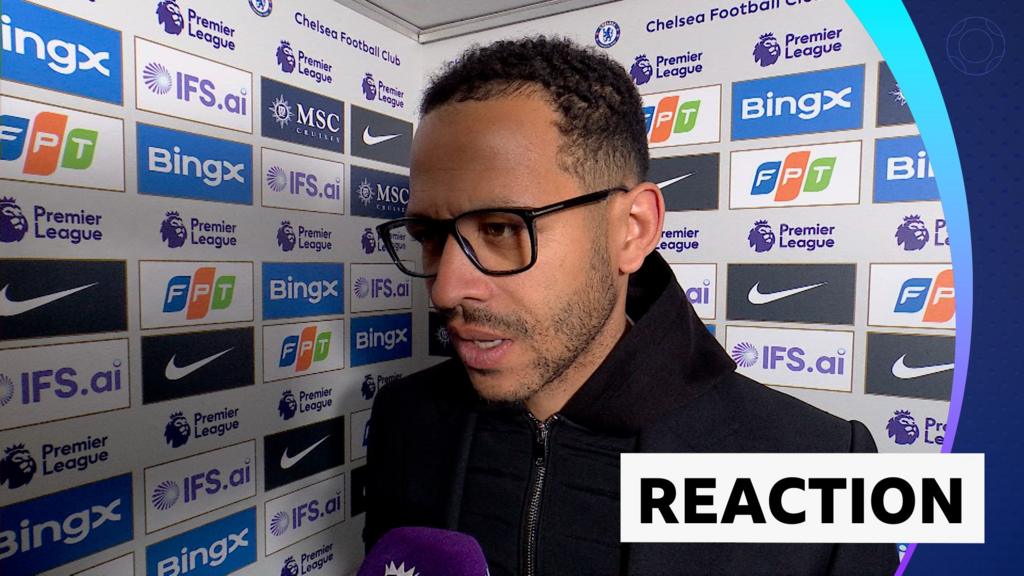
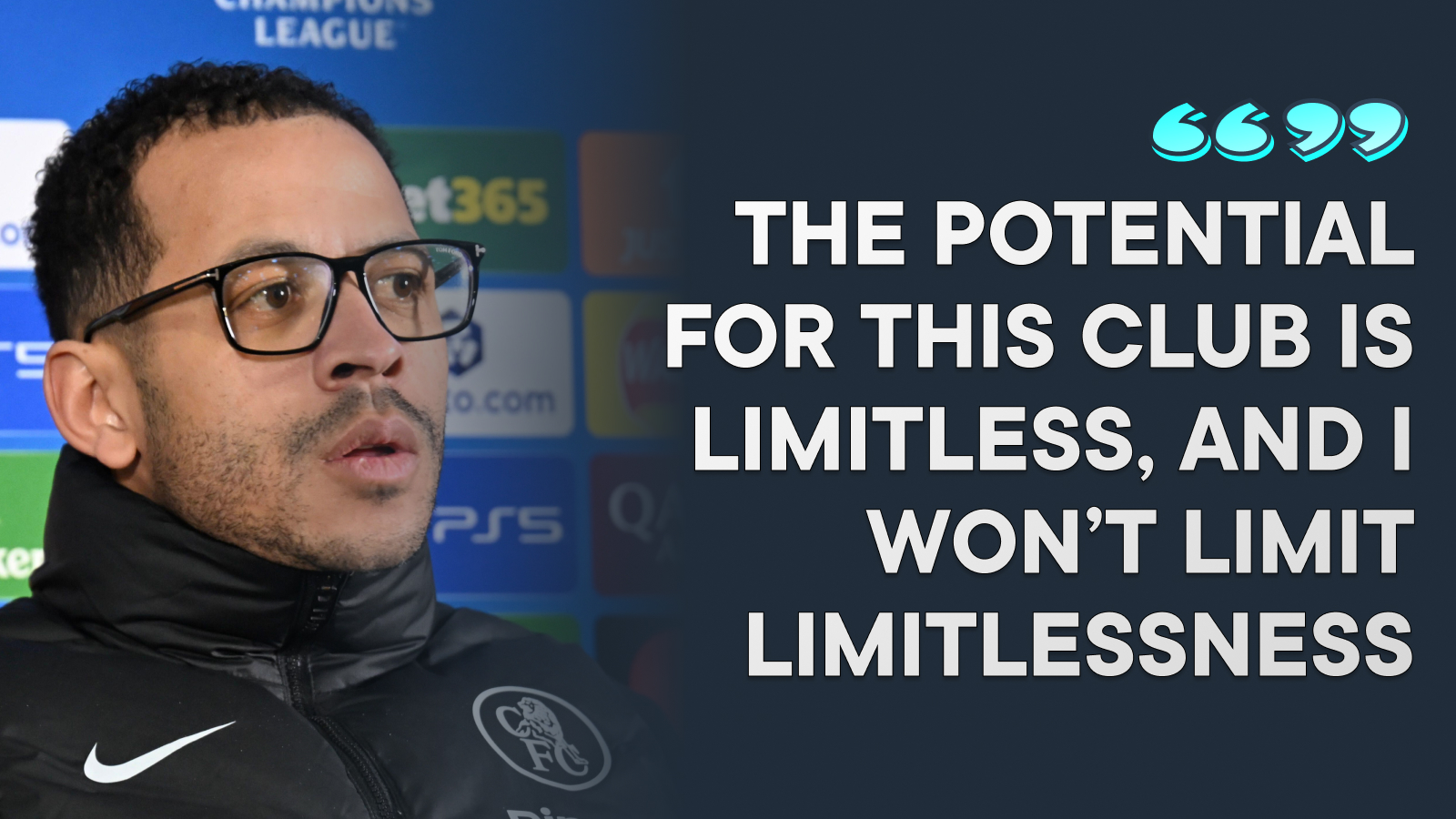
While Robson is fighting fires in the accounts department at United, Jimmy Floyd Hasselbaink is busy trying to fix the culture at Cobham. The Chelsea legend has been vocal about the current state of the squad under Liam Rosenior. With the Blues still struggling to find the consistent clinical edge that defined Hasselbaink's era, the Dutchman is demanding a shift in mentality from a group that often looks talented but directionless.
Hasselbaink’s intervention comes at a delicate time. The shadow of Jose Mourinho still looms large over West London, especially following the recent 'furore' involving Vinicius Jr and the Special One. Whether it’s a potential Mourinho return or just his lingering influence on the tactical debate, Hasselbaink is clear: the players need to stop looking at the dugout for excuses and start taking ownership of the project Rosenior is building.
Making the Rosenior Era Work
Liam Rosenior’s appointment was seen by many as a gamble on modern, progressive coaching over big-name reputation. It’s a move that requires total buy-in from a dressing room that has been through a revolving door of managers. Hasselbaink has laid out a blueprint for how the current squad can ensure this era doesn't end in another expensive sacking.
- Demanding accountability in the final third rather than relying on individual brilliance.
- Ignoring the external noise regarding Jose Mourinho and the Vinicius Jr situation.
- Adopting a 'senior' mentality regardless of the average age of the starting XI.
- Prioritizing the club's tactical identity over personal brand building.
The critique here is sharp. Hasselbaink knows that Chelsea’s biggest enemy isn't the opposition; it’s the internal drift that happens when players feel they are bigger than the system. According to Hasselbaink's latest comments, the success of Rosenior depends entirely on whether the stars are willing to do the dirty work that doesn't show up in a highlight reel. It is a harsh truth for a squad that has spent hundreds of millions to often look like eleven individuals.
The Financial Death Trap
Returning to the Manchester United situation, the statistics backing Robson’s crusade are terrifying. It is estimated that nearly 60% of professional footballers will face some form of financial distress within three years of their retirement. This isn't just about fast cars and big houses; it's about the catastrophic losses incurred through bad property deals in foreign markets and high-risk film tax schemes that the 'chancers' Robson warns about are so fond of pushing.
The club has turned to Robson because his voice carries a weight that a PowerPoint presentation from a bank never could. When he talks about seeing friends lose everything, it isn't an academic exercise. It is a warning from the front lines. The modern player might be earning £100,000 a week, but that wealth is a magnet for the worst kind of opportunists. Robson's intervention is a necessary, if depressing, acknowledgment that United's duty of care extends far beyond the pitch.
A Culture of Vulnerability
There is a recurring theme in both Robson and Hasselbaink’s warnings: the vulnerability of the modern elite athlete. At United, it is a financial vulnerability. At Chelsea, it is a professional one. Both legends are identifying a lack of 'street smarts' in the current generation. It is the price of a hyper-sterilized academy system that produces incredible athletes but often fails to produce well-rounded, skeptical adults.
The irony isn't lost on anyone at Carrington. While the club invests millions in data analysis and sports science to gain a 1 percent advantage on the pitch, they are losing millions out the back door because a player trusts the wrong 'advisor.' Robson is essentially acting as a human firewall. He is trying to instill a level of healthy paranoia that should have been part of their education from day one.
The Verdict on the Legends
It is easy to dismiss these interventions as 'old men shouting at clouds,' but that misses the point entirely. Robson and Hasselbaink are the bridge back to an era where the connection between the fans, the history, and the players felt tangible. Today, that connection is often mediated by agents, social media managers, and 'brand consultants.' By stepping into the dressing room, these legends are trying to reclaim the soul of their respective clubs.
However, there is a legitimate criticism to be made here. Why does Manchester United need a 69-year-old former player to explain basic fraud prevention to grown men? It points to a systemic failure in the way clubs manage their human assets. If the players are so insulated from reality that they can't spot a 'chancer' at a party, then the club's bubble is too thick. Similarly at Chelsea, if the players need Hasselbaink to tell them how to respect their manager, the leadership within the squad is non-existent.
What Comes Next
As we move toward the business end of the season, with the UCL Quarter-Finals just 8 days away, the distractions off the pitch can be just as damaging as an ACL injury. For United, the focus must remain on the football, but Robson’s work is about the next twenty years, not just the next ninety minutes. For Chelsea, the Rosenior project is at a crossroads. They can listen to Hasselbaink and find the grit required to compete, or they can continue to be the most expensive experiment in world football.
The era of the 'silent legend' is over. Whether it's protecting bank accounts or demanding tactical discipline, the names on the stadium walls are finding their voices again. Fans should welcome it. In an age of PR-managed statements and beige interviews, we need the raw, unfiltered honesty of the men who actually know what it means to wear the shirt. Robson and Hasselbaink aren't just reminiscing about the good old days; they are trying to prevent a very messy future.