Hosting the 2026 World Cup is a logistical gamble for FIFA
The quiet infrastructure stress of the 2026 World Cup
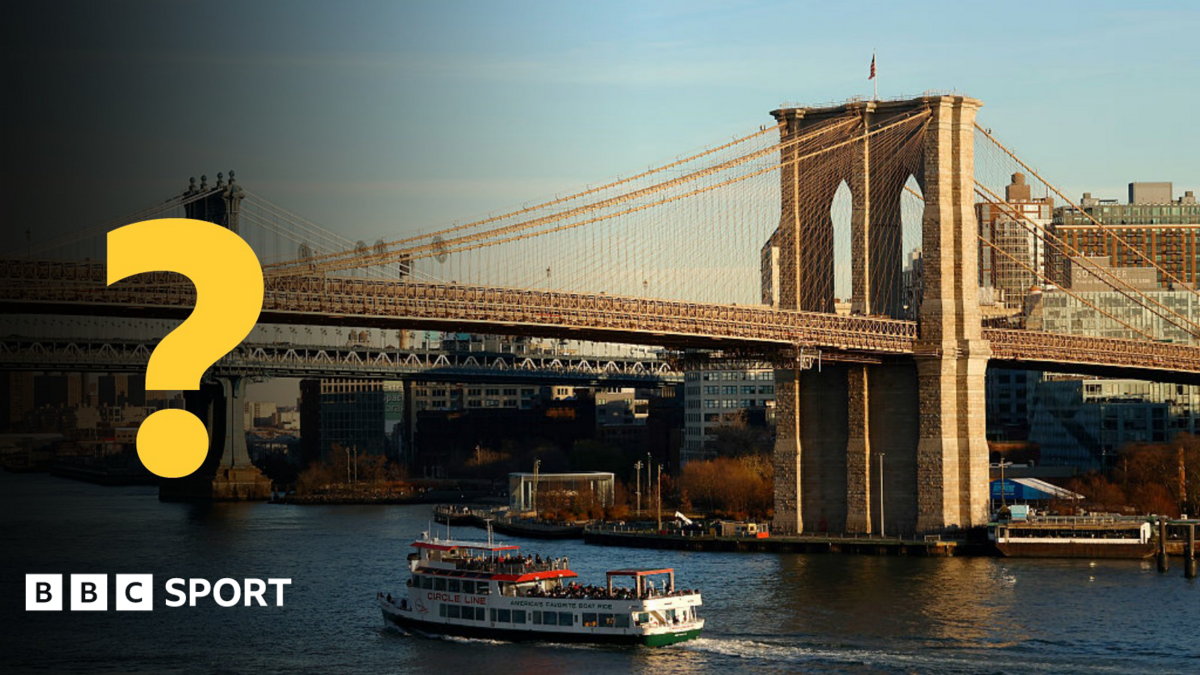
With the 2026 World Cup hovering on the horizon, the conversation has moved from footballing aesthetics to the cold reality of logistics. FIFA recently dropped a World Cup quiz highlighting the 16 host cities, an exercise that feels more like a forced familiarity tour than a celebration of the sport. The sheer scale of this tournament is unprecedented, stretching across three nations and time zones that challenge the traditional rhythm of international competition.
We are looking at long-haul travel for fans and teams alike. A squad might finish a group game in Vancouver before trekking thousands of miles to Mexico City or New York. The physical tax on players is not being discussed enough. Recovery windows, the cornerstone of modern sports science, are increasingly difficult to manage when you factor in time-zone shifts and airport transit times of 6 hours or more per flight.
The stadium selection process remains opaque
The selection of these 16 cities carries significant political weight. By diversifying the venues, FIFA aims to capture massive commercial markets, but the lack of centralized transit hubs in certain host regions could create a bottleneck. Watching the planning committee navigate these demands feels like watching a chess game where both sides have forgotten the rules of the board. The goal is maximum visibility, but the cost is a massive logistical load on local municipal governments.
There is also the matter of the pitch surfaces. While some venues operate with top-tier grass, others rely on synthetic turf, necessitating expensive, last-minute installations to meet international standards. These retrofits rarely replicate the genuine bounce and roll of a true footballing pitch. Even after the grass is laid, the underlying drainage systems aren't always designed for the high-intensity demands of professional soccer in late June and July.
Financial overreach poses a real risk
The financial commitment required from each site is staggering. We are not just talking about upgrading locker rooms or adding seats. It involves security protocols, fan zone construction, and host city activations that rarely provide a measurable return on investment for the local taxpayer. When you look at the projection models, the emphasis remains on ticket revenue and broadcast rights, leaving the cities to scramble for the remaining budget.
A critical observation involves the fan experience outside the stadiums. In cities not accustomed to the high volume of foot traffic seen in European domestic leagues, pedestrian congestion will hit a breaking point. Without significant infrastructure pivots, the movement of thousands of supporters could grind public transit to a halt. It is a gamble on the assumption that a city can handle the influx, despite no recent precedents, which is exactly why the skepticism toward this expanded format is so prevalent among analysts.
Tactical implications of the travel schedule
Managers who win this tournament will not just be the ones with the best pressing triggers or set-piece routines. They will be the ones who manage fatigue best. Rotating squads in the group stages isn't a luxury, it is a survival requirement. Any team relying on a rigid, high-intensity playstyle for 90 minutes across four different cities will face a 30 percent drop in efficiency by the quarter-finals.
We have to question whether this spread-too-thin approach harms the product on the pitch. When players arrive at the 80th minute looking like they have already logged three games in a week, the tactical brilliance of the manager disappears. The game loses its shape. It becomes a contest of who is less exhausted rather than who is better structured, which is a disappointing turn for a tournament supposed to showcase the absolute peak of the sport.
Read Next
Liverpool FC "You'll Never Walk Alone" Knit Scarf
Carry the spirit of Anfield wherever you go.
Frequently Asked Questions
What are the primary logistical concerns for the 2026 World Cup?
How will long-haul travel impact participating football squads?
Why is the use of synthetic turf at venues a significant issue?
What financial risks do host cities face for this tournament?
How could pedestrian traffic affect local infrastructure?
More Coverage

Michael Buble opening a World Cup tournament is the peak surreal sports moment
6 hours ago
Why the Azteca renaming signals a shift in World Cup identity
11 hours ago
World Cup 2026 is already showing its ugly side
11 hours ago
Manchester United are chasing the wrong defensive priorities
12 hours ago
Beth Mead's move to City is a bet on tactical continuity
13 hours ago
The World Cup's logistical nightmares are overshadowing the football
15 hours agoMore Analysis

World Cup 2026 is shaping up to be a logistical nightmare for fans
2 months ago
Why the 48-team World Cup marks the end of the host nation era
1 month, 4 weeks ago
FIFA is already sleepwalking into a World Cup disaster
1 month, 3 weeks agoThe World Cup bracket is a disaster waiting to happen
1 week, 4 days ago
FIFA's hydration flip-flop exposes North American logistics chaos
6 days, 15 hours ago