The optics of a travel ban
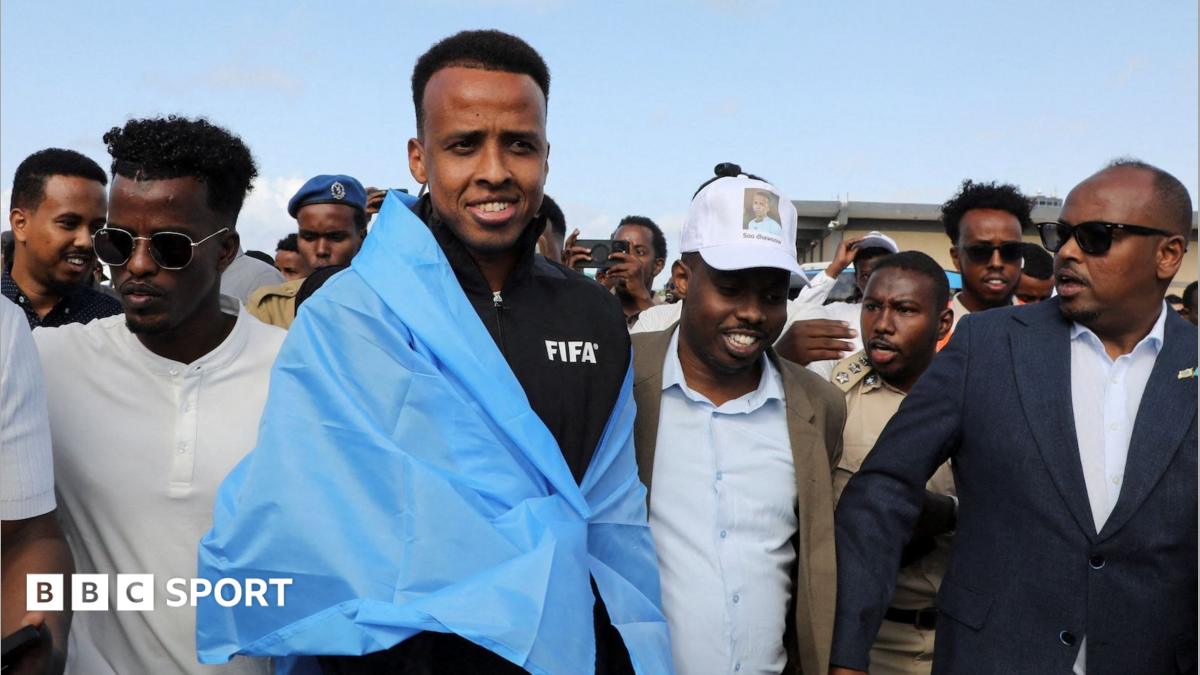
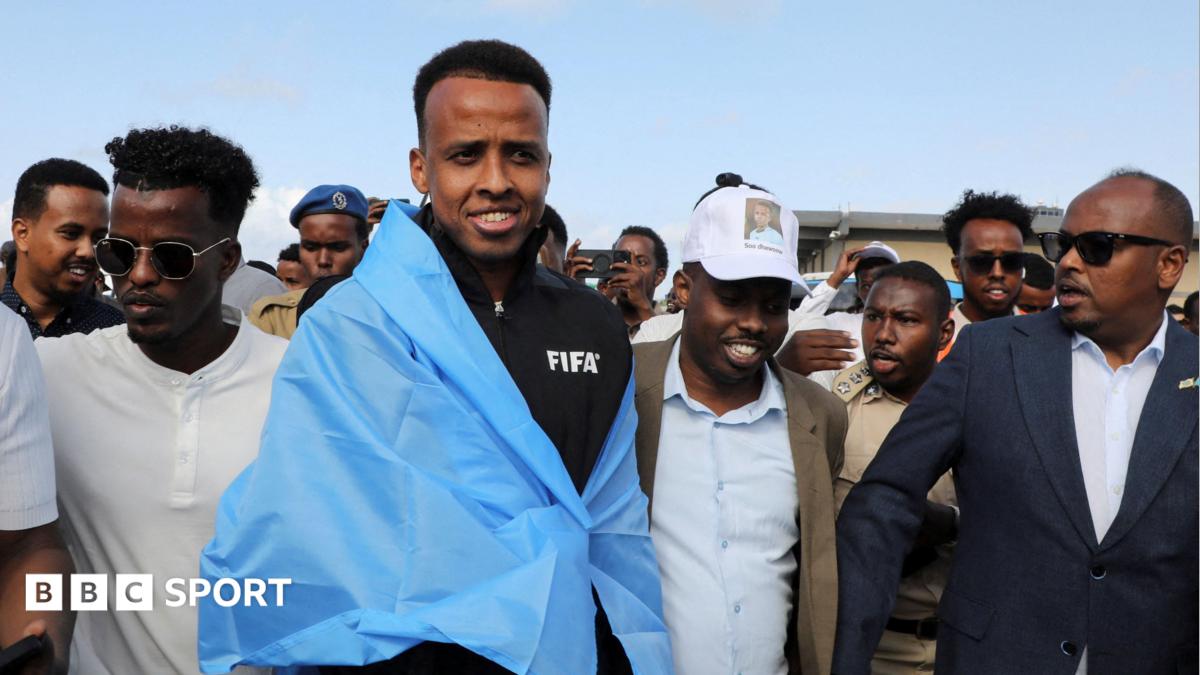
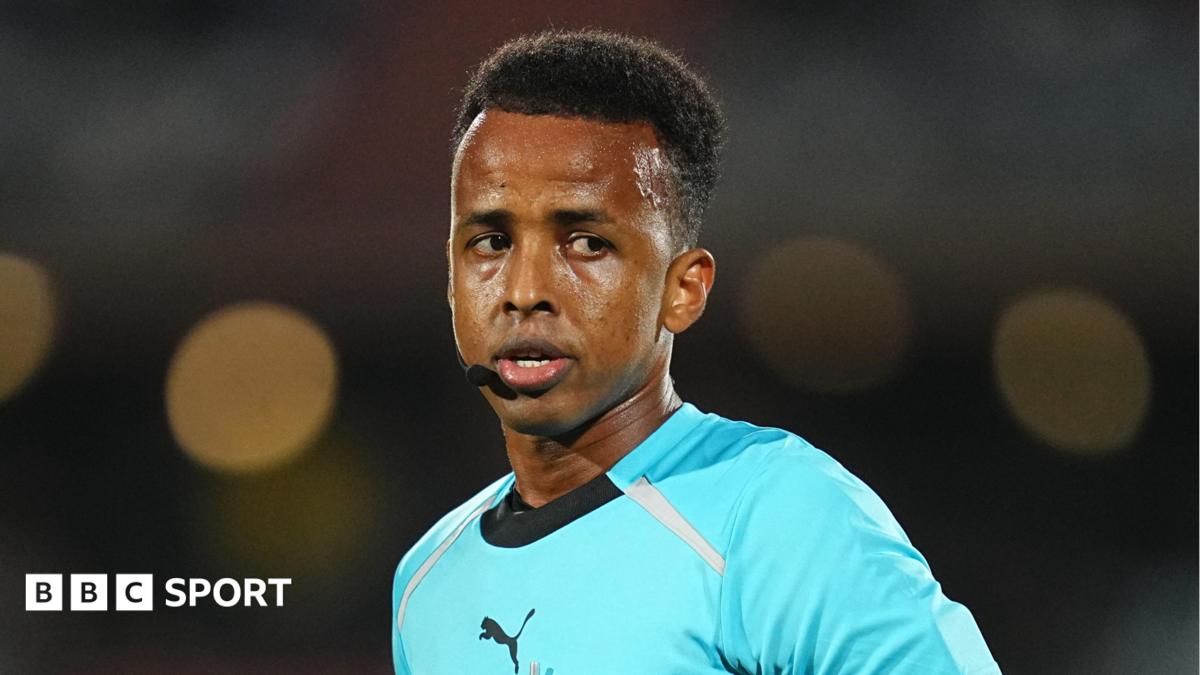
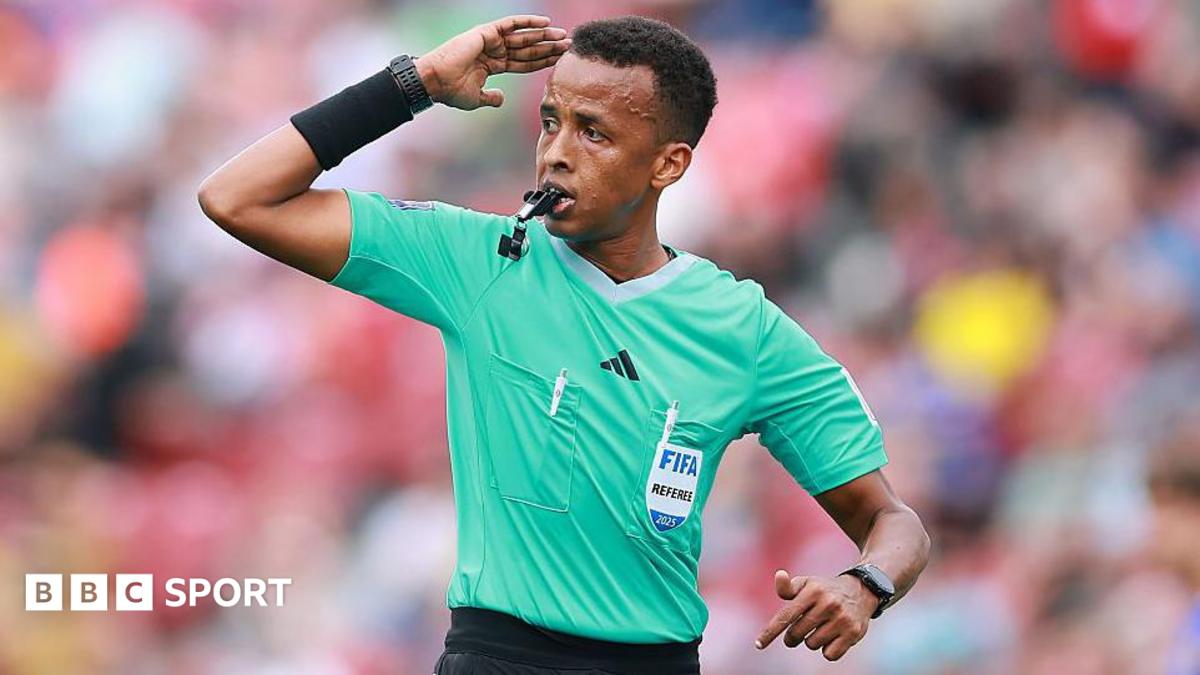
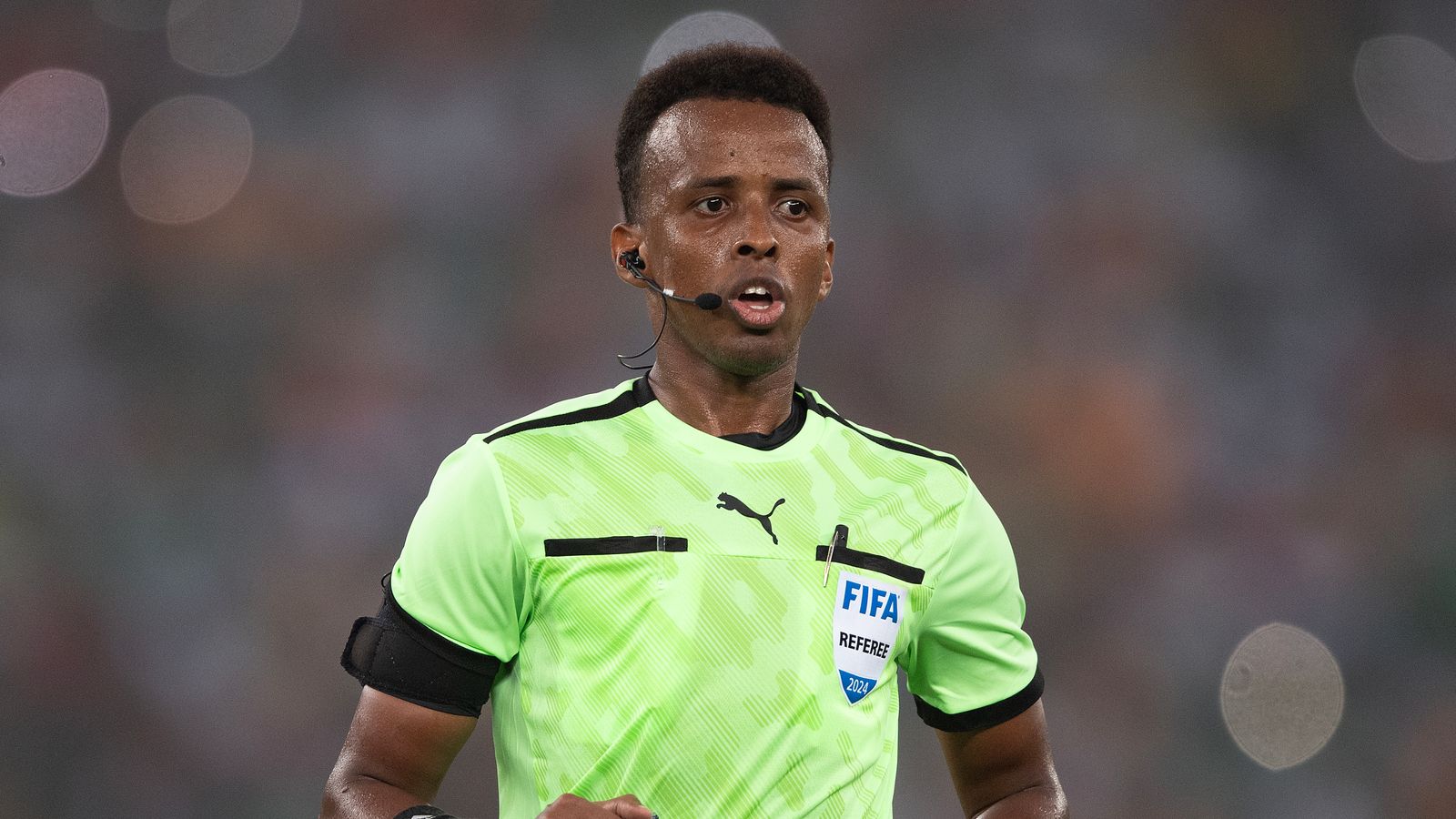
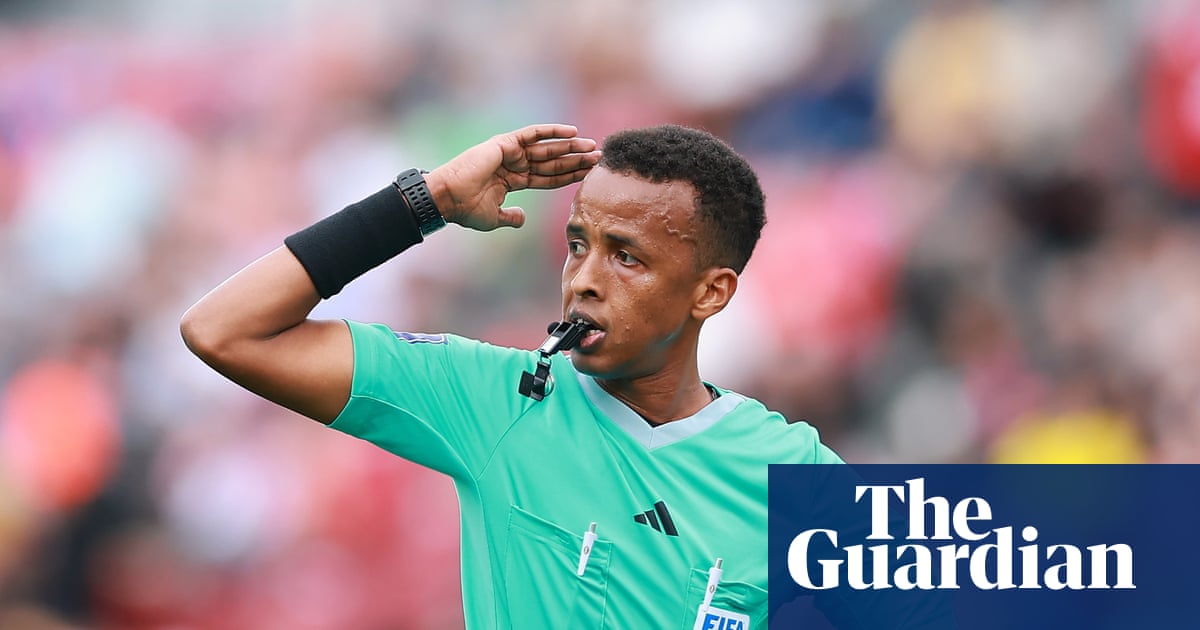
Two days stand between us and the opening whistle, yet the pre-tournament narrative has taken a sour turn. Omar Artan, the Somali official poised to make history as his nation's first referee at a World Cup, has been denied entry to the United States. This isn't just an administrative friction point; it is a signal of the logistical chaos waiting under the surface of this expanded 48-team tournament.
As The Guardian reported, Artan holds the status of one of the top officiating talents on the African continent. Missing out on the tournament because of a visa denial strips the competition of authentic representation. When a global event is hosted by a nation with restrictive entry requirements, these disputes are inevitable. FIFA’s failure to guarantee the movement of its own appointed officials reflects poor oversight during the bid phase.
The refereeing standard under pressure
Officiating at this level requires immense mental capacity. Removing a high-performing international referee from the rotation purely due to paperwork suggests a lack of coordination between the governing body and the host nation. We expect the highest quality on the pitch, but this incident proves the personnel selection process remains vulnerable to external political interference.
This vacancy leaves a void in the officiating pool that will be felt by the teams expecting consistent standards. Artan’s absence marks the first time a tournament official has been barred in this fashion since the modern expansion of entry requirements. If FIFA cannot ensure their staff can cross borders, the integrity of the selection process is effectively neutralized.
The referee community has voiced frustration regarding the communication blackout that accompanied this decision. It forces us to question whether the logistical demands of a multi-country or high-security host are being prioritized over the actual football. We are approaching the kickoff, yet the focus remains on who isn't there rather than who made the cut.
A pattern of exclusion
This is not an isolated incident of incompetence; it is a symptom of unchecked complexity. Hosting the sport’s most prestigious event comes with obligations that go beyond stadium construction and ticket sales.
- Artan was slated to be the first Somali official in tournament history.
- The visa denial occurred despite his status as a FIFA-sanctioned elite referee.
- This creates a 1-man deficit in the planned rotation of international officials.
My prediction for the opening matches? Expect refereeing complaints to spike significantly by the end of the group stages. When you restrict the talent pool by excluding professionals based on nationality, you inevitably land on lower-grade officiating in high-stakes matches. The tournament hasn't even begun, but we already have a major unforced error from the organizers.